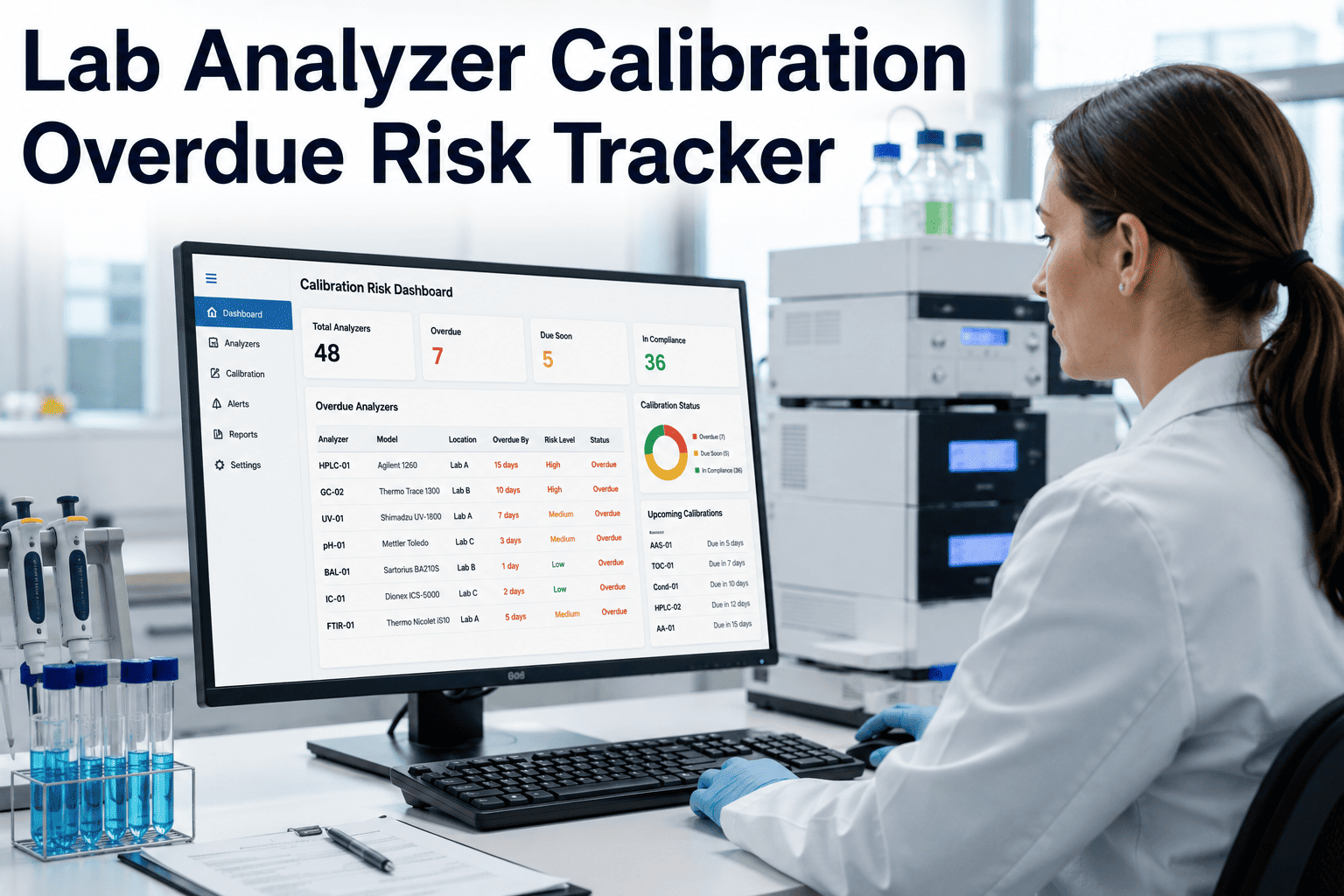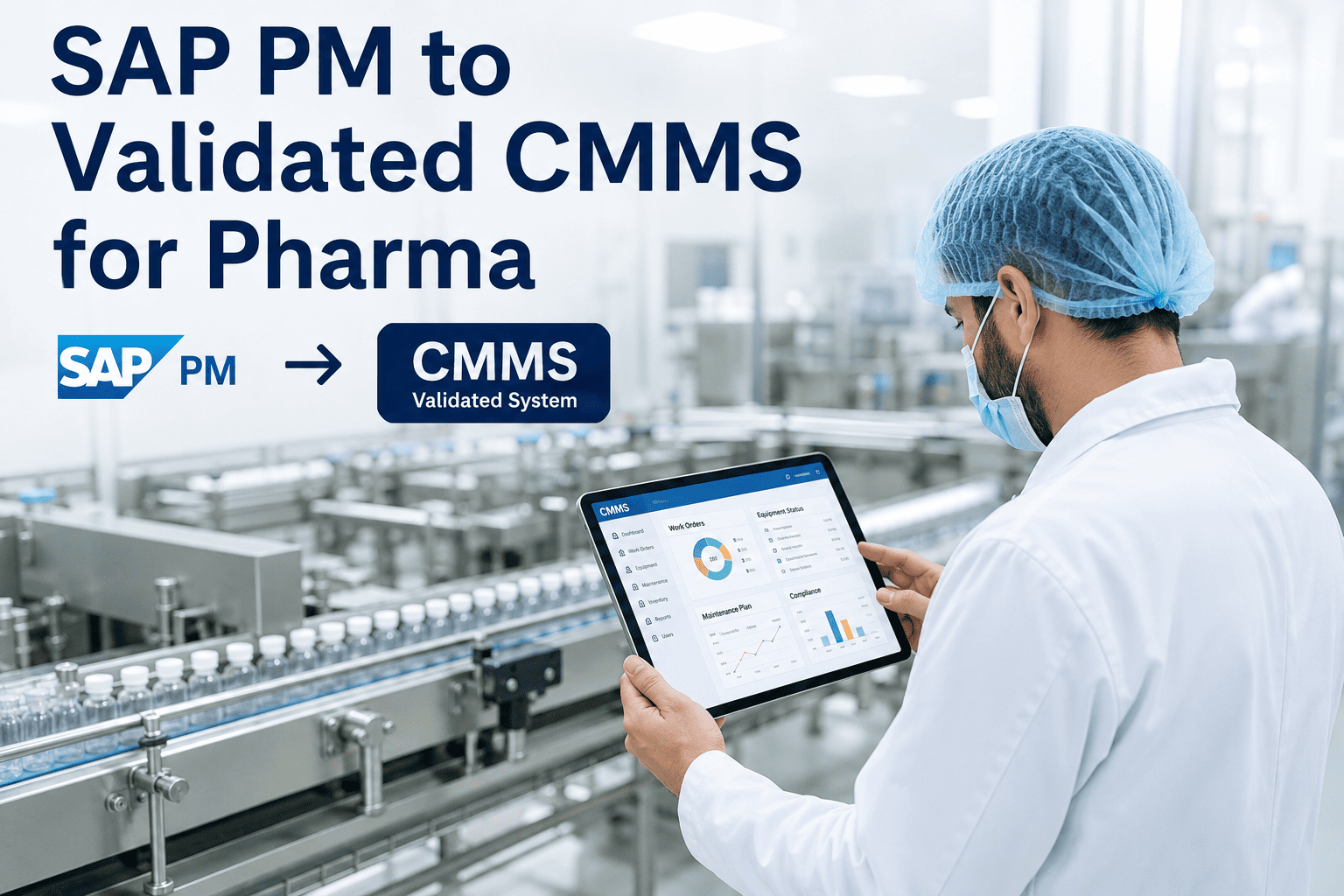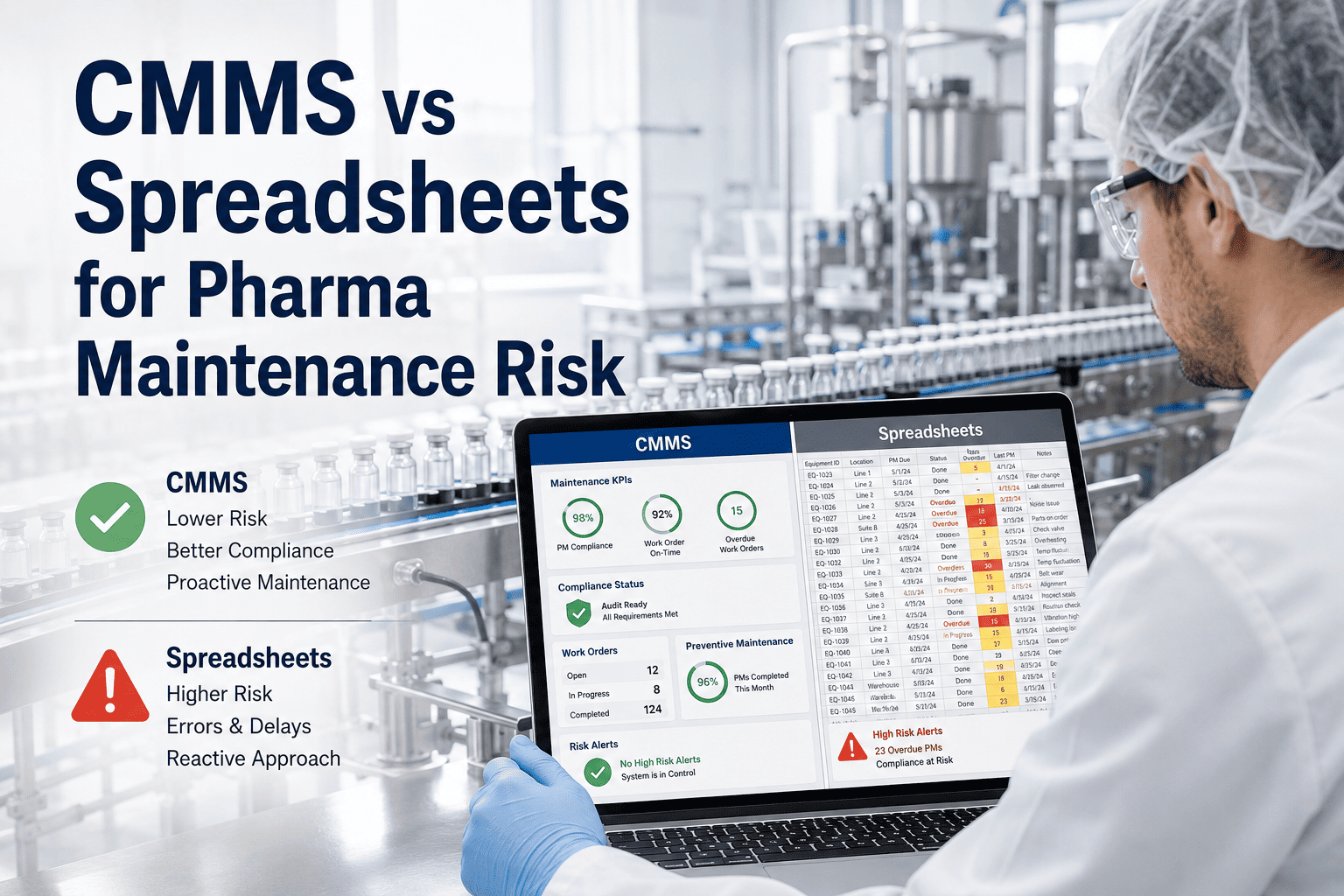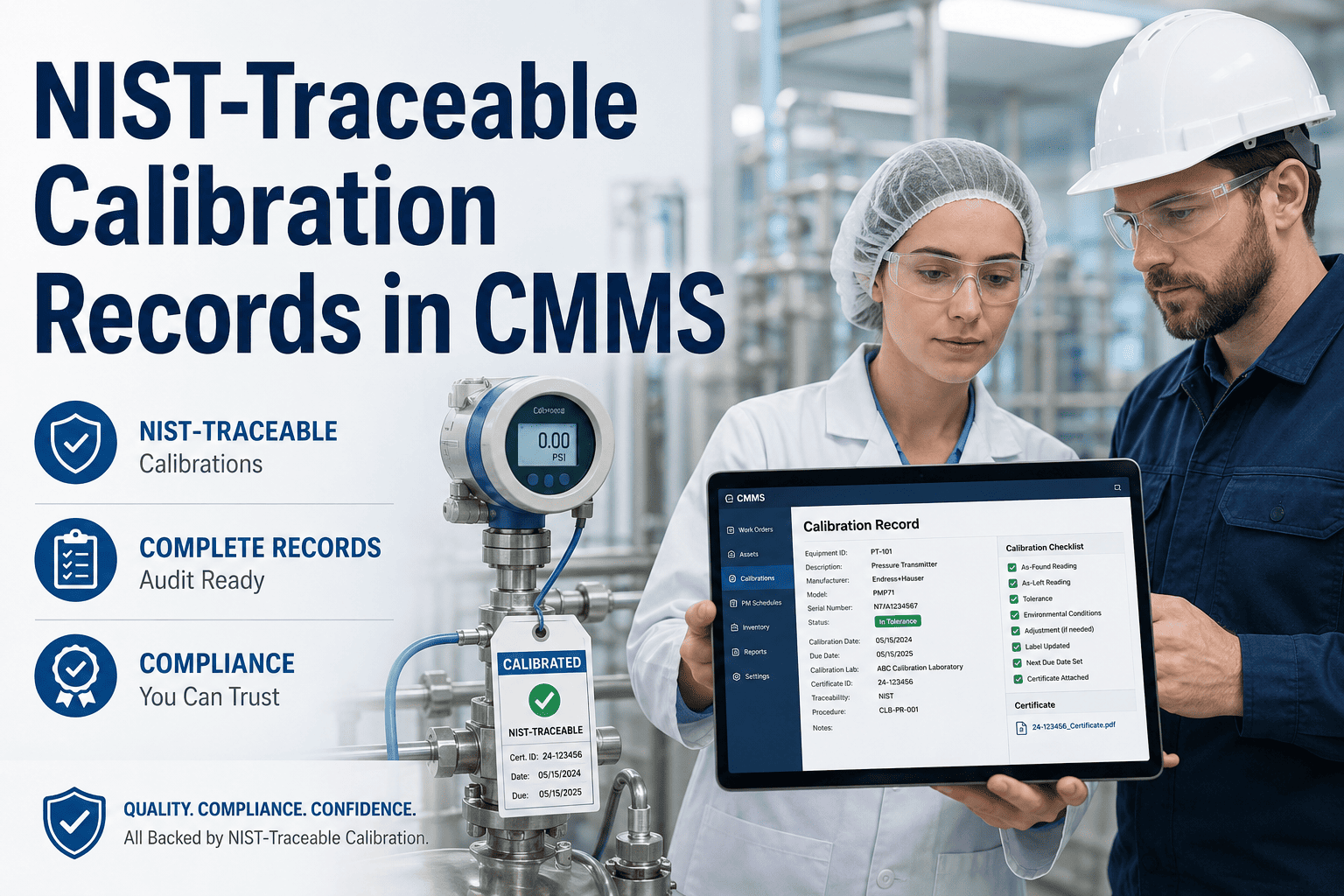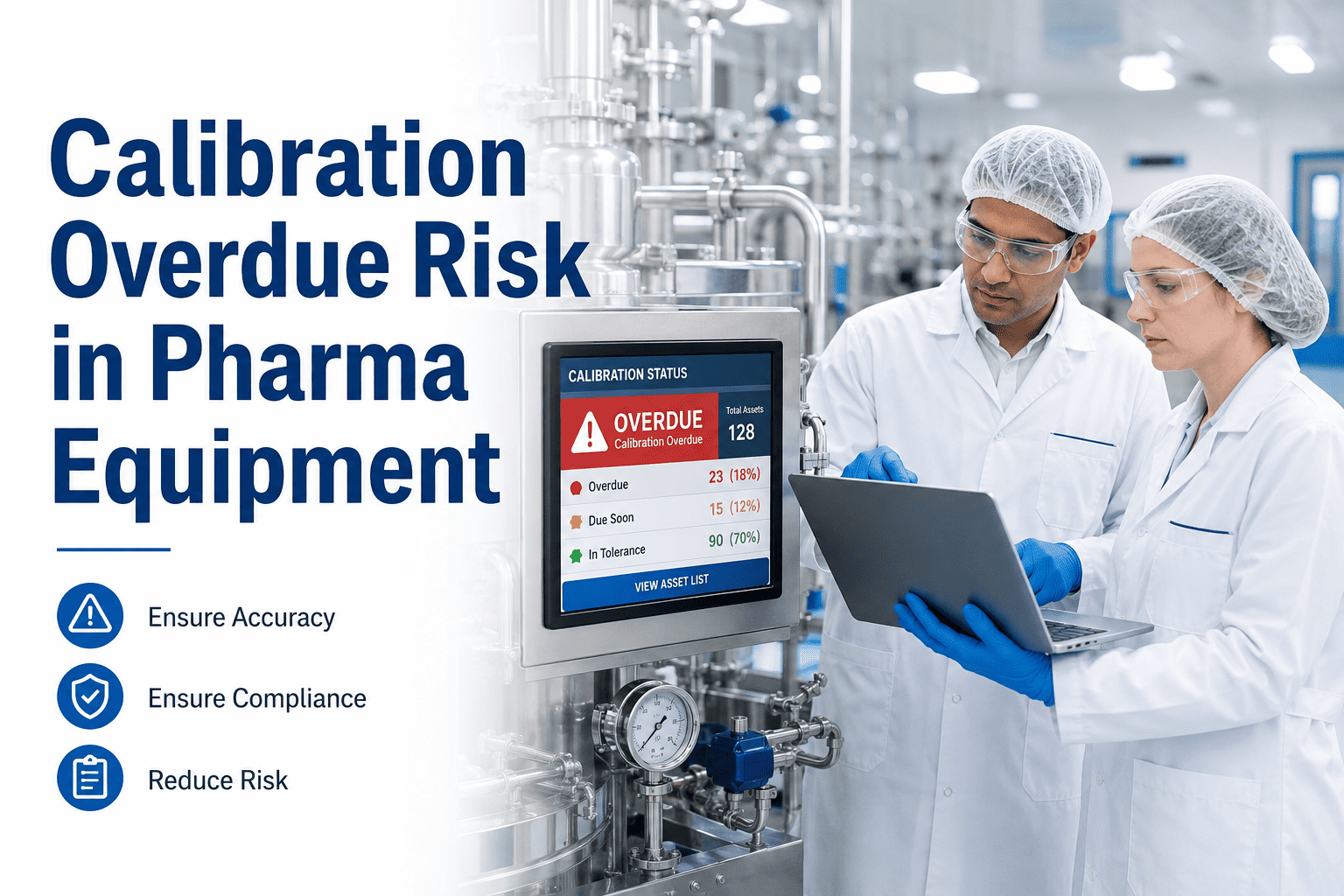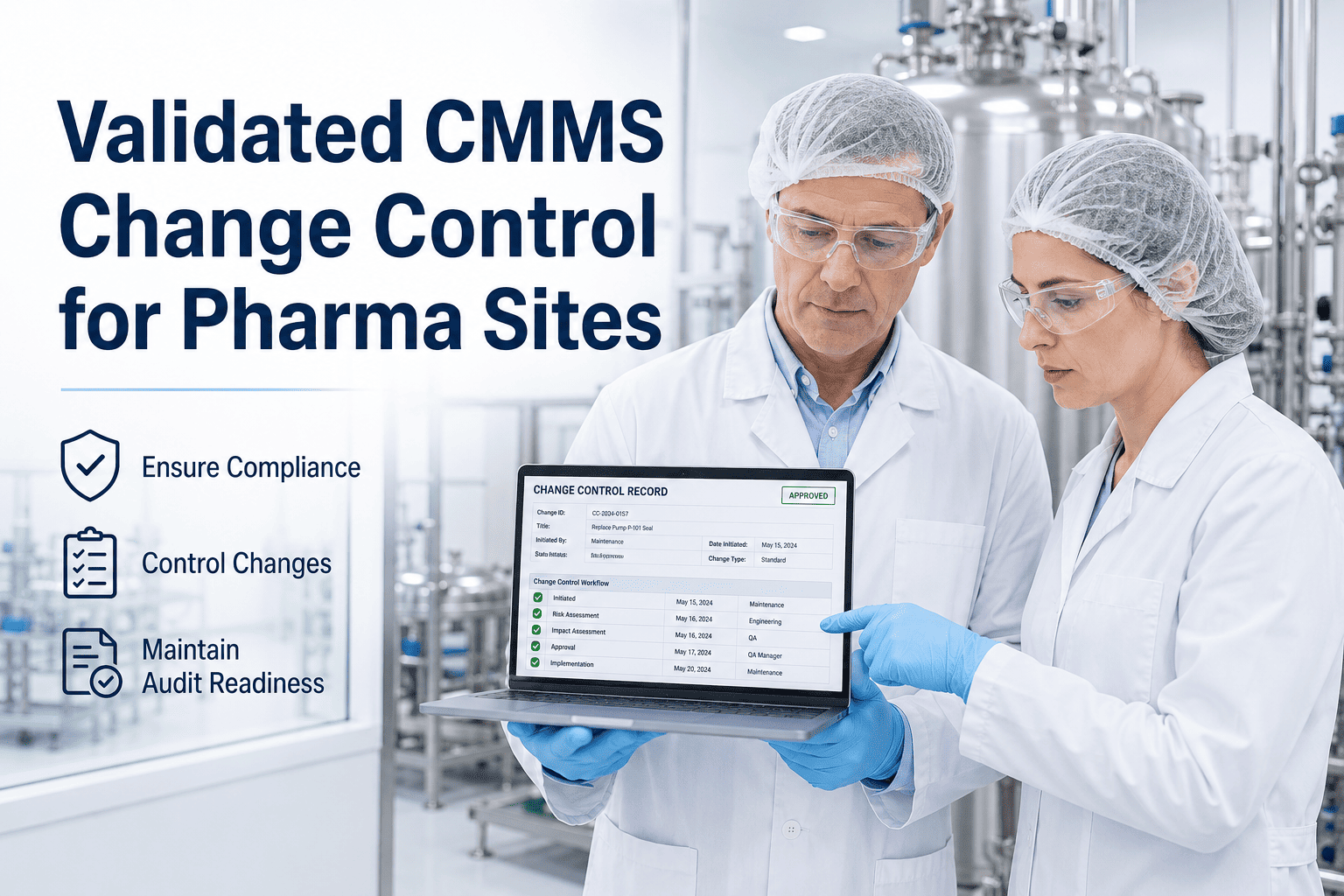
In pharmaceutical manufacturing, a single overdue instrument calibration can halt an entire batch release, trigger a FDA 483 observation, or force a costly investigation that takes weeks to resolve. Under 21 CFR Part 211.68, equipment used in production must be calibrated at suitable intervals — and the burden of proving compliance falls entirely on the facility. Most pharma plants still track calibration status in spreadsheets or basic CMMS modules that show overdue items but do nothing to prevent them from becoming audit findings. OxMaint changes this with a calibration overdue risk dashboard that alerts instrument owners before due dates arrive, links calibration certificates directly to asset records, and escalates overdue work automatically so no instrument slips through the gap between schedule and compliance. Book a demo to see the dashboard built for pharma compliance teams.
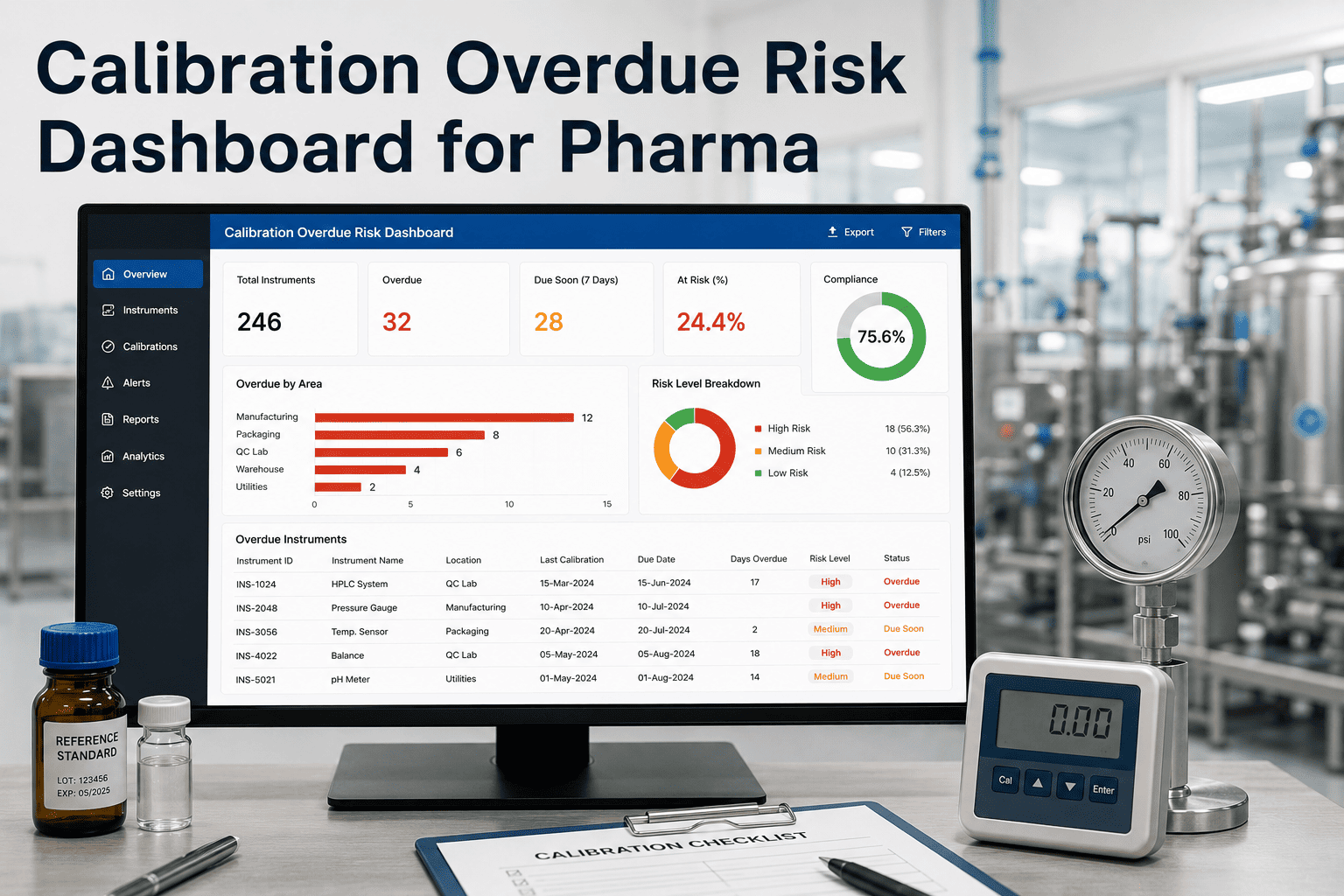
Calibration Overdue Risk Dashboard for Pharma
See every instrument's calibration status, risk tier, and certificate linkage in one view — before an auditor asks.
Why Overdue Calibrations Become Audit Observations
The risk is not just that an instrument is overdue — it is that the facility cannot prove it knew the instrument was overdue and took documented action. FDA investigators do not accept "we were about to calibrate it" as a defense. They want to see: when was it due, who was notified, what escalation occurred, and what interim controls were applied. Without a risk dashboard, that evidence does not exist until after the auditor asks.
What the OxMaint Calibration Risk Dashboard Shows
How the Dashboard Maps to Regulatory Requirements
| 21 CFR 211 Requirement | Compliance Expectation | How OxMaint Delivers Evidence |
|---|---|---|
| 211.68(a) — Calibration of instruments | Calibrated at suitable intervals per written program | Dashboard shows every instrument's calibration interval, last calibration date, and next due date with automated scheduling enforcement. |
| 211.68(b) — Calibration records | Records of calibration maintained and available for review | Calibration certificates, standards used, as-found/as-left data, and technician identity linked directly to the instrument asset record. |
| 211.68(c) — Limits not met | Written procedure for when limits are not met | Out-of-tolerance findings trigger automatic hold flags, impact assessment work orders, and quality notification — all timestamped. |
| 211.194(a) — Laboratory controls | Records include calibration status of instruments used | Batch record support export includes calibration status of every instrument referenced in testing — pulled directly from dashboard data. |
| 211.180(e) — Record retention | Records retained for required period and retrievable | Full calibration history with certificates retained against asset record for the life of the instrument — searchable and exportable on demand. |
How OxMaint Escalates Overdue Calibration Work
What Pharma Quality and Maintenance Leaders Report
Our previous system showed overdue calibrations in a report that someone had to remember to run every Monday. By the time we caught an overdue instrument, it had already been used in production for three days. OxMaint's risk dashboard eliminated that blind spot entirely. Now the escalation happens before the due date, and if something does go overdue, the audit trail shows exactly who was notified and when. Our last FDA inspection had zero calibration findings for the first time in eight years.
Managing 480 calibrated instruments across three buildings with spreadsheets was a compliance disaster waiting to happen. We moved to OxMaint specifically for the risk dashboard and certificate linkage. What I did not expect was how much it improved our technician utilization — the 30-day forecast lets us batch calibrations by area and standard, cutting our average calibration cycle time from 11 days to 4 days. The compliance benefit was the reason we bought it. The operational efficiency was the reason we expanded it.
Frequently Asked Questions
How does OxMaint determine calibration risk tiers for each instrument?
Risk tiers are calculated based on days until calibration due date, instrument criticality classification, GMP impact zone, and historical calibration drift data. These parameters are configurable to match your facility's calibration SOP and risk assessment matrix. Book a demo to configure your risk model.
Can calibration certificates from external labs be linked in OxMaint?
Yes — OxMaint supports certificate upload and linkage for both in-house and third-party calibration providers. Each certificate is tagged to the instrument asset record with as-found and as-left data, standard references, and provider information. Start free to set up your certificate library.
Does the dashboard support out-of-tolerance findings and impact assessments?
When a calibration yields out-of-tolerance results, OxMaint automatically flags the instrument, triggers an impact assessment work order linked to affected batches, and notifies quality assurance — all timestamped for audit evidence. Book a demo to see the OOT workflow.
Is OxMaint validated for pharmaceutical GMP use?
OxMaint provides validation documentation including IQ/OQ protocols, traceability matrices mapped to 21 CFR Part 11 and 211 requirements, and change control documentation. Our implementation team supports your validation effort from planning through execution. Start free to request validation documentation.
Your Next FDA Inspection Will Ask About Calibration Control. Have Your Answer Ready Before They Arrive.
OxMaint gives pharma teams a live calibration risk dashboard with escalation, certificates, and audit trail — so compliance is continuous, not reactive.