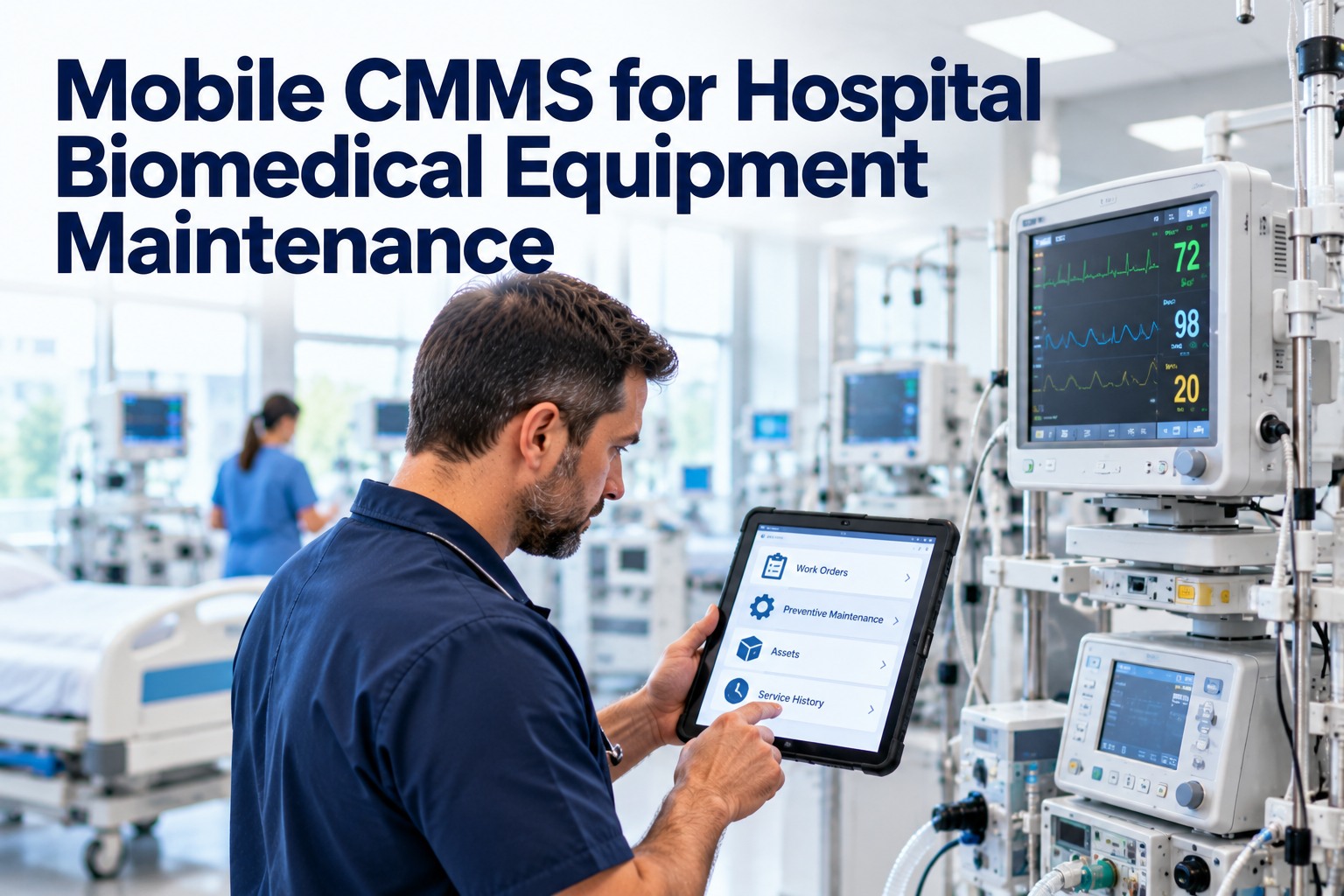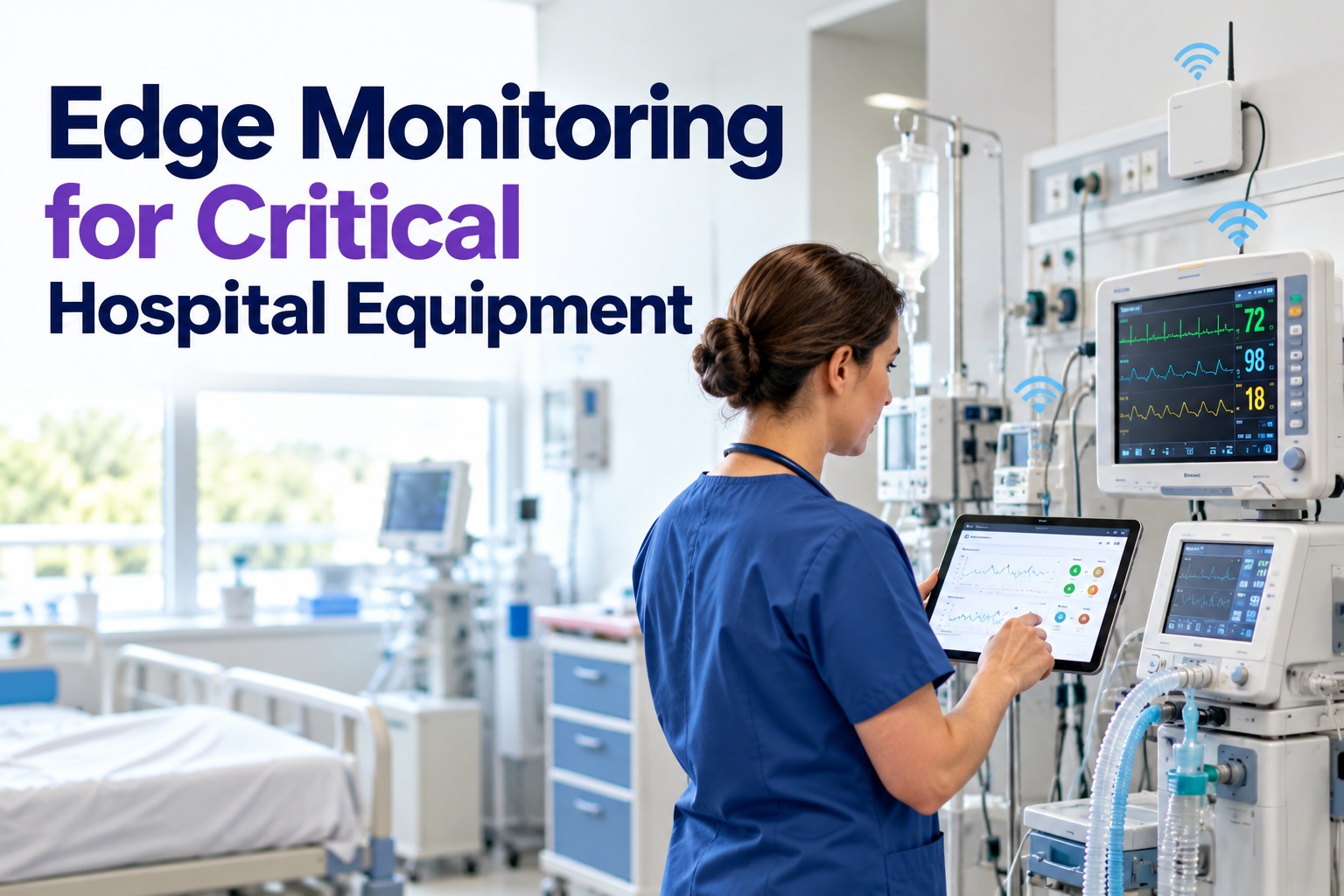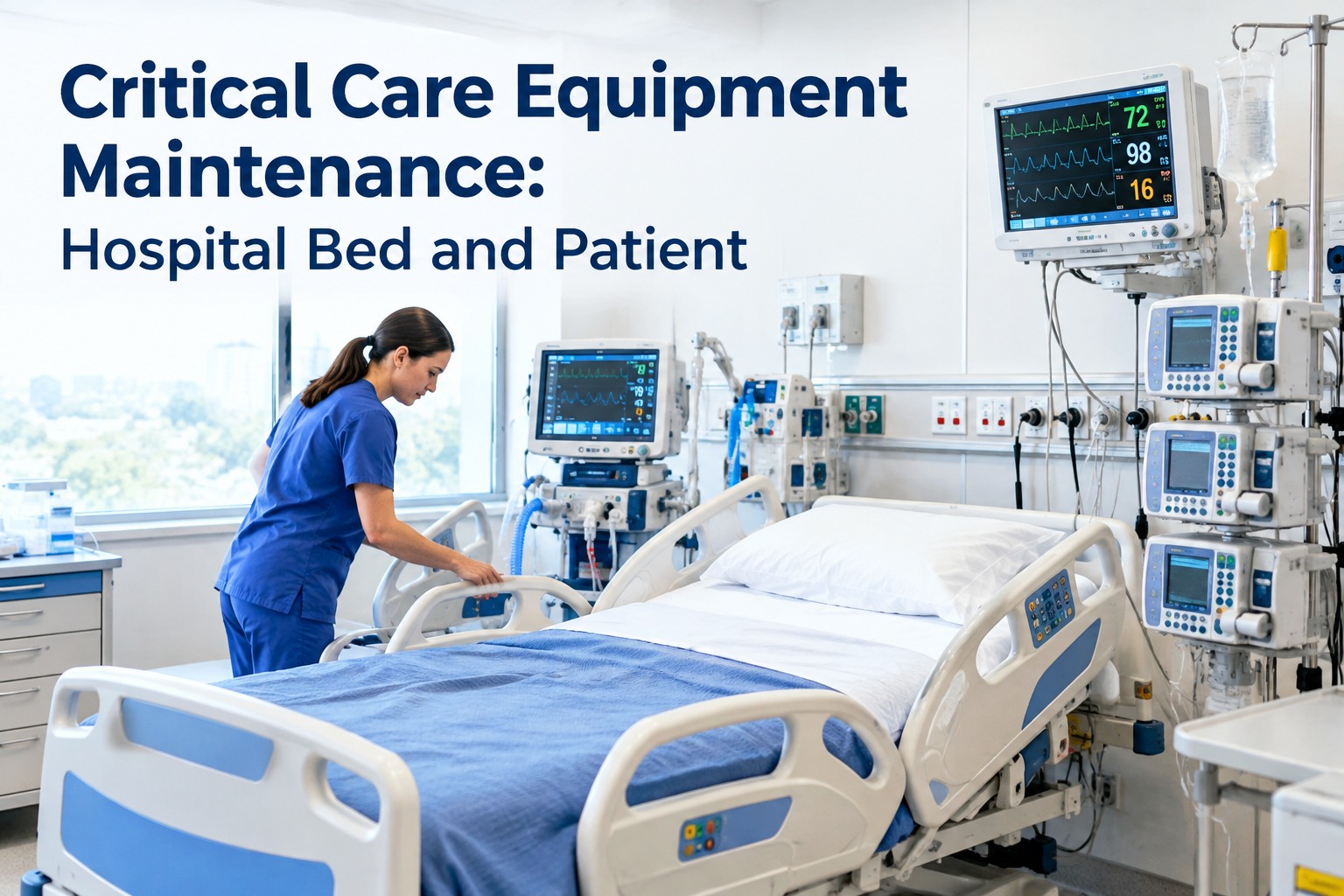
In a hospital intensive care unit, every piece of equipment is keeping someone alive. A ventilator with a missed PM, an infusion pump with an overdue calibration, or a patient monitor with a battery backup that was never tested represents a risk that no clinical team should accept. The challenge is not that ICU teams lack diligence — it is that managing PM schedules, device histories, and biomedical work orders across dozens of critical care assets, in multiple ICU rooms, across multiple units, is operationally unmanageable without a dedicated system. OxMaint gives ICU facilities and biomedical teams the visibility to protect critical care uptime before a device failure becomes a patient safety event.
ICU Equipment Maintenance Software
Ventilators, patient monitors, infusion pumps, beds, and utilities across every ICU room — tracked together in one platform with PM compliance, downtime history, and real-time maintenance alerts for critical care assets.
Critical Care Assets Tracked in OxMaint
Flow sensor calibration, exhalation valve inspection, circuit integrity, battery backup testing, and software/firmware version tracking. Ventilator PM frequency is typically 6-monthly per manufacturer specification, with annual full biomedical inspection. Missed PMs are a critical patient safety risk and a Joint Commission citation category.
Bedside monitors, central station displays, and telemetry systems. Annual electrical safety testing, alarm function verification, SpO2 and NIBP calibration checks, and battery replacement per manufacturer specifications. Monitor network connectivity and alarm transmission reliability are auditable under Joint Commission EC standards.
Smart pump software version tracking, drug library update documentation, occlusion pressure calibration, battery performance testing, and annual electrical safety inspection. FDA recall vulnerability is highest in infusion pumps — OxMaint tracks model and serial number to enable rapid recall identification across the entire ICU.
Powered bed scale calibration, CPR function testing, side rail integrity, mattress replacement schedule, and lift mechanism inspection. ICU bed malfunctions — particularly CPR position failure — are classified as immediately dangerous and require same-day corrective action documentation.
Medical gas outlet function, vacuum outlet performance, nurse call system verification, and room HVAC pressure relationship. Utility failures in ICU rooms affect every patient in that room simultaneously — making utility PM the highest-impact maintenance category in critical care environments.
ICU Equipment Visibility That Protects Critical Care Uptime
OxMaint gives biomedical and facilities teams a shared, real-time view of every ICU asset — PM compliance, open work orders, and downtime history — across all critical care units in your facility.
ICU Equipment PM Frequency Guide
| Device Type | PM Frequency | Critical PM Items | Governing Standard |
|---|---|---|---|
| Mechanical Ventilator | Semi-Annual | Flow sensor, exhalation valve, battery, software version | Manufacturer / TJC EC.02.04.01 |
| Patient Monitor | Annual | Electrical safety, alarm function, SpO2 cal, battery | NFPA 99 / IEC 62353 |
| Infusion Pump | Annual | Drug library, occlusion pressure, electrical safety | FDA / Manufacturer / TJC |
| ICU Bed (powered) | Annual | Scale cal, CPR function, rail integrity, lift mechanism | IEC 60601 / Manufacturer |
| Medical Gas Outlets (per room) | Annual | Flow rate, quick-connect function, labeling | NFPA 99 §5.1.12 |
| Suction / Vacuum Units | Semi-Annual | Suction pressure, overflow protection, filter | Manufacturer / TJC |
What Critical Care and Biomedical Professionals Say
ICU Equipment Maintenance Software — FAQ
Who maintains ICU equipment — biomedical engineering or facilities management?
Most ICU equipment maintenance is split between biomedical engineering, which is responsible for medical devices including ventilators, monitors, pumps, and beds, and facilities management, which is responsible for the room-level utilities — medical gas outlets, vacuum, HVAC, nurse call, and electrical systems. The challenge is that both teams need to work in coordination: a patient in ICU room 12 is affected by both a malfunctioning ventilator and a failed vacuum outlet, but those work orders typically live in two different systems. OxMaint supports both teams in one shared platform with role-based access, so facilities and biomedical always have a complete picture of each room's asset status. Start a free trial to see the ICU room view.
How does OxMaint help with ICU equipment recall management?
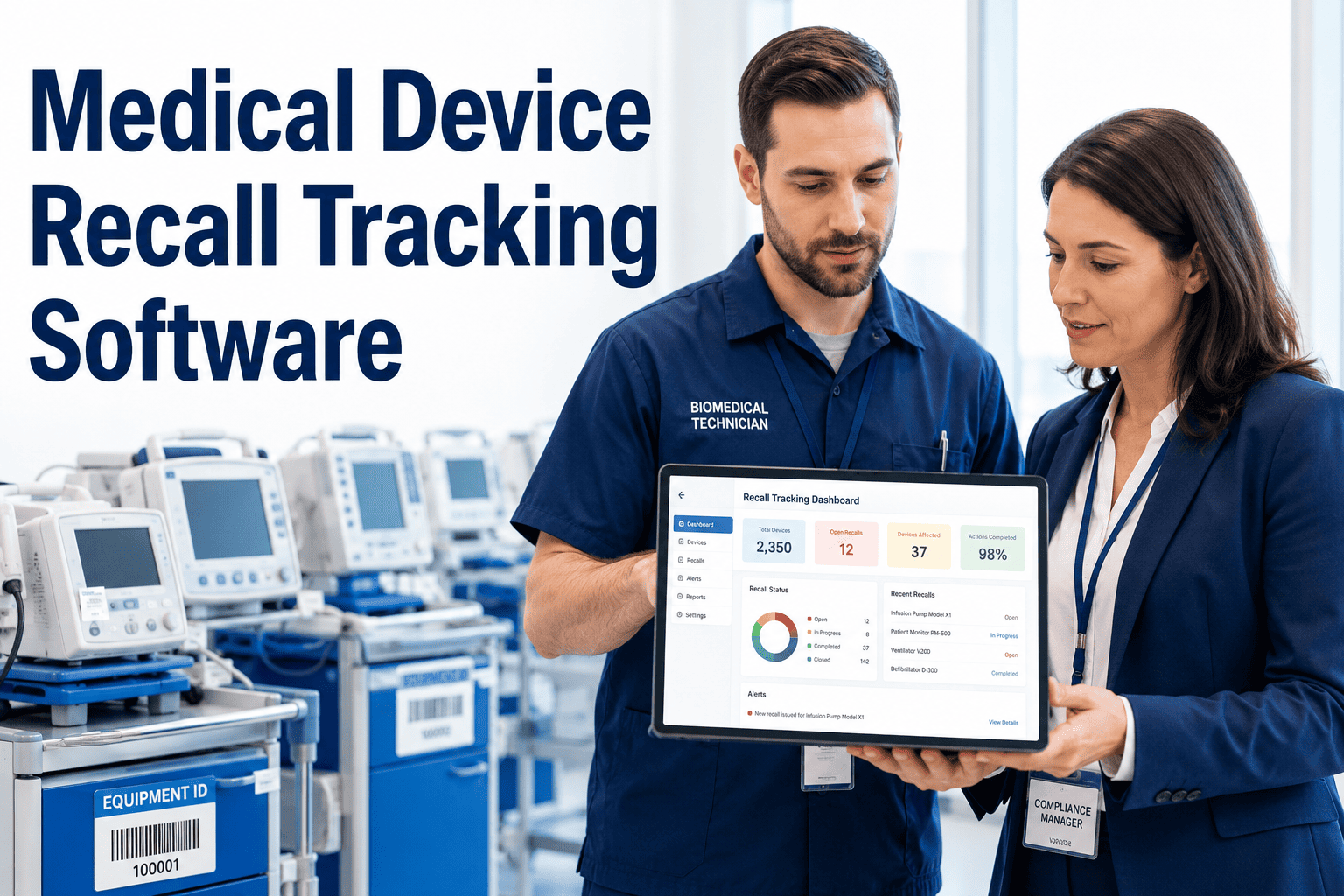
Every device registered in OxMaint includes its model number, serial number, manufacturer, and location. When an FDA medical device recall is issued — which happens frequently for infusion pumps, monitors, and ventilators — your biomedical team can search OxMaint by model number to immediately identify every affected device, its current location, and its responsible owner. This search takes seconds rather than the hours or days required when device information is spread across spreadsheets, paper records, and email chains. Recall response documentation, including the actions taken for each affected device, is recorded in OxMaint and retained in the device history permanently. Book a demo to see the recall search workflow.
What Joint Commission standards apply to ICU equipment maintenance?
The primary standard is EC.02.04.01 — the hospital manages medical equipment risks — which requires a written inventory of medical equipment, defined inspection and testing intervals based on risk and function, a documented PM program, and records of all maintenance and safety testing activities. For ICU equipment specifically, surveyors apply heightened scrutiny because of the life-sustaining nature of the devices. Ventilators, infusion pumps, and patient monitors are frequently selected for record review. The surveyor will typically ask for the PM history of a specific device, the corrective action record for any failures, and the process for how your team manages overdue PMs. A digital system that produces this information on demand is the expected standard at most accreditation bodies today.
ICU Equipment Maintenance That Leaves Nothing Untracked
Ventilators, monitors, pumps, beds, and utilities — every ICU asset with PM schedules, downtime alerts, and Joint Commission-ready records in one mobile-first platform.