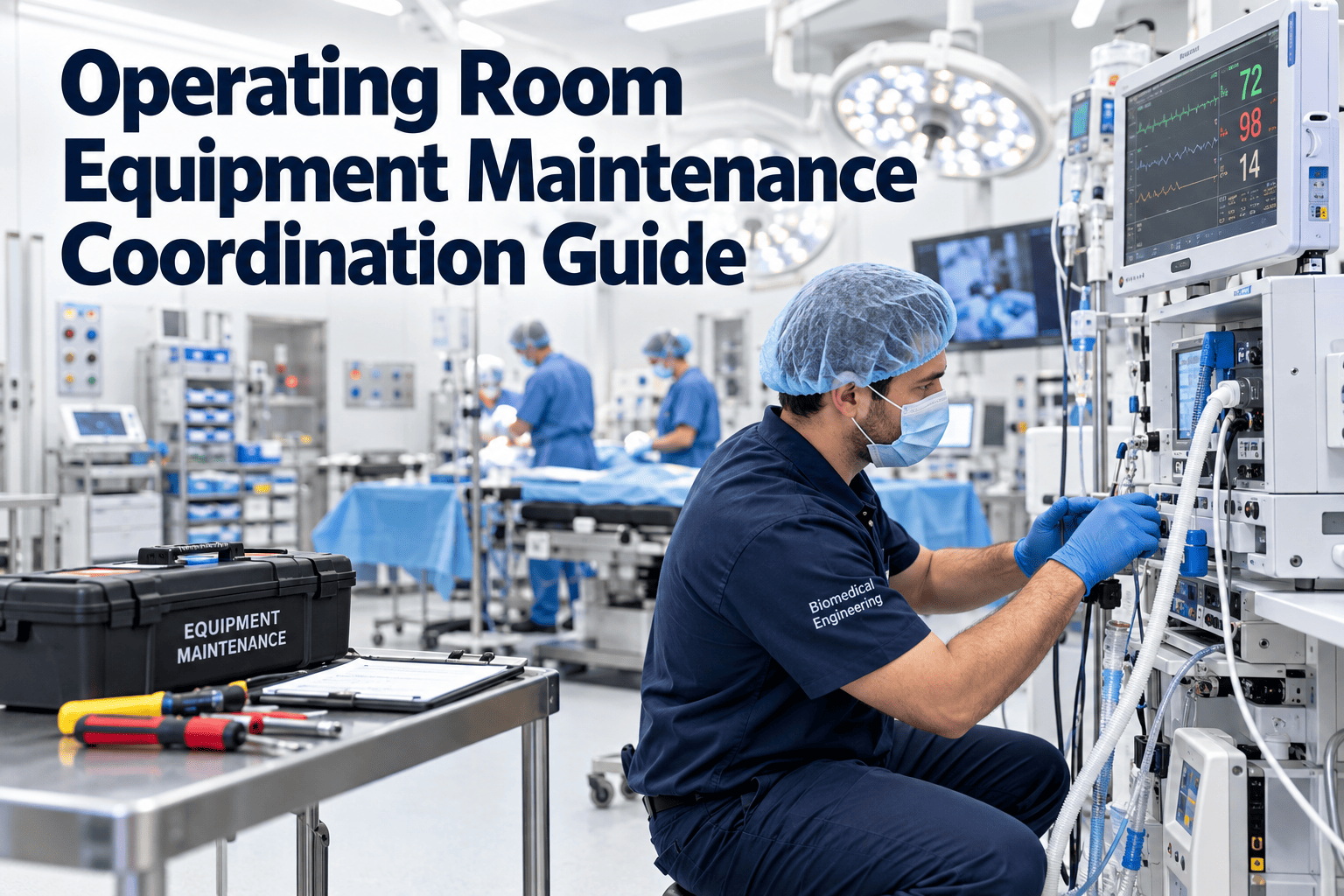
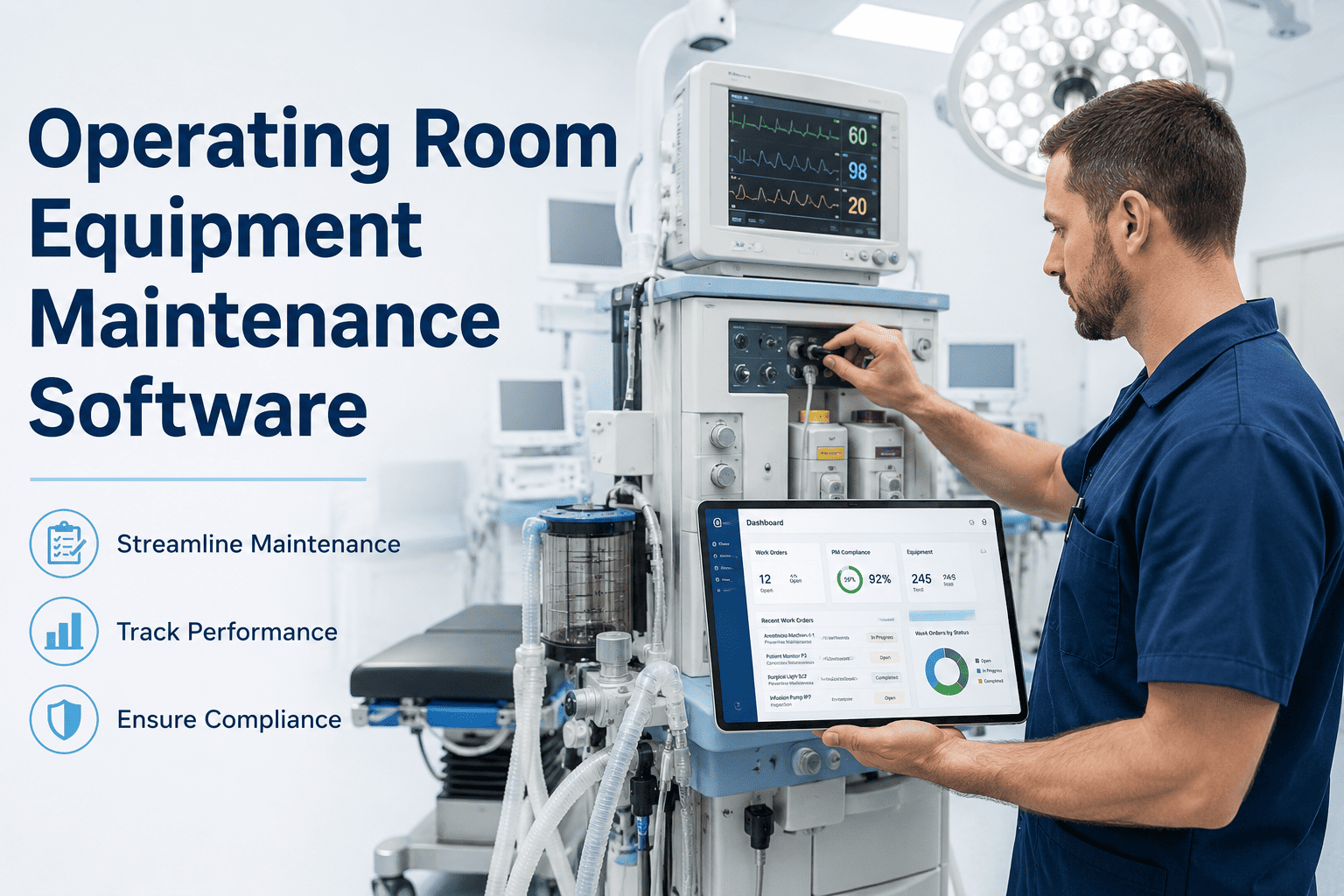
An operating room only earns its keep when it's running a case, and at $36 to $133 a minute, every idle minute is expensive. Yet some of the most predictable causes of OR delay are maintenance-related: an anesthesia machine that wasn't checked, a surgical light that won't hold position, a table missing an accessory, or an air handler that drifted out of pressure overnight. The catch is that the fix — preventive maintenance — can't happen during the day, because the room is booked solid. The answer is a PM calendar that's aware of the surgical schedule, slotting maintenance into the windows the room is dark and verifying every asset is ready before the first case. This guide shows how to coordinate that with OxMaint's preventive maintenance module, or book a demo to see it built around your block schedule.
Clinical Workflow / Preventive Maintenance
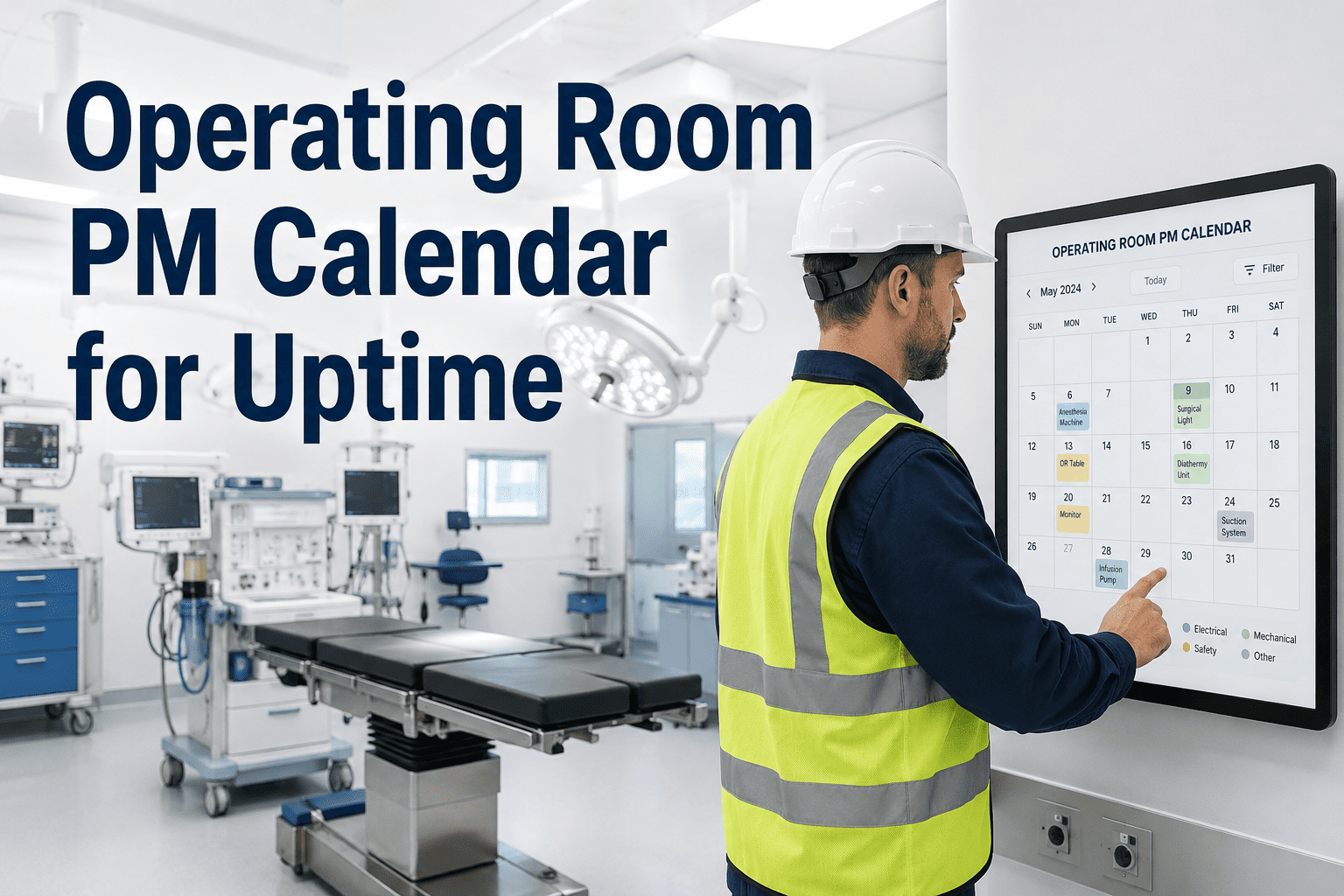
Operating Room PM Calendar for Uptime
Coordinate PM calendars around OR schedules and asset availability — so equipment, HVAC, lights, and tables are always ready before cases, and maintenance never bumps a booking.
$36–$133
Estimated cost per operating-room minute
$390K
Annual loss at one health system from first-case late starts
+14%
Complication risk for every extra 30 minutes in the OR
7.6 min
Delay caused by a single dropped surgical instrument
Where OR delays actually come from
Late starts and cancellations rarely trace to the surgery itself — they trace to something in the room that wasn't ready. These are the maintenance-side culprits a PM calendar exists to prevent.
Equipment not checked or calibrated
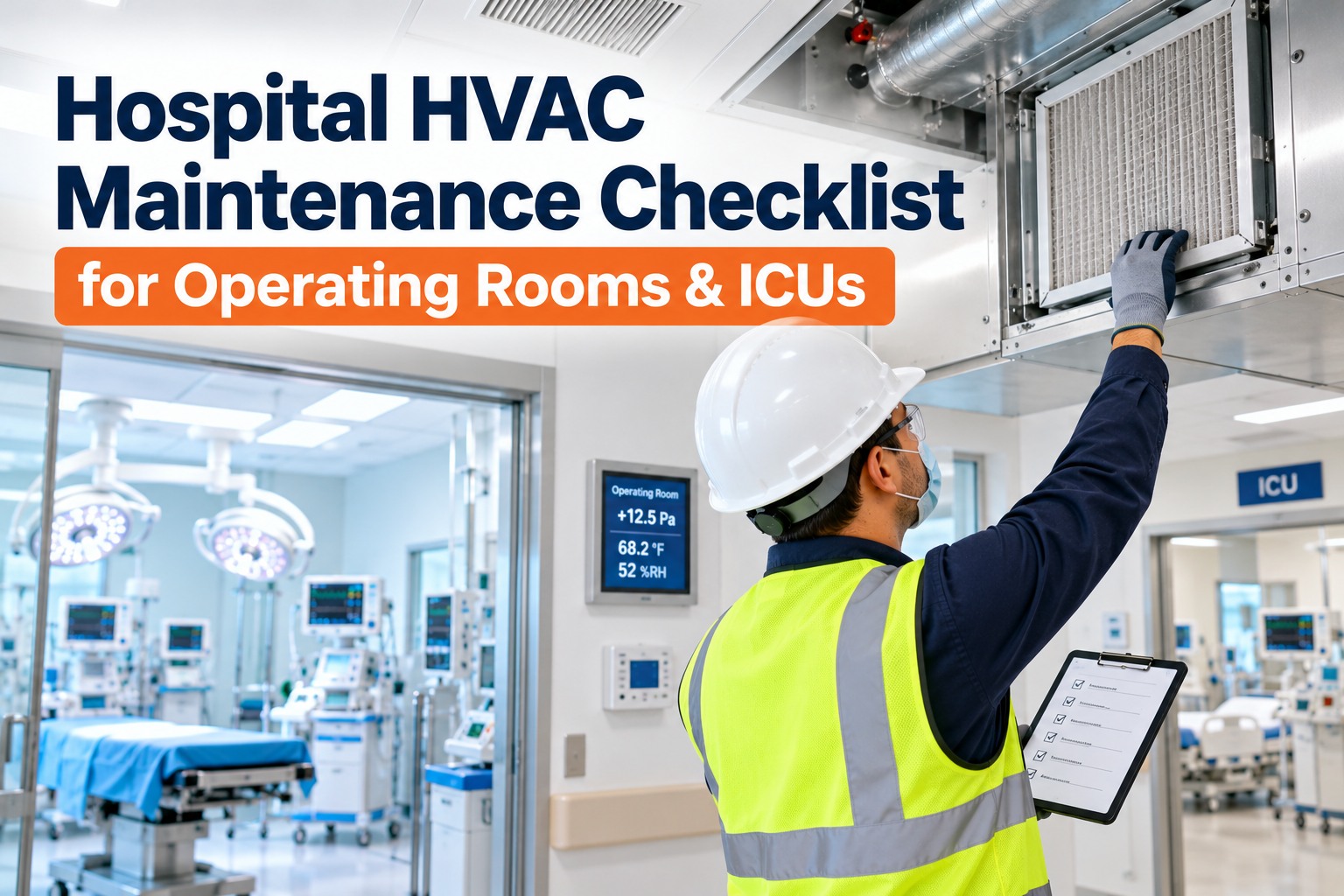
HVAC pressure or airflow drifted
Surgical lights or booms faulty
OR table or accessories missing
Energy device not tested
An OR-aware PM calendar
The core idea is simple: maintenance lands in the windows the room is dark, never in booked block time. Here's a typical surgical week with PM slotted into the gaps.
Sat
Dark day — deep PM & validations
Sun
Off — planned downtime
Booked surgical blocksPM window
Stop maintenance from bumping cases
OxMaint schedules PM into your dark windows and respects shared-asset availability — never booked time.
When PM should happen
Not all maintenance needs the room down. Matching each task to the right window is what keeps the calendar full of cases instead of conflicts.
Between cases
Fast visual checks during turnover — lights, table locks, suction — with no tools-down time lost.
End of day
Light tasks and resets after the last case, before the room goes dark for the night.
Dark days
Deep service, validations, and ACH verification on days the room isn't booked.
Off-hours
Air-handler work and anything that needs the room out of service runs nights and weekends.
Pre-case readiness check
Before the first patient, every critical asset gets a fast readiness verification — so a gap is caught while there's still time to fix or swap, not with a surgeon waiting.
Anesthesia machine
Checked, calibrated, gas and circuits verified
Surgical lights & booms
Functional, holding position, bulbs intact
OR table
Moves, locks, and accessories present
Energy devices
Tested, settings and grounding verified
HVAC
Positive pressure, temperature and humidity in band
Integration displays
Powered, feeds live, recording ready
Expert Review
"In perioperative operations you learn fast that the schedule is sacred — pull a room for maintenance during a block and you've just turned a routine PM into a five-figure problem. The teams that run high uptime treat the maintenance calendar and the surgical calendar as one system: quick readiness checks happen at turnover, anything that takes the room down gets pushed to a dark day or the weekend, and shared equipment is never grabbed for service while its room is live. The other half is the pre-case check. Ninety seconds confirming the table, the lights, and the pressure before the first patient prevents the kind of mid-morning surprise that scratches a case and cascades through the whole day."
Reviewed by an OR operations lead, 15+ years in perioperative services and surgical-suite readiness.
See the OR workflow in action
Walk through PM scheduled around your block calendar, with pre-case readiness checks on every OR asset.
Frequently asked questions
Why does OR maintenance need its own calendar?
Because an operating room is booked solid during the day, and PM done in block time is lost case time at $36 to $133 a minute. An OR-aware PM calendar schedules maintenance into the windows the room is dark — evenings, weekends, and planned downtime — so equipment stays serviced without ever bumping a case. Coordinate it in
OxMaint.
When should PM on OR equipment actually happen?
In the gaps, not the blocks. Quick visual checks fit into turnover between cases; light tasks go at end of day; deep service, air-handler work, and validations belong on scheduled dark days or weekends when the room is down. The principle is simple — anything that takes the room out of service runs when no case is booked.
Book a demo to see the scheduling.
What equipment has to be verified ready before the first case?
At minimum, the anesthesia machine checked and calibrated, surgical lights and booms working and positioned, the OR table moving and locking with its accessories, energy devices tested, and the HVAC holding positive pressure with temperature and humidity in band. A pre-case readiness check confirms each before the first patient arrives. Build that check in
OxMaint.
How expensive is an OR delay?
Estimates of OR time run from roughly $15 to over $130 per minute, with a frequently cited average around $36 to $62 and high-complexity cases topping $133. One health system traced nearly $390,000 in annual losses to first-case late starts alone. A ten-minute equipment delay isn't an inconvenience — it's a measurable financial event.
Book a demo to protect uptime.
How do you keep PM from colliding with booked cases?
By making the PM calendar aware of the block schedule, so a task on a room or a shared asset can't be scheduled into booked time. When the surgical calendar changes, the maintenance windows shift with it, and shared equipment is only pulled when its room is dark. That coordination between the two calendars is the whole point. See it in
OxMaint.
What's the difference between turnover checks and scheduled PM?
Turnover checks are fast, tools-stay-in-the-room verifications between cases — lights work, table locks, suction holds — meant to catch a problem before the next patient. Scheduled PM is the deeper, time-based service that needs the room out of use. Both belong on the calendar, but only one can happen mid-day without costing case time. Track both in
a quick demo.
How does pre-case readiness reduce cancellations?
Most costly delays trace to something not ready — a miscalibrated machine, a missing table accessory, an HVAC pressure that drifted overnight. A standardized pre-case readiness check surfaces those gaps before the room is needed, when there's still time to fix or swap, rather than discovering them with a patient waiting. Fewer surprises means fewer scratched or delayed cases.
Try readiness checks free.
How does OxMaint coordinate PM with the OR schedule?
OxMaint schedules recurring PM into the room's non-booked windows, runs pre-case readiness checks on OR equipment, and alerts when an asset is due so it can be serviced before it affects a case. Maintenance windows respect the block calendar and shared-asset availability, and every task is documented for survey. Run it on your suite with a
free trial.
Keep every room case-ready
Slot PM into the dark windows, verify readiness before each case, and protect the most valuable minutes in the hospital.