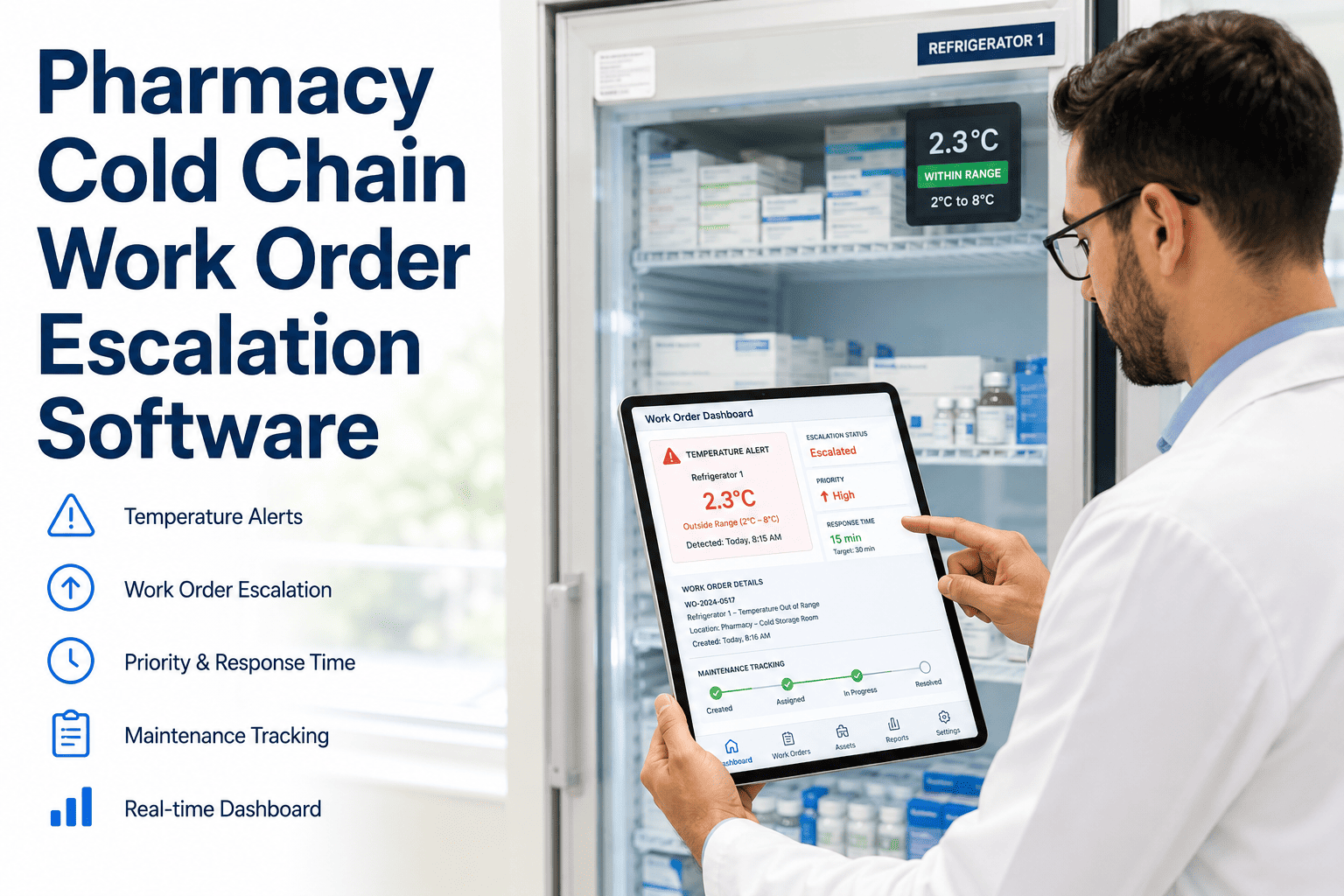
A pharmacy cold room door seal rarely fails all at once. It hardens slightly, loses a little flexibility, develops a hairline crack near a hinge — and keeps looking fine to a passing glance for weeks while warm air quietly leaks in and the compressor works harder to compensate. By the time frost builds up around the frame or energy bills spike, the seal has likely already been compromised long enough to put temperature-sensitive stock at risk. A simple, repeatable door seal inspection checklist catches this early, before it becomes a failed inspection or a spoiled batch of medication. Sign up for Oxmaint to turn this checklist into a scheduled, trackable inspection task, or book a demo to see digital checklist execution on your pharmacy's actual cold room.
Pharmacy Cold Room Door Seal Inspection — The Complete Checklist
Use this checklist weekly, or assign it inside Oxmaint as a recurring inspection task routed to a technician. Each item targets one of the visible early warning signs that a door seal is failing before it causes a temperature excursion.
Turn This Paper Checklist Into a Scheduled Digital Inspection Task
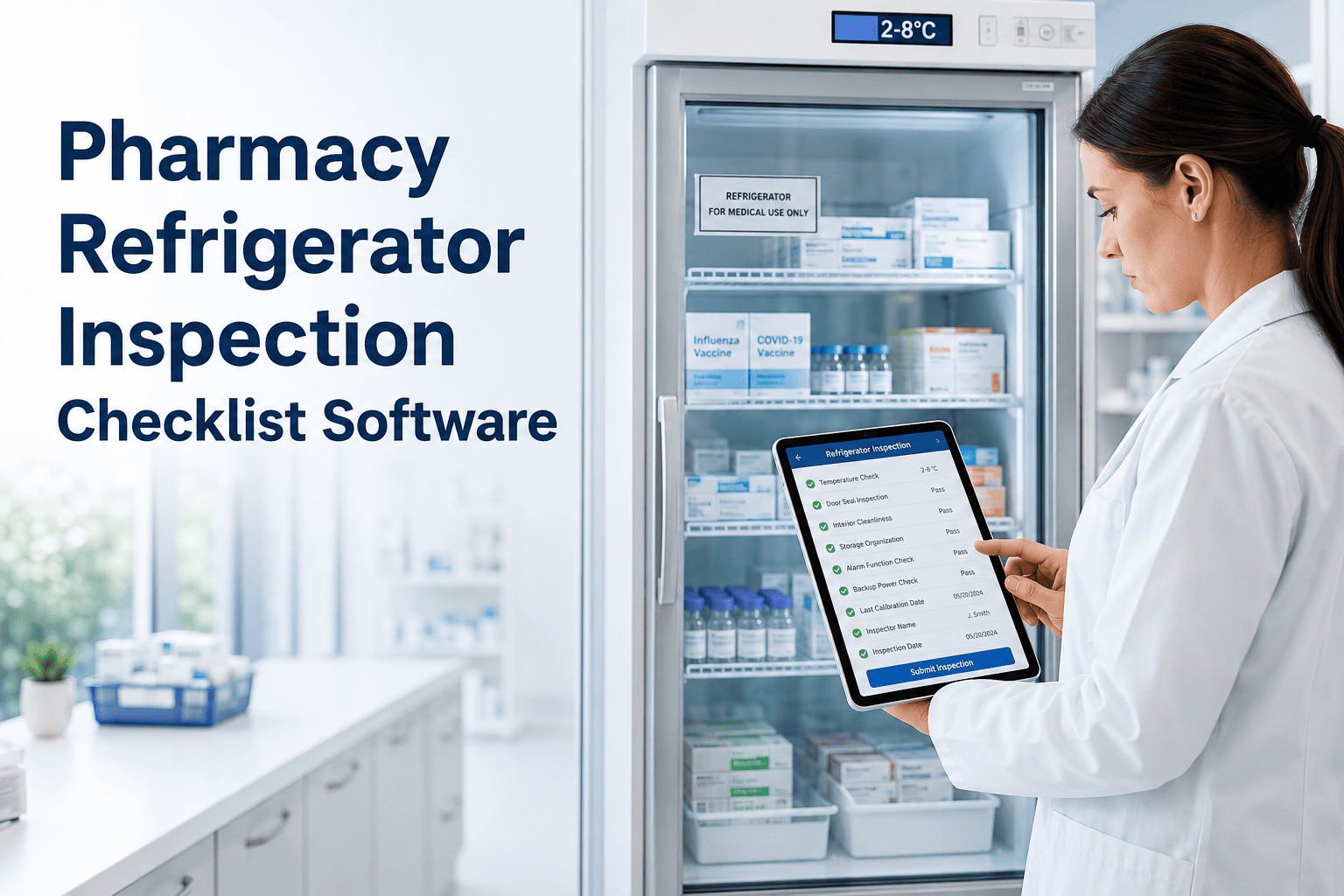
Oxmaint converts this checklist into a recurring inspection assigned to a technician, with photo evidence, pass or fail status, and follow-up work orders generated automatically when a seal fails any item.
What a Failing Seal Actually Costs a Pharmacy
How Often Each Cold Room Check Should Happen
| Inspection Item | Recommended Frequency | Who Performs It |
|---|---|---|
| Visual seal and crack check | Weekly | Pharmacy staff or technician |
| Paper slip test | Monthly | Maintenance technician |
| Frost and condensation check | Weekly | Pharmacy staff |
| Full gasket replacement review | Annually, or on failure | Certified technician |
Reviewed by Oxmaint's healthcare facilities engineering team, who design pharmacy cold chain inspection checklists alongside hospital pharmacy and compliance teams preparing for USP 800 and state board audits.
Cold Room Door Seal Inspection — Common Questions
A seal that passes the paper slip test at most points but shows a small section of wear can often be spot-repaired, while a gasket that is brittle, cracked along multiple sections, or moldy should be fully replaced. Book a demo to see how Oxmaint tracks seal condition over time per unit.
Under USP 800, repairs that could affect temperature performance — including gasket repair — typically require a documented temperature mapping check and pharmacist sign-off before the unit returns to active storage use. Sign up to set up condition-triggered requalification work orders automatically.
Yes. Inside Oxmaint, this checklist can be assigned on a recurring schedule and rotated across pharmacy staff or technicians, with completion history and pass or fail results stored against the asset record. Book a demo to see rotation and assignment options.
A failed seal check should generate an immediate work order for repair or replacement and trigger more frequent temperature monitoring on that unit until the seal is fixed and verified. Sign up to configure automatic escalation on failed checklist items.
A Five-Minute Weekly Check Is Cheaper Than a Spoiled Batch of Medication
Oxmaint turns this checklist into a recurring digital inspection task with photo proof, pass or fail tracking, and automatic follow-up work orders for failed seals.