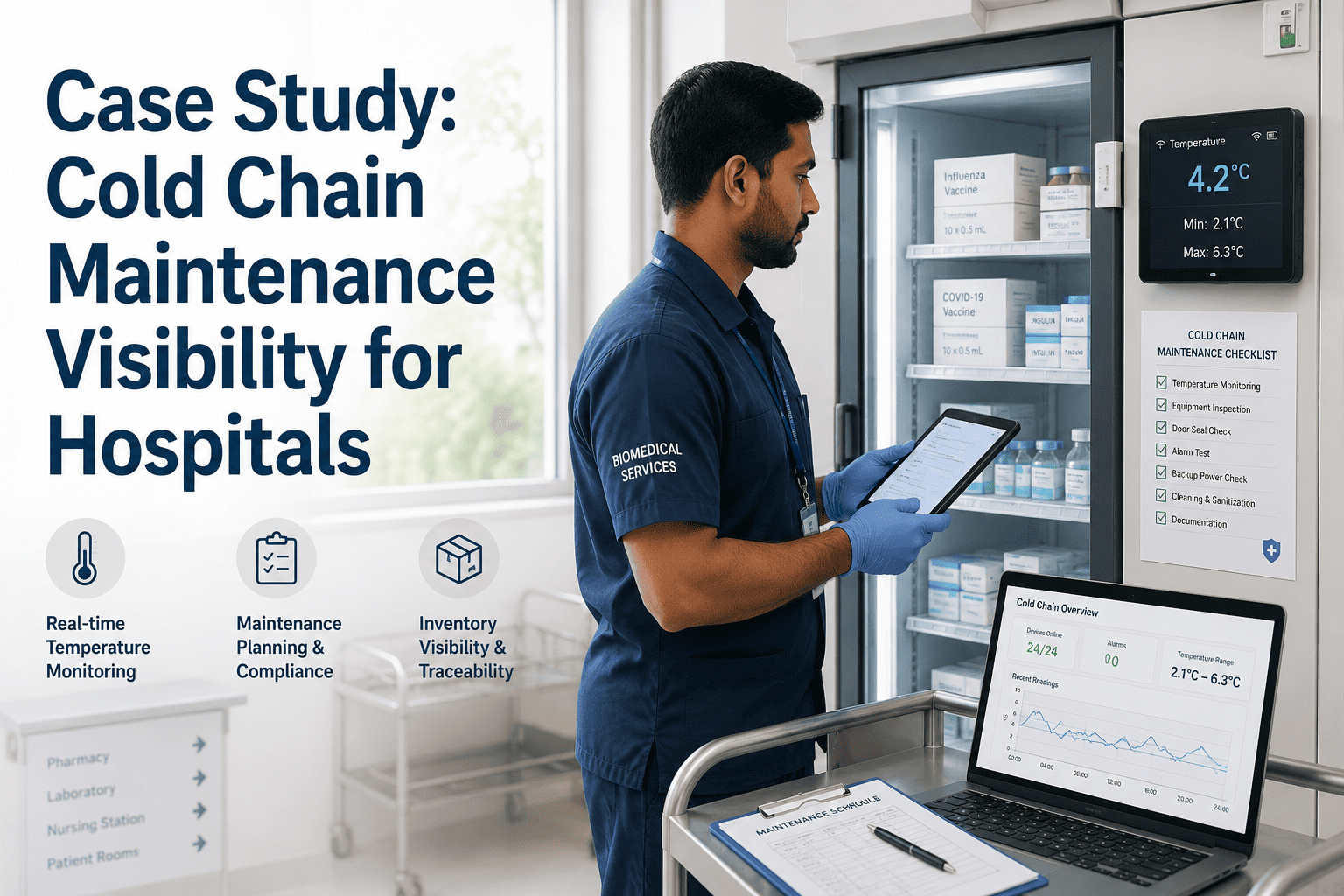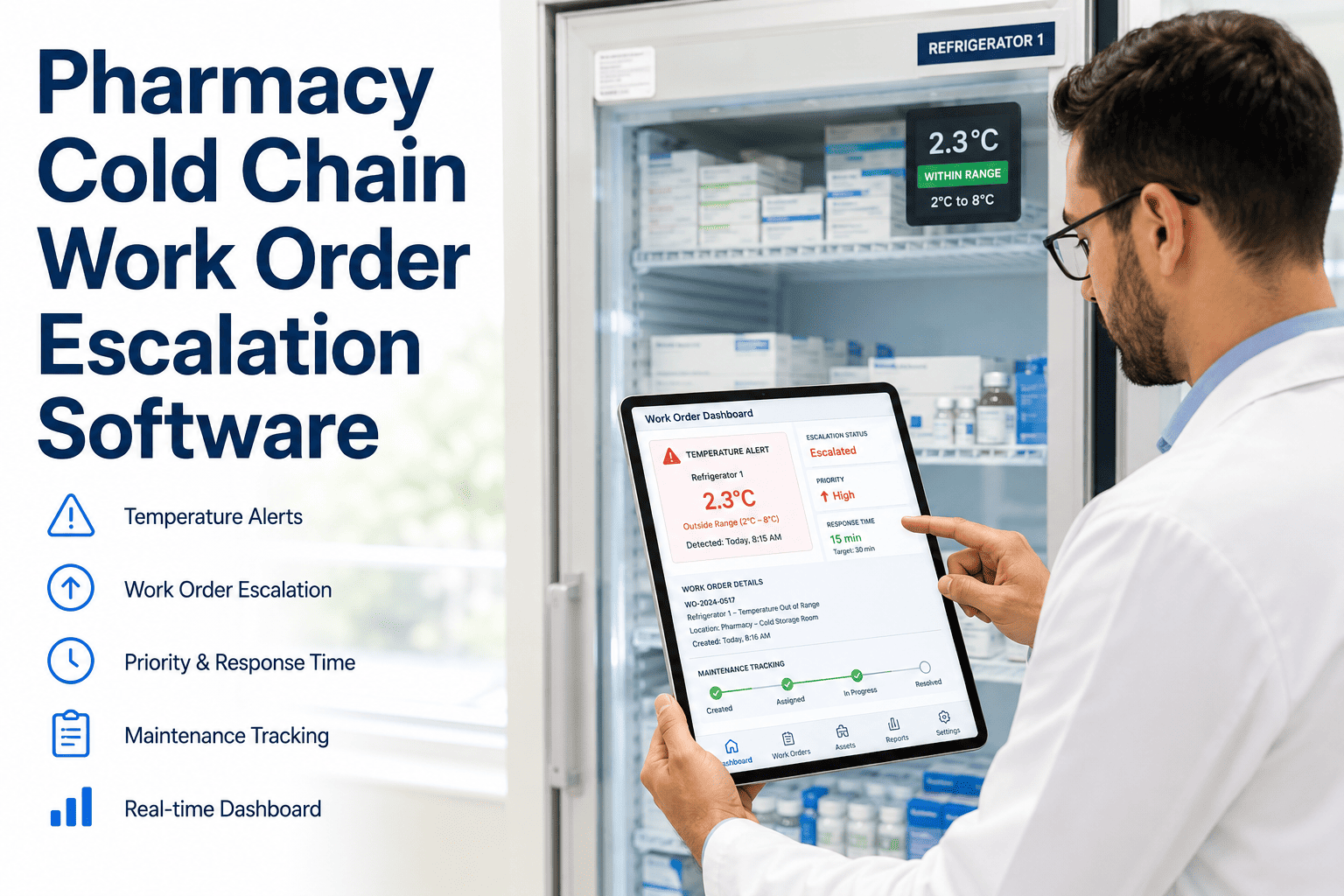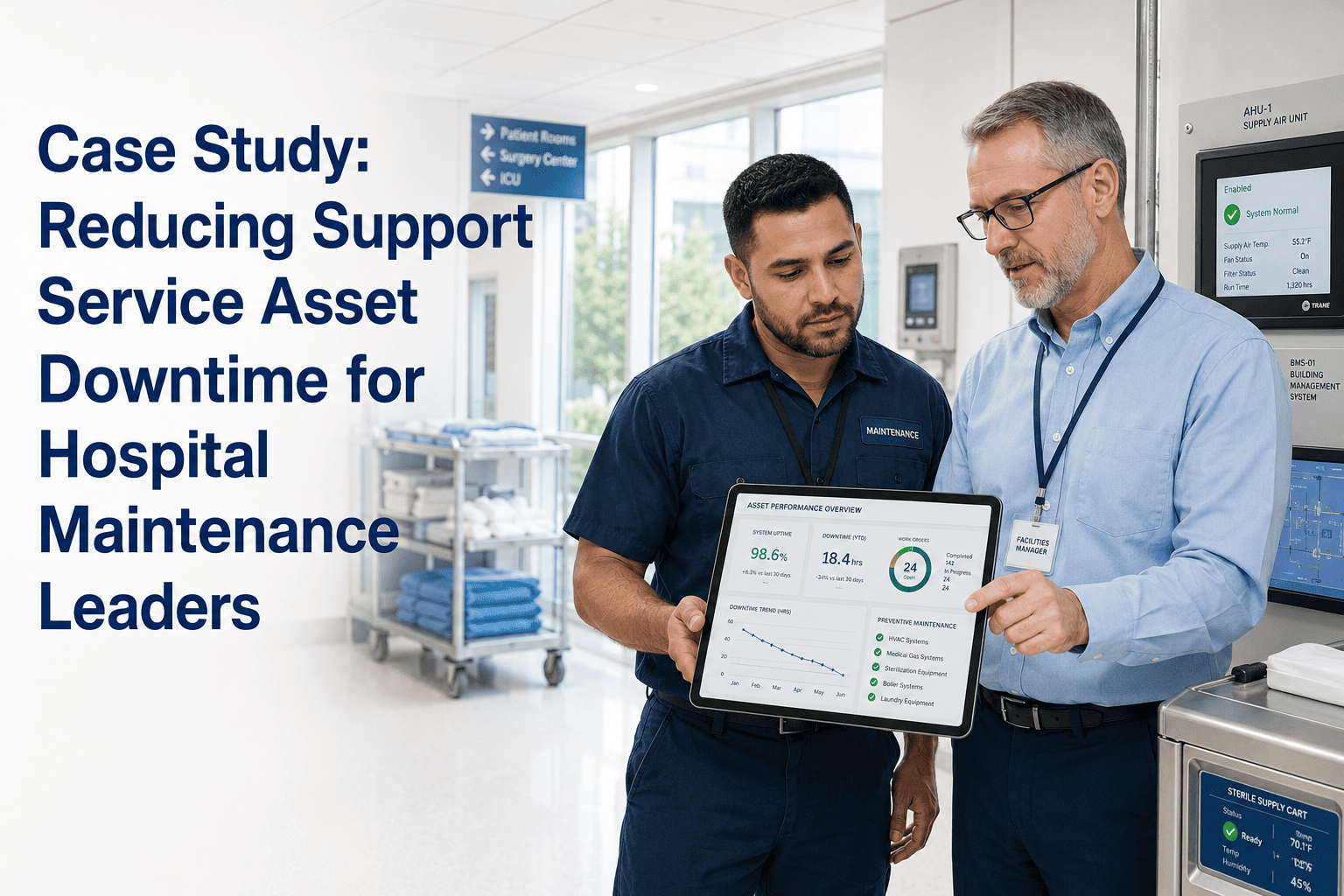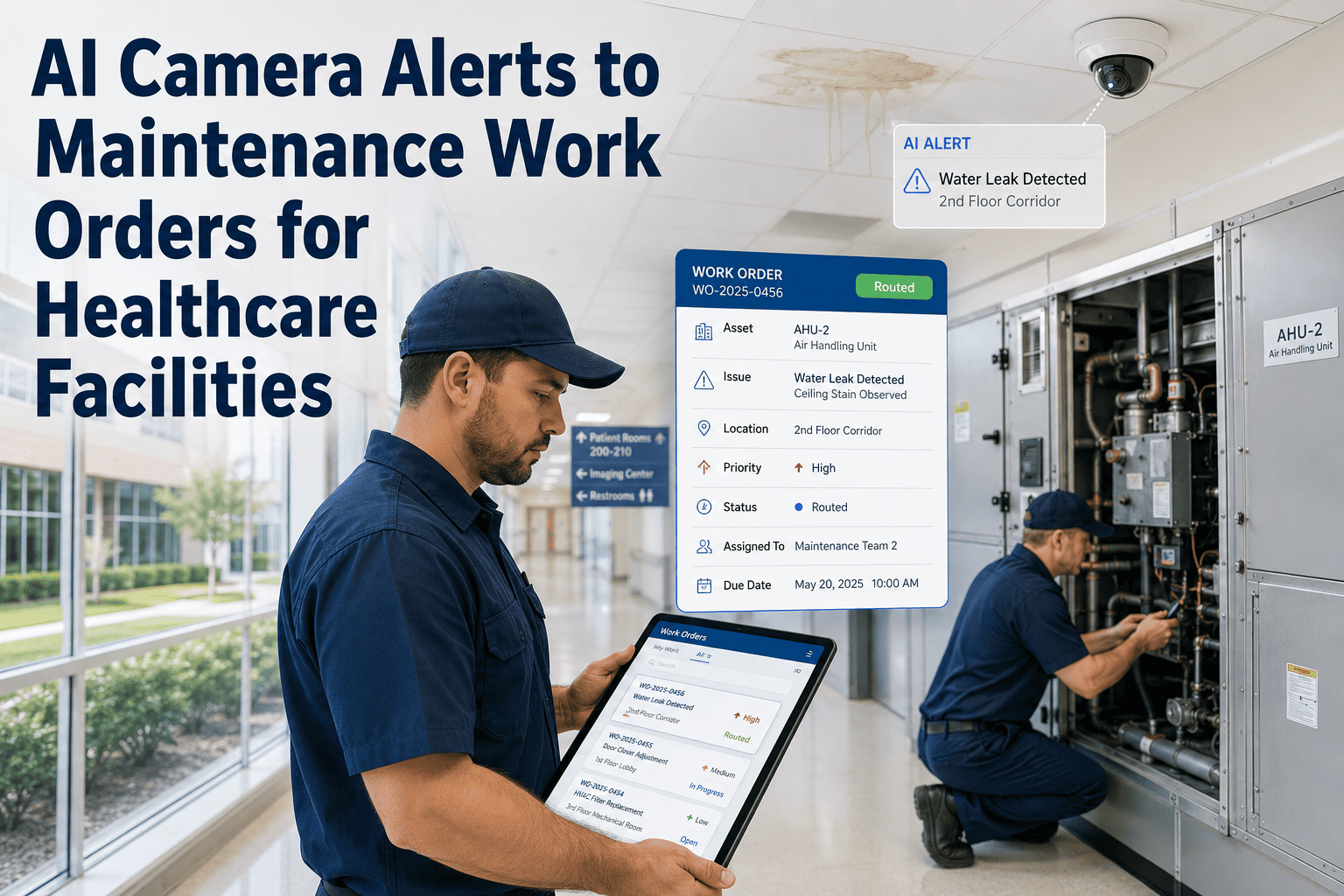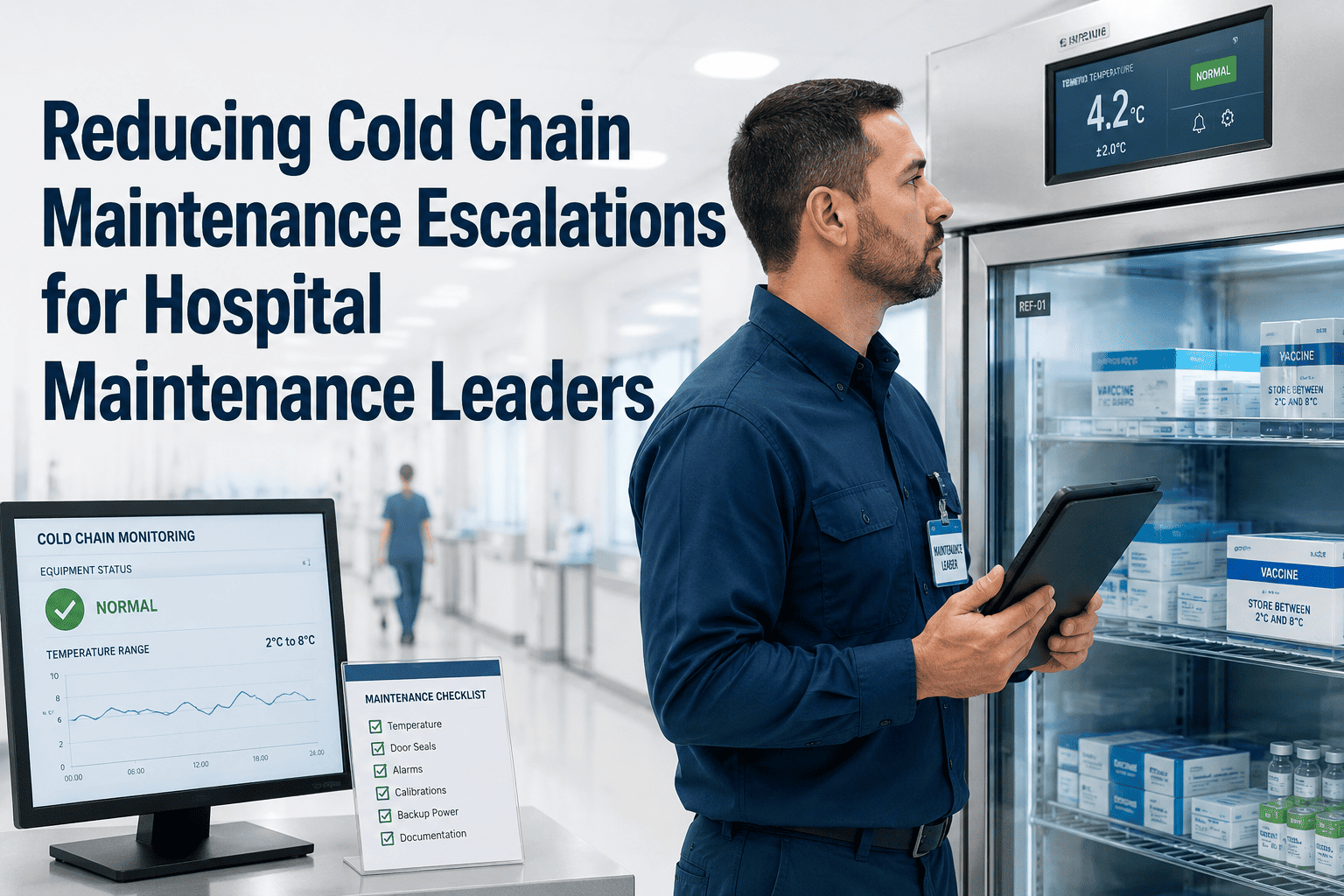
A 340-bed regional hospital was averaging eleven cold chain escalations a month across its pharmacy, lab, and blood bank units — each one a 2 a.m. phone call, a scramble to find an on-call technician, and a department head asking why nobody caught the drift sooner. The facilities team wasn't short on effort. They were short on visibility: temperature alerts landed in a shared inbox, work orders were assigned by whoever picked up the phone first, and nobody could see which units were trending toward failure until they already had. This case study walks through what changed after the hospital moved cold chain maintenance onto a structured CMMS workflow. Sign up for Oxmaint to start tracking your own escalation pattern, or book a demo to see this workflow built around your facility's units.
Where the Escalation Problem Was Actually Coming From
The Pattern Behind Most Hospital Cold Chain Escalations
Most escalations don't come from random bad luck. They come from a small set of units that fail repeatedly because nobody has visibility into which ones are trending toward trouble.
Three Changes That Drove the Reduction in Escalations
90-Day Results Across the Cold Chain Maintenance Program
| Metric | Before | After 90 Days | Change |
|---|---|---|---|
| Monthly cold chain escalations | 11 | 4 | Down 64% |
| Average response time | 3.4 hours | 42 minutes | Down 79% |
| Repeat failures on same unit | 38% | 9% | Down 29 points |
| Audit prep time before survey | 3 to 4 staff days | Under 1 staff day | Down sharply |
Reviewed by Oxmaint's healthcare facilities engineering team, who design cold chain escalation workflows alongside hospital facilities and pharmacy leadership to reduce repeat failures and shorten audit preparation time.
Questions About Reducing Cold Chain Escalations
Most facilities see measurable improvement in routing speed within the first few weeks, with the larger reduction in repeat failures and escalation volume building over the first 60 to 90 days as risk patterns become visible. Book a demo to see a realistic timeline for your facility.
A repeat failure is a unit that breaches its safe range more than once within a short window, usually signaling an unresolved root cause rather than a one-time event. These units drive a disproportionate share of total escalations until addressed directly. Sign up to start flagging repeat-failure units automatically.
No. The improvement comes mainly from routing and prioritization, not headcount — the same team responds faster and more accurately because they know which unit needs attention first instead of triaging alerts manually. Book a demo to see how routing logic works with your current staffing.
With a full digital trail of excursions, responses, and resolutions stored automatically, audit prep shifts from compiling scattered paper logs to simply exporting an existing report. Sign up to start building this audit trail before your next survey.
Your Cold Chain Escalations Are Probably Following a Pattern Too
Oxmaint helps hospital facilities teams find the pattern behind repeat cold chain failures and replace reactive phone calls with risk-based routing and full audit trails.