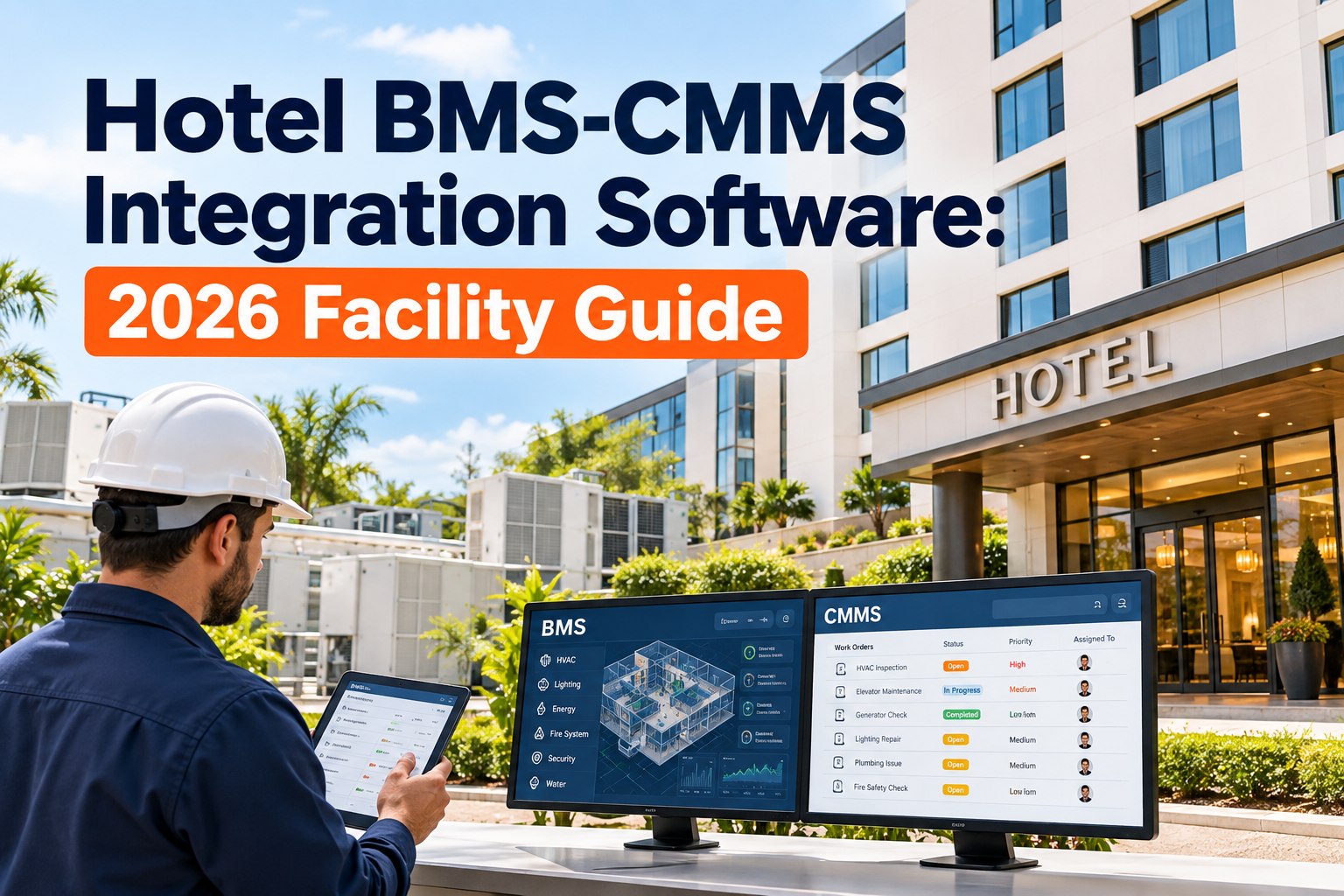
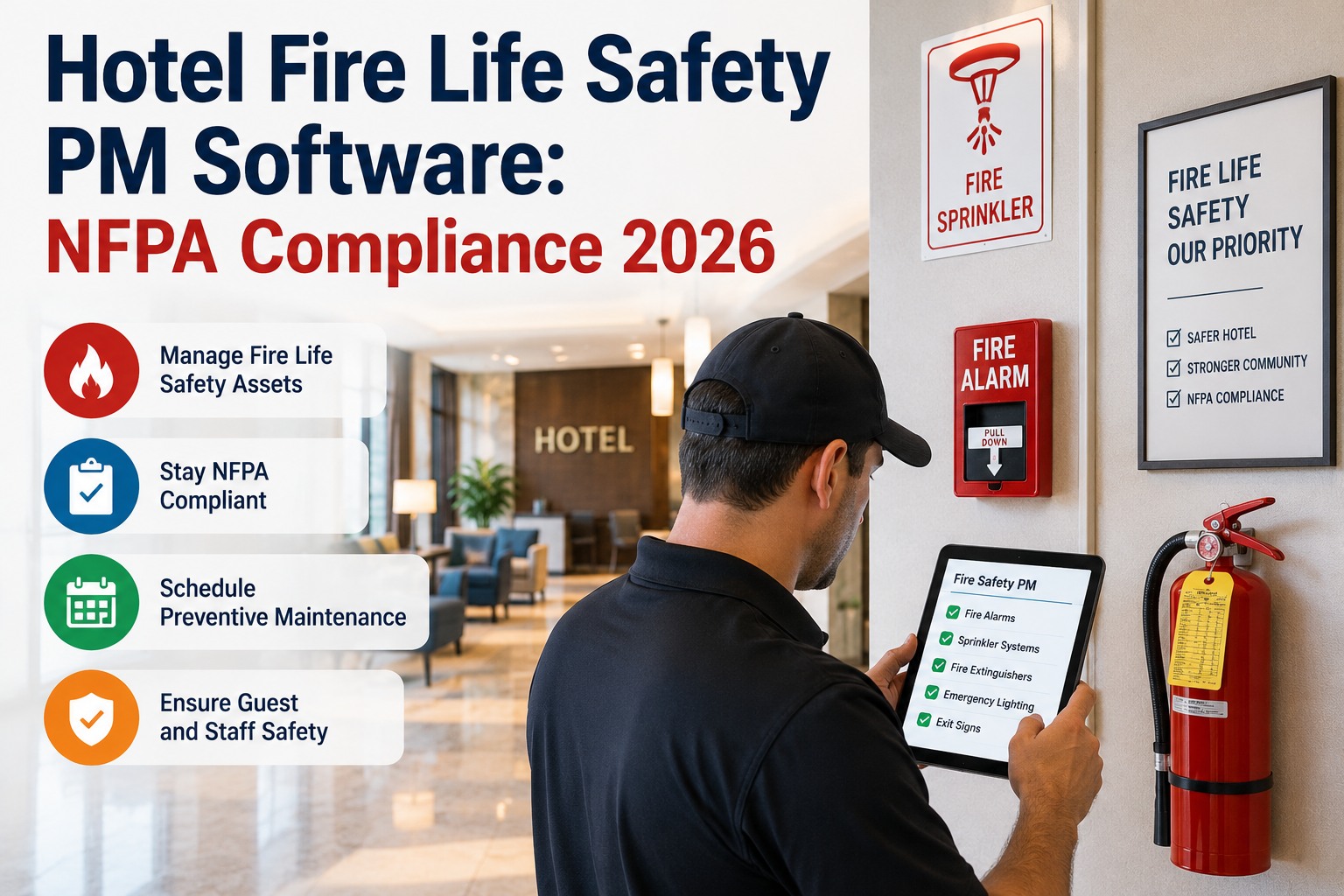
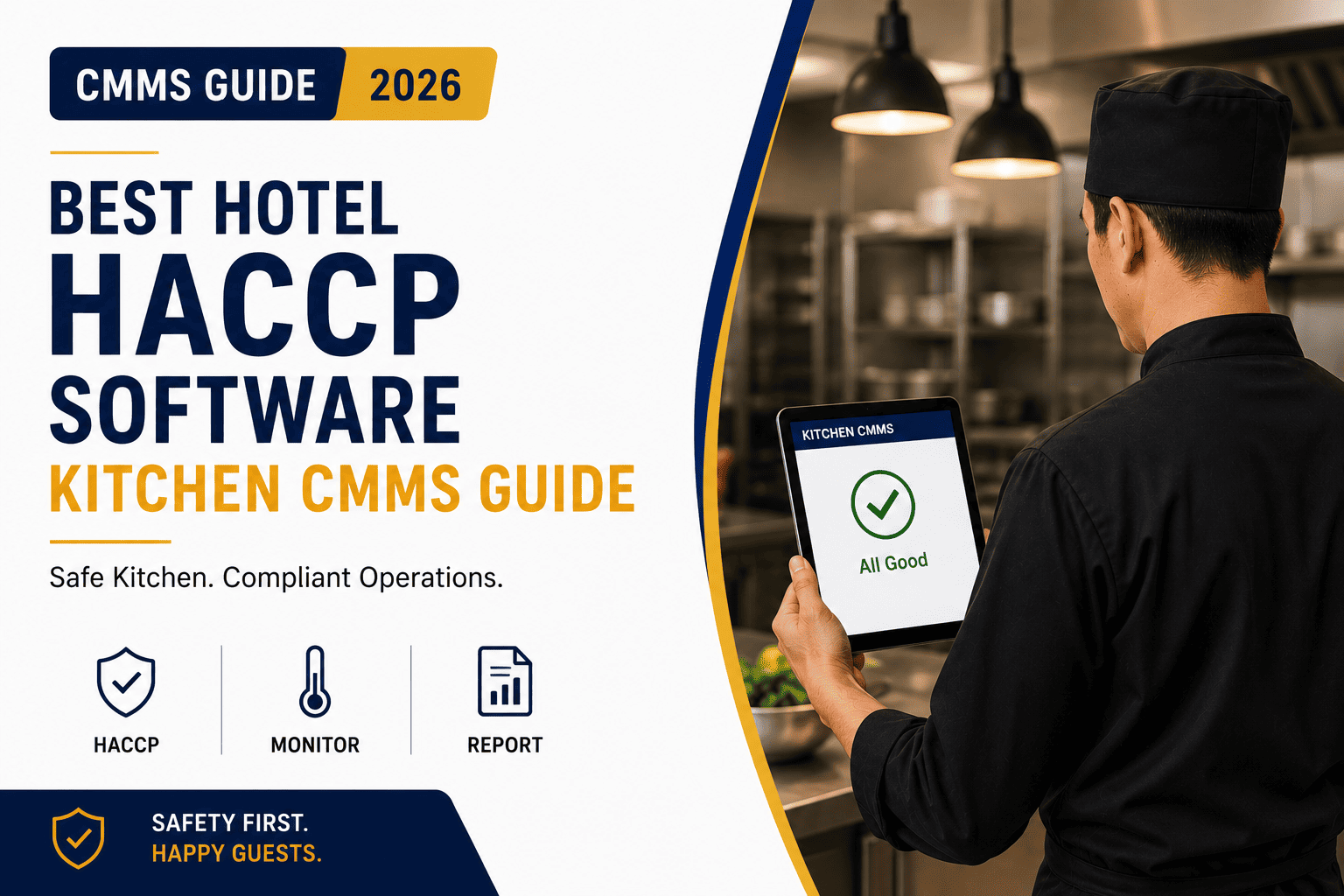
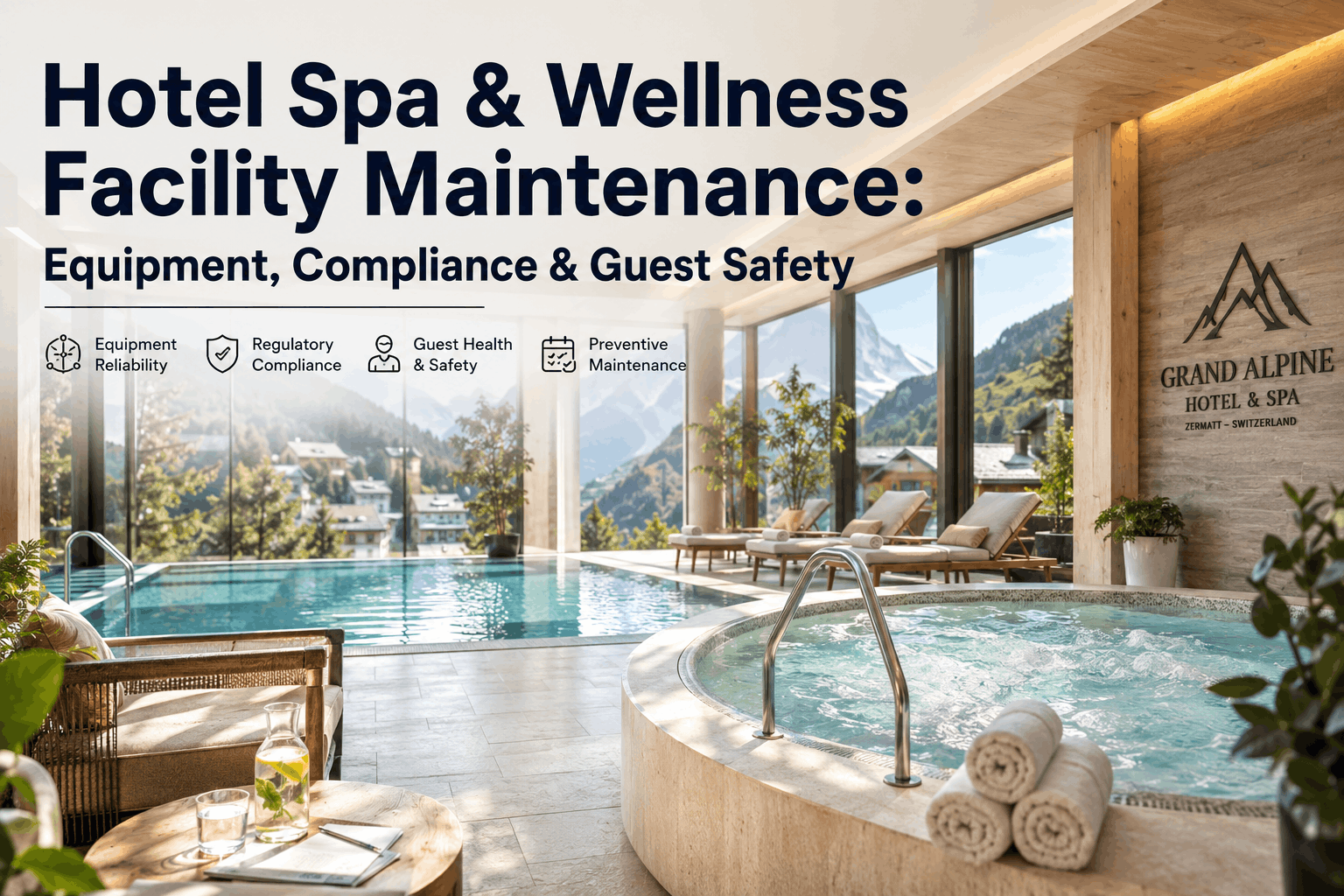
Canadian hotels operate under some of the most layered compliance frameworks in the world — provincial OHS regulations, the National Building Code, CSA elevator standards, and WorkSafeBC or TSSA oversight depending on your province. When maintenance falls behind, it is not just a guest satisfaction problem. It becomes a regulatory exposure. A purpose-built CMMS gives hotel engineering teams across Canada the structure to manage every asset, every inspection, and every compliance record — all in one place, on any device, from Toronto to Vancouver.
Built for Canadian Hotel Operations and Compliance
OxMaint gives hotel engineering teams across Canada real-time work order management, automated PM scheduling, and audit-ready compliance documentation — from a single mobile platform your team will actually use.
Why Canadian Hotels Face a Unique Compliance Challenge
Unlike a single national standard, Canadian hotel compliance is provincial by nature. A property in Ontario must satisfy TSSA regulations for boilers and elevating devices. A resort in British Columbia operates under WorkSafeBC and the updated BC Codes 2024. An Alberta hotel is bound by the provincial OHS Act and the National Fire Code Alberta Edition. Most hotel engineering teams manage all of this with spreadsheets, paper binders, or disconnected systems — and that is exactly where compliance gaps and costly failures originate. Sign up free to see how OxMaint maps your province's requirements into your maintenance program from day one.
TSSA governs boilers, pressure vessels, and elevating devices. Hotels must maintain current inspection records and respond to TSSA notices within defined timelines. Non-compliance can result in equipment shutdown orders.
WorkSafeBC requires documented safety programs for all hotel and hospitality employers. The BC Codes 2024 introduced new HVAC and accessibility standards that affect ongoing maintenance obligations for existing properties.
Every hotel in Alberta must maintain a documented OHS program under provincial regulation. The National Fire Code Alberta Edition governs fire system inspection schedules, suppression equipment, and emergency egress maintenance.
CSA B44 elevator safety standards apply nationwide, with each province adding local inspection frequency requirements. Documented service records are mandatory for every elevating device in a hotel or resort property.
The Real Cost of Reactive Hotel Maintenance in Canada
A single room pulled from inventory costs a Canadian hotel an average of $180 in RevPAR per day. A reactive maintenance posture — where teams fix what breaks rather than prevent what fails — means that number compounds across multiple rooms, multiple assets, and multiple seasons. Industry data shows 47% of guest complaints trace directly to maintenance failures, yet 62% of hotel PM programs are still managed on paper or spreadsheets. The gap between a reactive and proactive program is not a technology question. It is a data and process question that CMMS resolves. Book a demo to see how the shift from reactive to planned looks at your property.
Four Ways CMMS Protects Canadian Hotel Operations
Province-Ready Compliance Records
TSSA audits in Ontario, WorkSafeBC inspections in BC, or Safety Codes Council reviews in Alberta all require documented evidence. A CMMS automatically generates calibration logs, inspection sign-offs, and corrective action trails — replacing the pre-audit scramble with on-demand reporting. Audit prep drops from days to minutes.
Preventive Maintenance on Every Asset Class
HVAC systems, boilers, elevators, fire suppression, pools, and guest room equipment all carry different inspection intervals. CMMS auto-generates work orders by asset, routes them to the right technician, and captures photo evidence at closure — so no scheduled task slips through because someone forgot to check the calendar.
Mobile-First for Multi-Floor Hotel Teams
Hotel engineering teams cover large footprints across multiple floors, back-of-house areas, and mechanical rooms. A mobile CMMS lets technicians open, execute, and close work orders from wherever they are — without returning to a desk. Offline capability means basements and plant rooms are no longer dead zones for data capture.
Multi-Property and Multi-Shift Visibility
Hotel groups operating across Toronto, Vancouver, Calgary, or multiple cities need a single view of maintenance performance by property and shift. CMMS reporting segments downtime data by location, line, and team — so regional directors can identify underperforming assets across the portfolio before a guest complaint surfaces.
Canadian Hotel Compliance — What Your CMMS Must Track
Canadian hotel operators are accountable to multiple overlapping regulatory bodies. Here is what structured CMMS documentation covers across the most critical compliance categories.
| Compliance Area | Governing Standard | What CMMS Documents |
|---|---|---|
| Elevator and Escalator Safety | CSA B44 (all provinces) | Inspection dates, service records, corrective work orders, technician sign-offs |
| Fire Systems and Egress | National Fire Code (provincial editions) | Suppression system tests, extinguisher checks, egress inspection logs |
| Boilers and Pressure Vessels | TSSA (ON), ABSA (AB), Technical Safety BC | Inspection certificates, operating hours, pressure test records |
| HVAC and Indoor Air Quality | Canada OHS Regulations Part II | Filter change logs, coil cleaning records, air quality measurement history |
| Employee and Workplace Safety | WorkSafeBC / Provincial OHS Acts | Lockout/tagout records, safety training completion, hazard corrective actions |
| Pool and Spa Systems | Provincial health authority standards | Water quality logs, chemical dosing records, equipment PM history |
How Canadian Hotels Implement a CMMS Reliability Program
Build Your Asset Register
Every HVAC unit, elevator, boiler, generator, pool pump, and kitchen appliance gets entered with location, model, warranty, and service history. Most Canadian hotel teams go live in OxMaint within 3 to 5 days using hospitality-specific onboarding templates — no IT resource required.
Configure PM Schedules by Asset Class
Set preventive maintenance intervals for each asset category — elevator monthly inspections, fire system quarterly checks, boiler annual certifications. CMMS auto-generates work orders and assigns them to the right technician so nothing relies on memory or manual reminders.
Measure PM Compliance and Close Gaps
Most hotels discover their actual PM completion rate is far below 70% once a CMMS starts measuring it. With visibility comes accountability — teams that know their compliance rate is tracked consistently improve within 60 to 90 days. Root cause analysis begins identifying which assets generate repeat failures.
Expand to Predictive and Portfolio Reporting
As MTBF data accumulates, interval optimization eliminates both over-maintenance waste and under-maintenance failures. Multi-property reporting gives regional teams visibility across the full portfolio. Audit documentation is always current — no pre-inspection scramble, no missing records.
What to Look For in a CMMS Built for Canadian Hospitality
Generic work order software was not designed for the regulatory complexity of Canadian hotel operations. When evaluating CMMS options, these are the five capabilities that separate a platform built for hospitality from one adapted from another industry. Sign up free to see how OxMaint addresses each of them for your property.
Compliance Documentation by Asset and Province
The CMMS must store calibration records, inspection sign-offs, and corrective action evidence per asset — and make them retrievable by asset ID, province, or date range for regulatory submissions.
Mobile-First With Offline Capability
Hotel mechanical rooms, basements, and parking structures frequently lack reliable connectivity. A CMMS that requires a live connection to function will fail precisely where data capture matters most.
PMS Integration for Occupancy-Aware Scheduling
Maintenance scheduled during guest occupancy generates complaints. CMMS platforms that connect to Property Management Systems can route work orders around check-in and check-out patterns automatically.
Multi-Property Reporting Dashboard
Hotel groups across Ontario, BC, and Alberta need a single view of PM compliance rates, open work orders, and overdue inspections by property — not separate login credentials for every site.
Fast Onboarding Without IT Dependency
Hotel engineering teams rarely have dedicated IT resources. A CMMS that requires months of configuration and consulting engagement before go-live creates adoption risk. Look for pre-built hospitality templates that compress time-to-value.
Frequently Asked Questions
Does OxMaint support Canadian provincial compliance requirements?
Yes. OxMaint stores all maintenance records, inspection logs, calibration history, and corrective action documentation per asset — making the platform suitable as a system of record for TSSA, WorkSafeBC, ABSA, and Safety Codes Council requirements across Ontario, BC, and Alberta. Documentation is available on-demand for any regulatory submission.
How quickly can a Canadian hotel go live with OxMaint?
Most hotel engineering teams are fully operational within 3 to 5 days using OxMaint's hospitality onboarding templates. Asset records, PM schedules, and mobile app access are configured without IT resource or external consulting engagement. Sign up free to begin your setup today.
Can OxMaint handle multi-property hotel groups operating across provinces?
Yes. OxMaint supports multi-site configurations where regional managers have a portfolio-level dashboard and individual properties maintain their own asset registers, PM programs, and compliance records. Reporting can be segmented by property, province, or asset class.
What is the ROI timeline for CMMS implementation at a Canadian hotel?
Hotels typically see measurable improvements in PM compliance and reactive work reduction within 60 to 90 days. Full financial payback — driven by recovered room revenue, reduced emergency repair costs, and lower parts procurement waste — typically occurs within 6 to 18 months depending on property size and baseline maintenance maturity.
Does the system work offline for basement and plant room access?
OxMaint's mobile app includes offline capability so technicians can open, execute, and close work orders in areas without reliable WiFi or cellular coverage. Data syncs automatically when connectivity is restored — ensuring complete records regardless of where maintenance is performed.
Give Your Canadian Hotel Engineering Team the Platform They Need
From province-specific compliance documentation to mobile work orders and multi-property dashboards — OxMaint is the CMMS built for Canadian hotel operations. Start free, go live in days, and stop managing compliance with spreadsheets.