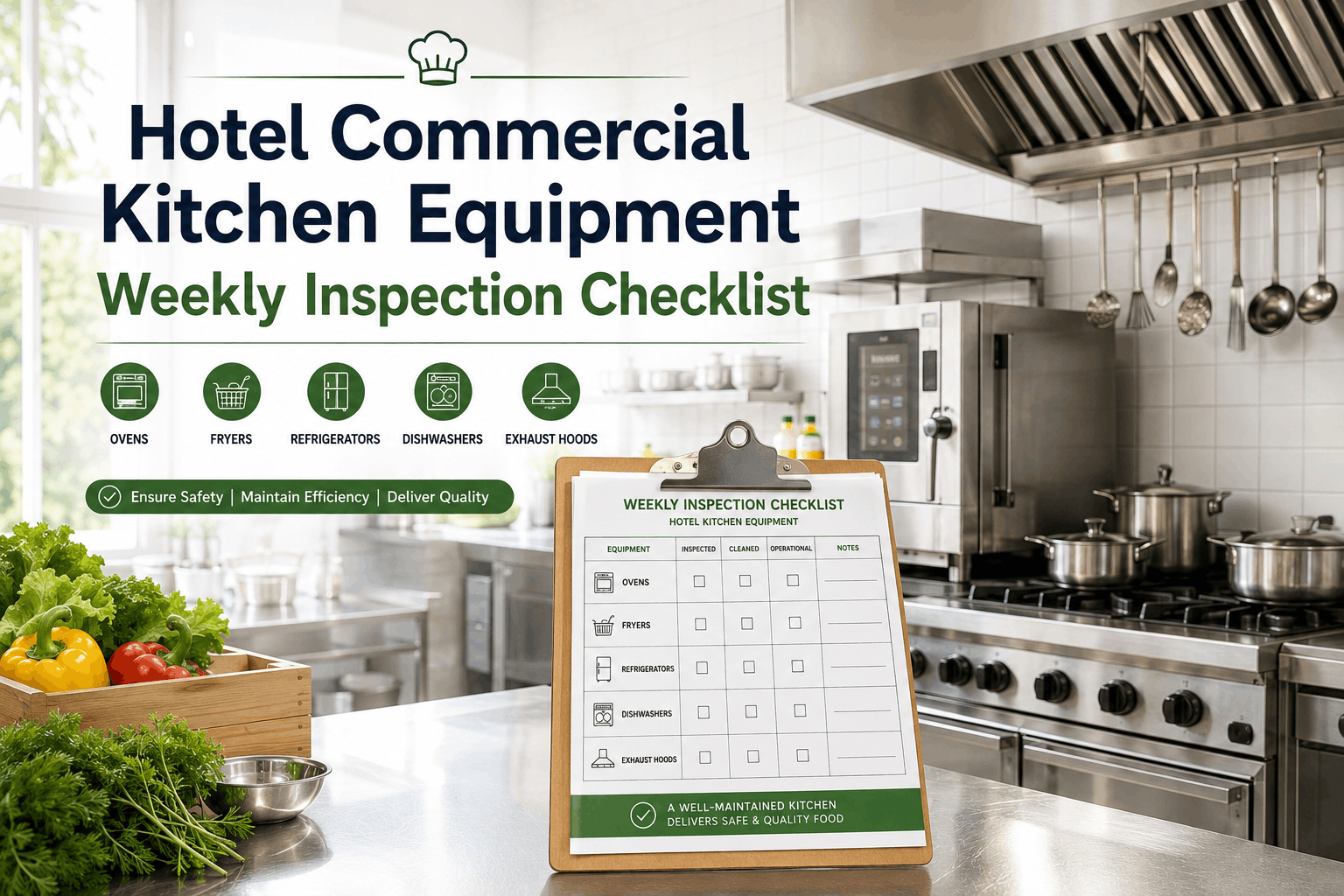
A 280-room resort hotel ignored routine wastewater maintenance for 18 months—until a catastrophic sewage backup flooded the first-floor kitchen, banquet halland adjacent guest corridor with raw sewage during a sold-out weekend conference. The property spent $142,000 on emergency remediation, lost $87,000 in event cancellations and comp rooms, and received health department violations that suspended food service for 72 hours. Post-incident investigation revealed the preventable culprits: a grease trap that hadn't been pumped in 14 months (regulation requires 90 days), tree roots infiltrating the main sewage line that inspection cameras would have detected, and a sewage ejector pump running 340% past recommended replacement interval. Properties implementing structured wastewater maintenance with OXmaint's digital inspection and scheduling platform eliminate 92% of emergency sewage incidents while ensuring continuous health code compliance—protecting revenue, reputation, and guest safety.
Why Wastewater System Maintenance Matters for Hotels
Wastewater systems are the most critical—and most neglected—infrastructure in hospitality facilities. Unlike visible systems that guests notice, wastewater operates invisibly until catastrophic failure forces immediate attention. Hotels generate massive wastewater loads from kitchens (FOG—fats, oils, grease), laundries (lint, detergents), and hundreds of daily showers and toilet flushes. Properties that replace reactive emergency response with OXmaint's automated wastewater maintenance scheduling gain regulatory compliance documentation, prevent $50K-$150K emergency repairs, and eliminate the health code violations that trigger mandatory closures—start your free trial today and digitize your wastewater inspection tracking before the next health department audit.
72 Hours
Average duration of health department food service suspension following major sewage incident—costing $25K-$75K in lost F&B revenue.
25% FOG
Maximum grease trap capacity before efficiency drops and violations occur. Most hotels exceed this between scheduled cleanings.
$18K Avg
Cost of emergency sewage ejector pump replacement at 2 AM including overtime labor, parts, and cleanup—vs. $2,800 scheduled replacement.
Critical Wastewater System Components & Hotel Applications
Grease Traps/Interceptors
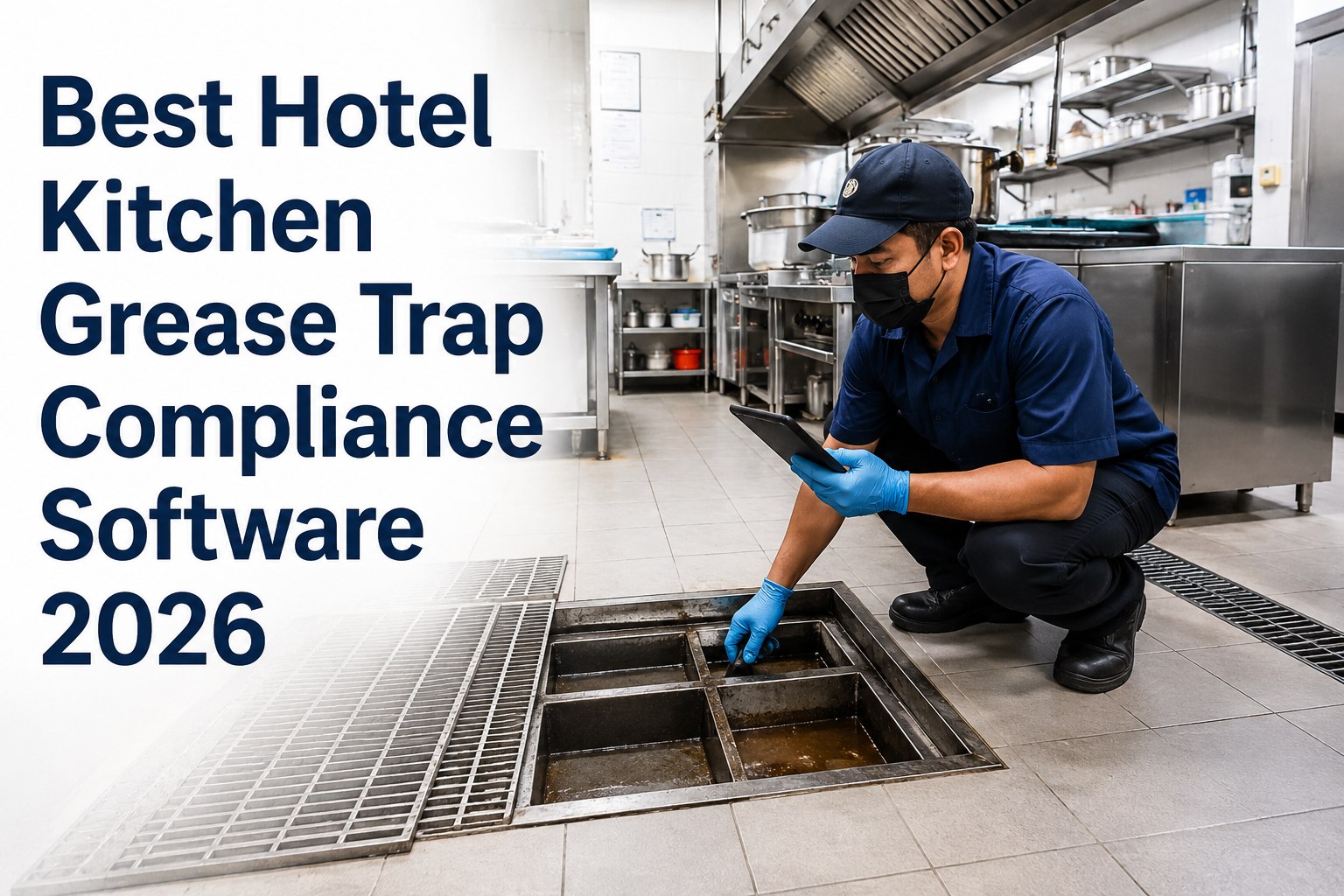
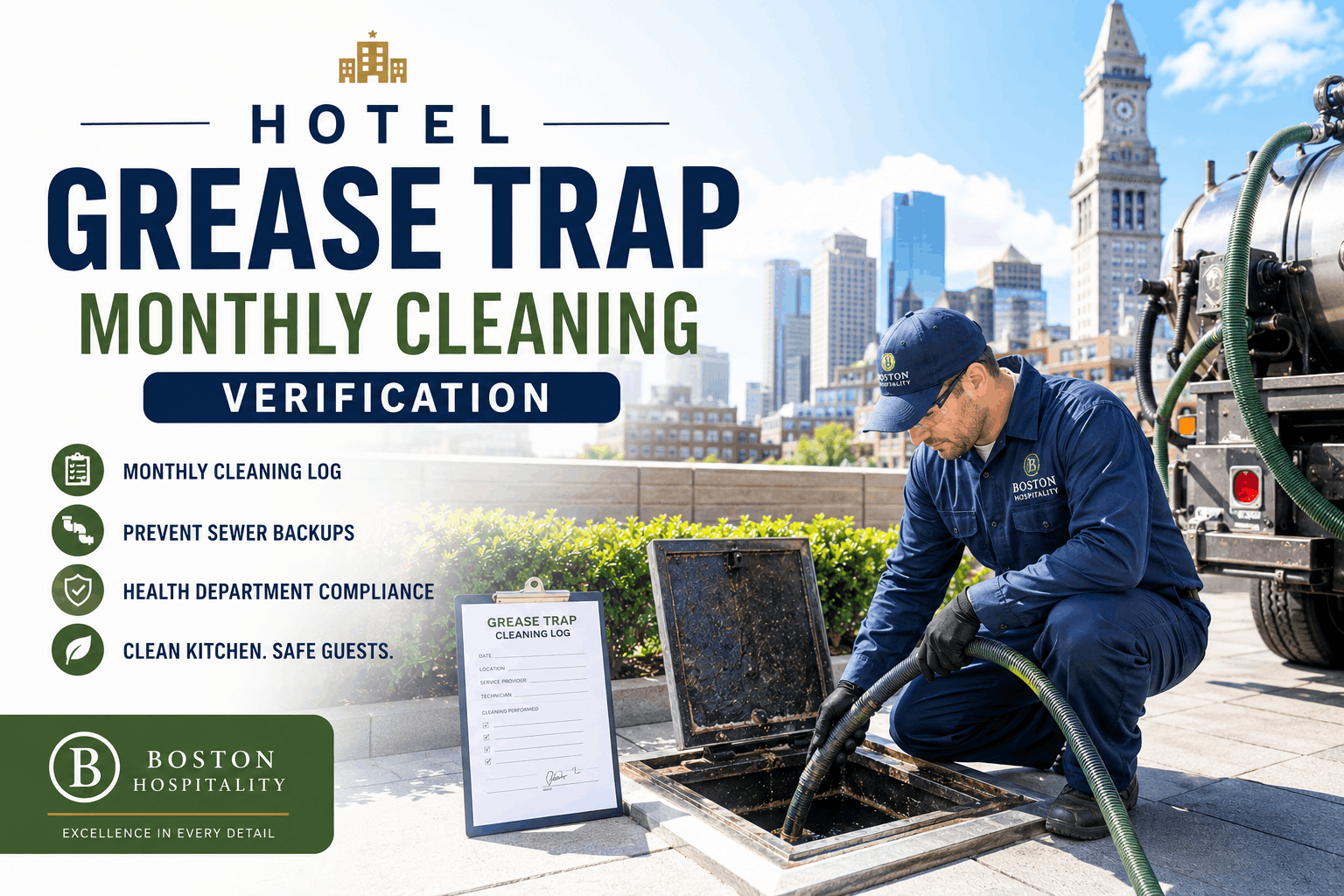
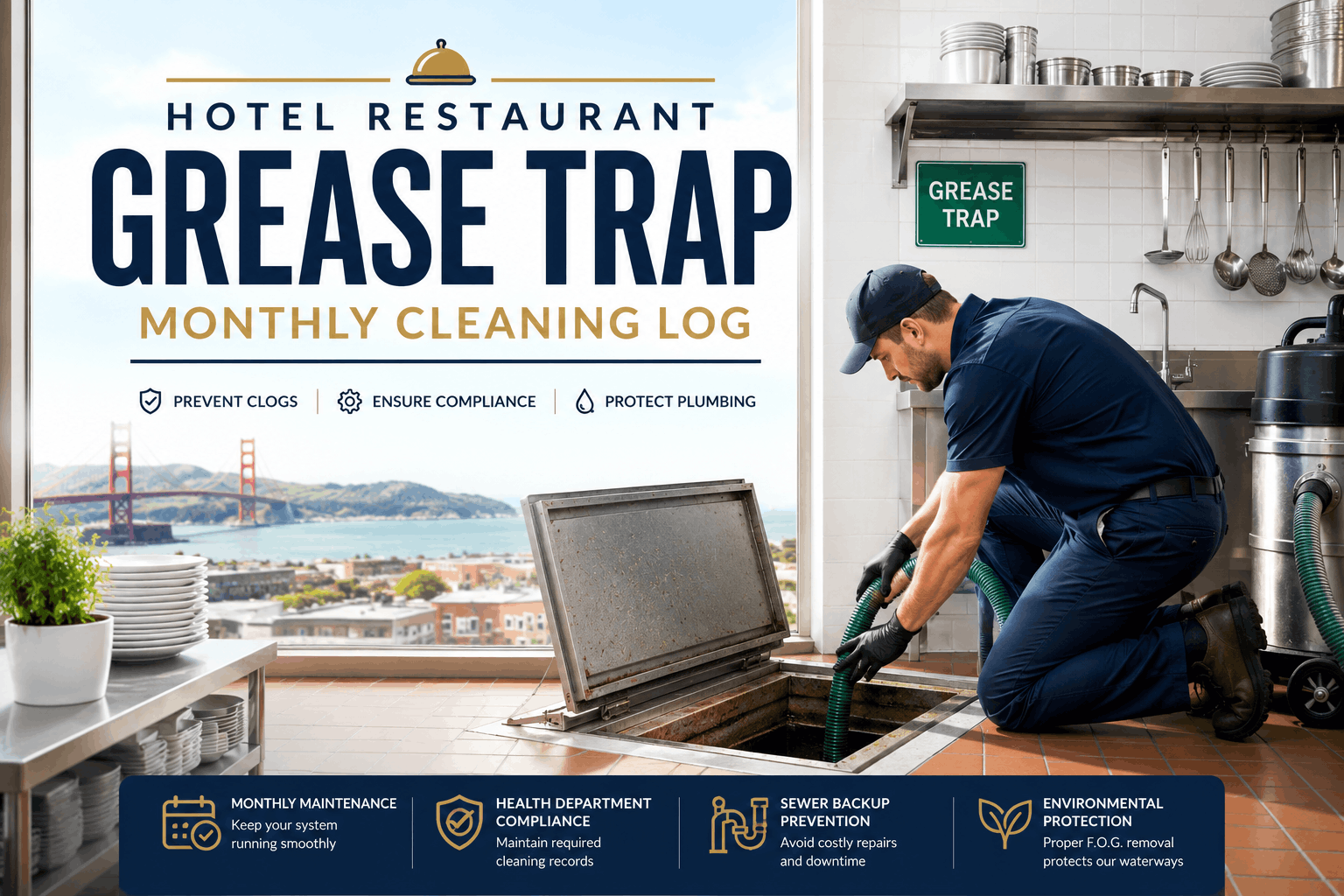
Cleaning: 60-90 daysCapture FOG (fats, oils, grease) from kitchen operations before entering municipal sewage. Critical for restaurants, banquet kitchens, and room service prep areas.
- Professional pumping every 60-90 days (legally mandated)
- Weekly FOG level inspection and documentation
- Baffle and inlet/outlet integrity checks
- Flow rate verification and capacity assessment
- Bacteria/enzyme additive treatment (if approved)
Sewage Ejector Pumps
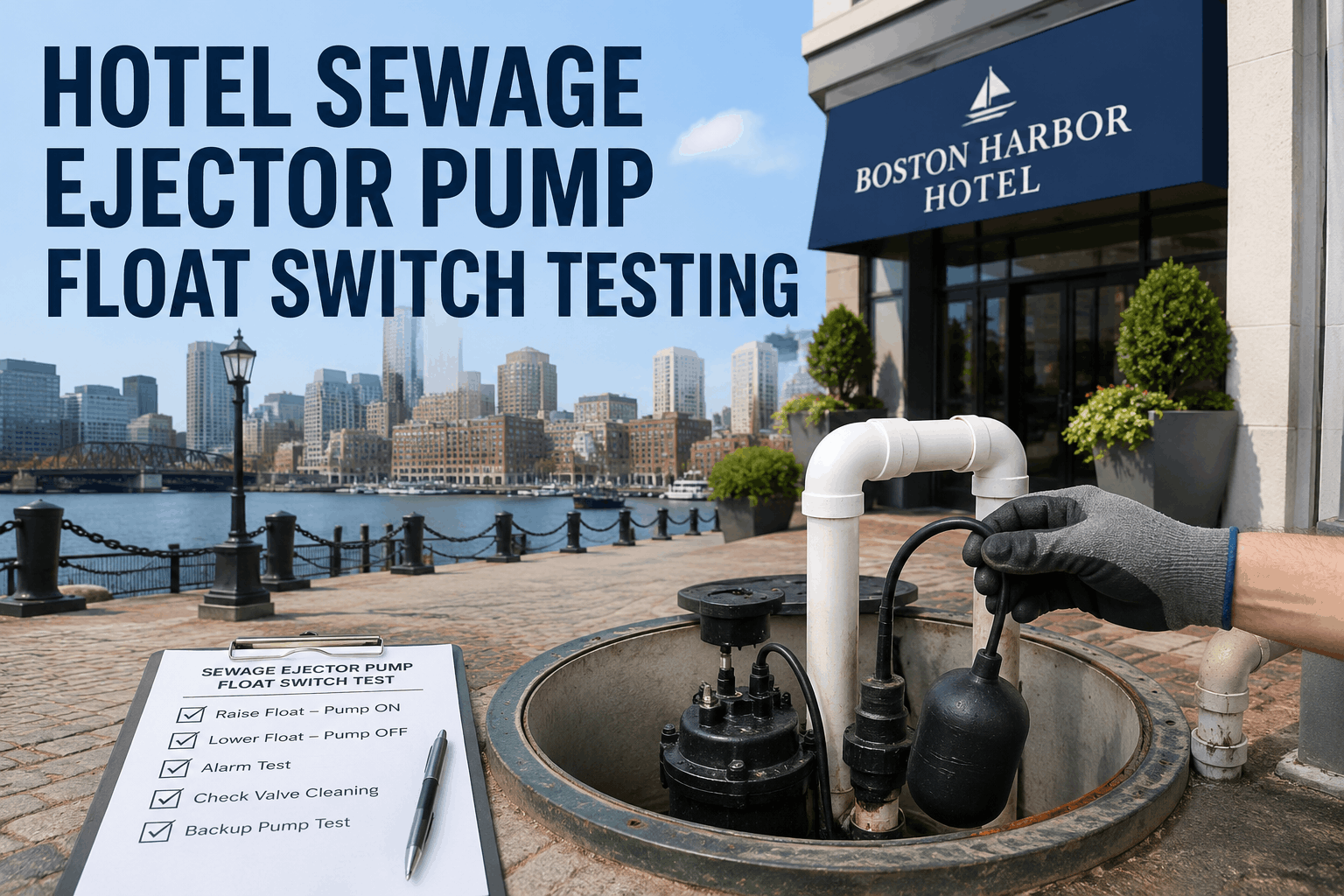
Inspection: MonthlyLift wastewater from below-grade areas (basements, lower-level kitchens) to main sewage lines. Failure causes immediate flooding and facility closure.
- Monthly pump operation and float switch testing
- Quarterly amperage draw and performance check
- Annual impeller inspection and cleaning
- Alarm system function verification
- Backup pump testing (if dual-pump system)
Main Sewage Lines & Drains
Camera Inspection: AnnuallyPrimary drainage infrastructure carrying all wastewater to municipal connections or on-site treatment. Root intrusion and buildup cause 60% of hotel sewage backups.
- Annual camera inspection of main lines
- Hydro-jetting of high-traffic drain lines (quarterly)
- Root barrier treatment near landscaping
- Cleanout access point verification
- Slope and flow testing on gravity lines
Prevent Catastrophic Sewage Failures
Track grease trap pumping schedules, monitor ejector pump performance, and document every wastewater inspection—all with automated alerts that prevent violations before health inspectors arrive.
Wastewater System Inspection & Maintenance Checklist
Use this checklist for comprehensive wastewater system inspections across your property. With OXmaint's mobile inspection platform, facility teams complete wastewater rounds on-device, capture photos of grease trap levels and pump conditions, and sync compliance data automatically—creating the regulatory documentation health departments and insurance carriers require.
Maintenance Frequency Guide
| Task | Kitchen Grease Traps | Sewage Ejector Pumps | Main Sewage Lines |
|---|---|---|---|
| Visual inspection | Weekly | Monthly | Monthly |
| Professional cleaning/pumping | 60-90 days (mandated) | N/A | Annually (camera) |
| Performance testing | Monthly (flow check) | Monthly (float test) | As needed |
| Component replacement | 5-7 years (baffles) | 5-7 years (pump) | As indicated |
| Emergency response drill | Annually | Quarterly | Annually |
| Documentation review | Monthly | Quarterly | Annually |
| Full system audit | Annually | Annually | Annually |
Managing wastewater maintenance manually across multiple grease traps, ejector pumps, and miles of sewage lines creates dangerous compliance gaps—missed pumping appointments trigger violations, failing pumps go unnoticed until backup occurs, and inspection records disappear when staff turns over. OXmaint eliminates these risks through automated scheduling that generates work orders at legally mandated intervals, mobile inspections that require photo documentation of grease trap levels and pump conditions, and digital compliance logs that health inspectors can access instantly. Properties using automated wastewater tracking report zero health code violations and 95% reduction in emergency sewage incidents.
Common Problems & Warning Signs
Early detection prevents catastrophic sewage backups and expensive emergency remediation. Train facility staff to recognize these critical warning signs during daily rounds, and configure OXmaint's automated alert system to flag developing issues before they escalate into health emergencies.
Grease Trap Overflow Warning
Signs: FOG accumulation >25% capacity, slow drainage from kitchen sinks, foul odors, visible grease in outlet side
Causes: Overdue pumping schedule, undersized trap for volume, excessive FOG disposal, baffle damage
Action: Emergency pumping within 24 hours. Verify trap sizing. Retrain kitchen staff on disposal practices.
Sewage Ejector Pump Failure
Signs: Pump runs continuously, high amperage draw, unusual noise/vibration, alarm activation, sewage backing up
Causes: Failed float switch, clogged impeller, worn motor bearings, check valve failure, electrical issues
Action: Immediate pump inspection. Clear blockages. Replace failed components. Test backup pump activation.
Main Line Blockage/Root Intrusion
Signs: Multiple slow drains property-wide, gurgling toilets, sewage odors, wet spots over sewage lines
Causes: Tree root infiltration, grease buildup, collapsed pipe, foreign object obstruction
Action: Camera inspection to locate blockage. Hydro-jetting or mechanical snaking. Root barrier treatment. Pipe repair/replacement if needed.
Sewage Odors in Building
Signs: Persistent sewer gas smell, headaches/nausea in affected areas, odor worse during low-water-use periods
Causes: Dried P-traps (floor drains), failed wax rings on toilets, cracked vent pipes, improper venting
Action: Fill all floor drain P-traps with water. Inspect toilet seals. Check vent stack integrity. Test for sewer gas leaks.
Preventive Maintenance Investment vs. Emergency Costs
Preventive Maintenance Annual Cost
Cost of Single Sewage Emergency
Digital Wastewater Management Benefits
Modern facility maintenance platforms replace paper grease trap logs and reactive emergency response with proactive, automated wastewater management that ensures continuous compliance and eliminates catastrophic failures.
Automated Compliance Logs
Digital documentation of every grease trap pumping, inspection, and maintenance action with timestamps and photos—ready for health inspections.
Mandatory Pumping Alerts
Never miss a legally required grease trap cleaning—automated alerts at 60, 75, and 85 days ensure continuous regulatory compliance.
Photo Verification
Document grease trap FOG levels, pump conditions, and completed repairs with mandatory timestamped photos attached to work orders.
Emergency Response Protocols
Pre-configured emergency workflows for sewage backups—instant notifications, vendor contact lists, and step-by-step remediation checklists.
Vendor Management
Track grease trap hauler certifications, pumping service history, and disposal documentation for compliance audits.
Predictive Maintenance Tracking
Monitor sewage pump runtime hours, grease trap capacity trends, and schedule component replacements before emergency failures occur.
Every feature above integrates seamlessly into your existing facility operations—download the OXmaint app, create wastewater asset records for each grease trap and ejector pump, and start logging inspections immediately. The platform includes pre-built wastewater inspection checklists, automated pumping reminders set to your local health code requirements, and emergency response protocols that activate with one tap. Over 1,800 hospitality properties have eliminated sewage emergencies and achieved 100% health code compliance within 60 days of implementation.
Prevent $70K-$200K Sewage Emergencies Before They Happen
Join thousands of hospitality properties using OXmaint to automate wastewater compliance, prevent catastrophic failures, and maintain the documentation that keeps health inspectors satisfied and operations uninterrupted.