The warehouse manager got the call at 6:45 AM on the busiest Monday of Q4—a forklift operator had struck a shelving unit after failing to see a pallet in his path. The lighting in aisle 14-B had been flickering for three weeks. Two of four high-bay fixtures were completely out. The remaining two operated at 40% output due to degraded LED drivers nobody had diagnosed. Investigation revealed: no lighting inspection records for 14 months, no documented lamp replacement schedule, no tracking of fixture failures or energy consumption anomalies. Workers' comp claim: $89,000. OSHA citation for inadequate workplace illumination: $15,600. Equipment damage: $12,000. Lost productivity during investigation: $34,000. A systematic monthly lighting inspection—requiring 2 hours and a $150 light meter—would have identified every failing fixture before anyone got hurt. Total prevention cost: under $500 annually.
The True Cost of Neglected Lighting Maintenance
What facilities lose when lighting systems fail without warning
Safety Incidents
$50-150K
Preventable: 85%
Energy Waste
20-40%
Reducible: 30%
Productivity Loss
15-25%
Recoverable: 20%
Emergency Repairs
3-5x Cost
Avoidable: 80%
OSHA Fines
$15K+
Preventable: 100%
73%
Of workplace slip/trip/falls involve inadequate lighting as contributing factor
30 Days
NFPA 101 required testing interval for emergency lighting systems
40%
Average energy savings when degraded lighting systems are properly maintained
A comprehensive lighting maintenance issue checklist transforms reactive bulb replacement into proactive facility protection. Instead of waiting for complete fixture failures—which create safety hazards and compliance violations—systematic inspection identifies flickering lamps, degraded output, failed ballasts, and emergency lighting deficiencies weeks before they become problems. When facility teams implement digital lighting maintenance tracking, they're not just replacing bulbs—they're building the documentation that proves OSHA compliance and defeats liability claims.
Understanding Lighting Maintenance Requirements: The Standards That Matter
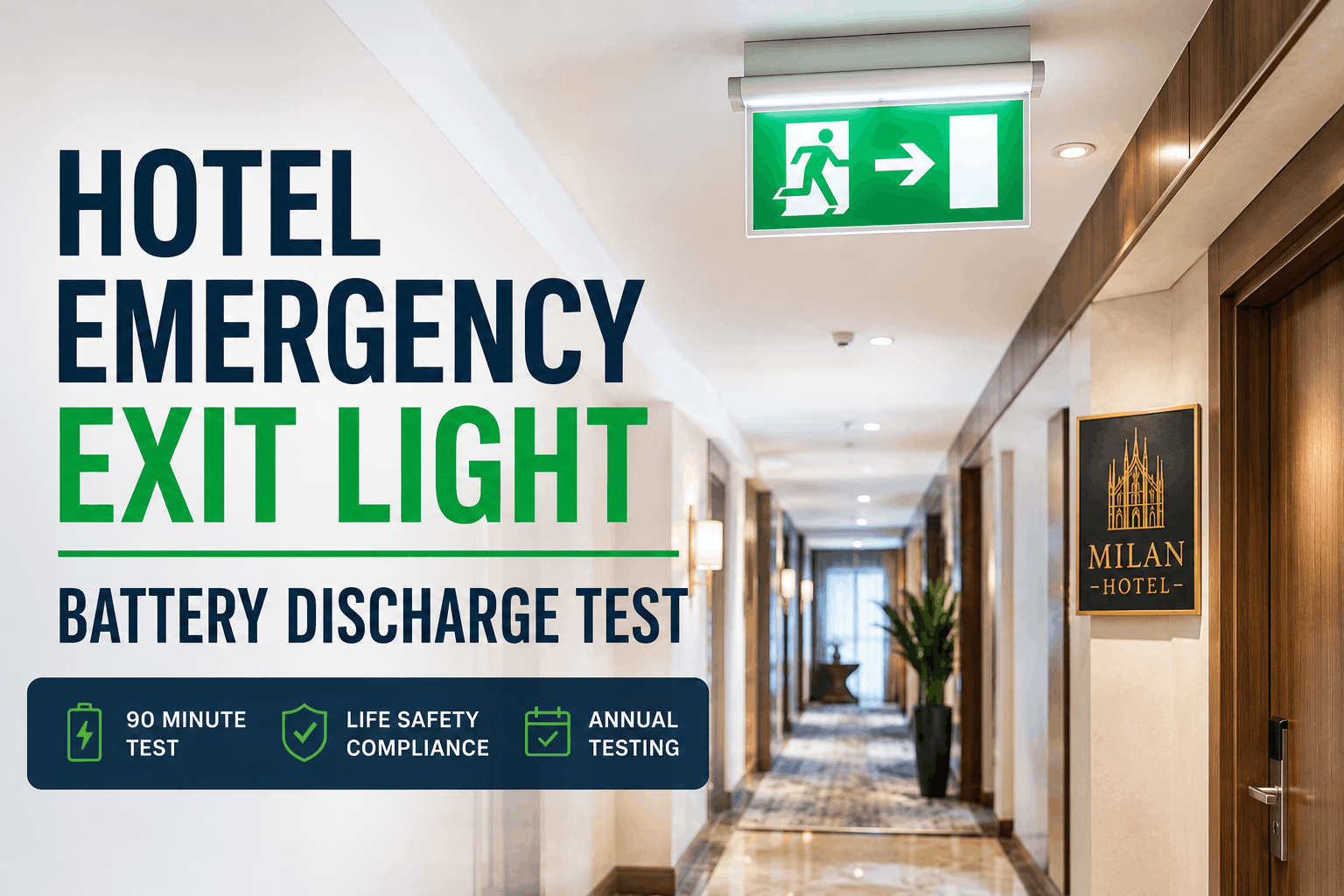
Lighting maintenance isn't optional—it's mandated by OSHA workplace safety standards, NFPA life safety codes, and IES illumination guidelines. OSHA 1910.37 requires adequate lighting along exit routes. NFPA 101 mandates monthly 30-second tests and annual 90-minute tests for emergency lighting. IES recommends minimum foot-candle levels by space type. Understanding these requirements helps prioritize your inspection program and ensures nothing falls through the cracks.
Lighting Maintenance Inspection Categories
What systematic inspection covers across all lighting systems
1
Emergency Systems
Exit Signs, Battery Backup, Egress Path Lighting
30-Sec Test90-Min AnnualNFPA 101
2
General Illumination
Workspace Lighting, Ambient Fixtures, Task Lights
Foot-CandlesUniformityGlare Control
3
Exterior Systems
Parking Lots, Walkways, Building Perimeter, Signage
SecurityPhotocellsTimers
4
Controls & Sensors
Occupancy Sensors, Daylight Harvesting, Dimmers
CalibrationProgrammingIntegration
5
Electrical Components
Ballasts, Drivers, Wiring, Connections, Panels
Thermal ScanVoltage CheckGround Fault
6
Fixture Condition
Lenses, Reflectors, Housings, Mounting, Seals
CleaningDamageDegradation
Complete Lighting Maintenance Issue Checklist
Effective lighting maintenance requires systematic inspection of every component that affects illumination quality, safety compliance, and energy efficiency. This checklist covers the complete lighting system from emergency egress to exterior security, organized by priority and inspection frequency. When your team can see how digital checklists streamline lighting documentation, compliance becomes automatic instead of burdensome.
Lighting Maintenance Inspection Workflow
From systematic inspection to documented compliance
1
Visual Walkthrough
Inspect all fixtures for burned-out lamps, flickering, discoloration, physical damage, and cleanliness during building rounds
2
Light Level Measurement
Use calibrated light meter to verify foot-candle levels meet OSHA/IES standards at work surfaces and pathways
3
Emergency System Testing
Perform 30-second monthly functional test on all emergency lights and exit signs per NFPA 101 requirements
4
Issue Documentation
Record all deficiencies with location, severity, photo evidence, and recommended corrective action in CMMS
5
Work Order Generation
Create prioritized work orders with parts requirements, technician assignment, and compliance deadline tracking
Document Every Lighting Issue, Prove Every Inspection
Digital lighting inspection tracking creates the audit trail that proves NFPA compliance and defeats liability claims. See how facilities are protecting themselves with systematic documentation.
Common Lighting Maintenance Issues: What Inspections Reveal
Lighting problems don't appear suddenly—they develop through specific failure modes that systematic inspection identifies before they become safety hazards or compliance violations. Understanding these common issues helps facility teams appreciate why proactive inspection succeeds where reactive replacement fails. Each issue has distinct warning signs that trained technicians recognize during routine rounds.
Lamp/LED Degradation
35-45% of issues
Warning Signs: Reduced light output (lumen depreciation), color shift toward yellow/pink, increased warm-up time, end-of-life flickering, uneven illumination patterns
Detectable 2-4 weeks before failure
Ballast/Driver Failure
20-30% of issues
Warning Signs: Audible humming or buzzing, lamp flickering or cycling, excessive heat from fixture, burning smell, delayed start or no start conditions
Detectable 1-3 weeks before failure
Dirty Fixtures/Lenses
15-20% of issues
Warning Signs: Visible dust accumulation, yellowed or hazed lenses, reduced measured foot-candles despite working lamps, uneven light distribution, insect debris
30-50% light loss when neglected
Emergency Light Failures
10-15% of issues
Warning Signs: Battery charge indicator not lit, failed 30-second test, reduced runtime during annual test, corroded connections, dim or partial illumination
NFPA violation if not corrected
Light Level Standards: What Your Inspection Should Verify
Measuring light levels isn't just good practice—it's the only way to verify OSHA compliance and prove adequate illumination for liability protection. Different spaces require different foot-candle levels based on task requirements and safety needs. Your inspection should document actual measurements against these standards. Properties that track light level measurements digitally can identify degradation trends and schedule relamping before complaints arise.
IES/OSHA Light Level Requirements by Space Type
Workspace Areas
General Office:30-50 fc
Computer Work:30-50 fc
Conference Rooms:30-50 fc
Manufacturing:30-100 fc
Detailed Assembly:50-100 fc
⚡
Verify Levels
Safety Critical Areas
Exit Routes:1 fc minimum
Stairways:10 fc minimum
Corridors:5-10 fc
Parking Garages:5-10 fc
Loading Docks:20-50 fc
30%
light loss from dirty fixtures
40%
lumen depreciation at end of life
100%
compliance with proper maintenance
Inspection Frequency Requirements
Different lighting systems require different inspection frequencies based on criticality, regulatory requirements, and failure modes. Emergency lighting has mandatory testing schedules per NFPA 101. General lighting inspections should balance safety requirements with practical maintenance cycles. This schedule ensures nothing falls through the cracks while optimizing maintenance resources.
Fire marshals and OSHA inspectors don't accept "we think we tested it" as documentation. When they request 12 months of emergency lighting test records, you need dates, results, technician names, and corrective actions—instantly accessible. Paper systems bury this information in filing cabinets. Digital tracking makes compliance verification instantaneous and creates the legal documentation that defeats liability claims.
Documentation Method Comparison
Paper Logs
Manual Tracking
Handwritten records, Filing cabinet storage, Manual calculations, Lost documentation risk
Hours to compile audits
Spreadsheets
Semi-Digital
Excel tracking, Manual entry, Version control issues, No mobile access
Better but fragmented
Basic CMMS
Work Orders Only
Reactive work orders, Limited reporting, No inspection tracking, Basic scheduling
Improved but incomplete
Digital CMMS
Complete Solution
Mobile checklists, Photo documentation, Automated scheduling, Instant compliance reports
Audit-ready in seconds
Compliance Documentation Confidence
100% Audit Ready
Expert Perspective: What Fire Marshals Actually Look For
Industry Insight
"In 20 years of fire safety inspections, I've seen the same pattern: facilities with systematic documentation pass, facilities without it fail. I can test your emergency lights right now and they might work—but can you prove they worked last month? Six months ago? After the power outage in March? The buildings that pass every inspection have a system. Digital logs with timestamps, photos of completed tests, automatic scheduling that doesn't depend on someone remembering. The ones that fail? Clipboards in maintenance closets with half the boxes checked and dates that don't add up."
— Fire Safety Inspector, 20 years commercial building experience
12 Months of Records
Fire marshals expect to see 12 consecutive months of 30-second test records for every emergency light. No gaps, no excuses, no backdating.
Deficiency Tracking
When tests reveal failures, inspectors want proof of correction within 30 days. Open deficiencies without documented follow-up become citations.
Annual 90-Minute Test
The annual full-duration test must document start time, end time, and results for every unit. Incomplete records trigger immediate violations.
Implementation: Building Your Lighting Maintenance Program
Successful lighting maintenance programs follow a proven implementation path—starting with inventory documentation, establishing inspection schedules, and building the digital tracking infrastructure that ensures nothing falls through the cracks. This phased approach validates compliance, builds internal expertise, and creates the documentation trail that protects your facility.
Establish inspection frequency, Create digital checklists, Set compliance thresholds, Define escalation procedures, Train inspection staff
Operational framework ready
Phase 3
Execute & Document
Ongoing
Perform scheduled inspections, Document all findings, Generate work orders, Track corrections, Build compliance history
Continuous compliance achieved
Stop Lighting Issues Before They Stop Your Operations
Oxmaint's digital lighting inspection tracking gives facility teams automated scheduling, photo documentation, and instant compliance reports. Protect your workers, protect your compliance status, protect your budget.
How often must emergency lighting be tested per NFPA 101?
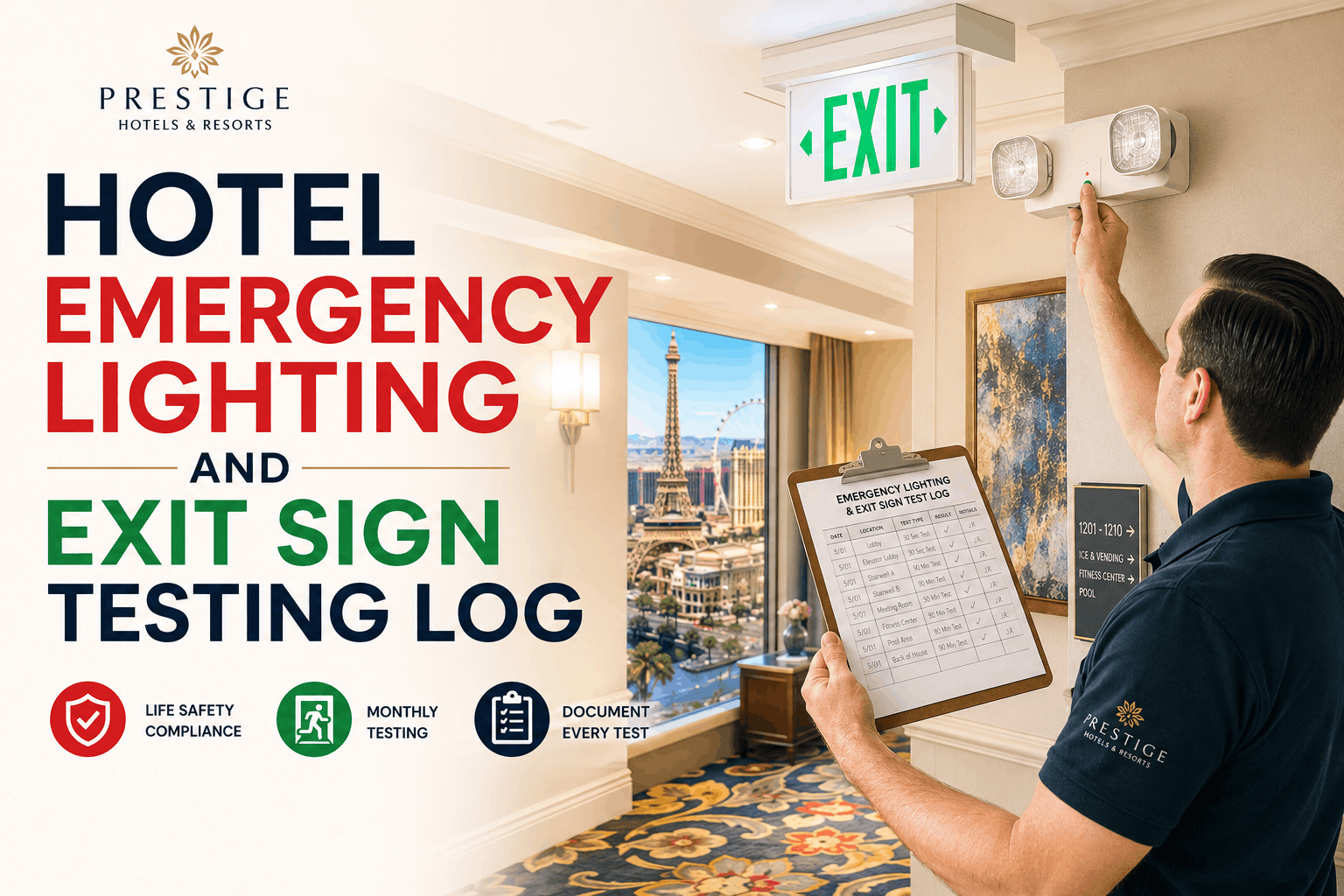
NFPA 101 (Life Safety Code) requires emergency lighting to be tested monthly with a 30-second functional test and annually with a 90-minute full-duration test. The monthly test verifies that the system activates when normal power is interrupted. The annual test proves the battery can power the lights for the required 90 minutes during an actual emergency. Both tests must be documented with dates, technician identification, pass/fail results, and any corrective actions taken. Missing these tests is the most common fire marshal citation for lighting systems and creates immediate compliance exposure.
What are OSHA lighting requirements for workplaces?
OSHA 29 CFR 1910.37 requires adequate lighting along exit routes for safe evacuation. OSHA 29 CFR 1926.56 establishes minimum illumination levels: 5 foot-candles for general construction areas, 3 foot-candles for general plants and shops, and 30 foot-candles for offices. However, IES (Illuminating Engineering Society) recommendations typically exceed OSHA minimums and are considered industry best practice. Task lighting requirements increase for detailed work—up to 100 foot-candles for precision assembly. Inadequate lighting that contributes to workplace injuries creates significant liability exposure beyond just OSHA citations.
What should a lighting maintenance checklist include?
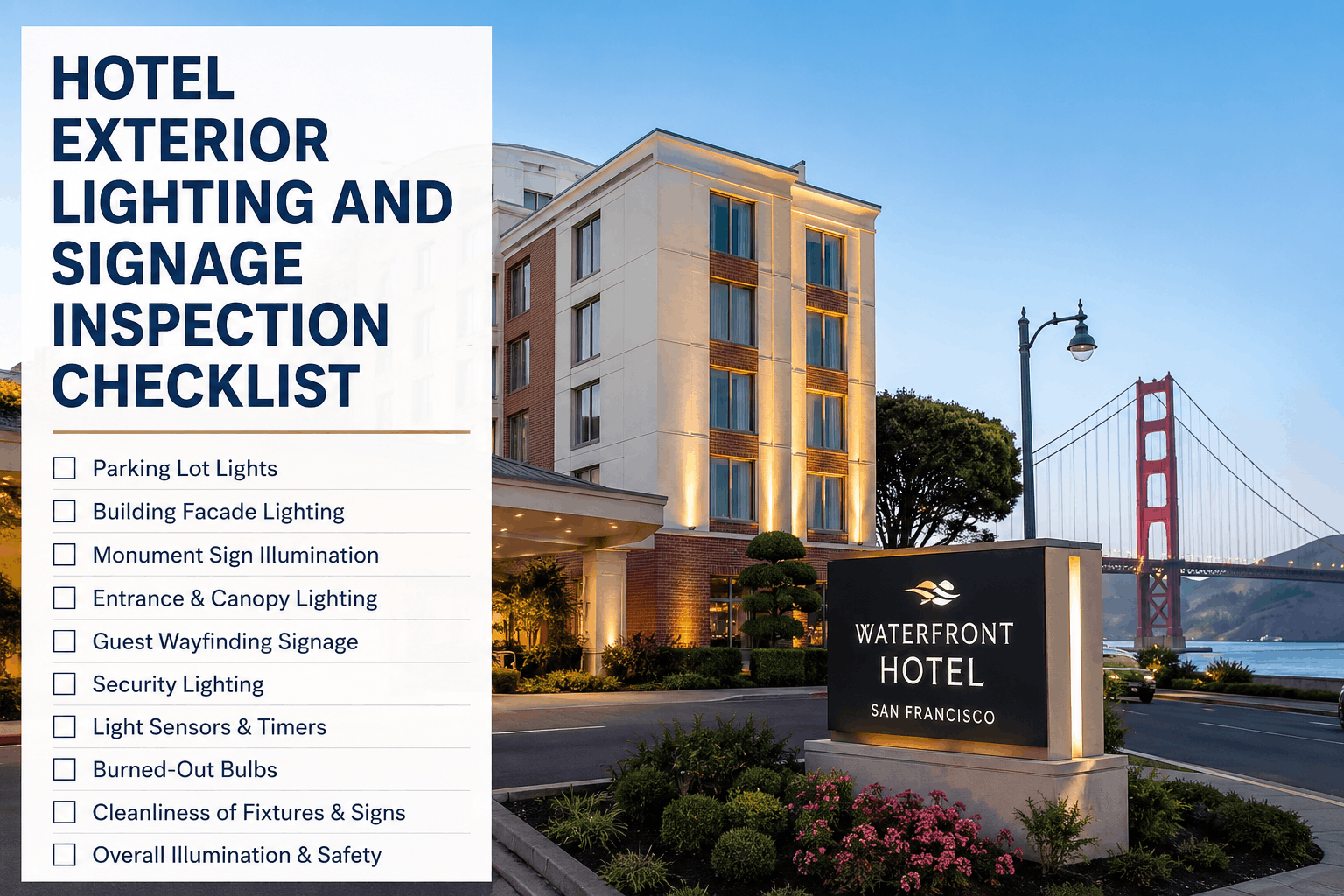
A comprehensive lighting maintenance checklist should cover: visual inspection of all fixtures for burned-out or flickering lamps; light level measurements at work surfaces; emergency lighting functional tests; exit sign visibility and illumination; ballast/driver condition (listening for buzzing); fixture cleanliness and lens condition; control system operation (occupancy sensors, photocells, timers); electrical connections and panel condition; exterior lighting coverage; and documentation of all findings with photo evidence. The checklist should distinguish between immediate safety issues requiring same-day correction and routine maintenance that can be scheduled.
How do dirty fixtures affect lighting performance?
Dirty fixtures can reduce light output by 30-50% without any lamp failure occurring. Dust accumulation on lamps, lenses, and reflectors absorbs and blocks light that should reach work surfaces. This degradation happens gradually—occupants adapt to lower light levels without recognizing the change. The result: spaces that measure well below OSHA/IES standards despite having working lamps. Regular cleaning (quarterly in most environments, monthly in dusty/industrial settings) maintains light output and extends lamp life. Measuring light levels during inspections—not just checking if lamps work—reveals this hidden degradation.
What documentation is required for lighting compliance?
Complete lighting compliance documentation includes: monthly emergency lighting test logs showing date, time, pass/fail results, and technician identification; annual 90-minute test records with start time, end time, and individual unit results; light level measurement records showing foot-candle readings at work surfaces; maintenance work orders for all repairs and lamp replacements; deficiency tracking showing when issues were identified and when corrected; and any third-party inspection reports. Records should be retained for minimum 3 years—longer in some jurisdictions. Digital CMMS systems automatically generate this documentation from routine inspection entries.
Ready to Build a Complete Lighting Maintenance Program?
Join thousands of facility managers using Oxmaint to schedule inspections, document compliance, and protect their facilities. Start building your audit trail today.