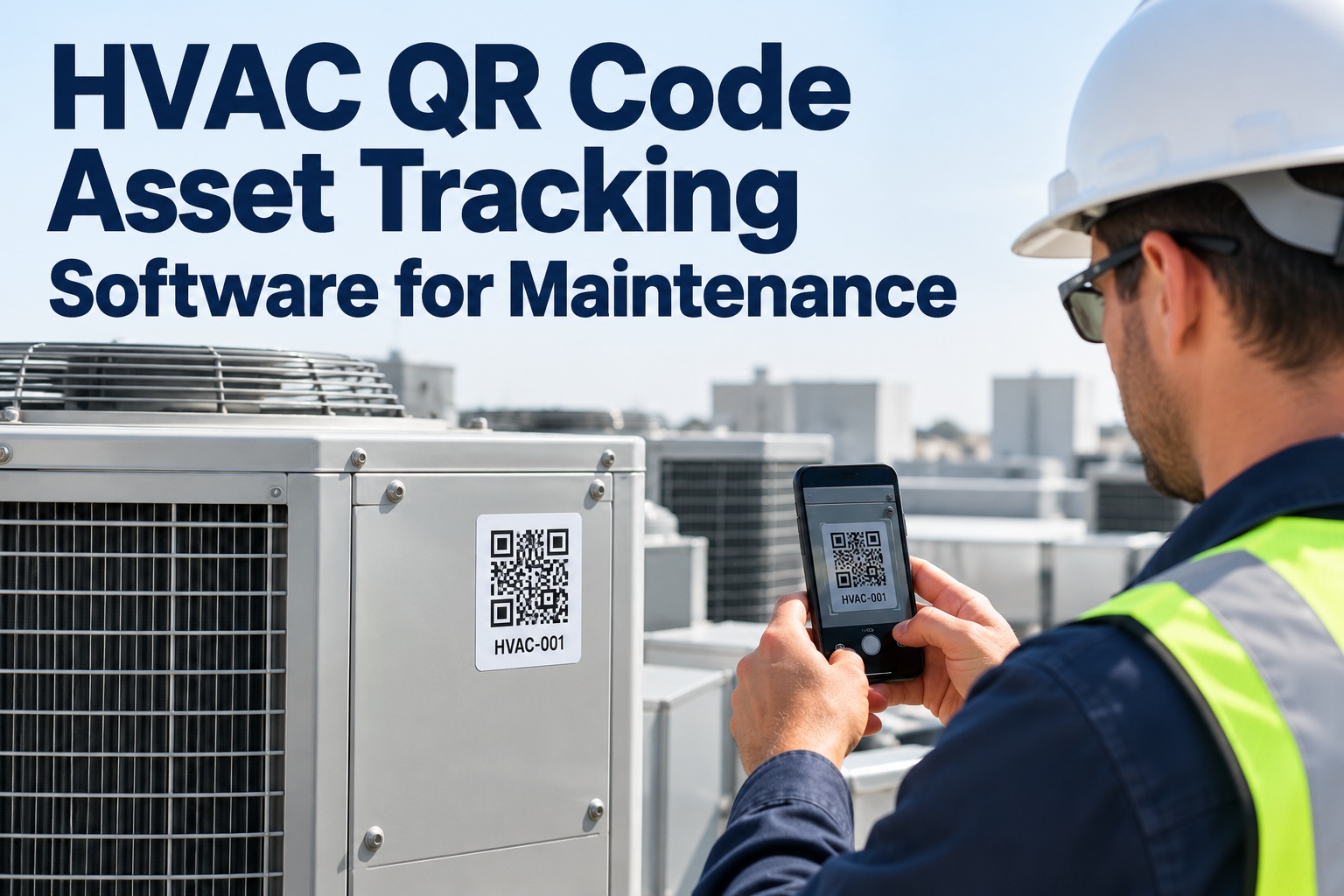
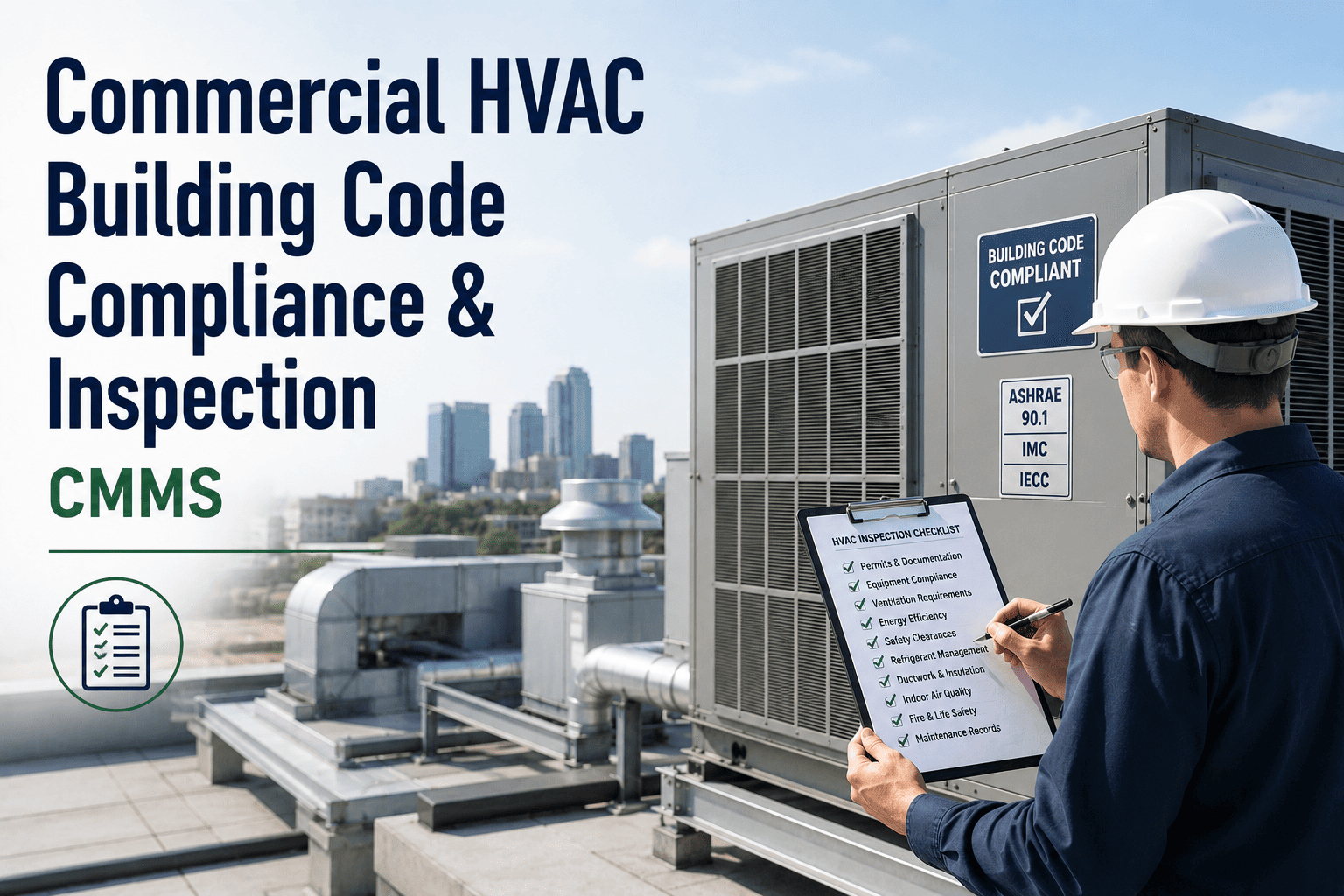
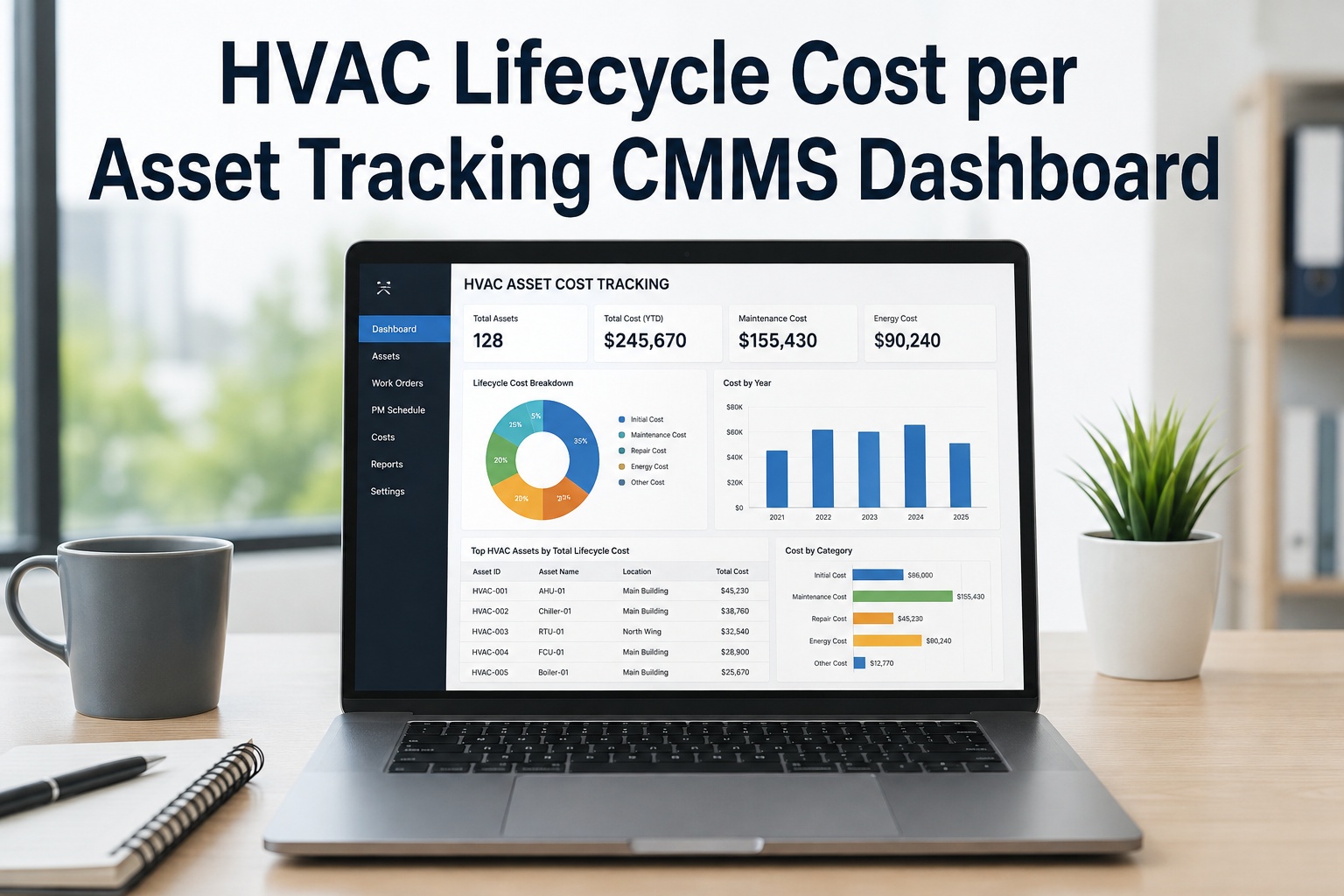
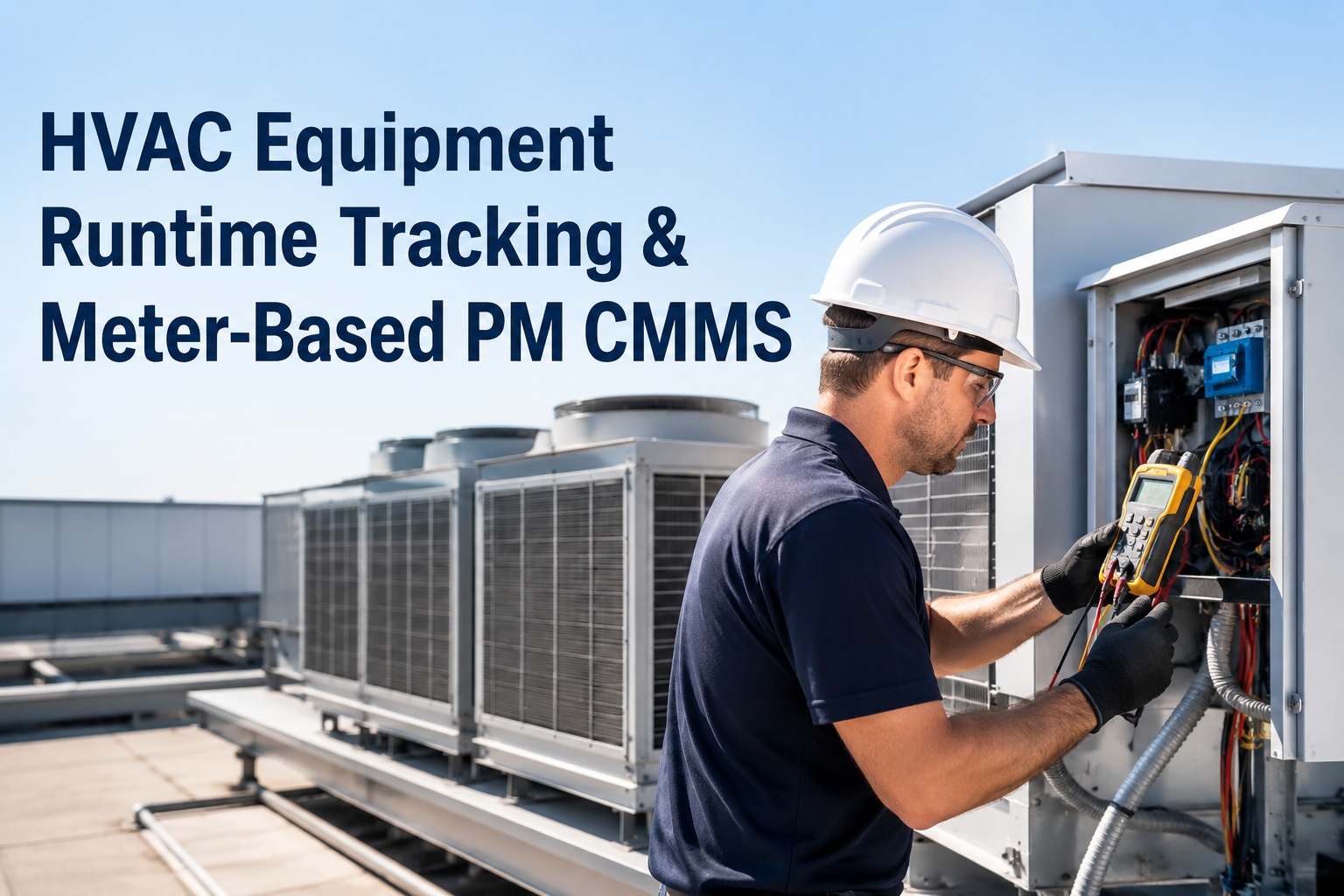
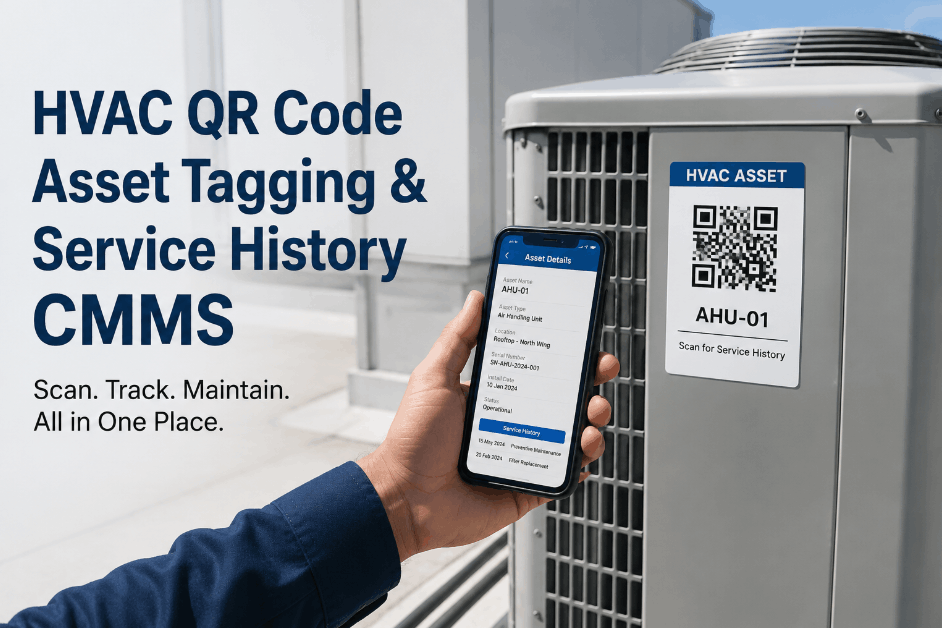
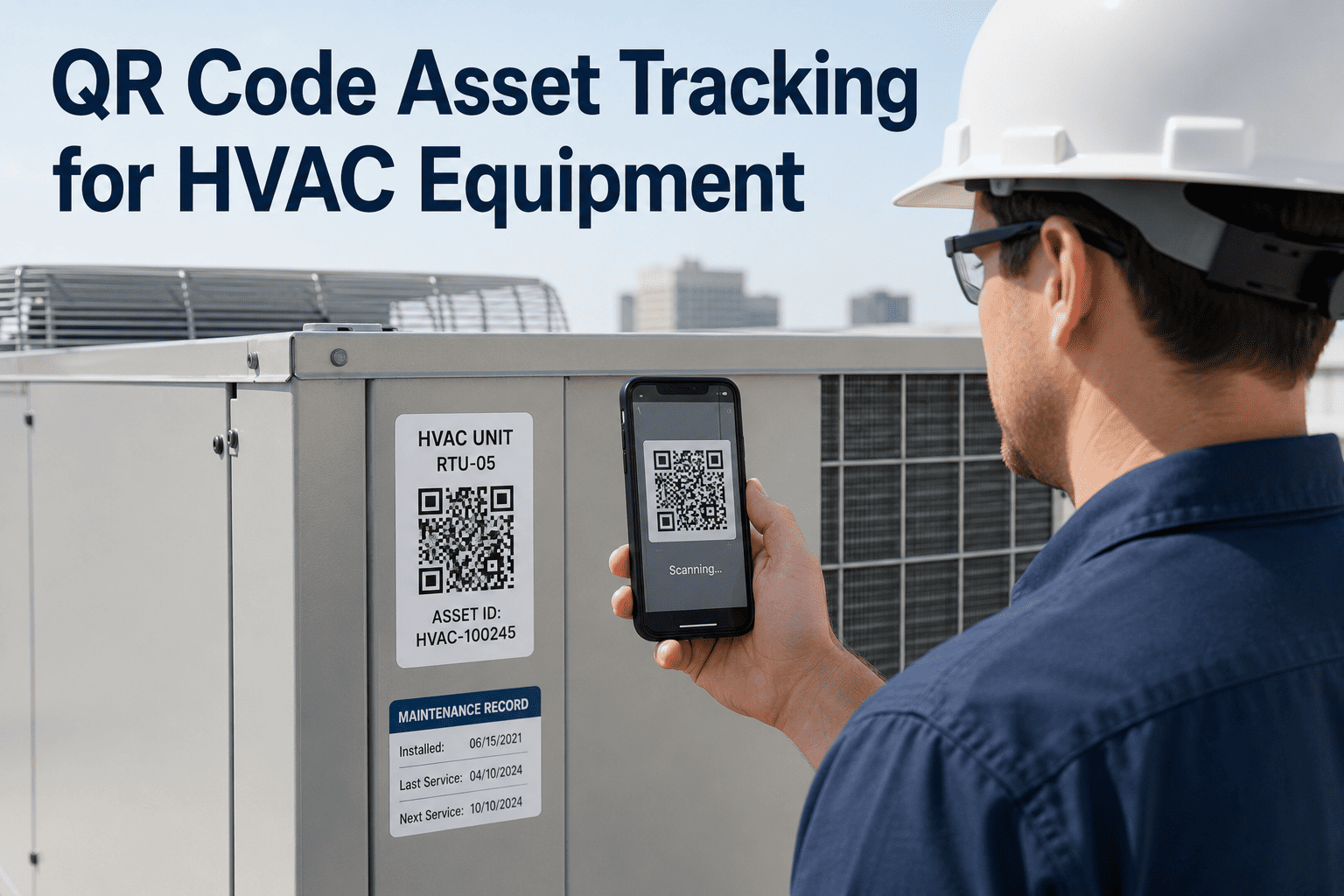
Your HVAC technician arrives at Building C to service a rooftop unit. The work order says "RTU-7" but there are twelve identical units on that roof—none labeled. He spends 18 minutes calling the office, searching spreadsheets, guessing which unit needs service. Meanwhile, the tenant below sweats through an important client presentation. This scene repeats across property management portfolios every day. One QR code scan changes everything—instant access to service history, specifications, and step-by-step checklists. No guessing. No delays. Happier tenants.
Industry Data 2025
Why Property Managers Are Switching to QR Workflows
55%negative reviews cite delays
$14Bspent on HVAC repairs annually
What Is an Assets QR Workflow?
An Assets QR workflow connects physical HVAC equipment to a centralized digital maintenance system. When a technician scans the QR code on an air handler, condenser, or rooftop unit, they instantly access everything needed: installation dates, warranty status, complete service history, manufacturer specs, parts lists, and standardized checklists. No more guessing which unit is which. No more calling the office for records. Property managers using digital asset tracking with Oxmaint report dramatically faster response times and fewer repeat service calls.
How It Works
From Scan to Completion in 4 Steps
01
Scan QR
Technician scans asset tag with any smartphone
02
View History
Full service records load instantly
03
Follow Checklist
Standardized procedures every time
04
Auto-Sync
Records update in real-time
The Real Cost of Inefficient HVAC Maintenance
When HVAC maintenance fails, the impact cascades through your entire operation. Tenant complaints spike. Emergency repair costs multiply. And the data shows that dissatisfied tenants don't renew leases. Property managers who want to see how QR workflows prevent these scenarios can book a quick demo and watch the system in action.
The Domino Effect
One Delayed Service Call Creates a Chain Reaction
Service Delayed
18+ min
identifying asset
Tenant Frustrated
55%
cite delays in reviews
Lease Non-Renewal
63%
plan to move
Revenue Lost
$1,750+
per unit turnover
Before & After QR Implementation
Without QR Workflow
18+ min to identify correct asset
Phone calls to office for history
Paper work orders lost or delayed
Inconsistent maintenance procedures
No real-time visibility for managers
VS
With QR Workflow
Instant asset identification via scan
Complete history on tech's phone
Digital work orders auto-close
Standardized digital checklists
Real-time dashboard for all
See QR Workflows Transform Your Operations
Watch how one scan gives technicians everything they need. Our 30-minute demo shows the complete workflow from asset tagging to automated reporting.
Rolling out QR-based HVAC tracking doesn't require overhauling your entire operation. Start with critical equipment—rooftop units, chillers, and central air handlers—where downtime costs most. Then expand as your team adapts. Ready to start? Create your free Oxmaint account and generate your first QR asset tags in minutes.
Implementation Plan
Your 4-Week Path to Digital Maintenance
Week 1
Asset Audit
Inventory HVAC equipmentAssign unique asset IDsClean existing records
Week 2
QR Generation
Generate codes in CMMSPrint durable labelsPlan mounting locations
Week 3
Field Deployment
Affix tags to equipmentValidate with test scansTrain technicians
Week 4
Go Live!
Launch workflowsMonitor adoptionGather feedback
Expert Insights: The Business Case
Digital service platforms contribute to 27% faster job completion rates and 32% improvement in technician productivity. When a technician scans a QR code, that single action updates inventory, logs the service record, and triggers the next scheduled maintenance automatically. The ROI is undeniable.
40%
Less Emergency Repairs
with predictive maintenance
25%
Faster Job Completion
with digital workflows
35%
Higher Tech Utilization
with field service software
98%
Work Order Accuracy
with auto-populated assets
Property managers investing in QR workflows typically see positive ROI within 6-12 months. A single prevented HVAC emergency—which can cost $3,000-$6,000 in repairs plus lost rent—often justifies the first year's investment. Explore our property management solutions and asset management features to see how it fits your portfolio.
Transform Your HVAC Maintenance Today
Join property managers using Oxmaint to connect every asset to a digital workflow. Faster response. Happier tenants. Complete visibility.
How do QR codes survive harsh rooftop environments?
Industrial QR labels are designed for extreme conditions. For indoor equipment, high-quality polyester labels work well. For rooftop units exposed to heat, moisture, or UV, use metal or anodized aluminum tags with etched codes. These maintain scannability even after years of weather exposure. CMMS platforms like Oxmaint generate codes with high error correction, meaning they remain functional even if partially damaged.
Do technicians need special hardware to scan codes?
No specialized equipment required. Any smartphone with a camera can scan QR codes—technicians use the device they already carry. Modern CMMS mobile apps include built-in scanning, eliminating the need for separate apps. This removes hardware costs and ensures every technician can access the system immediately.
How long does full implementation take?
For a typical portfolio, initial asset tagging takes 2-4 weeks depending on size and accessibility. Start with critical equipment—rooftop units, chillers, air handlers—which represent your highest-cost failure points. Many property managers tag 80% of high-priority assets in two weeks, then expand gradually.
Can this integrate with our existing software?
Yes. Modern CMMS platforms offer integrations with major property management systems, accounting software, and work order platforms. When a technician completes work via QR scan, data automatically syncs—updating tenant records, triggering invoicing, and maintaining compliance documentation without duplicate entry.
What's the typical ROI timeline?
Most property managers see positive ROI within 6-12 months. Returns come from reduced emergency repairs (30-40% savings), improved technician utilization (35% increase), faster invoicing (45% improvement), and tenant retention gains. A single prevented HVAC emergency often justifies the first year's investment.