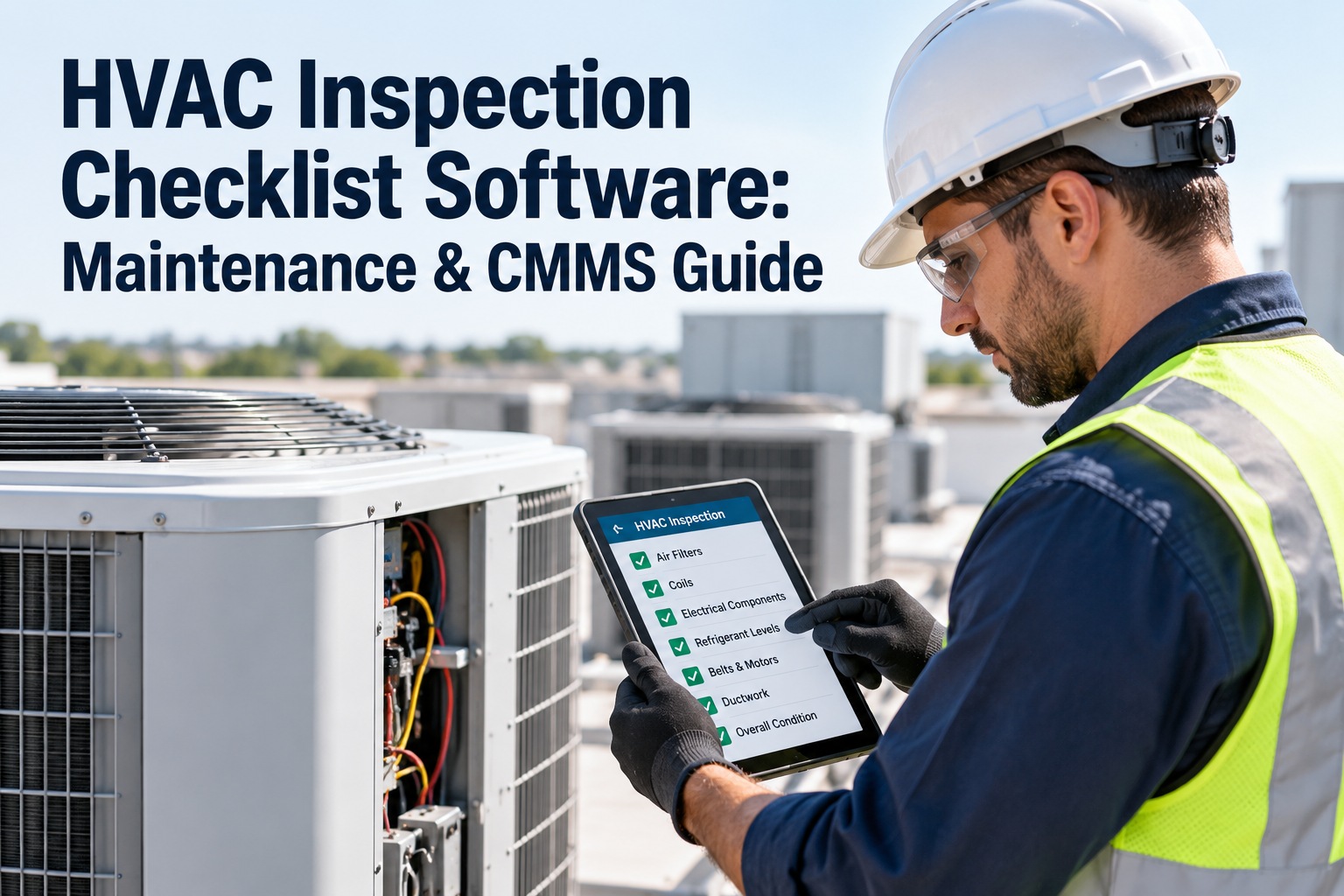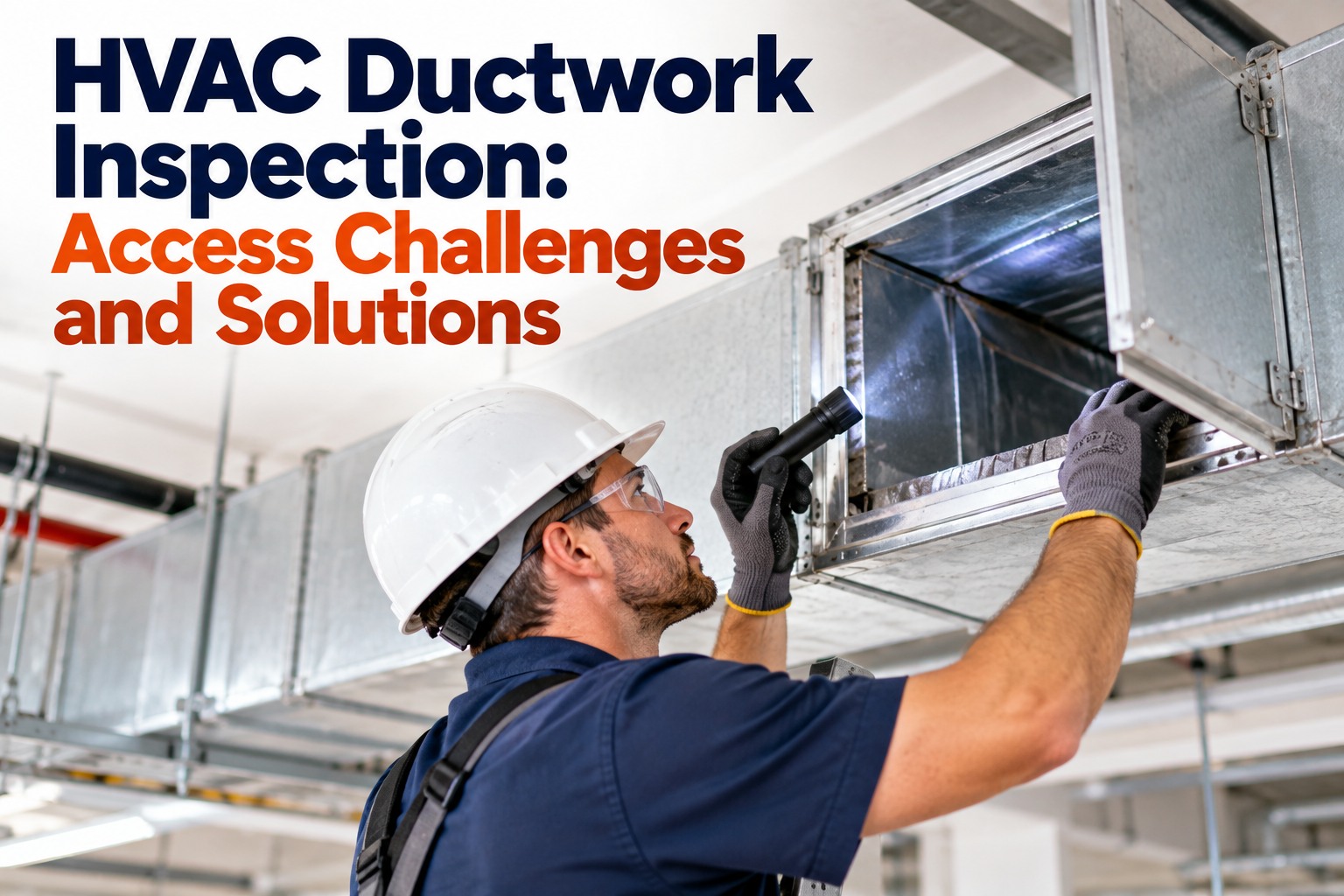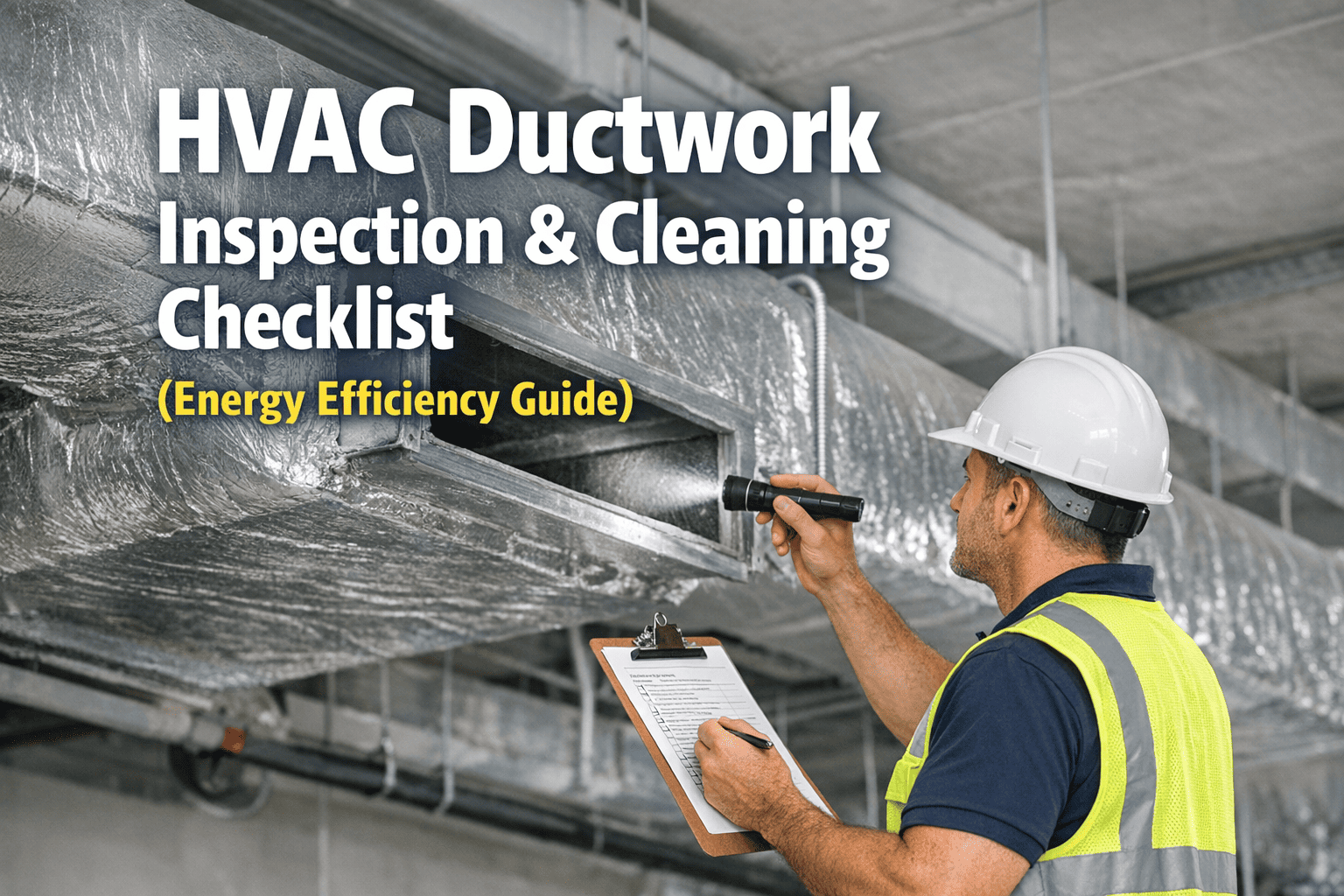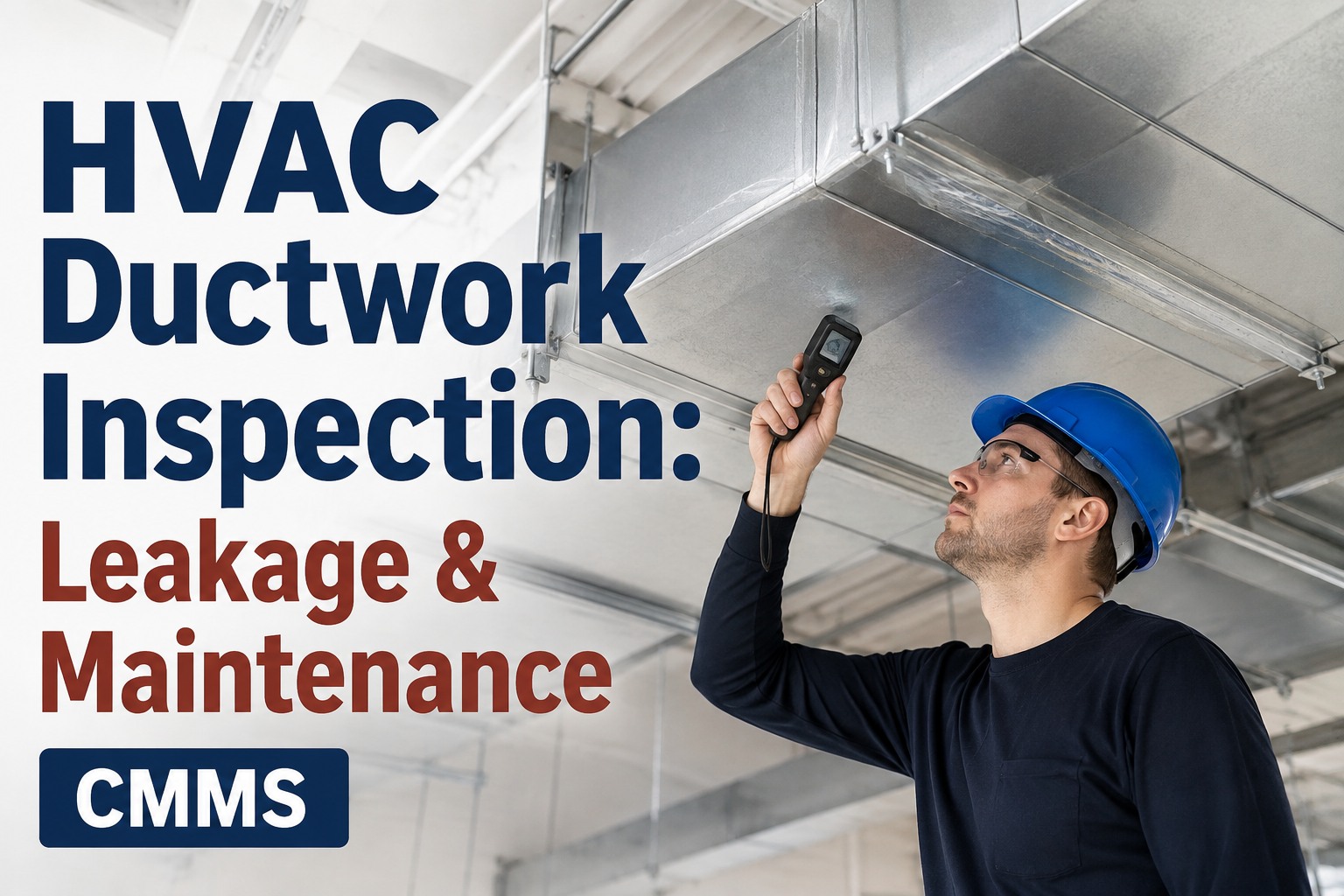
HVAC ductwork inspection is the systematic process of evaluating duct leakage, insulation integrity, and mold growth to maintain energy efficiency and indoor air quality. A duct leakage guide helps facility managers identify hidden losses—unsealed or damaged ductwork can waste 20–30% of conditioned air, driving up utility costs and accelerating equipment wear. This ductwork maintenance guide covers everything from duct inspection checklists to ductwork energy efficiency strategies, so your team can transition from reactive fixes to a proactive CMMS ductwork program. By pairing regular HVAC duct inspections with a centralized maintenance platform like OxMaint, teams automate work orders, track asset history, and schedule preventive tasks without spreadsheets. Start Free Trial to digitize your duct maintenance program today.
HVAC Ductwork Inspection Guide 2026
Stop Losing 30% of Conditioned Air to Hidden Duct Leaks
Most facilities discover ductwork failures only after energy bills spike or occupants complain. A structured HVAC ductwork inspection program catches leaks, insulation gaps, and mold growth early—cutting energy waste and extending asset life.
The Cost of Skipping Inspections
Why HVAC Ductwork Inspection Matters in 2026
Leaky ductwork wastes up to 30% of conditioned air, adding thousands in annual energy costs per building.
ASHRAE studies show 20–30% of HVAC energy is wasted through unsealed or damaged duct connections in commercial buildings.
A 100,000 sq ft facility with moderate duct leakage loses an estimated $35,000 annually in excess heating and cooling costs.
Overworked compressors and fans caused by restricted or leaking ducts fail 10–15% sooner, accelerating capital replacement cycles.
Real-World Example
A 180-asset manufacturing plant in Ohio discovered that 4 of its 12 rooftop units were forcing conditioned air through unsealed flex duct joints. After a single HVAC ductwork inspection cycle and targeted resealing, the facility cut duct leakage from 28% to under 6%, saving $42,000 per year in energy and avoiding two emergency compressor replacements.
Duct Inspection Checklist
Complete HVAC Duct Inspection Checklist
Use this four-tier checklist to standardize inspections across every rooftop unit, VAV box, and trunk line in your facility.
Duct Leakage Testing
- Pressurize duct section to 25 Pa test pressure
- Measure airflow rate with calibrated duct blaster
- Calculate leakage as % of total supply airflow
- Flag joints exceeding 6% leakage threshold
- Document before/after sealant application
Duct Insulation Inspection
- Verify insulation R-value matches spec (R-6 to R-8)
- Check vapor barrier for tears or delamination
- Inspect for compression or water damage
- Thermal scan for hot spots on supply ducts
- Replace saturated or moldy insulation sections
Ductwork Mold Inspection
- Inspect interior surfaces with borescope camera
- Check drain pan for standing water or biofilm
- Measure relative humidity inside duct (target under 60%)
- Swab and culture suspected microbial growth
- Schedule remediation per NADCA ACR standards
Structural & Connection Audit
- Inspect flex duct sag (max 0.5 in per ft support)
- Verify sheet metal screws at all slip connections
- Check hanger spacing (max 8 ft on rigid duct)
- Inspect fire dampers for free movement and labeling
- Confirm access panels are sealed and secured
Ductwork Maintenance Guide
How to Build a CMMS Ductwork Program
A structured 6-month rollout transforms duct maintenance from reactive emergency calls to a predictable, compliance-ready schedule.
Asset Register & Baseline Audit
Catalog every duct section, VAV box, rooftop unit, and exhaust fan in the OxMaint asset registry. Tag each with location, size, material, and last-known condition. Conduct a full baseline HVAC ductwork inspection to establish leakage rates and insulation status across the portfolio.
Risk Tiering & Priority Mapping
Score each duct asset by criticality: occupied space served, energy impact, IAQ risk, and regulatory exposure. Assets serving cleanrooms, patient rooms, or food production get Tier 1 priority with quarterly inspections. Tier 3 assets in low-traffic zones move to semi-annual or annual cycles.
PM Schedule & Work Order Templates
Build preventive maintenance templates inside OxMaint for each tier: duct leakage test, insulation check, mold inspection, filter replacement, and damper exercise. Auto-generate work orders 14 days before due dates with assigned technicians, required parts, and attached inspection checklists.
Mobile Execution & Documentation
Technicians complete inspections on the OxMaint mobile app—capturing photos, leakage readings, and defect notes directly at the asset. Failed items auto-generate corrective work orders. Every record is time-stamped and stored against the asset history for audit readiness and compliance reporting.
Analytics & Trend Detection
Leverage OxMaint analytics dashboards to spot trends: which zones leak repeatedly, which insulation fails fastest, which technicians close defects fastest. Compare energy consumption pre- and post-repair to quantify ROI. Flag assets trending toward failure for predictive intervention.
Optimize & Scale
Adjust inspection frequencies based on six months of real data. Assets with zero defects drop to a longer interval; chronic offenders get predictive sensors or more frequent visits. Roll the CMMS duct maintenance program to additional facilities using the proven template set.
Ductwork Energy Efficiency
Duct Leakage Guide: Calculating Energy Waste & ROI
Quantify what leaking ducts cost you and what a sealed system returns—then track the payback in your CMMS.
LCC = Leakage Cost per Year. CFMleak = leaked cubic feet per minute. ΔT = temperature difference. COP = coefficient of performance. A 500 CFM leak in a 20°F ΔT system running 3,000 hours at $0.12/kWh with COP 3.5 wastes roughly $1,110/year per duct run.
PBP = Payback Period in months. If mastic sealing and clamp repairs cost $2,400 per zone and annual energy savings total $4,200, payback occurs in 6.9 months. After that, every dollar saved goes straight to operating margin.
| Leakage Rate | 10K sq ft Facility | 50K sq ft Facility | 100K sq ft Facility | Annual Waste |
|---|---|---|---|---|
| 5% (Good) | $850 | $4,200 | $8,400 | Minimal |
| 10% (Average) | $1,700 | $8,500 | $17,000 | Moderate |
| 20% (Poor) | $3,400 | $17,000 | $34,000 | High |
| 30% (Critical) | $5,100 | $25,500 | $51,000 | Severe |
How OxMaint Helps
CMMS Duct Maintenance Powered by OxMaint
Replace clipboards and spreadsheets with an AI-driven platform that schedules, tracks, and optimizes every duct inspection.
Automated PM Scheduling
OxMaint auto-generates preventive maintenance work orders for duct leakage testing, insulation inspection, and mold checks based on asset criticality and usage. No missed inspections, no calendar gaps.
Outcome: 100% PM compliance, 40% fewer emergency duct repairsMobile Inspection Checklists
Technicians complete the full duct inspection checklist on their phone or tablet—capturing photos, leakage readings, and defect notes offline. Data syncs instantly to the asset record when connectivity returns.
Outcome: Eliminate paper work orders, cut documentation time 60%Predictive Analytics & Trend Alerts
OxMaint AI analyzes inspection history, leakage trends, and energy data to predict which duct sections will fail next. Get alerts before energy waste compounds or mold takes hold.
Outcome: Catch failures 2–4 weeks early, cut unplanned downtime 30–50%Spare Parts & Inventory Tracking
Track sealant, mastic, flex duct, insulation rolls, and clamps in real-time. OxMaint links parts to work orders so technicians never arrive at a job without the materials needed to seal and repair.
Outcome: Reduce parts stockouts 70%, cut repair turnaround 45%See OxMaint Manage Your Ductwork Maintenance—Live
Watch how fast your team can schedule inspections, assign work orders, and track energy savings across every HVAC asset.
Frequently Asked Questions
HVAC Ductwork Inspection FAQs
How often should HVAC ductwork be inspected?
Commercial HVAC ductwork should be inspected at least annually, with high-criticality assets like those in healthcare, cleanrooms, or food production inspected quarterly. Duct leakage testing is recommended every 12–24 months, while mold inspections should follow any moisture event or water damage immediately. A CMMS duct maintenance program automates these intervals so no inspection is missed.
What is duct leakage testing and how is it performed?
Duct leakage testing pressurizes a duct section to a standard differential—typically 25 Pa—and measures the airflow required to maintain that pressure using a calibrated duct blaster or fan. The result is expressed as a percentage of total supply airflow or as CFM per 100 sq ft of duct surface. Leakage above 6–10% of total airflow signals the need for joint resealing or connection repair.
What are the signs of mold growth in HVAC ductwork?
Common signs include musty odors from supply registers, visible discoloration on duct interior surfaces (found via borescope inspection), standing water in drain pans, and persistent indoor humidity above 60%. Occupant complaints of respiratory irritation can also indicate microbial growth. If mold is suspected, schedule a professional ductwork mold inspection and remediation per NADCA ACR standards. You can Book a Demo to see how OxMaint tracks mold inspection records and remediation timelines.
How much does duct leakage cost in wasted energy?
Duct leakage can waste 20–30% of conditioned air, translating to $1,700–$5,100 annually for a 10,000 sq ft facility and over $50,000 for a 100,000 sq ft building with critical leakage. The exact cost depends on local energy rates, climate zone, system COP, and operating hours. Sealing leaks typically pays back in 6–12 months through energy savings alone.
Can a CMMS improve ductwork maintenance efficiency?
Yes—a CMMS like OxMaint automates preventive maintenance scheduling, digitizes inspection checklists, and tracks asset history so no duct section is overlooked. Facilities using OxMaint report 40% fewer emergency duct repairs, 60% less documentation time, and full audit-readiness for compliance standards like ISO 55000 and NADCA ACR. Switching from spreadsheets to a CMMS ductwork program typically pays for itself within the first quarter.
Transform Your Ductwork Maintenance Today
Stop wasting energy and start tracking every inspection, repair, and savings dollar in one AI-powered platform built for maintenance and reliability teams.
Free 14-day trial · No credit card