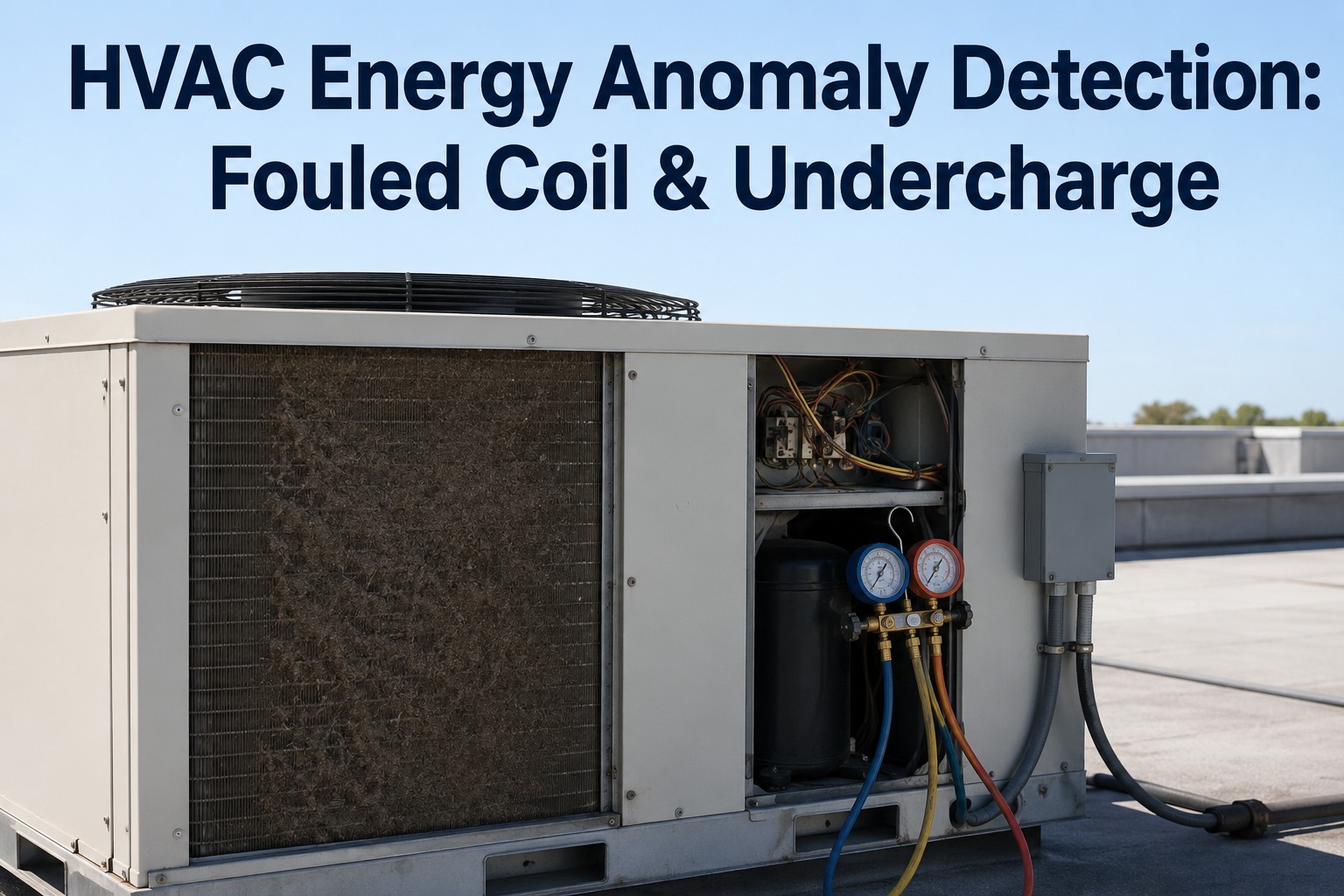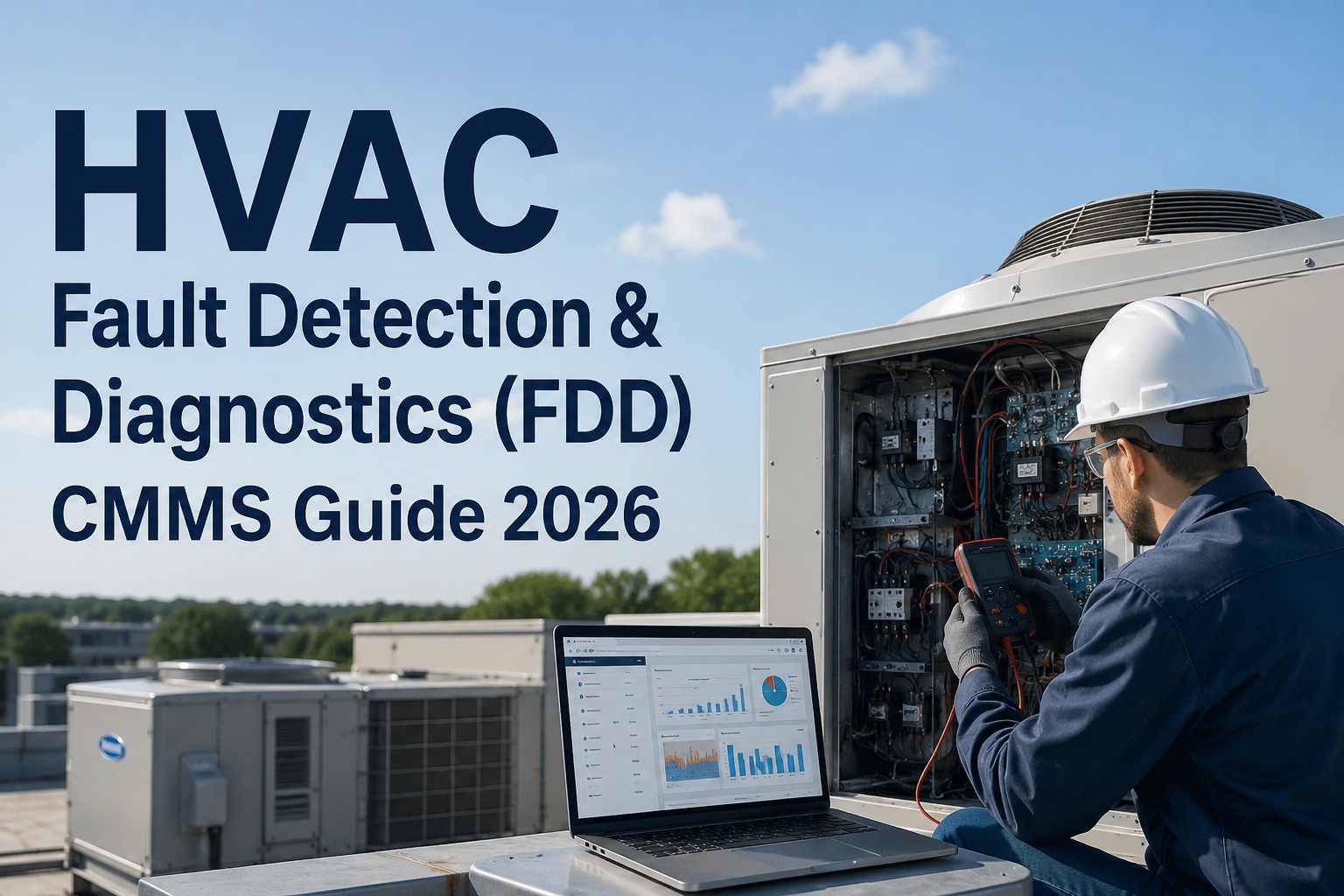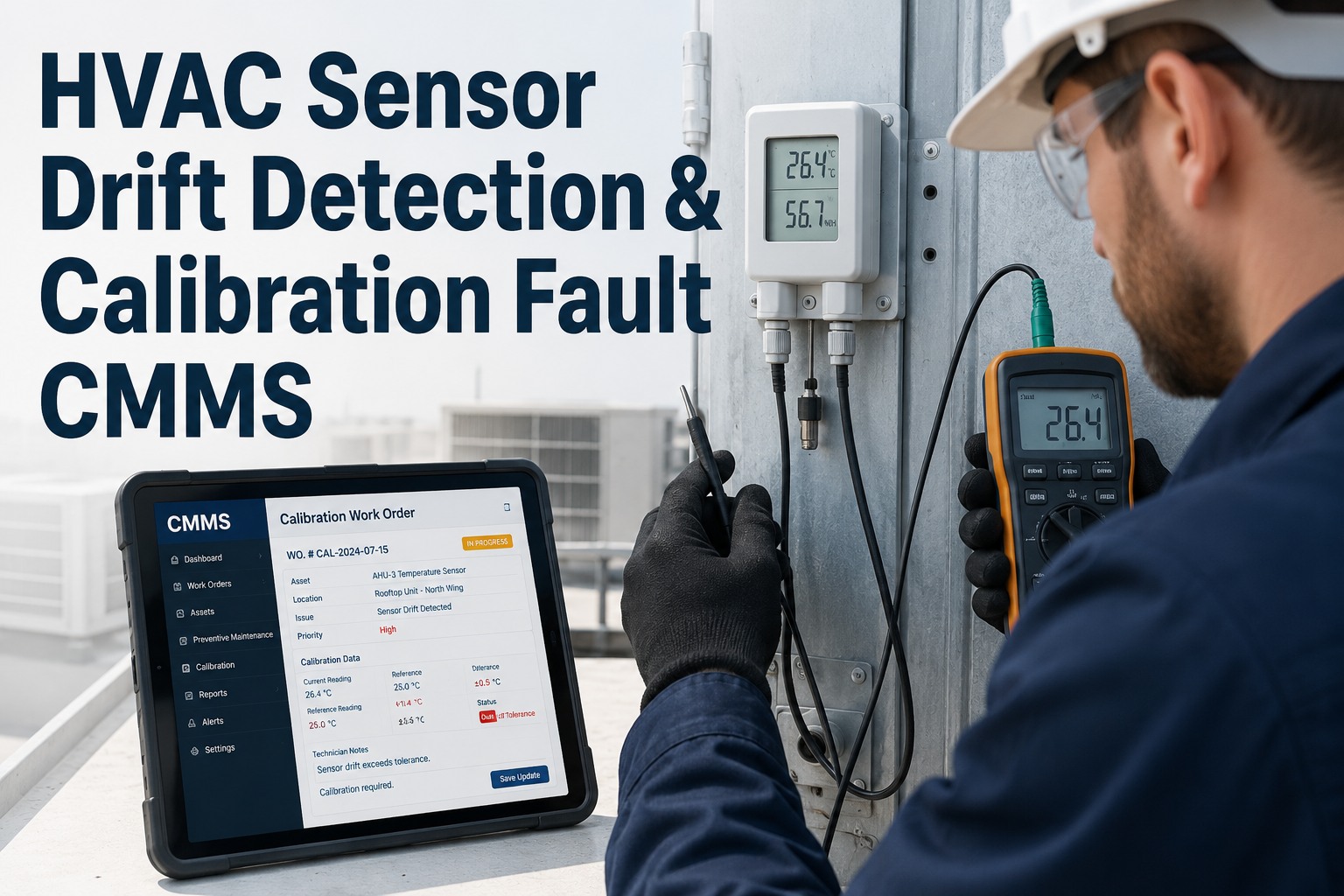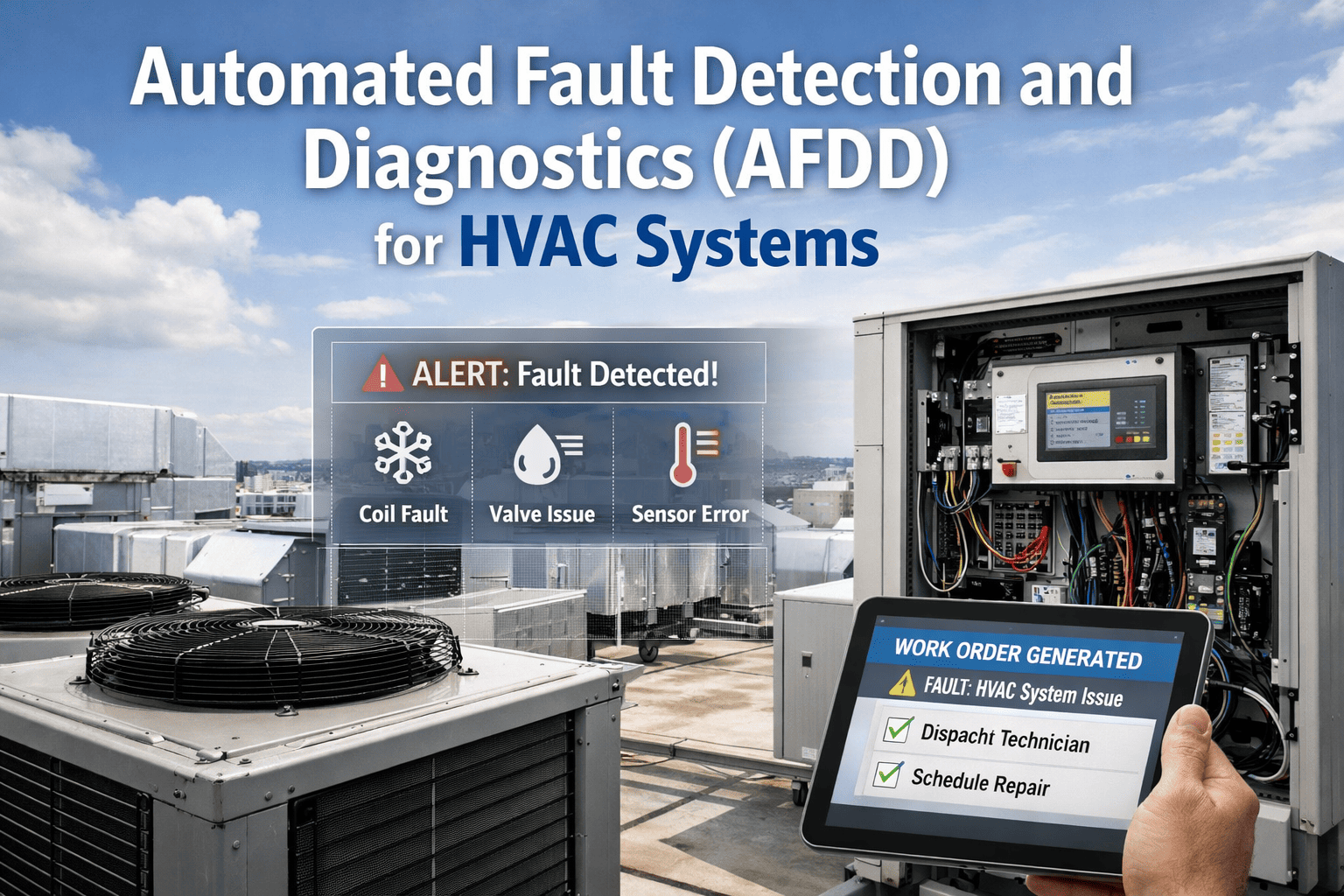
Nothing breaks. No alarm sounds. Yet the chiller draws a little more each week, a damper sits half open, an air handler runs through the night, and the utility bill quietly climbs. That is energy creep: a fault you pay for every month, long before anyone is called. Anomaly diagnostics catch it by comparing each system with its own normal behavior. This guide explains how HVAC energy waste is detected, what the common patterns look like, and how a finding becomes a fixed problem. OxMaint AI CMMS connects detection to the work order that fixes it.
HVAC Energy Waste Detection and Anomaly Diagnostics
By the time the bill shows the drift, you have already paid for it for weeks.
OxMaint AI CMMS links equipment signals to anomaly alerts, work orders and PM schedules in one platform, so energy drift becomes a tracked fix.
The result: better asset visibility, with each unit's behavior and repair history in one record.
What Energy Creep Looks Like
The line below is illustrative: a unit's weekly energy use against its normal band. Each week looks ordinary, yet the trend leaves the band. Start free and track each unit against its own baseline.
Three Kinds of HVAC Anomaly
A single event, such as a compressor or fan drawing far more than usual. Easy to see, still worth a work order.
Gradual creep from fouling, sensor error or wear. Invisible week to week, expensive over a season.
Equipment running when it should not, for example overnight, weekends or while a space is empty.
Common Sources of HVAC Energy Waste
These patterns recur across commercial buildings. Confirm each against your own system. Book a demo to map them to your assets.
A Flagged Anomaly Is Not a Fixed Fault
Detection only saves energy once someone repairs the cause. OxMaint AI turns the finding into an assigned work order tied to the unit's history, then keeps the repair on record.
Bill Review vs Anomaly Diagnostics
| Waiting for the bill | Anomaly diagnostics | |
|---|---|---|
| When you learn | Weeks after the waste starts | As the deviation develops |
| What you see | A total for the building | Which unit, and how it differs from normal |
| Next step | Investigate by guesswork | Work order with asset history |
| Proof it worked | Hope next month is lower | Compare readings after the repair |
The Detect-to-Verify Loop
How OxMaint AI Supports It
AI reviews runtime, temperature and sensor trends and raises proactive work orders.
Anomalies become assigned jobs with labor, parts and photos tracked to closure.
Filter, coil and damper routines scheduled and adjusted from real findings.
Digital checklists catch what sensors cannot, with failed items creating work.
One record per unit with history, health score and QR lookup.
Dashboards and reports to review trends across buildings.
Frequently Asked Questions
Fix the Drift Before It Reaches the Bill.
Connect your equipment signals, flag anomalies early, and turn every finding into a tracked repair your team can close.