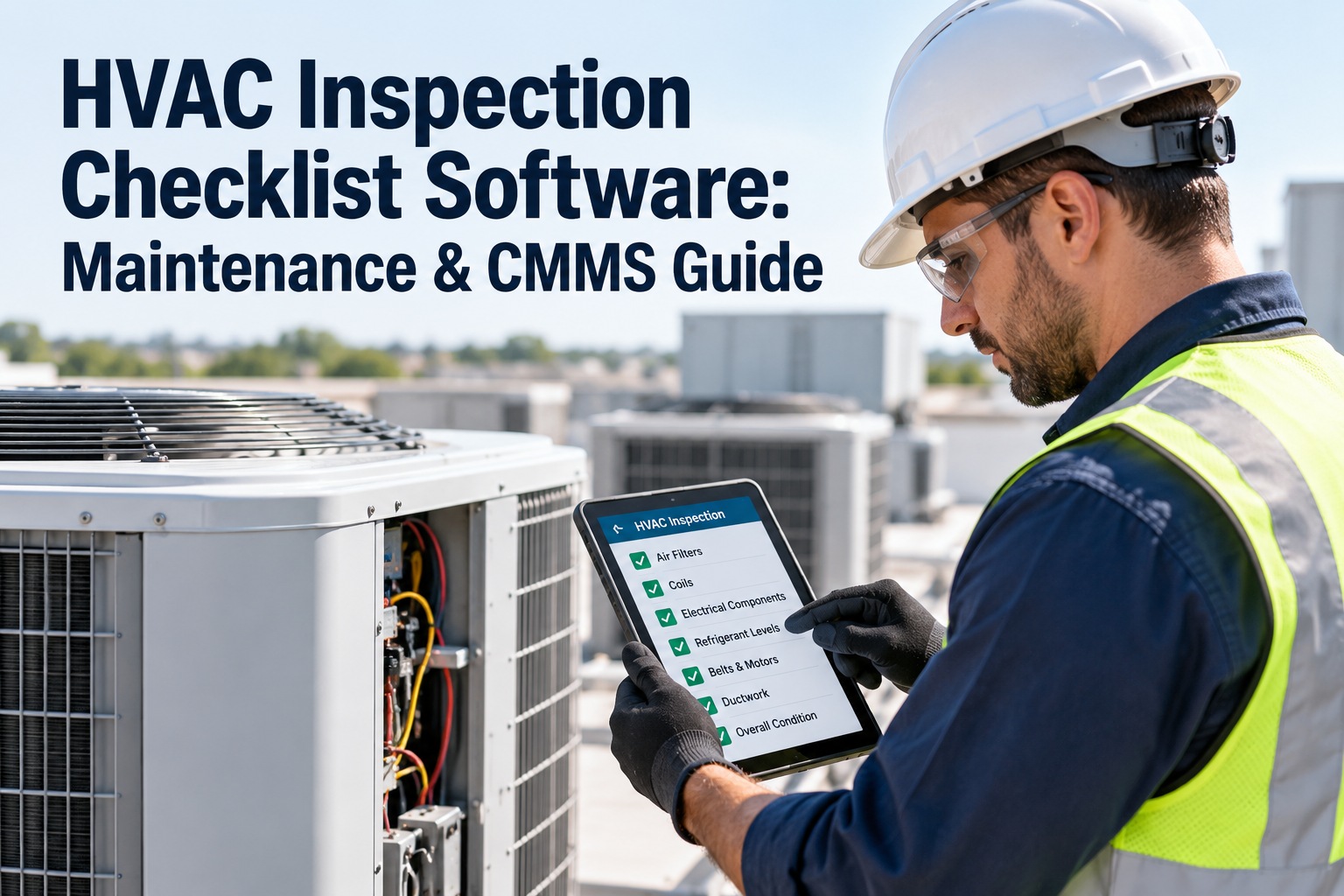
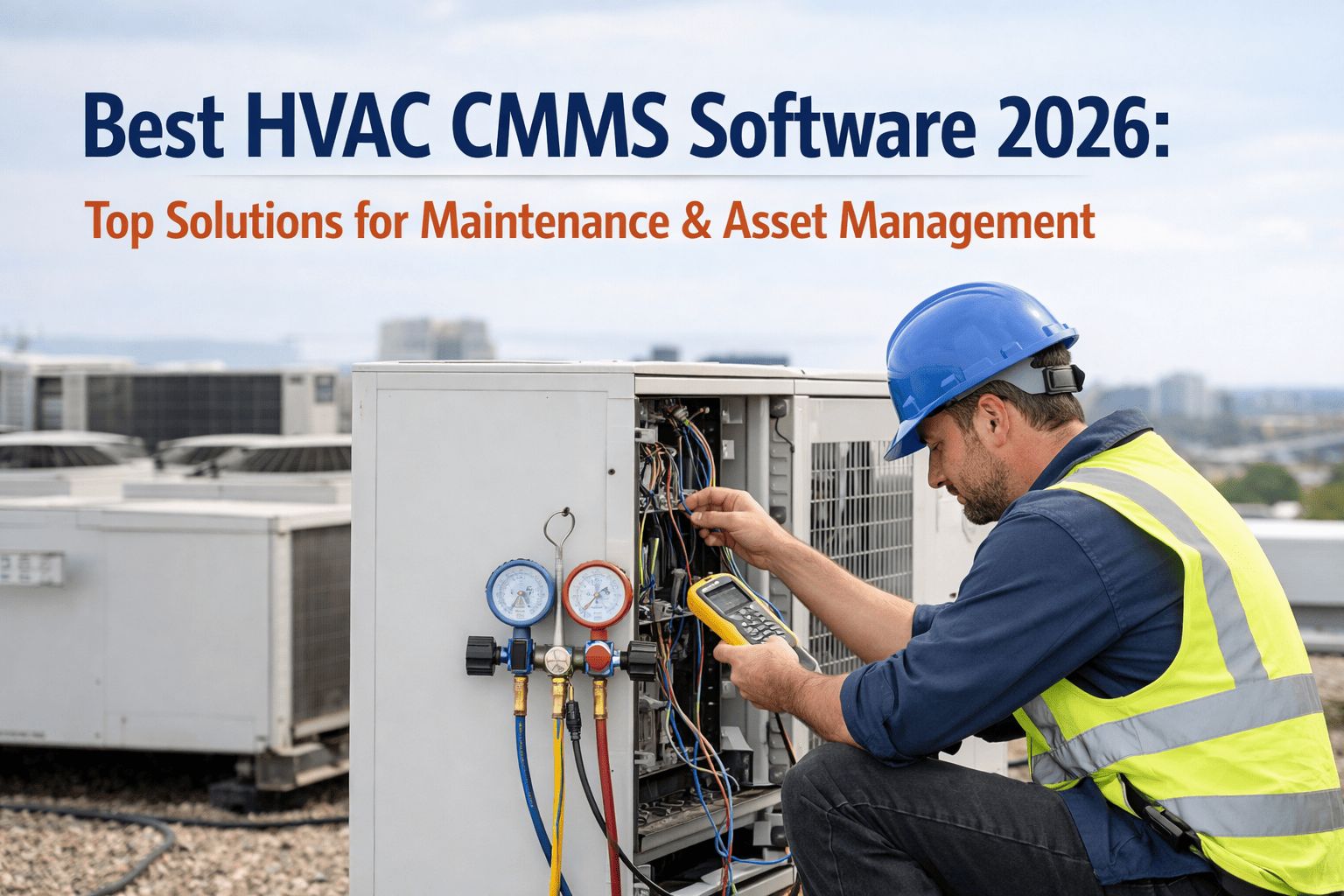
Your rooftop unit stopped working at 2:47 PM on a Tuesday. By 3:15 PM, the fourth floor was at 84°F. By 4:00 PM, tenants were complaining. By 5:30 PM, your emergency HVAC contractor quoted $4,200 for after-hours service—and couldn't arrive until tomorrow morning. Meanwhile, the compressor that failed had been showing warning signs for six weeks: elevated discharge temperatures, longer run cycles, and subtle efficiency drops that went unnoticed because no one was tracking them. This scenario plays out in commercial facilities every single day, and it's entirely preventable.
Why HVAC Failures Are Increasing in Commercial Facilities
The commercial HVAC landscape has fundamentally shifted. Equipment costs have increased nearly 7% annually since 2021, parts lead times have stretched from days to weeks, and the skilled technician shortage continues to intensify. Facilities that once could absorb occasional breakdowns are now discovering that a single compressor failure can cascade into tenant complaints, lost productivity, and repair bills that exceed $10,000 when emergency service premiums are factored in.
Most facility managers don't realize their HVAC systems are failing until comfort complaints start flooding in. By then, minor issues have become major repairs. A refrigerant leak that could have been fixed for $300 during a routine inspection becomes a $3,500 compressor replacement when left undetected. The fundamental problem isn't the equipment—it's the lack of visibility into equipment health and the absence of systematic maintenance workflows. Facilities ready to shift from reactive firefighting to proactive management can start a free trial and see immediate improvements in maintenance visibility.
Common HVAC Maintenance Mistakes That Cost Facilities Thousands
Even facilities with dedicated maintenance teams fall into predictable traps that undermine HVAC reliability. The most damaging mistake isn't ignoring maintenance entirely—it's maintaining equipment inconsistently, without documentation, and without data to guide decisions. When maintenance lives in spreadsheets, email threads, and technician memories, critical tasks slip through the cracks.
These mistakes compound over time. A facility that doesn't track filter changes may not realize their RTUs are running with restricted airflow for months, driving up energy costs and accelerating compressor wear. Without systematic inspection records, identifying the root cause of recurring issues becomes guesswork. Operations directors looking to close these gaps can book a demo to see how modern CMMS platforms eliminate these blind spots.
How Preventive Maintenance Software Transforms HVAC Operations
CMMS platforms designed for facility management bring structure, automation, and visibility to HVAC maintenance. Instead of relying on memory or scattered spreadsheets, every asset gets a complete maintenance profile with scheduled inspections, documented service history, and parts inventory tracking. When a technician completes a filter change, the system automatically schedules the next one, assigns it to the right person, and ensures nothing falls through the cracks.
The real power of HVAC maintenance software emerges when inspection data flows directly into work order generation. A technician notes elevated amp draws during a quarterly inspection; the system flags it for follow-up, creates a work order, and tracks it to resolution. This closed-loop process ensures that observations become actions—not forgotten notes in a binder.
Key Features That Reduce HVAC Downtime
Not all maintenance software delivers equal results for HVAC operations. The platforms that actually reduce downtime share specific capabilities designed around the realities of commercial HVAC management: multiple assets across multiple locations, seasonal demand variations, compliance requirements, and the need for mobile access in the field.
Expert Review: What Modern HVAC Teams Do Differently
The facilities achieving the lowest HVAC downtime rates share a common approach: they've replaced reactive maintenance with systematic, data-driven workflows. Instead of waiting for equipment to fail, they track performance indicators, schedule maintenance based on actual conditions, and maintain complete documentation that enables continuous improvement.
Facility managers who want to implement these practices without building systems from scratch can sign up for Oxmaint and access pre-built HVAC inspection templates, automated scheduling, and mobile work order management within minutes. The platform is designed specifically for facilities managing multiple HVAC assets across commercial properties.
How Oxmaint Supports Commercial HVAC Maintenance
Oxmaint provides a purpose-built CMMS platform that addresses the specific challenges commercial facility teams face with HVAC maintenance. The system enables facility managers to create detailed asset profiles for each HVAC unit, set up automated preventive maintenance schedules, and give technicians mobile tools for completing inspections and documenting work in real time.
Key capabilities include customizable inspection checklists for different equipment types, automated work order generation based on inspection findings, parts inventory tracking with low-stock alerts, and compliance reporting that satisfies ASHRAE and local code documentation requirements. The platform works across smartphones, tablets, and desktop browsers, ensuring maintenance data stays synchronized whether technicians are on the roof or in the office. Teams looking to streamline their HVAC maintenance workflows can schedule a personalized demo to see the platform configured for their specific equipment portfolio.
Conclusion: Stop Reacting, Start Preventing
Commercial HVAC downtime isn't just an inconvenience—it's a quantifiable drain on operational budgets, tenant satisfaction, and facility reputation. The difference between facilities that experience frequent emergency repairs and those that maintain consistent comfort comes down to systems and visibility. When maintenance teams have the right tools to schedule, document, and analyze their HVAC care, equipment lasts longer, failures become rare, and costs become predictable.
The path from reactive to proactive HVAC maintenance doesn't require massive capital investment or specialized training. It requires adopting digital workflows that automate scheduling, capture maintenance data, and turn observations into actions. Facilities that make this shift consistently report significant reductions in unplanned downtime, lower emergency repair costs, and extended equipment life cycles.