HVAC systems across multi-site facility portfolios generate thousands of data points daily — runtime hours, supply air temperatures, refrigerant pressures, filter differential, compressor cycling rates — and most of that data disappears without being acted on. When facility managers lack centralized visibility, equipment degradation goes undetected until it becomes a service call, a tenant complaint, or a system failure mid-summer. With Sign Up Free on Oxmaint, facility teams connect IoT sensors and BMS data streams directly into a CMMS platform that surfaces alarms, schedules predictive maintenance, and dispatches work orders automatically — across every building in your portfolio from a single dashboard.
Why Facility Portfolios Need Dedicated HVAC Remote Monitoring
Managing HVAC across multiple sites with disconnected BMS platforms, paper-based inspection logs, and reactive service calls is operationally unsustainable. Each unmonitored AHU, chiller, or rooftop unit is a liability accumulating deferred maintenance costs and comfort complaints. Book a Demo to see how Oxmaint unifies HVAC asset data across buildings into a single maintenance intelligence layer.
HVAC Remote Monitoring Capabilities in Oxmaint
Oxmaint's IoT sensor integration layer connects to existing BMS infrastructure, standalone sensor gateways, and building automation protocols to deliver continuous HVAC visibility without replacing existing systems. Sign Up Free and connect your first facility in under a day.
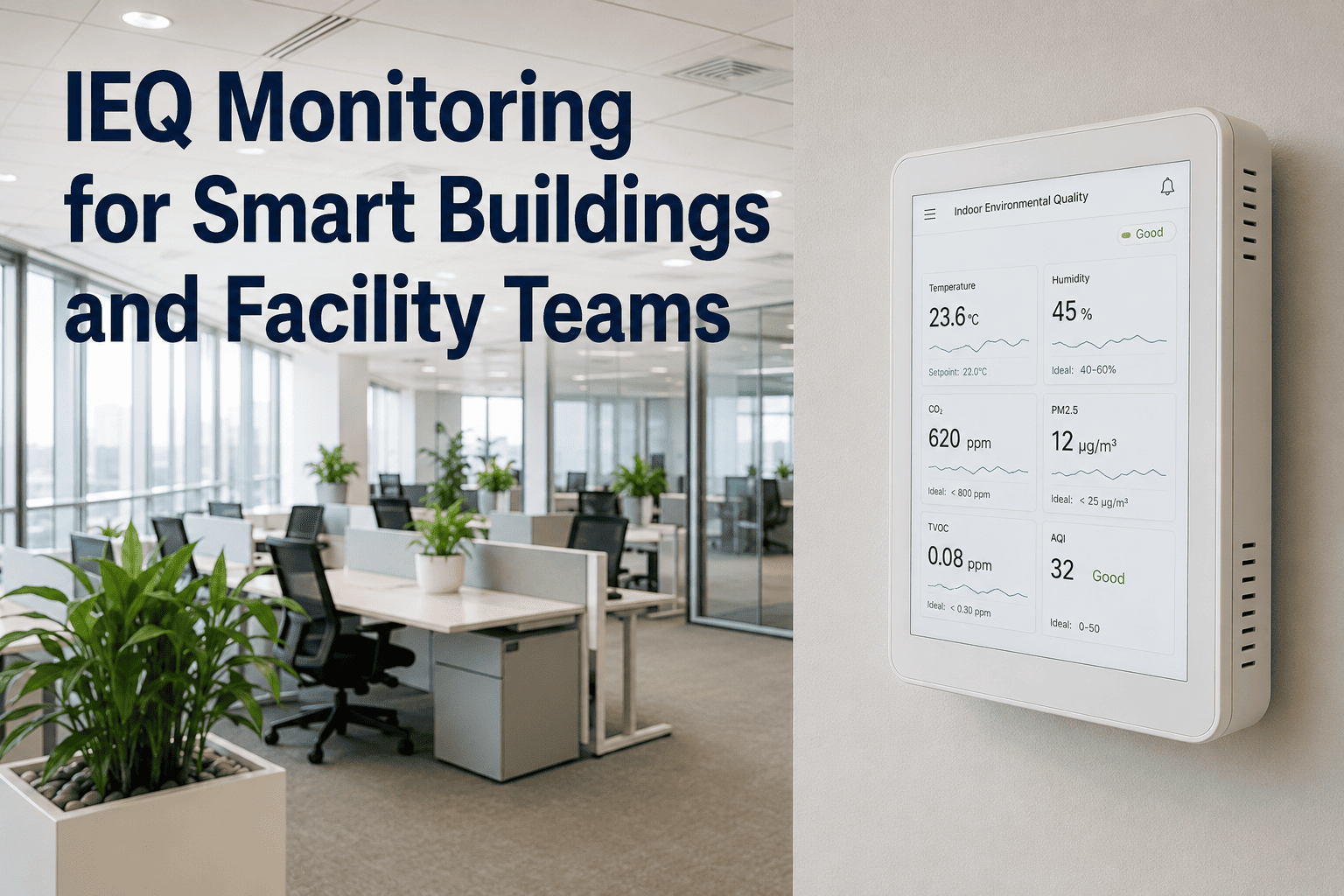
Oxmaint ingests live data from temperature, humidity, pressure differential, CO2, and runtime sensors across AHUs, chillers, cooling towers, and VAV systems. Configurable polling intervals and threshold-based alerts ensure anomalies surface before they become failures.
Oxmaint connects to existing Building Management Systems via standard protocols, pulling alarm states, setpoint deviations, and equipment fault codes into a unified maintenance record — eliminating the gap between BMS alerts and actual repair dispatching.
When a monitored HVAC asset breaches a defined threshold, Oxmaint automatically generates a corrective work order with asset context, alarm severity, and technician assignment — routing the right response without manual dispatcher intervention.
Oxmaint's AI Vision Camera, powered by NVIDIA technology, delivers continuous visual and thermal monitoring of mechanical rooms, rooftop units, and chiller plants — detecting abnormal heat signatures and operating conditions that sensor data alone may miss.
HVAC Fault Response Priority Matrix for Facility Teams
Not every HVAC alarm warrants the same response speed. A structured severity framework tied to your CMMS prevents technician bandwidth from being consumed by low-impact alerts while critical equipment failures escalate unresolved. Book a Demo to see Oxmaint's priority-based alarm routing in action.
| Alarm Severity | Example Condition | Affected Equipment | Response Target | Oxmaint Action |
|---|---|---|---|---|
| Critical | Compressor trip, chiller lockout | Chillers, RTUs | Immediate | P1 work order + escalation |
| High | Supply air temp deviation > 5°F | AHUs, VAV zones | Within 4 hours | P2 work order + alert |
| Medium | Filter differential rising trend | AHUs, FCUs | Next scheduled PM | Batched PM work order |
| Low | Setpoint drift, minor runtime anomaly | All HVAC assets | Monthly review | Logged for trend analysis |
Building a Portfolio-Wide HVAC Remote Monitoring Program with Oxmaint
HVAC Asset Registry and Site Mapping
Register every HVAC asset across all facilities in Oxmaint — chillers, AHUs, RTUs, cooling towers, boilers, and VAV boxes — with QR codes, location tags, and equipment specs. A complete asset map enables sensor data to be attributed to specific equipment and location for precise fault response.
IoT Sensor and BMS Connection Setup
Connect existing BMS outputs and IoT sensor gateways to Oxmaint's data ingestion layer. Configure monitored parameters, polling intervals, and alarm thresholds per asset type — without replacing or disrupting existing building automation infrastructure.
Alarm Threshold and Escalation Configuration
Define alarm thresholds per equipment type, seasonal operating mode, and facility criticality. Configure automatic escalation paths — primary technician, supervisor, on-call vendor — so every alarm reaches the right responder at the right time without manual monitoring.
Automated Work Order Dispatch on Alarm Trigger
When monitored HVAC conditions breach thresholds, Oxmaint auto-generates corrective work orders pre-populated with asset data, alarm context, and recommended repair steps — eliminating the detection-to-dispatch delay that allows small faults to escalate into full failures.
Portfolio KPI Dashboard and Predictive Trend Reporting
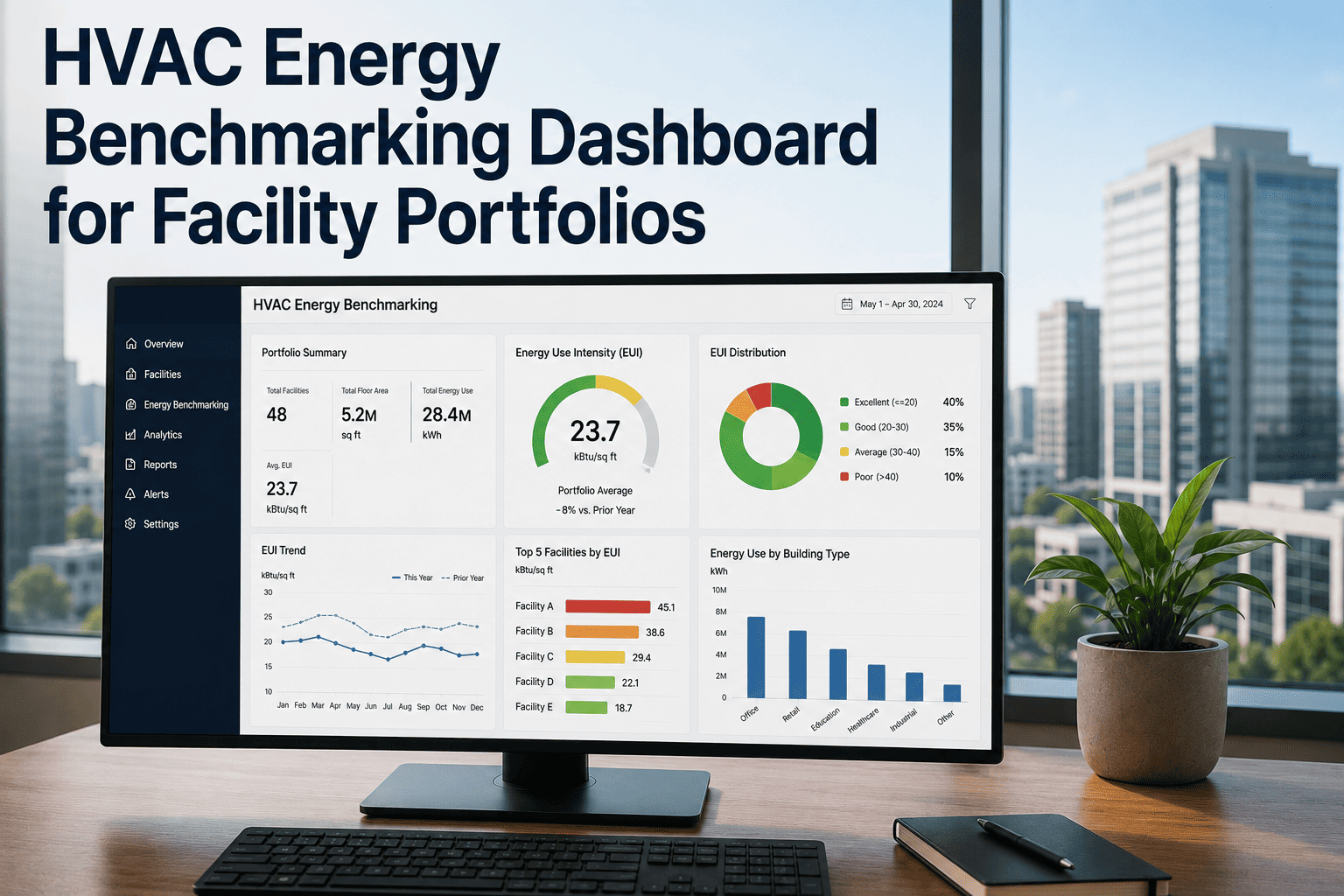
Oxmaint's analytics dashboard aggregates HVAC performance KPIs across every site — runtime ratios, alarm frequency, energy consumption trends, and MTTR — giving facility managers the cross-portfolio visibility needed to prioritize capital investment and benchmark site performance.
HVAC Remote Monitoring KPIs to Track Across Your Portfolio
Sign Up Free to access Oxmaint's live HVAC KPI dashboards pre-configured for multi-site facility management teams.
Tracks runtime availability of critical HVAC assets. Declining uptime trends signal maintenance gaps or aging equipment requiring capital planning before failure.
Measures elapsed time from alarm trigger to confirmed work order dispatch. Long response gaps allow fault conditions to escalate and damage secondary equipment.
High recurrence at specific assets indicates root cause repair failure, wrong component selection, or systemic operating condition issues requiring engineering escalation.
Rising EUI without corresponding occupancy increases signals HVAC inefficiency — degraded heat exchangers, refrigerant loss, or controls drift detectable through sensor trend analysis.
A shift toward reactive maintenance across the portfolio indicates PM scheduling gaps or insufficient monitoring coverage that remote monitoring programs are specifically designed to prevent.
Tracks whether HVAC PM rounds are completed on schedule across all sites. Compliance below 85% is the leading predictor of accelerated equipment degradation and increased reactive spend.