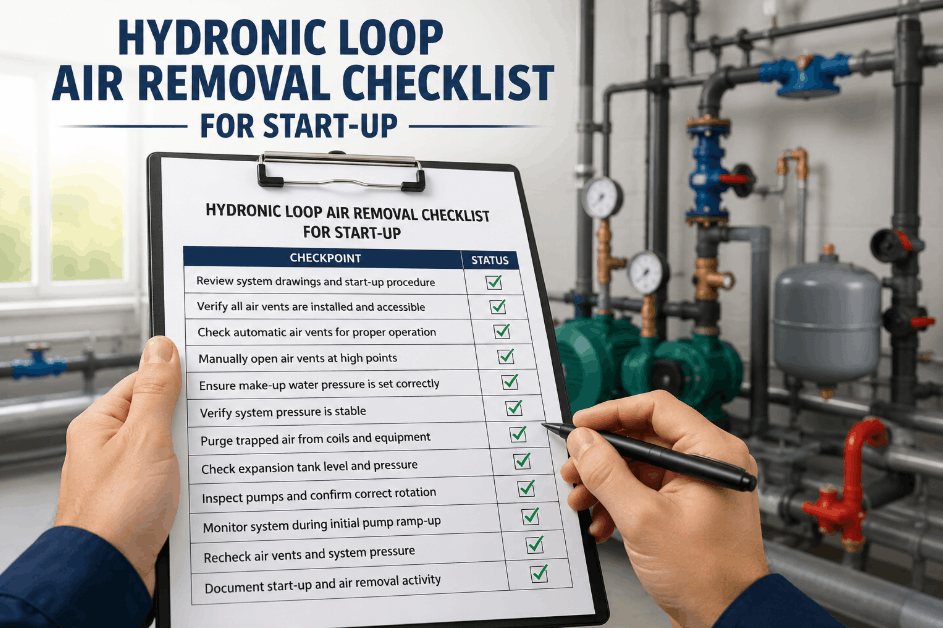
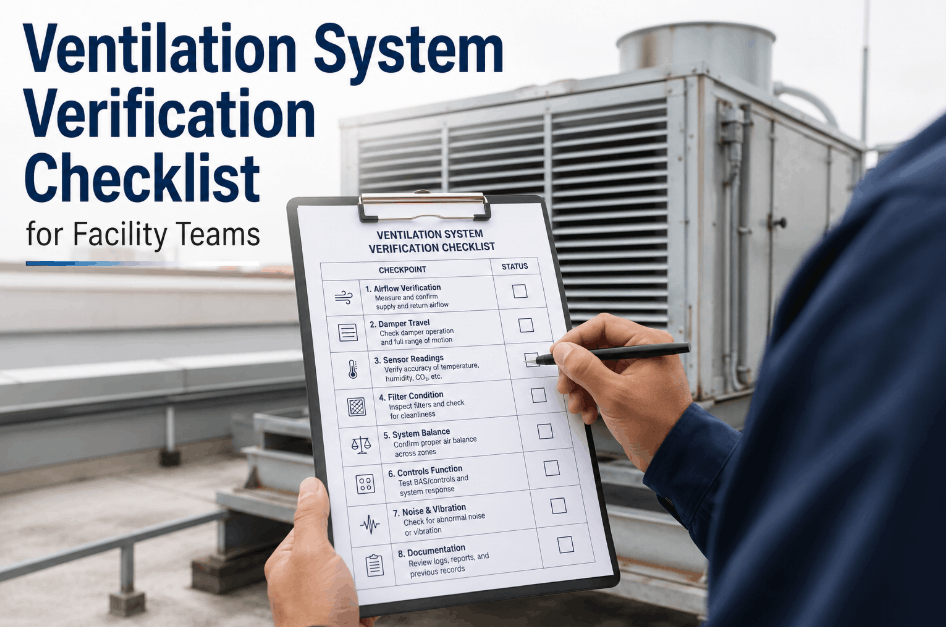
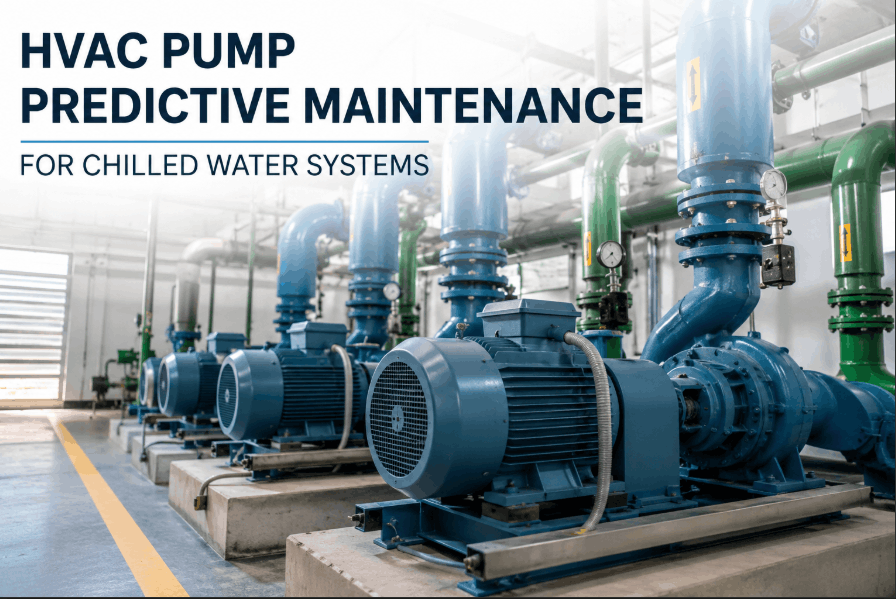
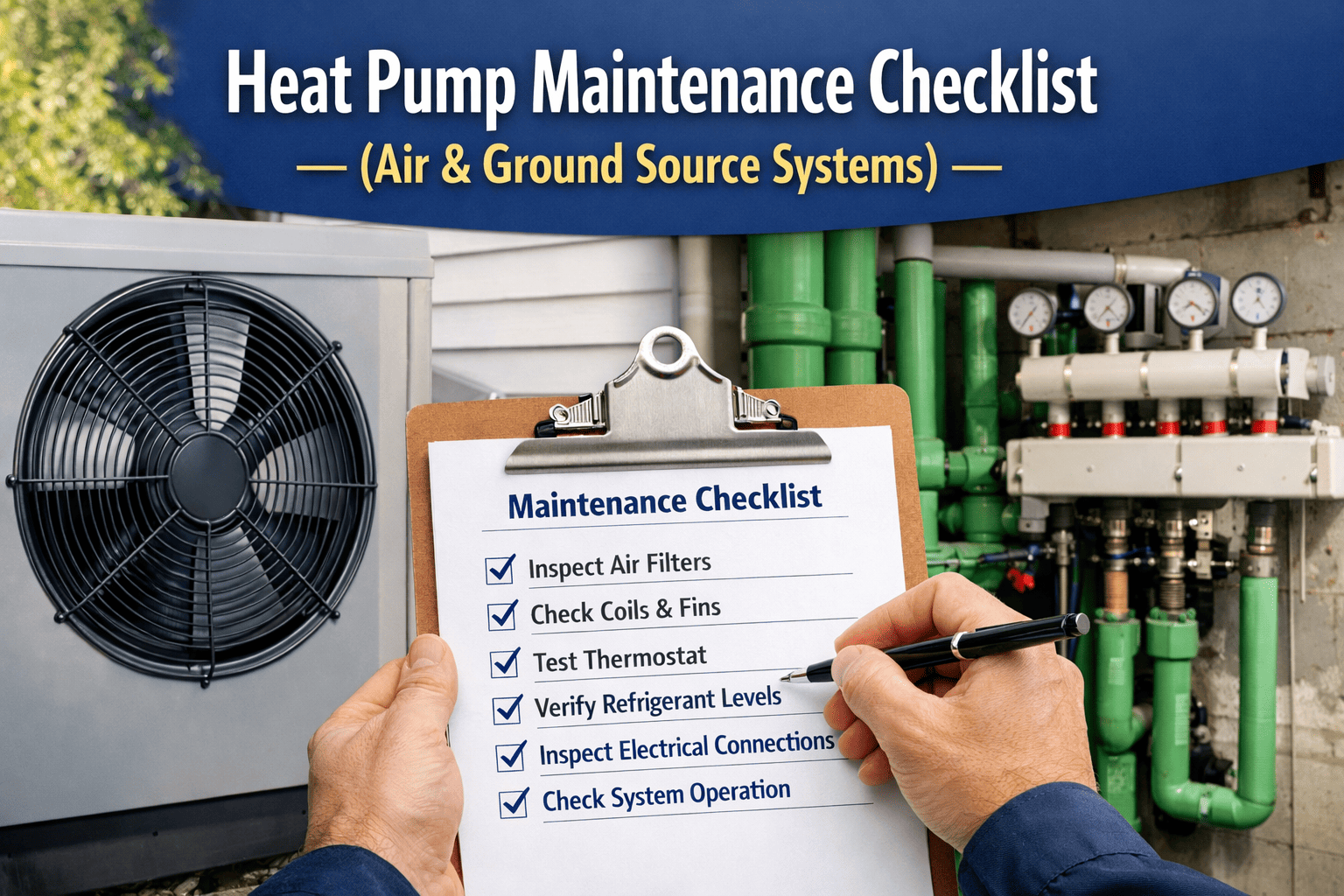
A hydronic loop air removal checklist for start-up confirms trapped air has been purged, manual and automatic vents are operating, and system pressure is stable before pumps are brought up to full speed. Air left in a chilled or condenser water loop causes noisy pumps, uneven heat transfer, and nuisance low-flow trips in the first hours of operation — problems that look like equipment failure but are really a start-up sequencing issue. Sign Up Free on Oxmaint to log vent locations, fill pressure, and purge status against every hydronic asset before pumps are started. Book a Demo to see how Oxmaint turns a start-up sequence into a trackable checklist your technicians complete and sign off on, asset by asset, instead of a memory-based routine.
Get Every Hydronic Loop Cleared of Trapped Air at Start-Up
Log vent locations, fill pressure, and purge status against every loop before pumps are started.
1. Pre-Start Visual & Vent Inspection
Confirm every vent on the loop is accessible and functioning before fill begins — a vent you can't reach is a vent that won't help during start-up.
2. Air Purge & Fill Procedure Verification
A slow, sequenced fill prevents the air pockets that an aggressive fill can trap in elevation changes.
3. Pressure & Flow Stability Checks
Stable pressure is the clearest signal that air removal is complete — fluctuation under low-speed pump operation almost always means there's more air still moving through the loop.
4. Pump & Equipment Start-Up Sequencing
Bring the system to full flow in stages, watching connected equipment as closely as the pumps themselves.
5. Documentation & Work Order Sign-Off
A dated record of what was done at start-up gives the team a baseline to compare against if a problem surfaces later in the season.
Make Start-Up a Checklist, Not a Memory Test
Oxmaint tracks vent status, fill pressure, and pump performance against every hydronic asset, asset by asset, sign-off by sign-off.
Frequently Asked Questions — Hydronic Loop Air Removal at Start-Up
1. What is a hydronic loop air removal checklist for start-up?
It's a step-by-step review confirming vents are working, the loop has been purged of trapped air, and pressure is stable before pumps are brought to full operating speed at the start of a season.
2. Why does trapped air cause problems in hydronic systems?
Air pockets cause pump cavitation, noisy operation, and uneven heat transfer, and can make the system appear to have an equipment failure when the real issue is incomplete air removal during start-up.
3. How long should pumps run at reduced speed during start-up?
Long enough for pressure readings to stay flat and for noise or vibration from cavitation to clear — typically several minutes at each speed step rather than jumping straight to full flow.
4. Do automatic air vents replace manual venting at start-up?
No. Automatic vents handle ongoing air removal at high points, but manual venting in sequence during fill is still needed to clear larger air pockets before the system is brought online.
5. How does Oxmaint support hydronic start-up readiness?
Oxmaint lets teams log vent inspections, fill pressure, and pump performance against each hydronic asset, schedule follow-up vent checks after full flow, and sign off on start-up completion across the full equipment list.
Ready to Standardize Your Hydronic Start-Up Process?
Oxmaint connects vent checks, fill pressure, and pump readings into a single sign-off workflow your team can repeat every season.