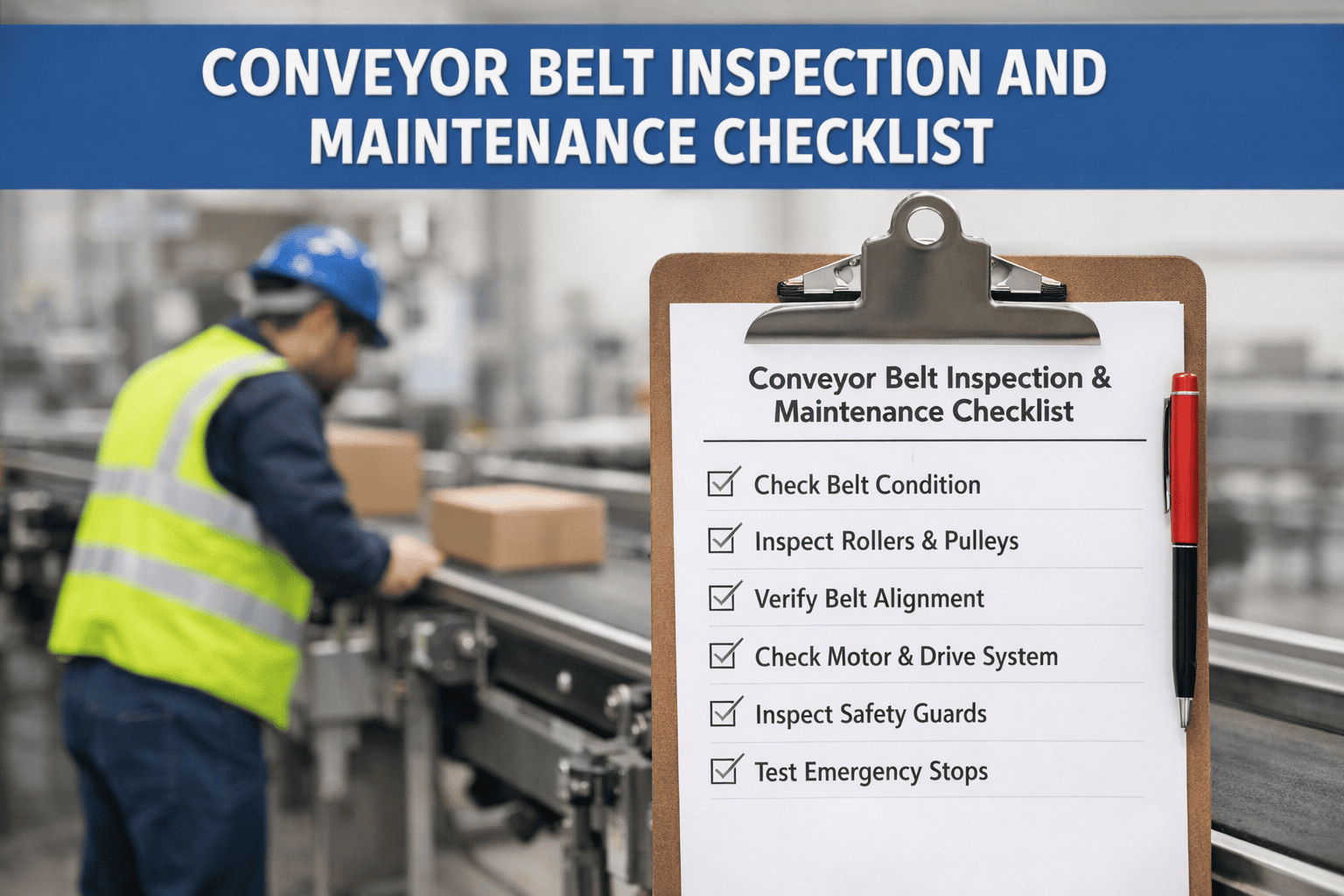
Conveyor belt failures remain one of the leading causes of unplanned downtime in manufacturing plants, costing facilities anywhere from thousands to millions of dollars per incident. Whether it's belt mistracking, slippage, or unexpected tears, understanding the root causes and implementing systematic troubleshooting protocols can dramatically reduce production stoppages and extend equipment lifespan. Schedule a consultation to discover how proactive conveyor maintenance can transform your plant's uptime and productivity.
Why Conveyor Belt Failures Demand Immediate Attention
Manufacturing plants rely on conveyor systems as the backbone of material handling operations. When these systems fail, the ripple effect impacts every downstream process, from assembly lines to packaging and shipping. Studies indicate that over 80% of companies experience unplanned downtime, with conveyor-related issues being a primary contributor to these costly interruptions.
Common Conveyor Belt Failure Types
Understanding the specific types of conveyor belt failures helps maintenance teams develop targeted prevention strategies and respond quickly when issues arise. Each failure mode has distinct causes, warning signs, and solutions that every plant manager should recognize.
Systematic Troubleshooting Process
Effective conveyor belt troubleshooting follows a structured diagnostic approach that helps maintenance teams identify root causes quickly and implement lasting solutions. This methodology reduces guesswork and ensures issues are fully resolved rather than temporarily masked.
Failure-Specific Troubleshooting Guide
Each conveyor belt failure type requires targeted troubleshooting approaches. The following guide provides specific diagnostic steps and solutions for the most common issues encountered in manufacturing plants.
| Failure Type | Common Causes | Diagnostic Steps | Corrective Actions |
|---|---|---|---|
| Belt Mistracking | Misaligned idlers, uneven loading, worn pulleys, frame out of square | Check frame level, inspect idler alignment, observe loading patterns | Realign idlers, level frame, adjust loading chute, replace worn components |
| Belt Slippage | Insufficient tension, worn pulley lagging, contamination, cold temperatures | Measure belt tension, inspect pulley surface, check for material buildup | Adjust tension per specs, replace lagging, install belt scrapers, clean pulleys |
| Excessive Wear | Abrasive materials, improper speed, seized rollers, chemical exposure | Inspect wear patterns, check roller rotation, review material properties | Upgrade belt material, replace seized rollers, adjust operating parameters |
| Belt Tears | Sharp objects, seized rollers, improper splicing, edge damage | Locate tear origin point, inspect surrounding components, check splice condition | Repair or replace belt section, remove hazards, replace damaged components |
| Material Spillage | Mistracking, overloading, improper skirting, excessive belt sag | Observe material flow, check skirt seal condition, measure belt sag | Correct tracking, adjust feed rate, replace skirts, add support idlers |
| Motor/Drive Issues | Overloading, poor lubrication, electrical faults, misalignment | Check motor temperature, inspect couplings, test electrical systems | Reduce load, lubricate per schedule, repair electrical issues, realign drive |
Traditional vs. Proactive Maintenance Approach
The difference between reactive and proactive conveyor maintenance dramatically impacts both equipment reliability and total cost of ownership. Understanding this comparison helps justify investments in preventive maintenance programs.
- Wait for equipment to fail before taking action
- Unplanned downtime disrupts production schedules
- Emergency repairs cost 3-5x more than planned maintenance
- Secondary damage often occurs before detection
- No maintenance history for failure analysis
- Scheduled inspections catch issues early
- Maintenance planned during low-production periods
- Parts ordered in advance at regular pricing
- Minor adjustments prevent major failures
- Complete maintenance records enable trend analysis
Preventive Maintenance Checklist
Implementing a structured preventive maintenance program is the most effective way to reduce conveyor belt failures. The following checklist provides a framework for routine inspections that can be customized to your specific equipment and operating conditions.
| Component | Daily | Weekly | Monthly | Key Checkpoints |
|---|---|---|---|---|
| Belt Surface | Visual check | Detailed inspection | Thickness measurement | Cuts, tears, cracks, wear patterns, material buildup |
| Belt Tracking | Observe alignment | Measure deviation | Full system check | Centerline position, edge wear, frame squareness |
| Tension System | Check for slippage | Verify settings | Calibrate | Take-up position, spring condition, belt sag |
| Pulleys and Idlers | Listen for noise | Check rotation | Inspect bearings | Lagging condition, alignment, bearing temperature |
| Drive System | Monitor temperature | Check lubrication | Inspect couplings | Motor amps, gearbox oil, belt/chain tension |
| Safety Devices | Test e-stops | Check guards | Full audit | Pull cords, sensors, interlock function |
Benefits of CMMS for Conveyor Management
A Computerized Maintenance Management System transforms how manufacturing plants manage conveyor maintenance, providing tools that make proactive maintenance practical and measurable.