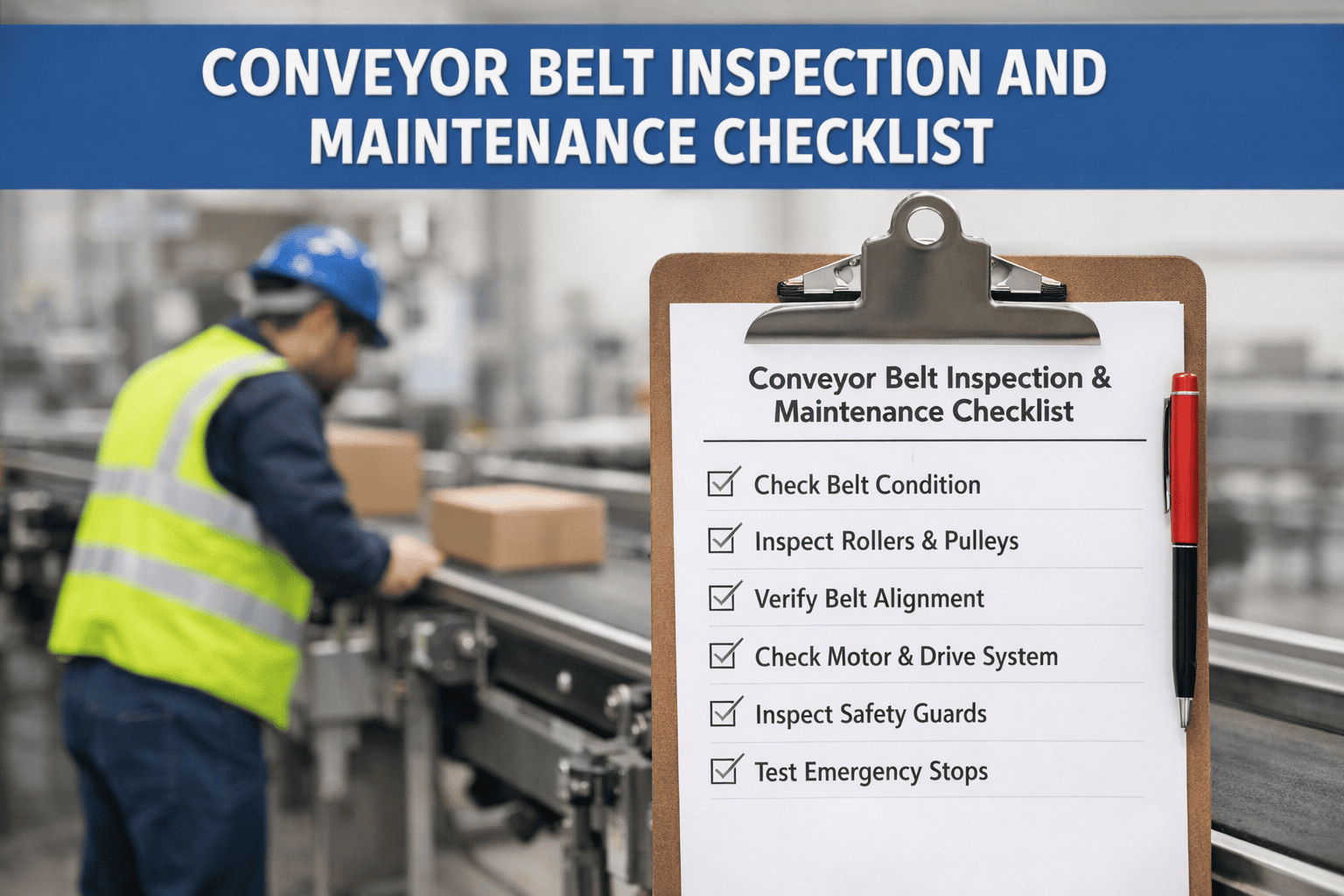
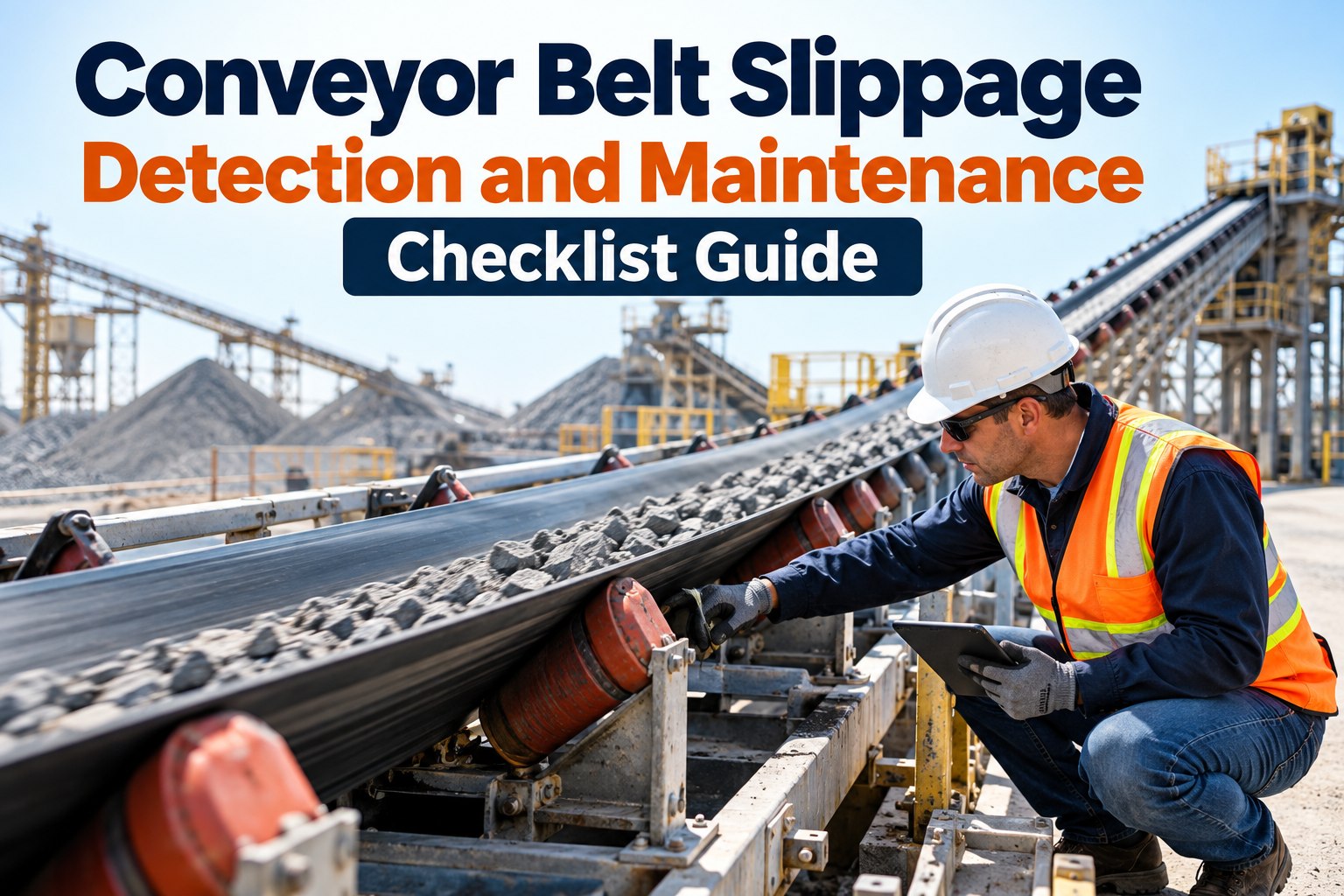
Conveyor Belt Inspection and Maintenance Checklist for Manufacturing Plants
By oxmaint on February 27, 2026
Every manufacturing plant depends on conveyor belts to keep materials moving, but a single unexpected belt failure can shut down an entire production line for hours. Industry data shows that roughly half of all operators experience productivity losses linked to unexpected belt damage, and the repair costs multiply when parts must be rush-ordered and overtime crews called in. A structured inspection and maintenance checklist is the most effective way to catch belt wear, roller seizure, and splice degradation before they escalate into costly shutdowns. Schedule a free demo to see how Oxmaint digitizes conveyor maintenance with real-time tracking, automated work orders, and zero missed inspections.
The Real Cost of Skipping Conveyor Belt Inspections
When conveyor belt maintenance relies on memory and informal walk-arounds, small problems grow into expensive emergencies. Belt mistracking wears through edges in days, seized rollers burn flat spots into belt covers overnight, and a deteriorating splice can snap mid-shift without warning. Understanding the financial and operational impact makes the case for structured checklists clear.
51%
of conveyor operators report productivity losses from unexpected belt damage
$50K-$100K
potential daily profit loss when a primary conveyor system goes offline at full capacity
30%
reduction in unplanned downtime achieved through structured preventive maintenance programs
Most conveyor failures are preventable. Belt mistracking, splice failure, and roller seizure account for the majority of unplanned stops — and all three are detectable through routine inspection. Sign up for free and get automated inspection reminders delivered to your maintenance team's mobile devices.
Shift-Start Inspection: The 10-Minute Check Every Operator Should Complete
Daily visual and auditory inspections are the first line of defense against conveyor failures. These quick checks, performed at the start of each operating shift, catch developing problems while they are still minor and inexpensive to fix. Sign up for Oxmaint to create digital checklists so every inspection is assigned to the right operator and documented with timestamps and photos.
Belt and Surface
Rollers, Idlers, and Safety
Weekly Hands-On Maintenance Tasks for Conveyor Systems
Weekly inspections go beyond visual checks and require hands-on evaluation by qualified maintenance technicians. These 30 to 45 minute inspections examine drive components, splice integrity, and cleaning systems that daily checks cannot adequately assess.
ADrive System and Power Transmission
BBelt Splices, Joints, and Tension
CScrapers, Cleaners, and Material Control
Stop relying on paper checklists that get lost and skipped. Oxmaint auto-schedules daily, weekly, and monthly conveyor work orders, sends mobile reminders to assigned technicians, and keeps a complete audit trail of every inspection.
Monthly and Quarterly Deep-Dive Inspection Schedule
Deep inspections require the conveyor to be locked out and de-energized. These precision-focused evaluations measure belt thickness, pulley alignment, bearing vibration, and structural integrity — catching gradual degradation that shift-start and weekly checks are not designed to detect.
Component
Cycle
What to Inspect
Pass / Fail Criteria
Belt Cover Thickness
Monthly
Measure at 5 points across belt width using an ultrasonic gauge
Fail if wear exceeds 25% of original gauge at any point
Pulley Alignment
Quarterly
Laser-align head, tail, bend, and snub pulleys
Within 1/16 inch per foot of pulley face width
Bearing Vibration
Monthly
Vibration analysis on drive, head, and tail pulley bearings
Below alarm threshold per ISO 10816 standards
Frame and Structure
Quarterly
Inspect for cracks, corrosion, loose bolts, and weld integrity
No visible cracking or corrosion; all bolts torqued to spec
Take-Up Travel
Monthly
Measure gravity or screw take-up position and remaining travel
Minimum 50% travel remaining; no binding or sticking
Electrical / Thermal
Quarterly
Thermographic scan of motor, VFD, wiring, and connections
No hotspots exceeding 10 degrees C above ambient delta
Adjust inspection cycles for harsh environments. High dust, moisture, chemical exposure, or extreme temperatures may require more frequent deep inspections on critical conveyor systems.
Never miss a scheduled deep inspection. Oxmaint generates monthly and quarterly work orders automatically, assigns them to the right technician, and escalates incomplete tasks to supervisors. Book a free demo to see automated scheduling in action for your facility.
How to Spot Conveyor Belt Wear Before It Causes a Breakdown
Experienced maintenance teams know that every conveyor failure sends warning signals before it happens. Recognizing these early indicators during routine inspections is what separates preventive maintenance from reactive repair. Here are the six most common failure modes and the inspection points that catch them early.
Belt Mistracking
Warning signs: Belt drifting to one side, uneven edge wear, material spilling off one side of the conveyor
Checklist response: Inspect idler alignment weekly, check for uneven loading, verify training idler function, clean material buildup from rollers
Splice Deterioration
Warning signs: Fastener heads pulling through belt, edge lifting on vulcanized joints, visible splice elongation
Checklist response: Weekly visual and tactile splice check, monthly elongation measurement, track splice age against replacement schedule
Roller and Bearing Seizure
Warning signs: Grinding or squealing noise, roller not spinning, flat spot worn into belt cover, heat from frozen bearing
Checklist response: Daily auditory walk-through, monthly bearing lubrication per OEM schedule, quarterly vibration analysis on critical bearings
Belt Slippage on Drive Pulley
Warning signs: Belt speed slower than motor speed, burning rubber smell, belt vibrating or jerking at startup
Checklist response: Monthly tension measurement, weekly drive lagging inspection, verify belt cleaner contact is not adding excessive drag
Carryback and Material Buildup
Warning signs: Material accumulating under return rollers, return belt surface coated with residue, idlers encrusted with spillage
Checklist response: Daily visual check of return side, weekly scraper blade adjustment, clean return rollers and structure during weekly PM
Cover Wear and Edge Damage
Warning signs: Belt carcass (fabric or steel cord) visible through worn cover, ragged edges from frame contact, gouges exposing inner plies
Checklist response: Monthly cover thickness measurement, daily edge condition check, replace belt when cover worn past 75% of original gauge
Track wear trends automatically. Oxmaint logs every inspection measurement and flags when belt thickness, splice condition, or bearing vibration crosses your warning thresholds — so you replace components on schedule, not after a failure.
Preventive vs. Reactive Conveyor Maintenance: What the Numbers Show
The difference between plants that run structured conveyor checklists and those that wait until something breaks is measurable in downtime, cost, and equipment lifespan. Here is what the operational data consistently shows across manufacturing facilities.
Operational Outcomes Comparison
Reactive / Ad-Hoc Approach
✖ Inspections depend on individual memory
✖ No documentation for audits or root cause analysis
✖ Failures discovered only after production stops
✖ Spare parts ordered reactively with rush premiums
✖ Inconsistent quality across shifts and technicians
12-18%
typical unplanned downtime rate
Structured Checklist Program
✔ Every task assigned, scheduled, and tracked digitally
✔ Full audit trail with photos, timestamps, and notes
✔ Early detection catches issues at the warning stage
✔ Parts planned using wear trend data from inspections
✔ Standardized process across all shifts and all sites
2-4%
unplanned downtime rate
Four Steps to Build a Conveyor Maintenance Program That Works
Creating a lasting checklist program involves more than printing a form. It requires asset documentation, risk-based scheduling, trained personnel, and a system to track compliance and trend inspection data over time. Book a demo to see how Oxmaint builds your checklist program from paper to digital in under a day.
Step 1
Inventory Every Conveyor Asset
Document each conveyor system including belt type, width, length, speed, drive configuration, splice type, and operating environment. Assign unique asset IDs and tag each conveyor physically for easy identification by any technician on any shift.
Step 2
Rank Criticality and Set Frequencies
Score each conveyor based on production impact, redundancy, repair complexity, and failure history. Critical systems with no backup get daily, weekly, and monthly checklists. Lower-criticality conveyors may only need weekly and quarterly inspections.
Step 3
Train Operators and Technicians
Make sure everyone understands what to inspect, how to identify defects, when to escalate, and how to document findings. Hands-on training at the conveyor — not just in a classroom — builds the pattern recognition that catches problems early.
Every hour of unplanned conveyor downtime drains your plant's production output and budget. Oxmaint gives your maintenance team the digital checklists, automatic scheduling, mobile access, and real-time wear tracking they need to catch problems early and keep your production lines running at full speed.
How often should conveyor belts be inspected in a manufacturing plant?
Critical conveyor systems need a visual and auditory inspection at the start of every operating shift. Weekly inspections should cover drive components, splices, scrapers, and belt tension hands-on. Monthly checks require precision measurements like belt thickness and bearing vibration, while quarterly inspections add pulley alignment and structural integrity evaluation. Schedule a free demo to see how Oxmaint automates inspection scheduling based on your asset criticality rankings.
What are the most critical items on a conveyor belt maintenance checklist?
The five highest-priority items are belt tracking and alignment, splice condition, emergency stop functionality, roller and bearing health, and belt tension. These areas account for the majority of unexpected conveyor failures across manufacturing operations. Any abnormality in these items should trigger immediate corrective action rather than being deferred to a future maintenance window.
Can a CMMS help manage conveyor belt maintenance checklists?
A CMMS like Oxmaint transforms conveyor maintenance from paper-based routines into automated, trackable digital workflows. The system auto-generates work orders at your defined frequencies, sends mobile notifications to assigned technicians, captures inspection results with photos and notes, and builds trend reports showing equipment health over time. This eliminates missed inspections and provides a complete audit trail for compliance. Sign up for a free Oxmaint account and start digitizing your checklists today.
When should a conveyor belt be replaced instead of repaired?
Replace the belt when cover thickness has worn past 75% of the original gauge, when the belt carcass fabric or steel cords are exposed or damaged, when splice failures recur despite proper repairs, or when belt elongation exceeds the take-up system's remaining travel capacity. Monthly thickness measurements and splice tracking in your CMMS provide the data needed to plan replacements proactively rather than waiting for a mid-shift failure.
What safety precautions are required during conveyor belt inspections?
Always follow lockout/tagout (LOTO) procedures before any hands-on inspection or maintenance. Never reach into moving conveyor components or step on a running belt. Verify emergency stop systems are functional before starting the conveyor after maintenance. Wear appropriate PPE including cut-resistant gloves, safety glasses, and hearing protection. Only trained, authorized personnel should perform maintenance, and a spotter should be present for work near pinch points or elevated sections.