Aproduction manager at a food processing plant in Michigan received a frantic call at 3 AM—the main packaging line conveyor had seized completely. The belt, which had been showing subtle signs of edge fraying and minor tracking issues for weeks, finally tore at a weakened splice point during peak production. What followed was 14 hours of emergency repairs, $180,000 in lost production, spoiled inventory that had to be discarded, and overtime costs that blew the quarterly maintenance budget. The worst part? Every one of those warning signs had been visible during routine walkthroughs, but without a structured inspection report system, they were never documented, escalated, or addressed. This scenario repeats itself across manufacturing facilities every day. Conveyor systems account for over 30% of material handling downtime in industrial operations, yet most plants still rely on informal visual checks that miss critical degradation patterns. The solution? OXmaint—capturing conditions systematically, triggering timely maintenance, and building the data foundation for predictive reliability programs that reduce unplanned conveyor failures by up to 75%.
75%
Of conveyor failures are preventable with regular inspections
$25K
Average cost per hour of unplanned conveyor downtime
40%
Reduction in maintenance costs with structured inspections
Conveyor belts are the lifeline of manufacturing operations—moving raw materials, work-in-progress, and finished goods across production floors. When a critical conveyor fails unexpectedly, the entire production line grinds to a halt. A maintenance supervisor at an automotive parts plant recently shared how a seemingly minor belt misalignment led to a catastrophic tear during peak production, resulting in 18 hours of downtime and $450,000 in lost output. The root cause? Skipped visual inspections and undocumented warning signs that had been visible for weeks.
Structured inspection reports transform reactive maintenance into proactive asset management. By documenting belt condition, tracking alignment issues, and recording corrective actions systematically, your team builds a comprehensive history that enables predictive maintenance strategies and prevents costly failures before they occur. Get started with OXmaint free and begin building your digital inspection program today.
What's Included in This Inspection Report Template
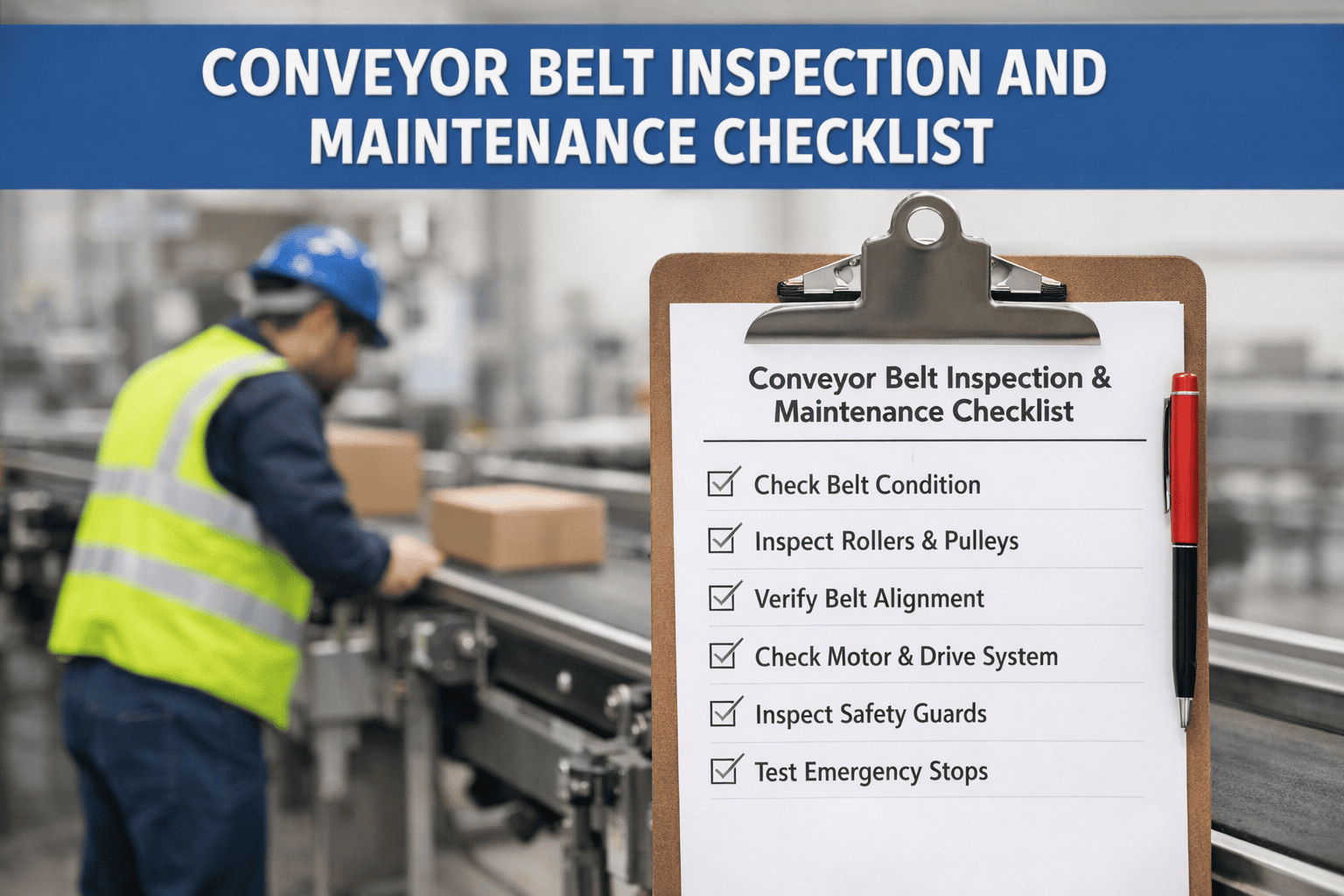
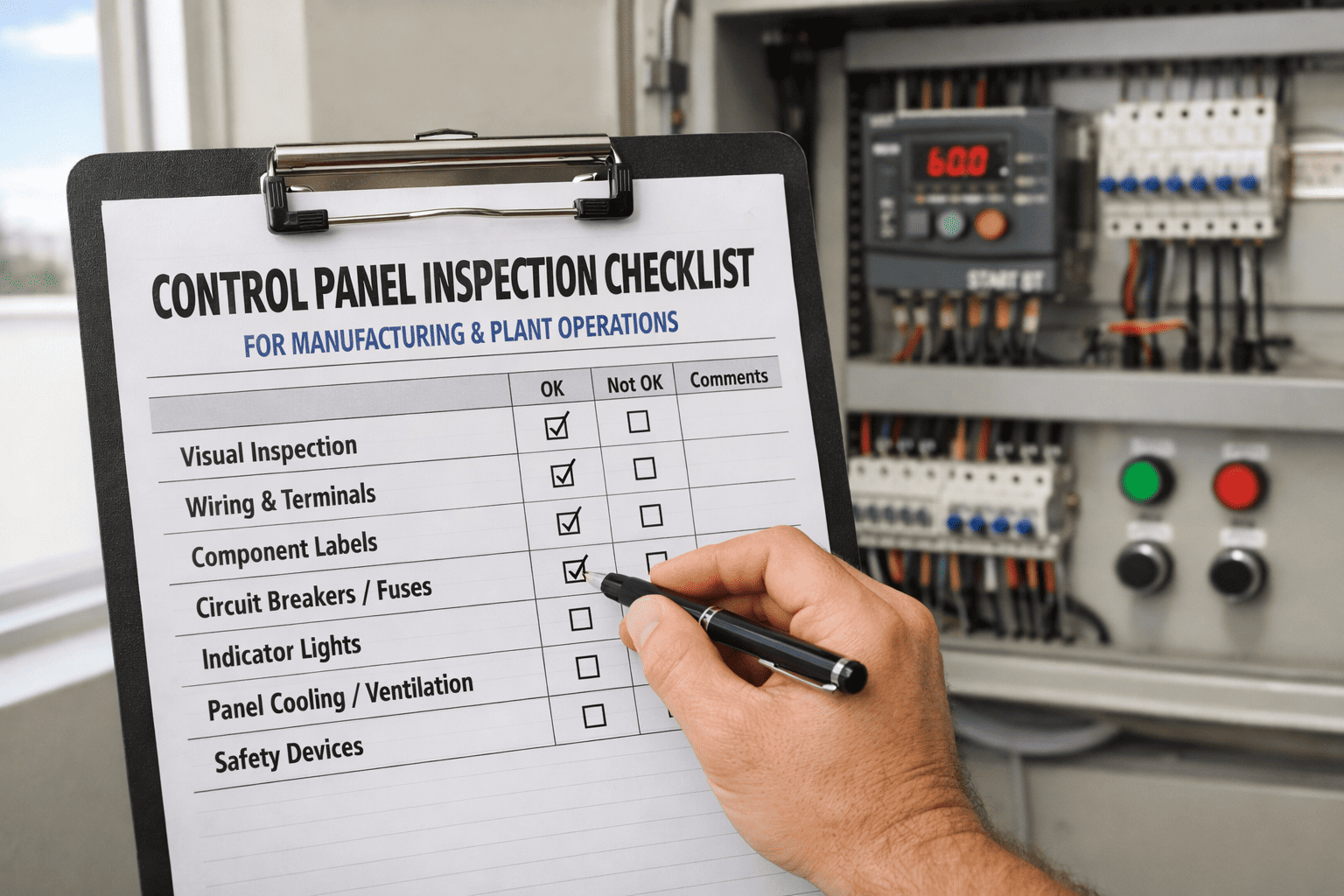
Our conveyor belt inspection report template provides a comprehensive framework for documenting every aspect of conveyor health. Whether you're conducting daily visual checks or detailed monthly inspections, this template ensures nothing gets overlooked. Try OXmaint free to access digital versions that auto-populate asset data and sync with your maintenance management system.
1
Asset Identification
Conveyor ID & Location
Belt Type & Specifications
Installation Date
Last Service Date
2
Visual Inspection Checklist
Belt Surface Condition
Edge Wear & Fraying
Splice Integrity
Tracking Alignment
3
Component Assessment
Roller/Idler Condition
Pulley Inspection
Drive Motor Status
Tensioning System
4
Safety & Guards
Emergency Stop Function
Guard Condition
Warning Signs Posted
Lockout/Tagout Compliance
5
Measurements & Readings
Belt Tension Reading
Motor Amperage
Vibration Levels
Temperature Checks
6
Corrective Actions
Issues Identified
Actions Taken
Parts Replaced
Follow-up Required
Start Documenting Conveyor Inspections Today
Transform paper-based inspections into digital workflows that capture photos, auto-generate work orders, and build comprehensive maintenance histories. OXmaint's mobile-first inspection platform keeps your conveyor systems running at peak performance.
Critical Inspection Points: Common Conveyor Belt Failures
Understanding what to look for during inspections is crucial for catching problems early. These are the most common conveyor belt failure modes that your inspection reports should specifically address. Talk to our team to see how OXmaint helps you track and prevent these failure modes.
Cause:
Misaligned idlers, uneven loading, belt splice issues, or worn pulleys cause belt to drift off-center
Inspection Signs:
Edge wear patterns, belt rubbing against frame, material spillage on one side
Prevention:
Weekly alignment checks, immediate correction when drift detected
Cause:
Abrasive materials, impact loading, heat exposure, or chemical contact degrades belt surface
Inspection Signs:
Gouges, cuts, worn spots, exposed carcass, surface cracking or hardening
Prevention:
Monitor wear depth monthly, document progression, plan replacement at 50% wear
Cause:
Poor splice preparation, adhesive degradation, excessive tension, or flexing fatigue weakens joints
Inspection Signs:
Splice lifting, visible separation, cracks at splice edges, fastener pullout
Prevention:
Inspect splices every shift, document condition changes, re-splice before failure
Cause:
Bearing failure, seized rollers, shell wear, or contamination causes increased friction and belt damage
Inspection Signs:
Unusual noise, heat buildup, flat spots on rollers, belt grooving, vibration
Prevention:
Spin test all rollers weekly, replace seized units immediately
Cause:
Improper tensioning, take-up system failure, or belt stretch leads to slippage or excessive stress
Inspection Signs:
Belt slippage on drive pulley, excessive sag between idlers, squealing noise on startup
Prevention:
Check tension monthly, document take-up position, adjust before limits reached
Cause:
Motor problems, gearbox wear, coupling failure, or pulley lagging damage affects power transmission
Inspection Signs:
Motor overheating, unusual gearbox noise, worn lagging, belt slippage under load
Prevention:
Monitor motor amps, inspect lagging monthly, check coupling alignment quarterly
Don't let these common failure modes catch your team off guard. Explore OXmaint's inspection tools to help your technicians identify and document these issues before they lead to costly breakdowns.
Inspection Frequency Guidelines
Effective conveyor maintenance requires different inspection depths at varying intervals. Use this guide to establish your inspection schedule—then use OXmaint's automated scheduling to send reminders and ensure compliance.
Quick visual and auditory checks during operation to catch obvious issues before they escalate.
✓ Belt tracking and alignment
✓ Unusual sounds or vibrations
✓ Material spillage or buildup
✓ Emergency stop functionality
✓ Guard and safety device condition
Detailed visual inspection with system stopped, including component checks and measurements.
✓ Belt surface and edge condition
✓ Splice inspection (all splices)
✓ Idler spin test (sample)
✓ Take-up position documentation
✓ Pulley and lagging condition
✓ Scraper and cleaner effectiveness
Comprehensive assessment with measurements, testing, and detailed documentation of all components.
✓ All weekly inspection items
✓ Belt tension measurement
✓ Motor amp draw recording
✓ Gearbox oil check/analysis
✓ Complete idler rotation test
✓ Structural frame inspection
✓ Electrical connection check
Ready to implement a structured inspection schedule? Get a personalized demo to see how OXmaint's automated scheduling and mobile inspection forms help manufacturing plants achieve 95%+ inspection compliance.
Benefits of Structured Inspection Reports
Moving from ad-hoc inspections to structured documentation delivers measurable improvements in reliability, safety, and cost control. Here's what manufacturing plants achieve when they implement systematic conveyor inspection programs.
Reduced Downtime
65%
Plants using structured inspections report 65% fewer unplanned conveyor stoppages by catching problems during planned checks rather than emergency responses.
Extended Belt Life
40%
Early detection of tracking issues, splice problems, and tension variations extends conveyor belt service life by preventing accelerated wear.
Faster Repairs
50%
Documented histories eliminate diagnostic guesswork, enabling technicians to identify root causes and implement fixes faster.
Data-Driven Decisions
100%
Complete inspection records provide the foundation for predictive maintenance, capital planning, and continuous improvement initiatives.
These results are achievable for your plant too. Join thousands of maintenance teams using OXmaint to build inspection documentation systems that drive real improvements in conveyor reliability.
Go Digital with OXmaint Inspection Reports
Replace paper forms with mobile inspection checklists that capture photos, auto-calculate scores, and instantly generate work orders for issues found.
Get instant access to our conveyor belt inspection checklist that integrates seamlessly with your maintenance workflow.
How to Use This Inspection Report Template
Getting the most value from conveyor belt inspection reports requires consistent execution and proper documentation practices. Follow these guidelines to ensure your inspection program delivers results.
Review previous inspection reports for this conveyor to understand its history and known issues. Gather necessary tools including flashlight, measuring tape, and infrared thermometer. Ensure proper lockout/tagout if the system will be stopped.
Work systematically from one end to the other—don't skip around. Record actual measurements, not just "OK" or "Good." Take photos of any abnormalities with a reference scale visible. Note the operating conditions (loaded/unloaded, speed).
Be specific about locations—use station numbers or measured distances from reference points. Describe defects in detail: "3-inch long cut on belt edge, 2mm deep" is better than "belt damage." Assign severity ratings consistently.
Generate work orders for all issues requiring corrective action. Escalate critical findings immediately to supervision. Schedule follow-up inspections for monitored conditions. Update asset records with significant findings.
OXmaint makes following these best practices easy with guided mobile inspections, automatic work order generation, and built-in asset history tracking. Book a 30-minute walkthrough to see how our maintenance management software streamlines your entire inspection workflow.
Ready to Improve Your Conveyor Reliability?
Sign up for OXmaint to access digital inspection forms, automated scheduling, and integrated maintenance management. Join thousands of manufacturing plants already protecting their conveyor operations.
Frequently Asked Questions
What should be included in a conveyor belt inspection report?
A comprehensive conveyor belt inspection report should include asset identification (conveyor ID, location, belt specifications), visual inspection findings (belt surface condition, edge wear, splice integrity, tracking alignment), component assessments (rollers, pulleys, drive system, tensioning), safety checks (emergency stops, guards, LOTO compliance), measurements (belt tension, motor amperage, vibration levels), and corrective actions taken or required.
Access OXmaint's digital templates that guide inspectors through all critical checkpoints.
How often should conveyor belts be inspected?
Inspection frequency depends on operating conditions and criticality. Most manufacturing plants should conduct daily visual walkthroughs (5-10 minutes), weekly detailed inspections (30-45 minutes), and monthly comprehensive assessments (2-4 hours). Critical conveyors or those operating in harsh conditions may require more frequent inspections. Use the inspection frequency guidelines in this article as a starting point, then adjust based on your equipment's failure history and operating environment.
Set up automated schedules in OXmaint with mobile reminders for your team.
What are the most common conveyor belt problems to look for?
The six most common conveyor belt problems are belt mistracking (belt drifting off-center), cover damage and wear (cuts, gouges, worn spots), splice failures (joint separation or lifting), idler/roller failures (seized bearings, flat spots), tension problems (belt slippage or excessive sag), and drive system issues (motor problems, worn lagging).
See OXmaint in action and learn how our platform helps you identify and prevent these common failure modes.
How can I improve conveyor belt inspection compliance?
Improve inspection compliance by implementing digital checklists that are accessible on mobile devices, automating inspection schedules with reminders, making inspections part of standard operating procedures, providing training on proper inspection techniques, tracking completion rates and following up on missed inspections, and recognizing teams with excellent compliance records.
Request a personalized walkthrough to see how OXmaint helps plants achieve 95%+ inspection compliance.
What's the difference between preventive and predictive conveyor maintenance?
Preventive maintenance follows time-based or usage-based schedules regardless of actual condition—for example, replacing belts every 18 months. Predictive maintenance uses condition monitoring data (vibration, temperature, visual inspections) to determine when maintenance is actually needed. Structured inspection reports are the foundation of predictive maintenance, enabling you to track degradation trends and schedule interventions before failure occurs. This approach typically delivers 30-50% lower maintenance costs compared to purely time-based strategies.
Let us show you how OXmaint helps you transition from reactive to predictive maintenance.
How do I get started with OXmaint for conveyor inspections?
Getting started is simple and free.
Create your OXmaint account in minutes to access our complete CMMS platform including inspection checklists, work order management, and asset tracking. Import your conveyor assets, configure inspection schedules, and assign inspectors—your team can be conducting digital inspections within hours. For personalized setup assistance or to see a live demonstration,
connect with our implementation specialists.