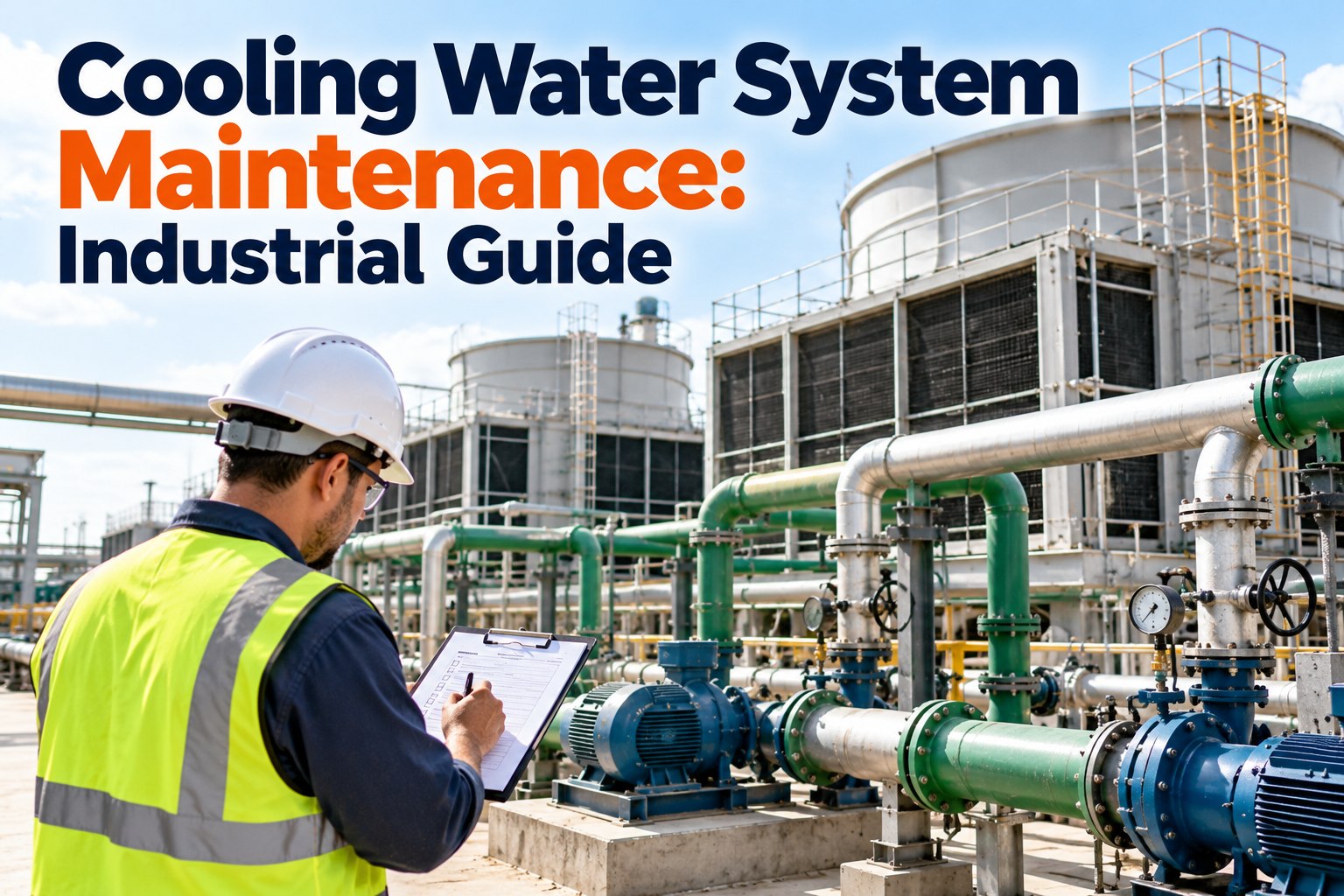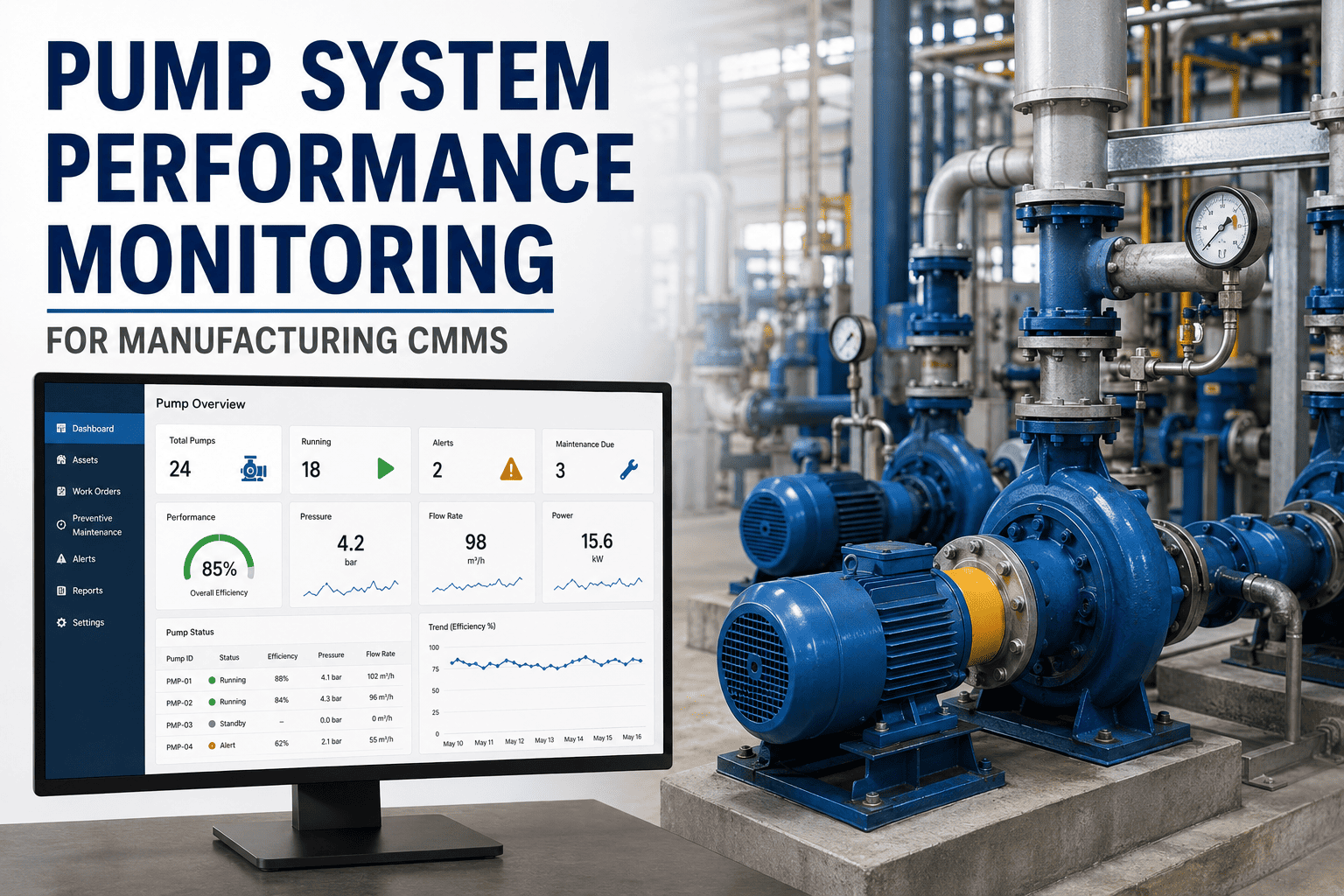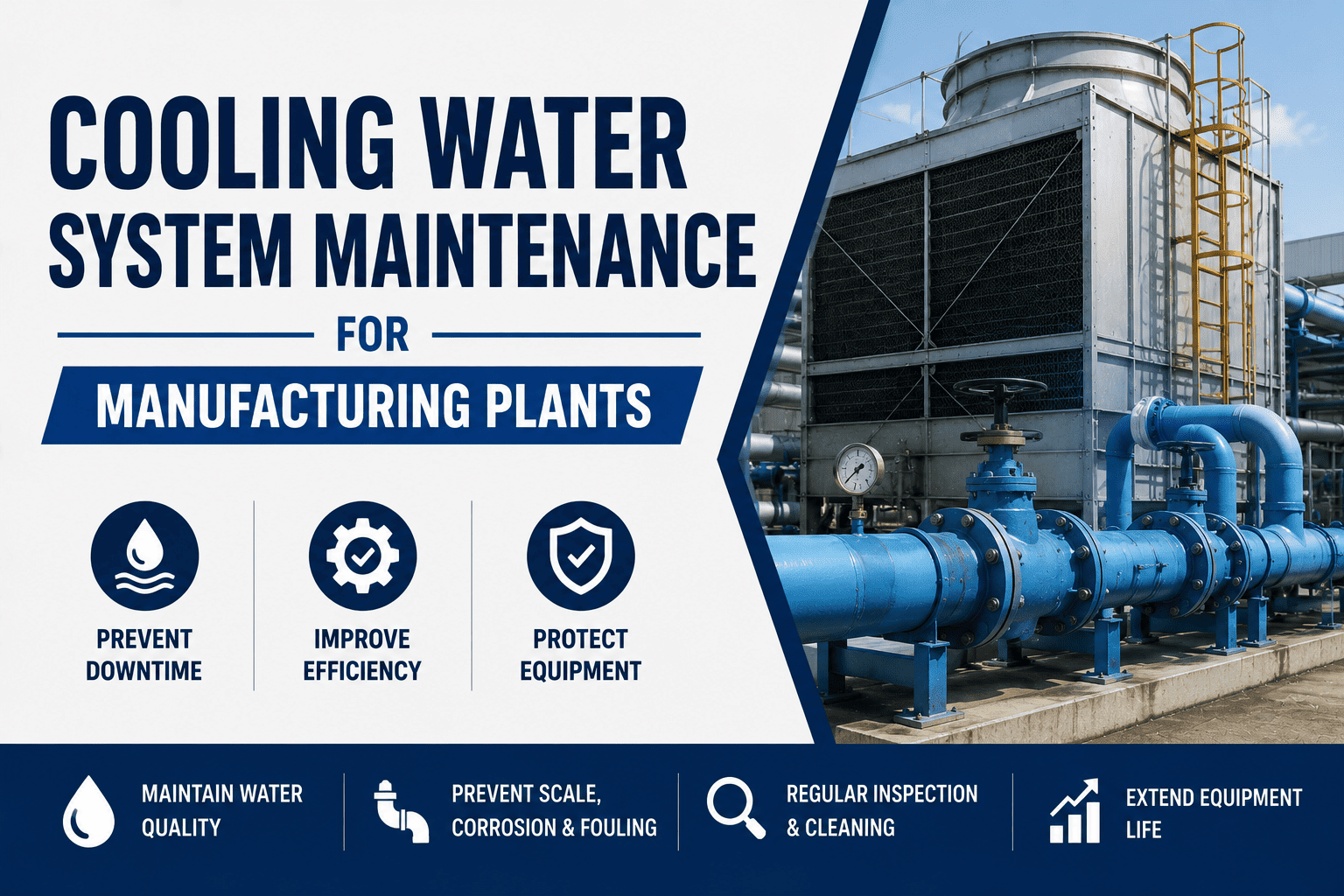
Cooling water system maintenance for manufacturing plants is the difference between a stable, energy-efficient process and a slow, costly decline into scale buildup, biofilm, corrosion and microbiologically influenced corrosion (MIC) — the four failure modes that quietly slash heat-transfer efficiency and inflate energy bills by 15–30%. This guide covers the full scope of plant cooling water maintenance, from cooling tower PM and chilled water pump maintenance to make-up water treatment, scale control, side-stream filtration and biocide program management. By linking every water-treatment compliance record and inspection to a CMMS like OxMaint, maintenance and reliability teams can automate PM scheduling, capture real-time condition data, and eliminate the spreadsheet chaos that causes missed treatments. Ready to modernize your cooling water maintenance? Start Free Trial and see how automated work orders transform your program.
Is Your Plant Losing 30% of Cooling Capacity to Scale and Biofilm?
A 1 mm layer of calcium carbonate scale increases energy consumption by roughly 15% — and unmonitored biofilm can match that in weeks. OxMaint turns cooling water system PM into automated, compliant, data-driven work orders so your heat exchangers stay clean and your pumps stay online.
The Real Cost of Neglecting Cooling Water System Maintenance
Manufacturing cooling systems are the thermal backbone of process plants — yet water treatment is often the first budget line cut when margins tighten. The math makes those cuts look foolish fast.
A 180-asset chemical plant spending $42,000/yr on cooling water chemicals and contract labor was losing an estimated $128,000/yr in extra compressor energy because condenser approach temperatures had drifted 4°C above baseline. Root cause: three consecutive quarterly tower-fill inspections had been skipped. After implementing OxMaint with mandatory PM triggers and compliance dashboards, the plant closed the approach-temperature gap in 8 weeks and cut unplanned pump downtime by 34% within one quarter.
Cooling Water System PM Schedule: Daily, Weekly, Monthly & Annual Tasks
A defensible cooling system PM schedule is built on four time horizons. Each tier has specific inspection, water-treatment and mechanical tasks that must be logged, tracked and audited — exactly what a CMMS cooling water workflow automates.
Operational Parameters & Visual Inspection
- Record make-up water and recirculating flow meters
- Check conductivity, pH and corrosion coupon rack readings
- Verify biocide / oxidant dosing pump operation
- Inspect sump water clarity and basin debris level
- Walk down fans, motors and belts for noise or vibration
Water Chemistry & Treatment Depth Checks
- Run full laboratory water analysis (Ca hardness, M-alkalinity, silica, chlorides)
- Calculate cycles of concentration and adjust blowdown setpoint
- Confirm side-stream filter backwash cycle and differential pressure
- Inspect distribution nozzles for uniform water pattern over tower fill
- Log biocide residual and non-oxidizing biocide feed rotation
Mechanical PM & Performance Benchmarking
- Perform vibration analysis on chilled water pumps & cooling tower fan motors
- Recover and weigh corrosion coupons; calculate mils-per-year (MPY) loss
- Clean strainer baskets and heat exchanger tube-sheet screens
- Compare actual vs design approach temperature and range
- Audit chemical inventory and reconcile usage vs feed rates
Deep Inspection & Compliance Audit
- Inspect and physically clean tower fill and drift eliminators
- Open heat exchanger heads; hydro-lube and inspect tube bundles
- Replace pump mechanical seals per OEM hour-interval
- Conduct Legionella risk assessment and drift-eliminator efficacy test
- Compile annual water-treatment compliance dossier for audit
| Failure Mode | Primary Cause | Impact on Heat Transfer | Recommended PM Frequency |
|---|---|---|---|
| Scale Deposition | High Ca hardness, low blowdown, over-cycling | 1 mm scale = 8–15% energy loss | Daily chemistry, monthly descale |
| Biofilm & MIC | Low oxidant residual, dead legs, stagnation | Biofilm 4× more insulating than scale | Daily residual, weekly biocide rotation |
| General Corrosion | Low pH, high chlorides, low inhibitor | Tube thinning, leaks, premature replacement | Weekly coupons, monthly MPY review |
| Particulate Fouling | Airborne dust, broken side-stream filter | Sediment traps under scale, accelerates MIC | Weekly filter check, monthly basin clean |
Cooling Water Maintenance Cost Savings: A CMMS Payback Model
Moving from reactive, clipboard-driven water treatment to CMMS-driven cooling water PM delivers measurable returns in energy, chemical spend and labor efficiency. Below is a simplified payback model for a mid-sized manufacturing cooling system.
Example: A 500-ton chiller system drifting 2°C above design approach at $0.12/kWh and 8,000 operating hours loses roughly $18,000–$24,000/yr in avoidable compressor energy. OxMaint PM triggers catch the drift before it compounds.
| Savings Lever | Reactive / Spreadsheet Baseline | With OxMaint CMMS | Annual Savings |
|---|---|---|---|
| Energy efficiency (approach temp) | 3–5°C drift, unnoticed for months | Auto-alert at 1°C drift, PM auto-triggers | $18,000–$28,000 |
| Chemical overfeed & waste | Manual logs, guess-and-feed | Dosing tied to real-time conductivity & lab results | $8,000–$15,000 |
| Pump rebuild & seal replacement | Run-to-failure, 2–3 unplanned/yr | Vibration & hour-based PM, 0–1 planned/yr | $12,000–$20,000 |
| Compliance & audit prep labor | 40–60 hrs/yr manual compilation | One-click compliance dossier export | $4,000–$6,000 |
| Total Estimated Annual Savings | — | — | $42,000–$69,000 |
CMMS Cooling Water Capabilities That Keep Your Plant Online
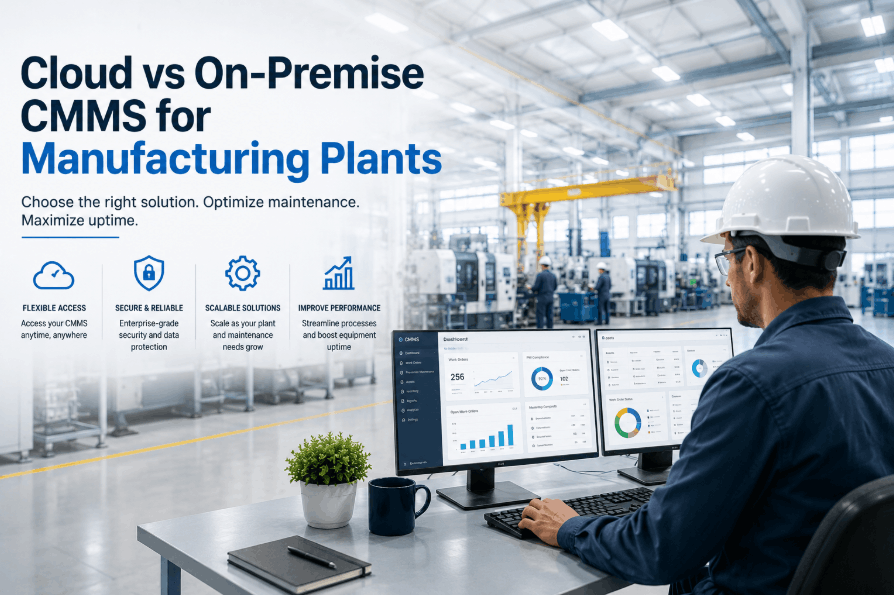
OxMaint maps every cooling water system PM task, compliance record and asset event into a single AI-powered platform — replacing clipboards, disconnected spreadsheets and siloed contractor reports with a live, auditable system of record.
Automated PM Scheduling
Generate daily, weekly, monthly and annual cooling water PM work orders automatically — tied to meter readings, operating hours or calendar intervals. Never miss another tower-fill inspection or biocide rotation again.
Predictive Condition Monitoring
OxMaint's AI engine ingests vibration, temperature, conductivity and approach-temperature data to predict pump failures and heat-exchanger fouling before they trigger alarms — converting reactive firefighting into planned action.
Compliance & Audit Dashboards
Every water-treatment log, biocide residual, corrosion-coupon reading and Legionella assessment is captured digitally and time-stamped — export a complete compliance dossier in one click for ISO 55000, corporate or regulatory audits.
Asset & Spare-Parts Inventory
Track every cooling tower fan motor, chilled water pump, heat exchanger and chemical dosing skid as a managed asset — with BOM-linked spare parts so seals, gaskets and impellers are in stock before the work order opens.
See OxMaint on Your Cooling Water Assets — Book a 30-Min Demo
Walk through a live cooling water PM workflow: automated work orders, compliance dashboards, predictive alerts and parts readiness — configured for your plant's towers, pumps and heat exchangers.
Cooling Water System Maintenance FAQ
How often should cooling water systems be inspected in a manufacturing plant?
Daily visual and parameter checks (flow, pH, conductivity, biocide residual) are the minimum, with full laboratory water analysis weekly, mechanical PM monthly and deep fill/exchanger inspections quarterly or annually. Using a CMMS like OxMaint automates this tiered schedule so nothing slips — Start Free Trial to build your PM calendar in minutes.
What is the most common cause of cooling tower efficiency loss?
Scale deposition from high calcium hardness and insufficient blowdown is the leading cause, with biofilm running a close second. A 1 mm scale layer can increase energy use by 8–15%, and biofilm is roughly four times more insulating than mineral scale. Regular conductivity-based cycles-of-concentration control and a rotating biocide program prevent both.
How does a CMMS improve cooling water maintenance?
A CMMS automates PM work-order generation, captures digital water-treatment logs and condition data, triggers alerts when parameters drift, and maintains a time-stamped compliance record. This eliminates missed treatments, cuts audit prep from days to minutes, and enables predictive maintenance that reduces unplanned pump and fan failures by 30–50%.
What should a cooling water treatment monitoring program include?
At minimum it should track make-up and recirculating water conductivity, pH, calcium hardness, M-alkalinity, chlorides, silica, oxidant residual and corrosion-coupon weight loss. Side-stream filter pressure and biocide feed volumes should also be logged. Linking these readings to CMMS work orders ensures every measurement drives a corrective action if it breaches control limits.
How do I switch from spreadsheet-based cooling water logs to a CMMS?
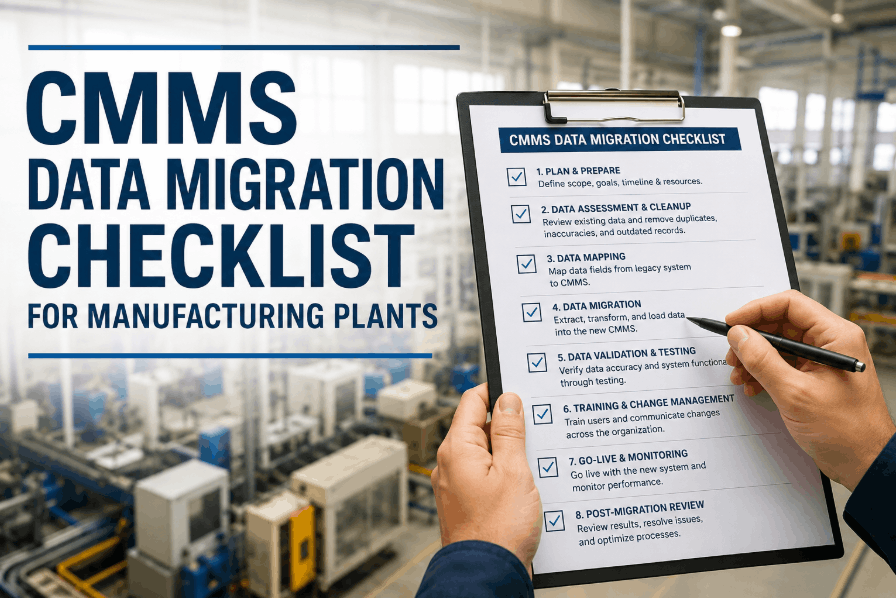
Start by importing your asset list (towers, pumps, heat exchangers, dosing skids), then define PM checklists for each tier — daily, weekly, monthly and annual. OxMaint onboards your existing schedule and templates so your team can go live in days, not months. Book a Demo and we will map your current program live.
Stop Losing Capacity to Scale, Biofilm and Reactive Maintenance
OxMaint turns your cooling water system maintenance into an automated, compliant, data-driven program — cutting energy waste, protecting pumps and keeping your plant audit-ready every day.
Free 14-day trial · No credit card