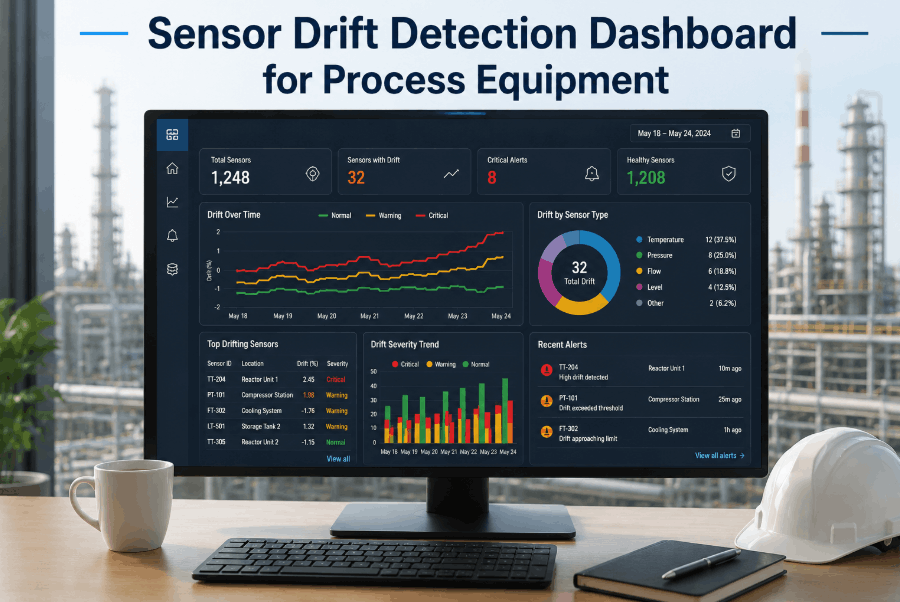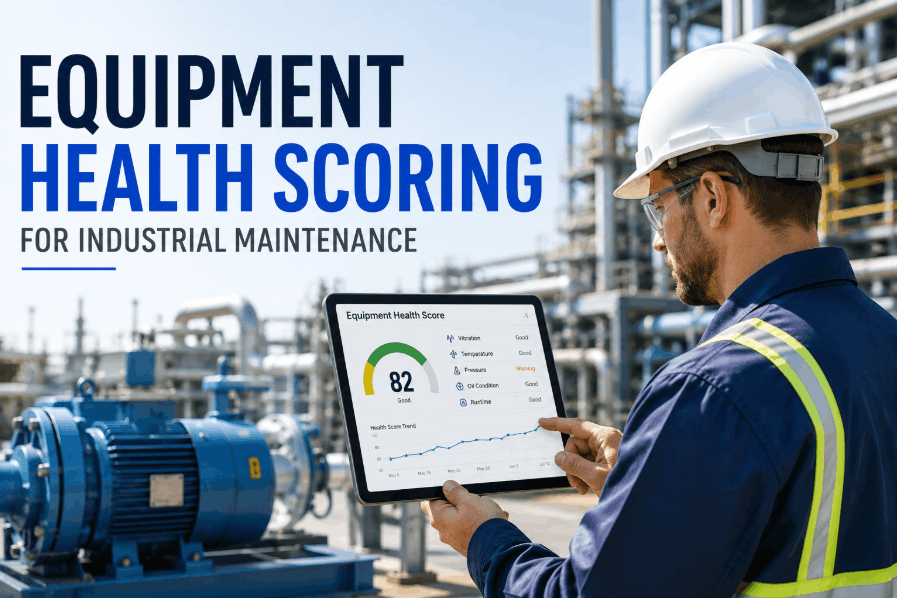
Edge sensor placement on critical presses determines whether temperature, force, and cycle data reveal a developing fault early — or arrive too late to prevent a line stoppage. A sensor mounted in the wrong spot on a stamping press or hydraulic press can miss the exact signal that would have flagged a failing bearing or an overloaded drive motor. Operations teams using Sign Up Free on OxMaint can connect PLC and sensor feeds from presses across the floor through a single multi-protocol platform, so temperature, force, and cycle data reach the same place regardless of brand. Getting placement right turns raw sensor signals into fault detection your maintenance team can act on before a press goes down. Book a Demo to see how OxMaint ingests sensor data from critical presses for real-time fault detection.
Why Sensor Placement Determines Fault Detection Speed
The same press can yield very different fault-detection results depending on where temperature, force, and cycle sensors sit relative to the actual stress and heat points of the machine. Book a Demo to see how OxMaint turns properly placed sensor feeds into predictive alerts instead of after-the-fact downtime reports.
Five Considerations for Sensor Placement on Critical Presses
Getting placement right the first time avoids costly re-wiring later. Sign Up Free to connect your press sensors and PLC tags to OxMaint and start building fault-detection baselines from day one.
Placement Near Load-Bearing Structural Points
Force sensors mounted away from the actual load path produce readings that lag the real mechanical stress on the press frame. Positioning sensors at the structural points carrying the working load gives force data that reflects what the press is actually experiencing.
Thermal Sensors Positioned at Drive Motors and Hydraulic Lines
Temperature data is only useful when captured close to the heat source. Mounting sensors near drive motors, hydraulic pumps, and lines surfaces overheating trends before they reach a thermal shutdown threshold.
Cycle Counters at the Point of Mechanical Actuation
Cycle data captured at the actual actuation point — not the control panel — correctly reflects partial cycles, jams, and stalls. This distinction matters for accurate runtime and wear-tracking calculations.
Vibration Sensors on Bearing Housings and Frame Joints
Bearing wear and frame fatigue show up as vibration changes well before they cause visible damage. Sensors fixed directly to bearing housings and major frame joints catch these patterns earliest.
Protocol Compatibility at Every Connection Point
A well-placed sensor is only useful if its signal reaches your system. OxMaint's multi-protocol connectivity across Modbus, OPC UA, EtherNet/IP, and PROFINET means placement decisions aren't constrained by what a single PLC brand supports.
Edge Sensor Coverage by Press Type
Book a Demo to see how OxMaint maps sensor signals to fault patterns for different press types and turns that data into prioritized maintenance action.
| Press Type | Primary Failure Mode | Key Sensor Signal | OxMaint Data Path |
|---|---|---|---|
| Mechanical Stamping Presses | Crankshaft and bearing wear | Vibration and cycle count | PLC tag mapping with predictive analysis |
| Hydraulic Presses | Pump overheating and seal wear | Hydraulic line temperature | Multi-protocol sensor ingestion |
| Servo-Electric Presses | Drive motor overload | Motor temperature and force | Real-time sensor and IoT feed |
| Multi-Station Transfer Presses | Misalignment across stations | Force variance between stations | Cross-platform PLC dashboard |
How Well-Placed Sensors Strengthen Press Reliability
Sign Up Free to connect critical press sensors to OxMaint and turn placement decisions into measurable gains in uptime and maintenance response time.
Frequently Asked Questions: Edge Sensor Placement for Critical Presses
What data should edge sensors capture on a critical press?
Temperature, force, vibration, and cycle count are the core signals for press fault detection. Together they reveal mechanical wear, thermal stress, and load anomalies before they cause a breakdown.
How does OxMaint connect to press sensors and PLCs?
OxMaint supports multi-protocol connectivity including Modbus, OPC UA, EtherNet/IP, and PROFINET, allowing it to collect sensor and PLC data from presses regardless of manufacturer.
Does sensor placement need to change for different press types?
Yes. Mechanical, hydraulic, and servo-electric presses each have different failure modes, so sensor placement should target the specific stress and heat points relevant to that press type.
Can sensor data trigger automatic maintenance action?
Yes. When sensor readings cross a predictive threshold, OxMaint can automatically generate and prioritize a work order, notifying the assigned technician without manual data entry.
Is vendor-agnostic sensor integration difficult to set up?
No. OxMaint's universal tag mapping and automatic device discovery standardize data from mixed PLC brands, reducing the engineering effort typically required for multi-vendor integration.