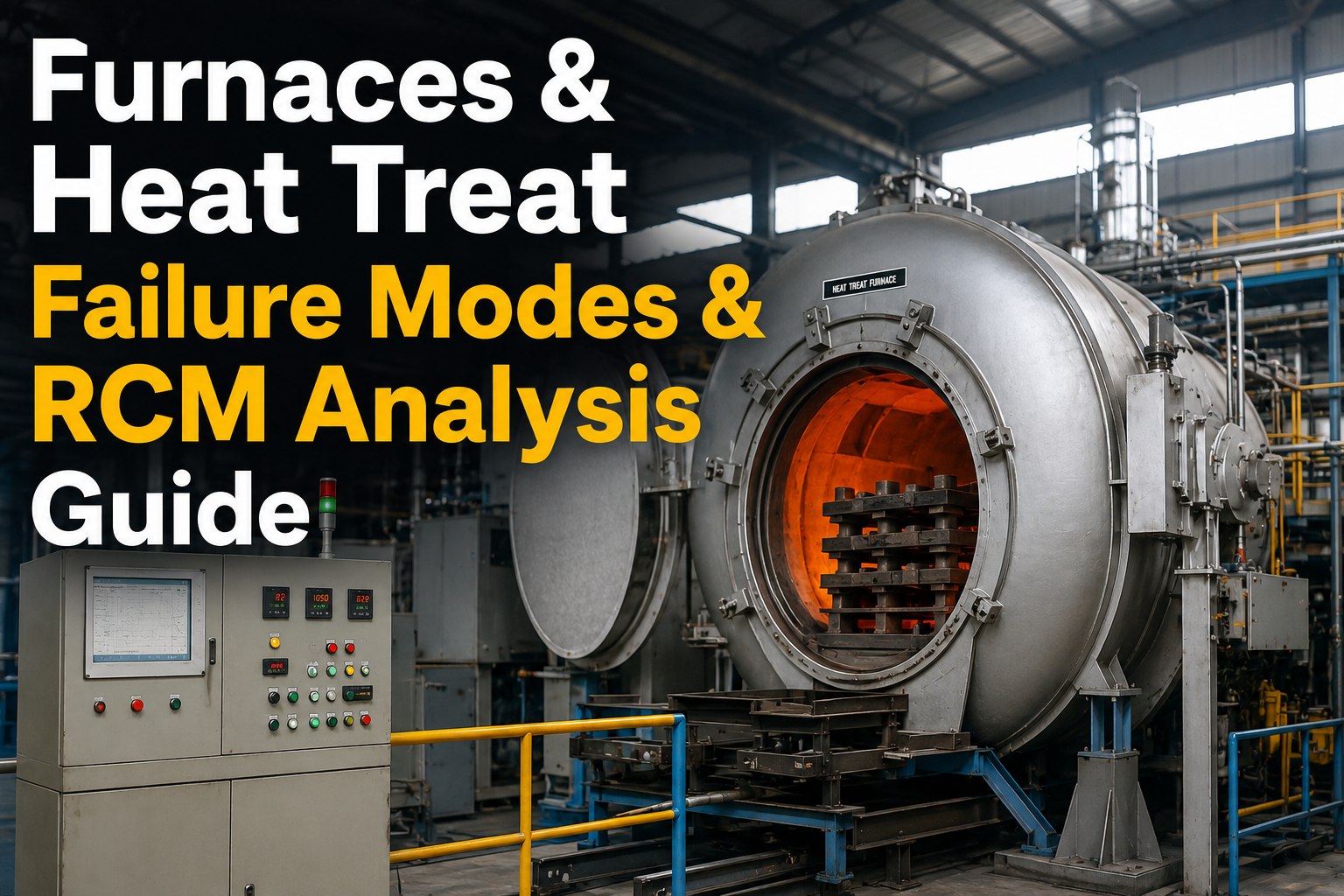
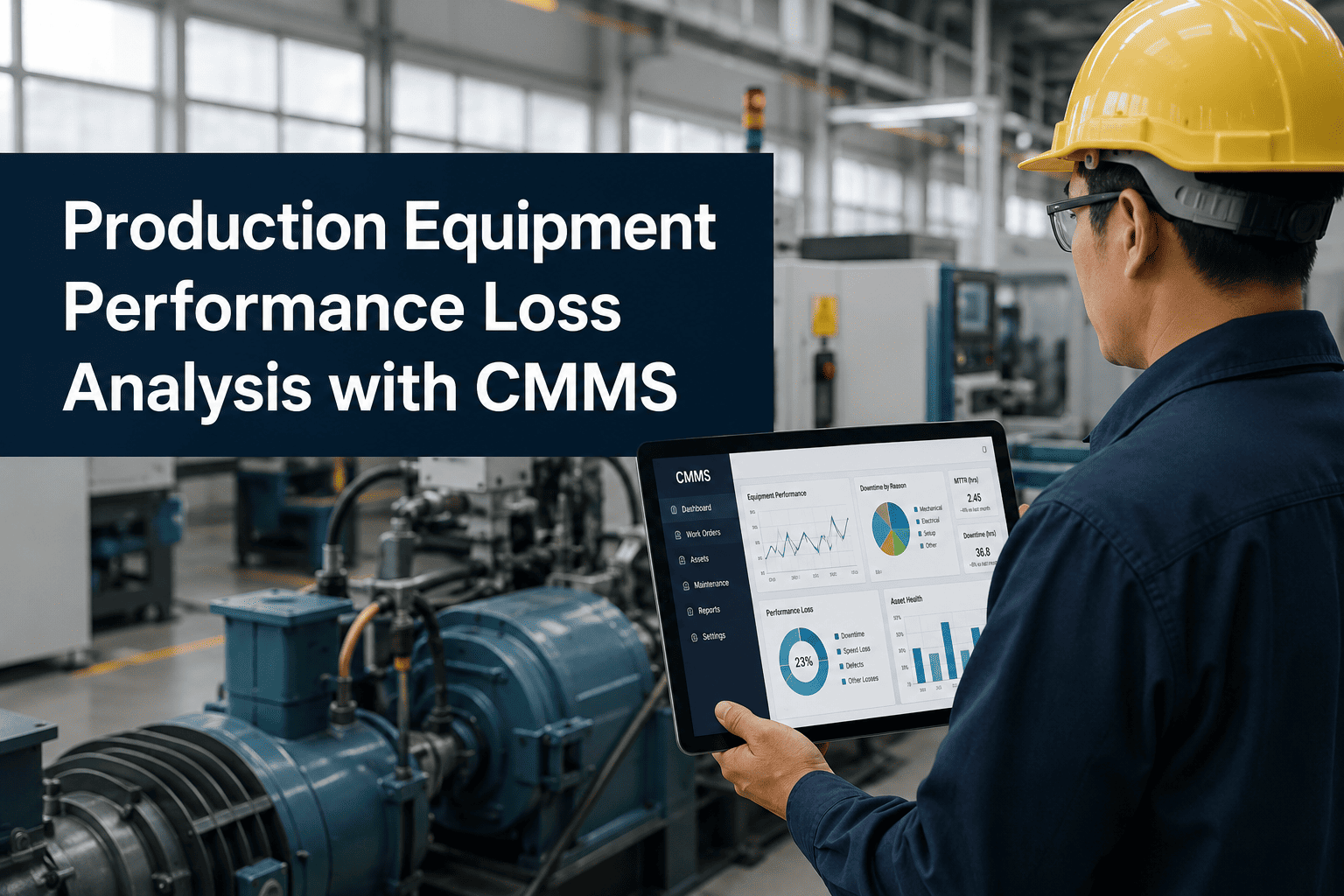
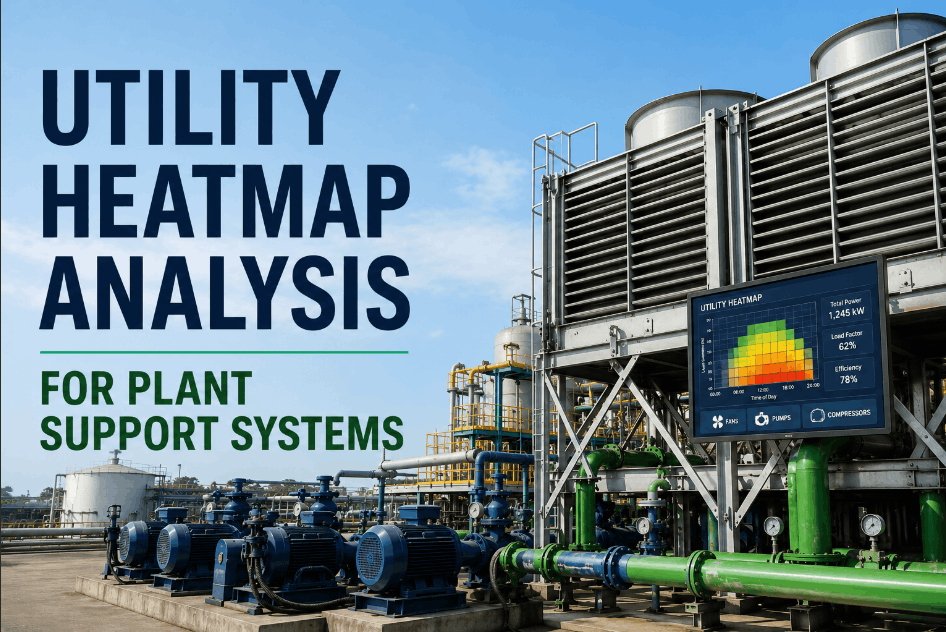
Furnace energy drift in heat treatment cells rarely announces itself with an alarm — it compounds quietly across shifts, soak cycles, and fuel cycles until throughput drops and scrap climbs. Maintenance teams that Sign Up Free on OxMaint can connect energy and temperature readings directly to work orders, spotting soak loss and combustion variance before they reach critical thresholds. Tracking temperature drift per zone, logging fuel consumption per load cycle, and correlating both against process targets gives operations the early signal needed to schedule corrective action without stopping production. Book a Demo to see how OxMaint structures energy monitoring for industrial furnaces operating across multi-zone heat treatment cells.
Maintenance · Blog · Heat Treatment Operations
Furnace Energy Drift Analysis for Heat Treatment Cells
Track temperature drift, soak loss, and fuel swings inside heat treatment cells — and tie every anomaly to a structured work order before process targets slip.
3–8%Typical fuel overconsumption from undetected furnace temperature drift per shift
±5°CTemperature variance threshold beyond which soak loss begins affecting metallurgical outcomes
2.4×Faster corrective response when energy drift is logged in a CMMS versus manual temperature logs
62%Of heat treatment scrap events trace back to untracked fuel or thermal instability in prior shifts
What Furnace Energy Drift Actually Looks Like in Heat Treatment Cells
Energy drift is not a single event — it is the gradual misalignment between actual furnace thermal behavior and the process setpoints defined for each material load. Book a Demo to see how OxMaint captures thermal and energy readings per furnace zone and links them to asset maintenance records in one connected view.
Signal 1
Temperature Drift Per Zone
Zone setpoint versus actual reading widens over multiple cycles, indicating burner wear, refractory degradation, or control loop error.
Thermal
Signal 2
Soak Loss Patterns
Parts fail to reach or hold target soak temperature for the required duration, reducing treatment effectiveness even when surface readings look normal.
Process Risk
Signal 3
Fuel Swing Events
Combustion fuel rate spikes or dips outside baseline — linked to valve wear, pressure fluctuations, or burner nozzle fouling between PM cycles.
Energy
Signal 4
Load-Cycle Variance
Energy consumed per load batch varies beyond expected range, flagging inconsistent preheat, door seal loss, or thermocouple calibration drift.
Consumption
Signal 5
Refractory Heat Loss
Shell temperature creep on furnace exterior signals refractory thinning — detectable early through thermal trend data logged per maintenance cycle.
Structural
Signal 6
Thermocouple Calibration Lag
Thermocouples drifting from calibration targets produce false-stable readings that mask actual thermal shortfall until scrap rates rise.
Measurement
How Untracked Energy Drift Escalates — The Cost Cascade in Heat Treatment Cells
Each stage of undetected furnace drift adds cost. Sign Up Free to replace spreadsheet-based furnace logs with structured OxMaint energy monitoring that flags drift at Stage 1 — before scrap and emergency downtime costs accumulate.
Furnace Energy Drift Escalation — 5 Stages from Thermal Variance to Production Loss
Stage 1
Zone Temperature Begins to Drift
Actual zone temperature deviates from setpoint by ±3–5°C — within operator tolerance but compounding with each shift cycle.
$0
Cost if caught and logged here
↓
Stage 2
Soak Loss Begins Affecting Parts
Materials exit the furnace under-treated due to insufficient soak temperature or duration — not yet detectable without downstream inspection.
$900
Rework and re-treat cost per batch
↓
Stage 3
Fuel Consumption Rises Unnoticed
Burners compensate for thermal loss by running longer — fuel cost per cycle increases without a corresponding process benefit.
$3,200
Monthly fuel overrun vs. target
↓
Stage 4
Scrap Rate Climbs
Hardness or microstructure failures appear in quality checks — traced back to multiple shifts of thermal shortfall across several load cycles.
$11,000
Scrap and re-work cost accumulation
↓
Stage 5
Furnace Shutdown for Emergency Repair
Refractory damage, burner failure, or thermocouple failure forces unplanned shutdown — production stops and capital repair is required.
$28,000+
Downtime + emergency repair cost
OxMaint CMMS Capabilities for Furnace Energy Monitoring
Reliable furnace energy tracking requires a maintenance platform that connects thermal data, PM schedules, and work order history in one place. Book a Demo to see OxMaint's asset monitoring and work order tools applied to heat treatment furnace environments.
Energy Log per Asset
100%
Fuel and thermal readings tied to furnace asset records
Every energy reading and temperature observation attached directly to the furnace asset — no spreadsheet silos between operations and maintenance.
PM Trigger on Drift
Auto
Work orders raised when readings exceed process threshold
OxMaint condition-based PM rules fire a corrective work order when temperature or fuel readings breach defined limits per heat treatment cell.
Soak Cycle Tracking
Per Load
Soak duration and temperature logged per batch
Each batch cycle recorded against target soak parameters — enabling traceability from thermal performance to downstream quality outcomes.
Multi-Cell Dashboard
Live
All furnace cells visible in one maintenance view
Energy drift, open work orders, and PM compliance for every heat treatment cell in the facility visible from one OxMaint operations dashboard.
"
We were logging furnace temperatures on paper and only catching problems after scrap appeared in quality. Moving that data into OxMaint and setting drift thresholds per zone gave us the early warning we needed — we now catch burner issues one to two shifts before they affect parts.
Maintenance Supervisor — Industrial Heat Treatment Facility
Root Causes Behind Furnace Energy Drift in Heat Treatment Operations
Thermal and fuel instability in heat treatment cells traces to a consistent set of equipment and process failure modes. Sign Up Free to structure your furnace PM program around the root causes that actually drive energy drift in your cells.
Furnace Energy Drift — Root Cause Distribution in Heat Treatment Cells (%)
Burner nozzle wear or fouling
74%
Thermocouple calibration drift
67%
Refractory degradation
58%
Door seal and gasket failure
49%
Control loop misconfiguration
41%
Fuel supply pressure instability
34%
Furnace Energy Monitoring Maturity Score
Score 5 = live drift detection with PM triggers · Score 1 = no energy tracking in place
5
Live Drift Detection — Condition-Based PM Triggers
Temperature and fuel readings monitored continuously; PM work orders raised automatically when thresholds are exceeded per cell.
Action: Review threshold limits annually as process setpoints or materials change.
4
Regular Manual Review — Shift-Level Temperature Logs
Temperature logs reviewed per shift but energy drift analysis depends on operator attention rather than systematic tracking.
Action: Migrate shift logs into CMMS to enable trend detection and automatic PM triggering.
3
Reactive Monitoring — Temperature Only, No Fuel Tracking
Zone temperatures checked against setpoints but fuel consumption and soak cycle performance not systematically recorded.
Action: Add fuel and soak duration tracking to complement existing temperature logging.
2
Alarm-Only — No Trend Data Between Events
Furnace alarms trigger corrective action but no baseline trend data exists between alarm events to identify gradual drift.
Action: Implement periodic energy data capture to build trend baselines between alarm events.
1
No Tracking — Reactive Repair After Scrap or Shutdown
No structured energy or temperature monitoring in place — drift only identified when scrap rates rise or furnace fails.
Action: Implement core furnace energy monitoring in a CMMS immediately to establish baseline.
Catch Furnace Drift Before It Becomes Scrap or Shutdown.
OxMaint connects temperature readings, fuel data, and PM schedules for every heat treatment cell in your facility — live and in one place.
Frequently Asked Questions
What causes furnace energy drift in heat treatment cells?
The most common causes are burner nozzle wear, thermocouple calibration drift, refractory thinning, and door seal failure — each of which shifts thermal or fuel consumption away from process targets incrementally across shifts.
How does soak loss affect heat treatment quality?
When parts fail to reach or hold target soak temperature for the required time, metallurgical properties such as hardness and microstructure are compromised — often undetectable until downstream inspection or field failure.
How can a CMMS support furnace energy monitoring?
A CMMS like OxMaint logs temperature and fuel readings per asset, triggers PM work orders when drift thresholds are exceeded, and provides trend data across shifts — replacing paper logs with structured, searchable maintenance records.
How often should furnace thermocouples be calibrated?
Calibration frequency depends on furnace duty cycle and temperature range, but most heat treatment operations require verification every 3–6 months, with condition-based checks triggered when zone readings deviate from baseline patterns.
Can OxMaint track energy data across multiple furnace cells?
Yes — OxMaint's multi-asset dashboard displays energy readings, open work orders, and PM compliance for every furnace cell in the facility, enabling site-wide thermal performance visibility from a single maintenance view.
Start Monitoring Furnace Energy Drift Today.
OxMaint turns furnace asset data into structured energy monitoring with PM triggers — free to start, no implementation project required.