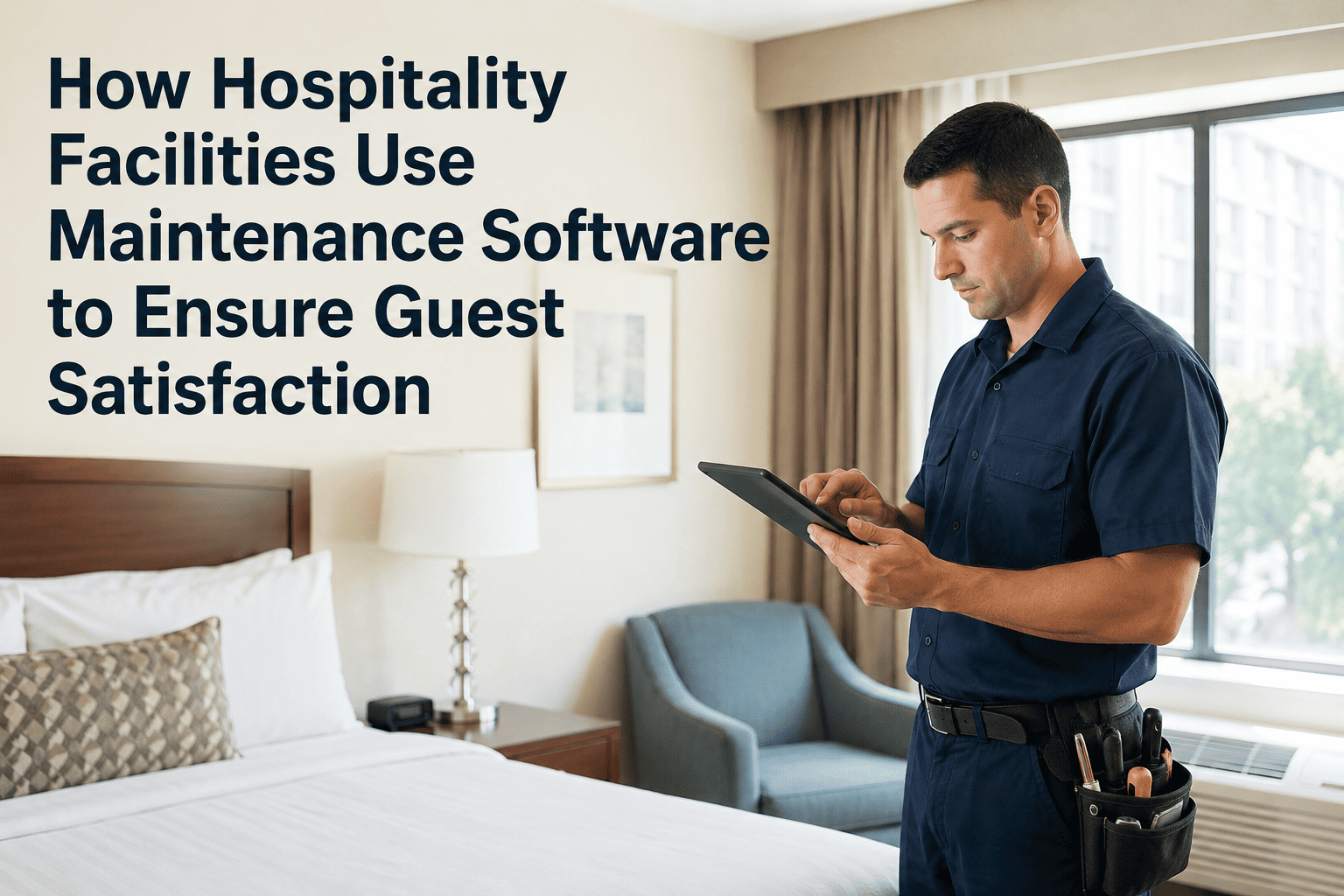
In hospitality, maintenance isn't just about keeping equipment running — it's about protecting the guest experience. A malfunctioning HVAC system in July turns a five-star review into a one-star complaint within hours. A broken elevator means guests hauling luggage up stairs and posting about it on social media before your front desk even knows there's a problem. The average hotel loses 8-12% of potential revenue to maintenance-related guest dissatisfaction, yet 64% of hospitality facilities still manage work orders with paper logs, radio calls, and tribal knowledge scattered across shift handovers. The gap between reactive firefighting and predictive maintenance is the difference between hotels that quietly deliver flawless stays and properties that lurch from crisis to crisis while online ratings slide. Modern hospitality facilities need maintenance software that prevents failures before guests notice, routes urgent requests to the right technician instantly, and tracks asset performance across properties. If you're ready to move past paper logs and see how hotels use CMMS to protect guest satisfaction, start a free trial of OxMaint and route your first guest room work order in under five minutes.
Maintenance Issues Cost More Than Repairs
They Cost You Guests, Reviews, And Revenue
OxMaint helps hospitality teams prevent equipment failures, respond to guest issues faster, and maintain the flawless experience that keeps occupancy rates high and reviews glowing.
Guest-Facing Impact
Every maintenance failure affects the guest experience directly. A noisy ice machine at 2 AM generates complaints. A stained carpet in the lobby shapes first impressions. Industrial plants measure downtime in dollars per hour; hotels measure it in guest satisfaction scores and online reviews that influence bookings for years.
24/7 Operation With No Downtime Windows
Manufacturing plants schedule maintenance during planned shutdowns. Hotels never close. Preventive maintenance must happen around guest occupancy, housekeeping schedules, and event bookings. The HVAC system can't go offline during a wedding reception, and elevator maintenance has to avoid checkout rush.
Distributed Assets Across Properties
Hotel chains manage hundreds of similar assets — HVAC units, boilers, elevators, kitchen equipment — across multiple properties. Centralized maintenance tracking reveals patterns invisible at the property level, like a specific chiller model failing prematurely across the portfolio.
Response Speed Matters More Than Fix Speed
In industrial settings, thoroughness trumps speed. In hospitality, acknowledgment speed shapes guest perception. A 15-minute response to a room temperature complaint feels responsive even if the fix takes an hour. A 90-minute silence feels like neglect even if the eventual fix is perfect.
$89
Average revenue loss per room per night when maintenance issues force a room out of service
23%
Increase in negative online reviews when guests report unresolved maintenance problems
$47K
Annual emergency repair costs for a 200-room hotel operating reactively instead of preventively
18 min
Average time wasted per maintenance request when using paper logs and radio dispatch
01
Guest Request Tracking From Any Channel
Front desk calls, guest app notifications, housekeeping reports, and direct guest complaints all flow into one system. No lost sticky notes, no forgotten radio calls, no maintenance requests falling through the cracks during shift changes.
02
Room-Level Asset Tracking
Every HVAC unit, mini fridge, safe, and TV gets tracked by room number. When room 312 reports a noisy AC, the system pulls up that specific unit's maintenance history, warranty status, and past service notes instantly.
03
Automated PM Scheduling Around Occupancy
Integrate with your PMS to automatically schedule preventive maintenance during unoccupied periods. Chiller maintenance triggers for Tuesday mornings when occupancy forecast is below 60%. Deep cleaning of kitchen exhaust happens during slow seasons, not peak weeks.
04
Mobile Work Orders For On-The-Move Teams
Maintenance technicians move constantly across the property. Mobile apps let them receive assignments, update status, attach photos of issues, and close work orders without returning to the maintenance office. Response times drop by 40% when techs stay in the field.
05
Multi-Property Dashboards For Chains
Corporate maintenance directors see KPIs across all properties — which locations have overdue PMs, which assets are driving the most unplanned work, where emergency repair spend is climbing. Standardize procedures and share best practices across the portfolio.
06
Guest Notification And Closure Confirmation
When a work order closes, the system can trigger notifications to the front desk or directly to the guest app. Proactive communication turns maintenance from an annoyance into a demonstration of responsiveness that earns positive feedback.
Guest Room HVAC Failures During Peak Season
Problem: Room AC units fail during summer peak when occupancy is at 95% and every room matters. Guests complain, front desk offers discounts, and maintenance scrambles to find replacement units. Solution: Preventive filter changes, coil cleaning, and refrigerant level checks scheduled during shoulder seasons. Predictive monitoring flags units showing signs of stress before they fail during peak.
Kitchen Equipment Downtime During Service
Problem: Walk-in cooler compressor fails Friday night during dinner service, spoiling inventory and forcing menu changes. Solution: Daily temperature logging, regular condenser cleaning, and oil analysis on commercial refrigeration. CMMS alerts on temperature anomalies before spoilage occurs.
Elevator And Lift Compliance Gaps
Problem: State inspector arrives for annual elevator inspection and finds missed monthly safety checks, expired certifications, and incomplete maintenance logs. Property faces fines and potential shutdown orders. Solution: Automated compliance tracking with mandatory sign-offs, photo uploads of safety checks, and alerts 30 days before inspections due.
Pool And Spa Chemistry And Equipment Issues
Problem: Pool chemistry drifts out of spec, guests complain about cloudy water, and health department issues violation notice. Pump failures cause closures during peak pool season. Solution: Daily chemistry logging in CMMS, automated PM schedules for pumps and filters, and integration with chemistry monitoring systems for real-time alerts.
See What Hospitality Teams Actually Use
Real Hotels Using Real CMMS To Protect Real Guest Experiences
OxMaint is built for fast-moving hospitality environments where every minute counts and every work order impacts guest satisfaction. Mobile-first, easy to learn, and purpose-built for multi-property operations.
HVAC Preventive Maintenance Program
Reduces emergency room AC failures by 67%, eliminates guest complaints about temperature, prevents revenue loss from out-of-service rooms. ROI: Every dollar spent on PM saves $4 in emergency repairs and lost room revenue.
Kitchen Equipment PM Schedule
Prevents mid-service equipment failures that force menu changes or restaurant closures. A single avoided walk-in cooler failure saves $8,000 in spoiled inventory plus untold damage to restaurant reputation.
Elevator And Lift Compliance Tracking
Avoids inspection failures that can shut down elevators for days while repairs are completed. A 200-room hotel with one elevator out of service loses $2,400 per day in guest dissatisfaction and operational inefficiency.
Boiler And Water Heater Maintenance
Prevents hot water outages that generate instant guest complaints and negative reviews. One avoided mid-winter boiler failure saves $15,000 in emergency service plus immeasurable brand damage from angry guests posting online.
Plumbing Preventive Inspections
Identifies slow leaks, corroded pipes, and failing fixtures before catastrophic failures flood guest rooms. Water damage claims average $50,000 and take rooms out of service for weeks during remediation.
Guest Room Equipment
HVAC units, mini refrigerators, safes, TVs, alarm clocks, coffee makers, hair dryers, irons. Track by room number for instant history lookup when guests report issues.
Central HVAC And Mechanical Systems
Chillers, boilers, air handlers, cooling towers, pumps, controls. Schedule seasonal startups and shutdowns, track refrigerant levels, monitor energy consumption trends.
Kitchen And Food Service Equipment
Walk-in coolers and freezers, ovens, ranges, dishwashers, ice machines, exhaust hoods. Temperature logging, deep cleaning schedules, health code compliance documentation.
Elevators And Vertical Transport
Passenger elevators, service elevators, dumbwaiters, escalators. Monthly safety inspections, annual certifications, compliance with local codes, contractor service records.
Pool And Spa Systems
Pumps, filters, heaters, chemical feeders, UV systems. Daily chemistry logs, filter backwash schedules, pump motor maintenance, seasonal opening and closing procedures.
Laundry And Housekeeping Equipment
Commercial washers, dryers, flatwork ironers, vacuum cleaners, carpet extractors. High-cycle equipment with frequent maintenance needs and predictable wear patterns.
Life Safety And Security Systems
Fire alarms, sprinkler systems, emergency lighting, security cameras, access control. Regulatory inspection schedules, battery replacements, system testing documentation.
Building Envelope And Grounds
Roofs, windows, doors, parking lot surfaces, irrigation systems, landscaping equipment. Seasonal maintenance cycles, weather damage tracking, exterior appearance preservation.
Week 1
System Setup And Room Asset Import
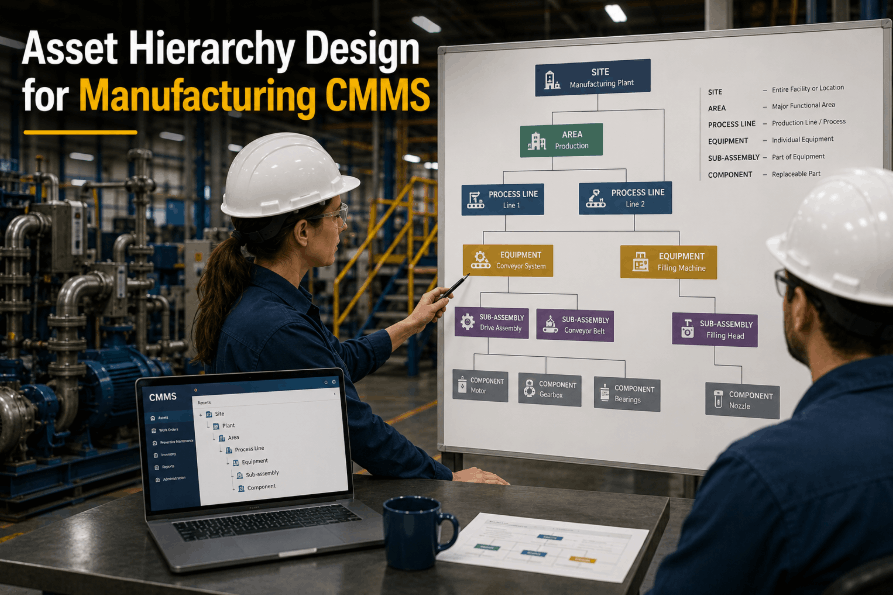
Configure property structure, import room-level assets from PMS, set up user roles for maintenance, housekeeping, and front desk teams. Map equipment to locations and create asset hierarchy.
Week 2
PM Task Library And Schedule Build
Load preventive maintenance tasks from manufacturer recommendations and existing procedures. Create schedules for HVAC filter changes, equipment inspections, and compliance checks. Pilot with maintenance team.
Week 3
Mobile Training And Soft Launch
Train maintenance technicians on mobile work order management. Run parallel with existing system for one week to build confidence. Adjust workflows based on real-world feedback from the floor.
Week 4
Full Rollout And Legacy System Cutover
All work requests route through CMMS, front desk integrates for guest issue reporting, housekeeping uses system to flag room maintenance needs. Retire paper logs and radio-only dispatch.
Month 2+
Optimization And Multi-Property Expansion
Review KPIs, refine PM intervals based on actual failure data, expand to additional properties using lessons learned from first site. Build dashboards for corporate oversight and benchmarking.
How does CMMS integrate with our property management system?
Modern CMMS platforms offer pre-built integrations with major PMS systems like Opera, Maestro, and Mews. Room occupancy data flows into the CMMS to inform PM scheduling, and work order completion can trigger guest notifications through the PMS. API connections handle the heavy lifting with minimal IT involvement.
Can front desk staff create work orders directly in the system?
Yes. Role-based access lets front desk create guest-related work orders with priority tagging. They see work order status in real-time so they can update guests on progress without calling maintenance. This closes the communication loop that often breaks with radio dispatch.
What happens if a technician is in a basement or dead zone without cell signal?
Mobile apps with offline mode let technicians download their assigned work orders when connected, complete them offline, and sync updates when they return to WiFi coverage. No connectivity excuses for incomplete documentation.
How do we track maintenance across multiple properties in our portfolio?
Multi-property dashboards roll up KPIs across locations — PM completion rates, emergency repair costs, response times, asset reliability. Corporate teams identify underperforming properties and share best practices from high performers. Standardized procedures get deployed consistently across the chain. Schedule a demo to see multi-property management in action.
What ROI should we expect in the first year after implementing CMMS?
Hospitality properties typically see 15-25% reduction in emergency repair costs, 30-40% decrease in guest-related maintenance complaints, and 10-15% improvement in asset uptime. A 200-room hotel averages $35,000 to $50,000 in savings within 12 months. The less measurable but equally important benefit is protecting online reputation and guest satisfaction scores. Start a free trial to track your own results.
Your Guests Notice Everything
Make Sure They Notice Excellence, Not Excuses
OxMaint gives hospitality teams the tools to prevent failures before guests notice, respond instantly when issues arise, and maintain the seamless experience that turns first-time visitors into loyal customers who leave five-star reviews.


.png)