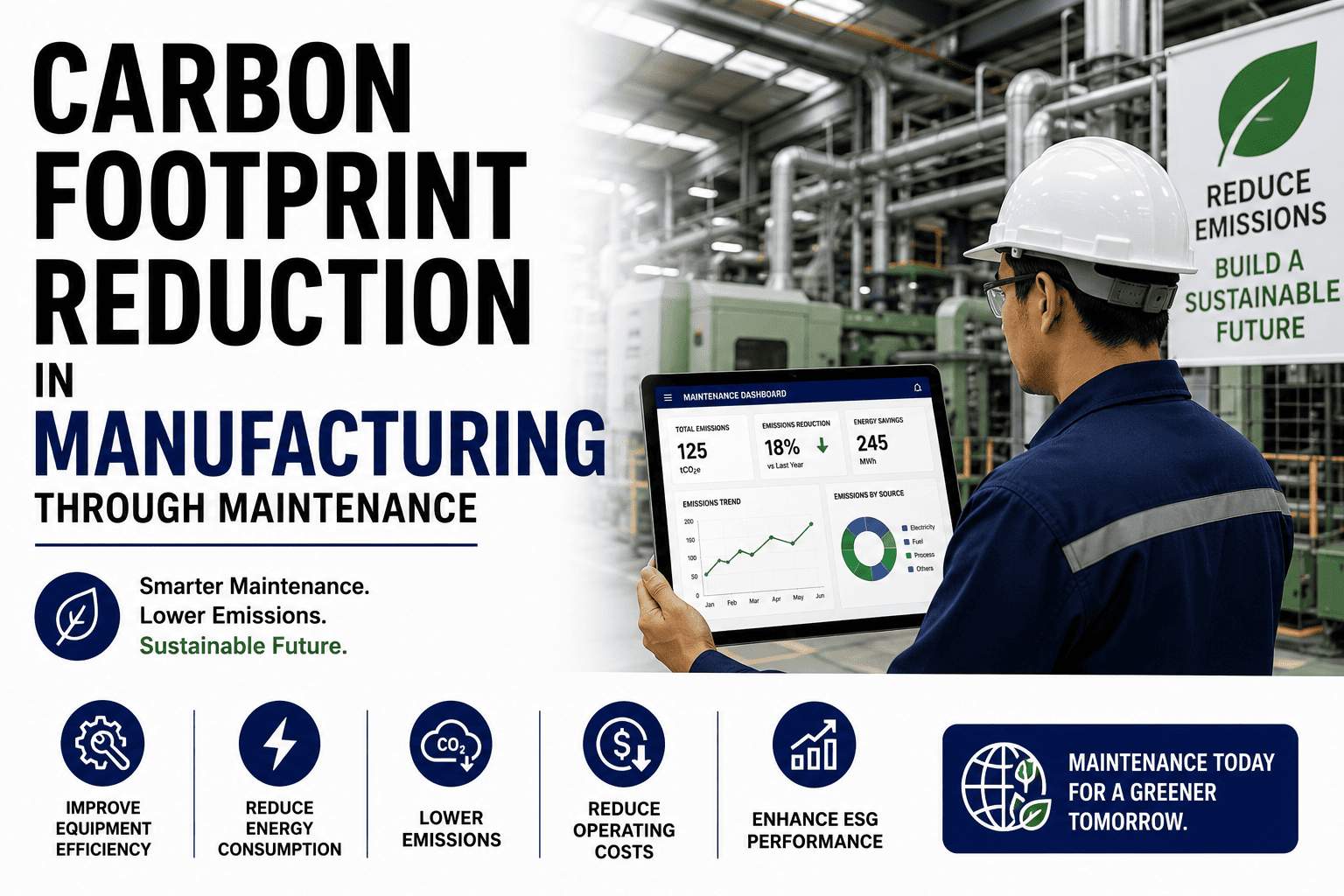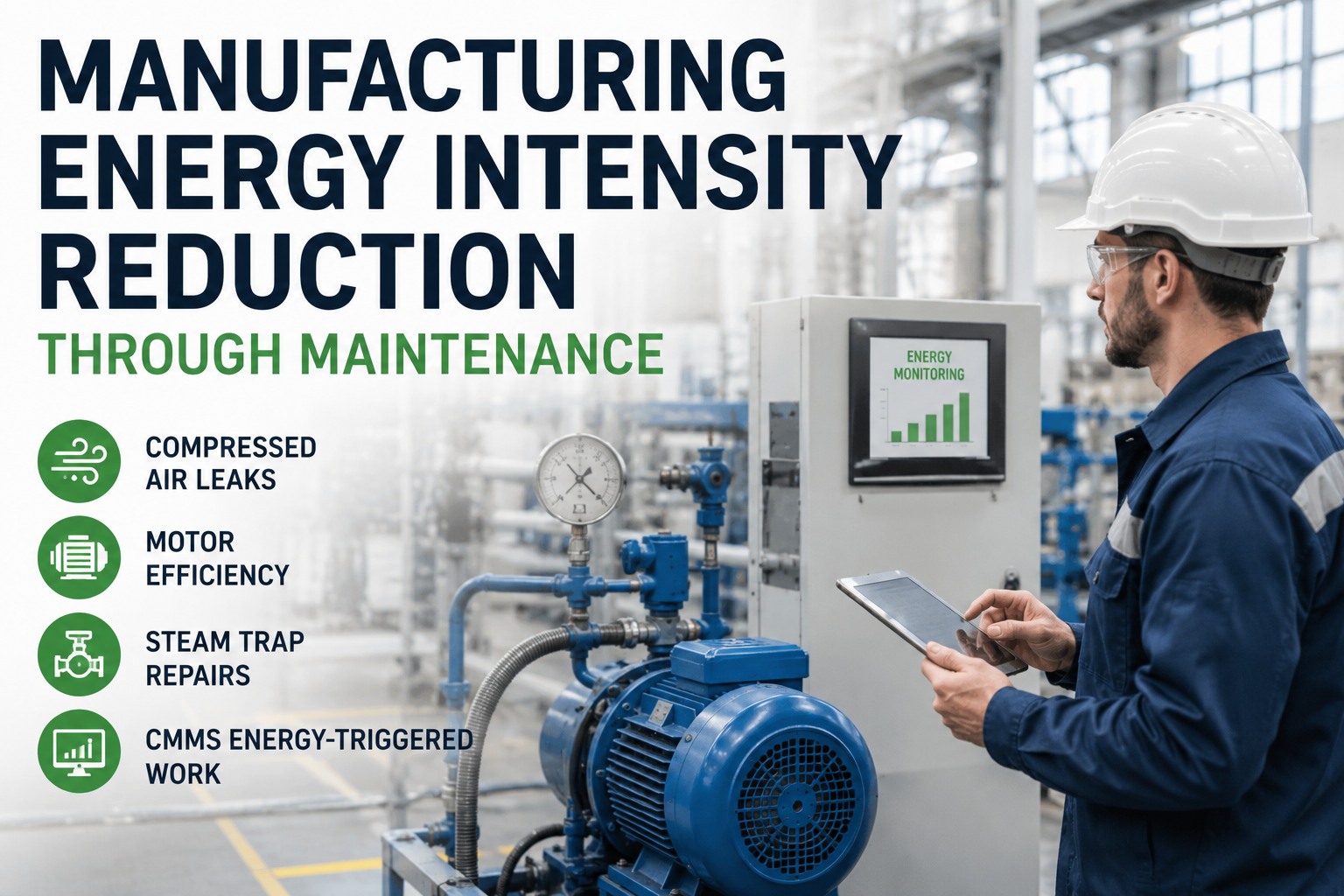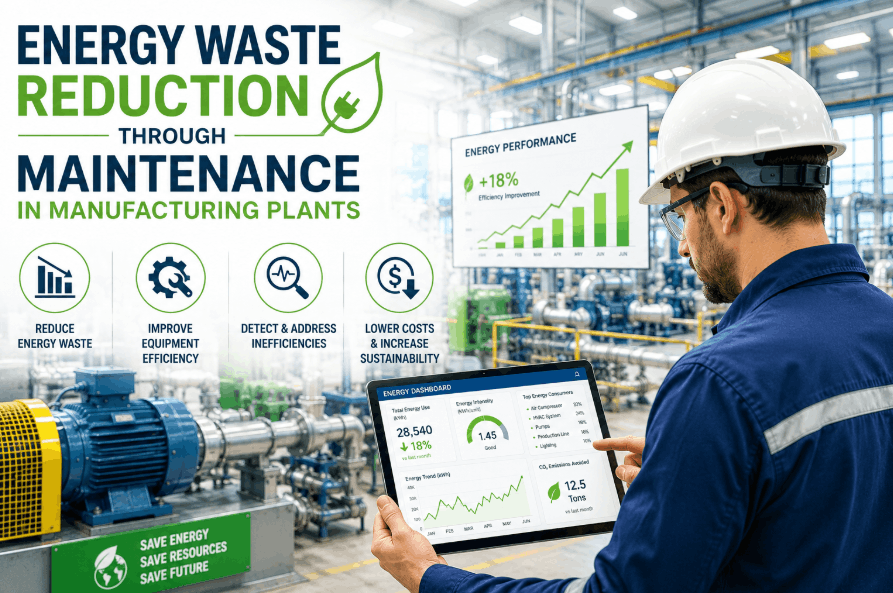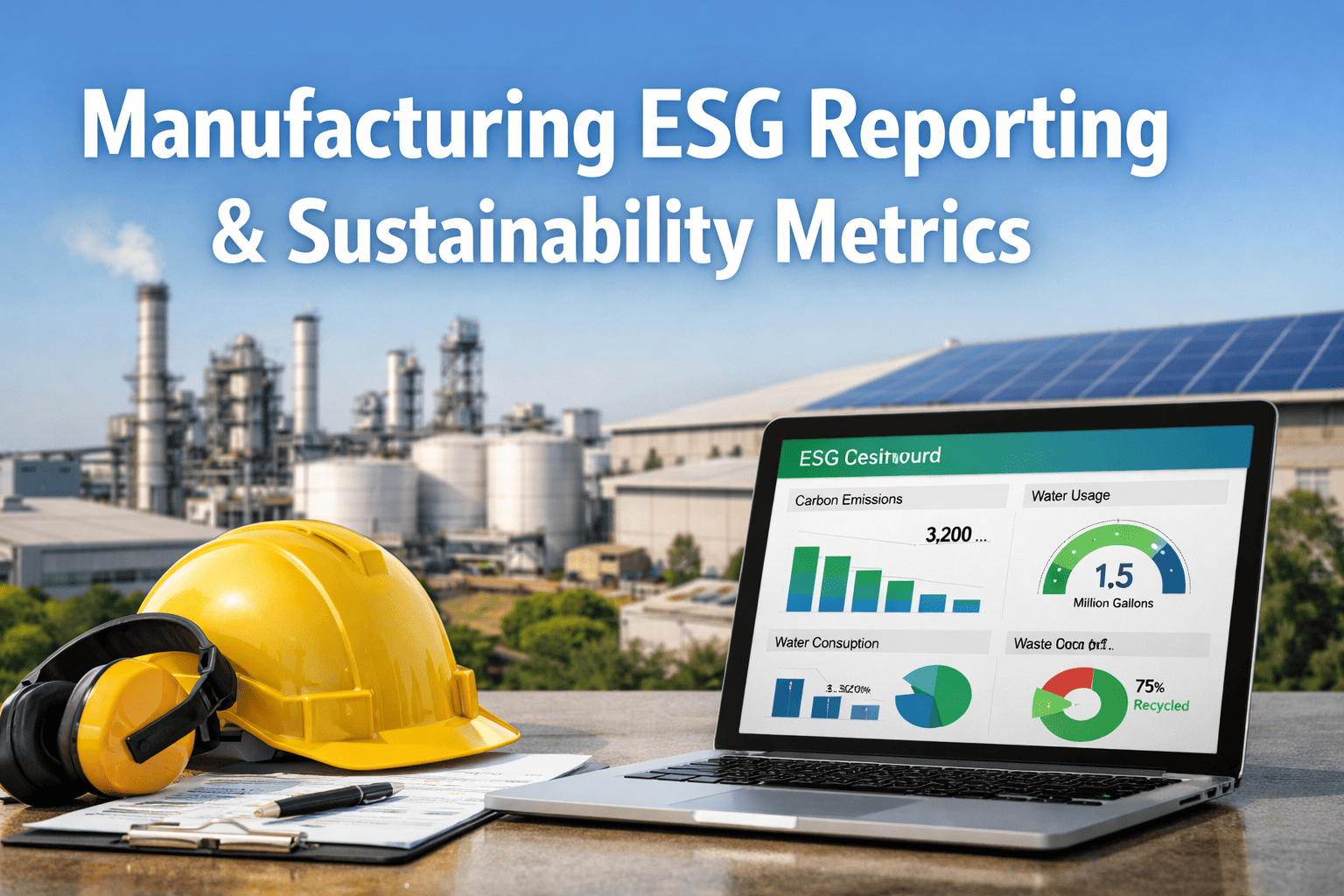
Manufacturing ESG reporting usually stalls at the maintenance department, not because the data doesn't exist but because it lives in scattered PM logs, paper inspection sheets, and disconnected spreadsheets instead of a reporting-ready format. Energy actions tied to predictive maintenance, waste reduction from scrap tracking, and reliability gains from fewer breakdowns are all real disclosure inputs — they just aren't mapped to the metrics sustainability teams need. Sign Up Free to see how OxMaint turns everyday maintenance records into structured data that maintenance leaders can hand off for ESG and compliance reporting.
Turn Maintenance Records Into ESG-Ready Data
OxMaint connects work orders, EHS incidents, scrap tracking, and inspection history into a single source maintenance leaders can use for sustainability and compliance disclosures.
Why Maintenance Data Belongs in Manufacturing ESG Reporting
Sustainability disclosures increasingly ask for operational evidence, not just policy statements — proof that energy actions, waste reduction efforts, and safety performance are measured consistently across the plant. Maintenance teams already generate this evidence through PM compliance records, EHS incident logs, and scrap inventory data, but it rarely reaches the reporting framework in a usable form. Maintenance leaders who Book a Demo with OxMaint see how work order, EHS, and inventory data map directly to the disclosure categories sustainability teams are asked to fill.
Predictive maintenance reduces unplanned downtime and the energy waste that comes with emergency restarts and inefficient equipment operation.
Scraps inventory management tracks material waste by asset and period, giving sustainability teams a quantifiable waste reduction trend.
EHS management captures incident records and PPE compliance detected through AI Vision, building the audit trail disclosure frameworks request.
PM compliance and corrective work order trends show whether reliability programs are reducing failure-driven resource consumption over time.
Digital checklists with photo capture create a timestamped record of environmental and safety findings, closed through linked corrective work orders.
AI-generated shift logs document operational events and follow-ups, supporting the narrative detail that supplements quantitative ESG metrics.
Mapping Maintenance Data to ESG Disclosure Metrics
Equipment running outside optimal condition consumes more energy per unit of output. Predictive maintenance flags that drift before it becomes a failure, and the resulting downtime reduction becomes a reportable energy performance input. Teams that Sign Up Free can begin tracking downtime-linked energy impact from existing sensor and work order data.
Tracking scrap volume by asset and cause over successive periods turns a generic waste reduction claim into a measurable, asset-level trend that supports a manufacturing sustainability disclosure.
EHS incident records and PPE compliance detections give the social pillar of ESG reporting an auditable trend line rather than a single annual figure. Maintenance leaders who Book a Demo can see how incident-to-closure tracking supports compliance reporting requirements.
Reliability growth — fewer corrective work orders, higher PM compliance — demonstrates operational governance over asset risk, a metric increasingly requested alongside environmental and social disclosures.
Manufacturing ESG Reporting Inputs: Maintenance Data Reference
| ESG Category | Maintenance Data Source | Reporting Signal | OxMaint Record | Review Frequency |
|---|---|---|---|---|
| Energy | Predictive maintenance alerts | Reduced unplanned downtime | Sensor and WO history | Quarterly |
| Waste | Scrap inventory by asset | Declining scrap volume | Scraps inventory module | Monthly |
| Safety | EHS incident and PPE logs | Lower incident rate | EHS management module | Monthly |
| Governance | PM compliance and WO mix | Higher PM compliance rate | Analytics & reporting | Quarterly |
How OxMaint Supports Manufacturing ESG Reporting
OxMaint doesn't generate ESG disclosures directly — it gives maintenance leaders the structured operational data those disclosures depend on. Predictive maintenance, EHS incident tracking, scrap inventory, and analytics dashboards all sit on the same asset and work order records, so energy, waste, safety, and reliability figures pull from one consistent dataset instead of separate manual exports. Maintenance leaders can Sign Up Free and start building a reporting-ready maintenance data trail from their existing work order history.
Building a Manufacturing ESG Reporting Workflow: Implementation Steps
Identify ESG-Relevant Maintenance Data
List which existing work order, EHS, and inventory fields map to energy, waste, safety, and governance categories.
Establish Baseline Metrics
Calculate current downtime, scrap volume, incident rate, and PM compliance to set the reference point for future reporting periods.
Connect Data to the Reporting Framework
Map OxMaint's analytics output fields to the specific disclosure categories required by your reporting standard.
Review Metrics on a Fixed Cadence
Schedule monthly or quarterly pulls of energy, waste, and safety data so reporting figures stay current between disclosure cycles.
Validate With Sustainability Stakeholders
Share the mapped maintenance data with the sustainability team to confirm it satisfies the disclosure format they require.
Expand to Additional Asset Classes
Apply the same reporting structure to additional equipment groups as the program matures. Book a Demo to see the full ESG data mapping workflow.
Give Your Sustainability Team Maintenance Data They Can Use
OxMaint connects energy, waste, safety, and reliability records into one reporting-ready source for manufacturing ESG disclosures.
Frequently Asked Questions
What is manufacturing ESG reporting in a maintenance context?
It is the practice of translating maintenance operational data — energy, waste, safety, and reliability records — into the structured metrics sustainability disclosures require.
How does predictive maintenance support ESG energy metrics?
By reducing unplanned downtime and inefficient equipment operation, predictive maintenance directly lowers the energy waste associated with reactive repairs and emergency restarts.
Can OxMaint generate ESG disclosure reports directly?
OxMaint doesn't produce the final disclosure document — it structures the underlying energy, waste, safety, and reliability data so it's ready to feed into your reporting framework.
What maintenance data supports the social pillar of ESG?
EHS incident records, PPE compliance detections, and inspection closure rates provide the auditable safety data typically requested under the social category.
How often should maintenance ESG data be reviewed?
Most manufacturers review energy and safety data monthly, with a fuller waste and reliability trend review on a quarterly basis ahead of disclosure deadlines.
Start Mapping Maintenance Data to ESG Metrics
OxMaint gives maintenance leaders the energy, waste, safety, and reliability records sustainability reporting depends on — built from existing work order history.