Implementing Lean Manufacturing Principles with AI for Waste Reduction

By oxmaint on March 14, 2026

lean-manufacturing-principles-ai-waste-reduction

Every manufacturing plant has waste hiding in plain sight—not just scrap metal on the floor, but the 15 minutes a machine sits idle between shifts, the overproduced batch taking up warehouse space, the technician walking across the plant to check a paper logbook. Lean manufacturing has always aimed to expose and eliminate these inefficiencies, but traditional lean tools hit a ceiling when data volumes outpace human analysis. AI breaks through that ceiling. By layering predictive analytics, computer vision, and machine learning onto proven lean frameworks, manufacturers are detecting waste patterns in seconds that previously took weeks of manual auditing to uncover. Schedule a consultation to explore how Oxmaint helps manufacturing teams merge AI intelligence with lean discipline.

The Hidden Cost of Manufacturing Waste Your Plant Is Ignoring

Most plant managers know waste exists. Few realize its true scale. Research across dozens of large manufacturers shows that even facilities with mature lean programs still lose hundreds of hours annually to unplanned downtime, while AI-based anomaly detection can identify process inefficiencies with accuracy rates between 92% and 95%—far beyond what periodic manual observation achieves. The gap between what your team sees and what AI reveals is where the biggest savings opportunities live.

323
hours/year
Average production downtime reported across 72 major multinational manufacturers

50%
productivity gain
Potential improvement identified when AI, lean, and digital technologies are implemented together

20-50%
fewer forecast errors
Achieved with AI-driven demand forecasting that enables true Just-in-Time production

These numbers reflect a consistent pattern: plants relying solely on manual lean methods leave substantial value on the table. The waste isn't always visible—it's buried in sensor data nobody monitors, in subtle efficiency degradation that accumulates over months, in scheduling patterns that create hidden bottlenecks. AI surfaces what human observation misses. Sign up for Oxmaint to start capturing the waste data your current processes overlook.

Decoding DOWNTIME: Where AI Targets Each Lean Waste Category

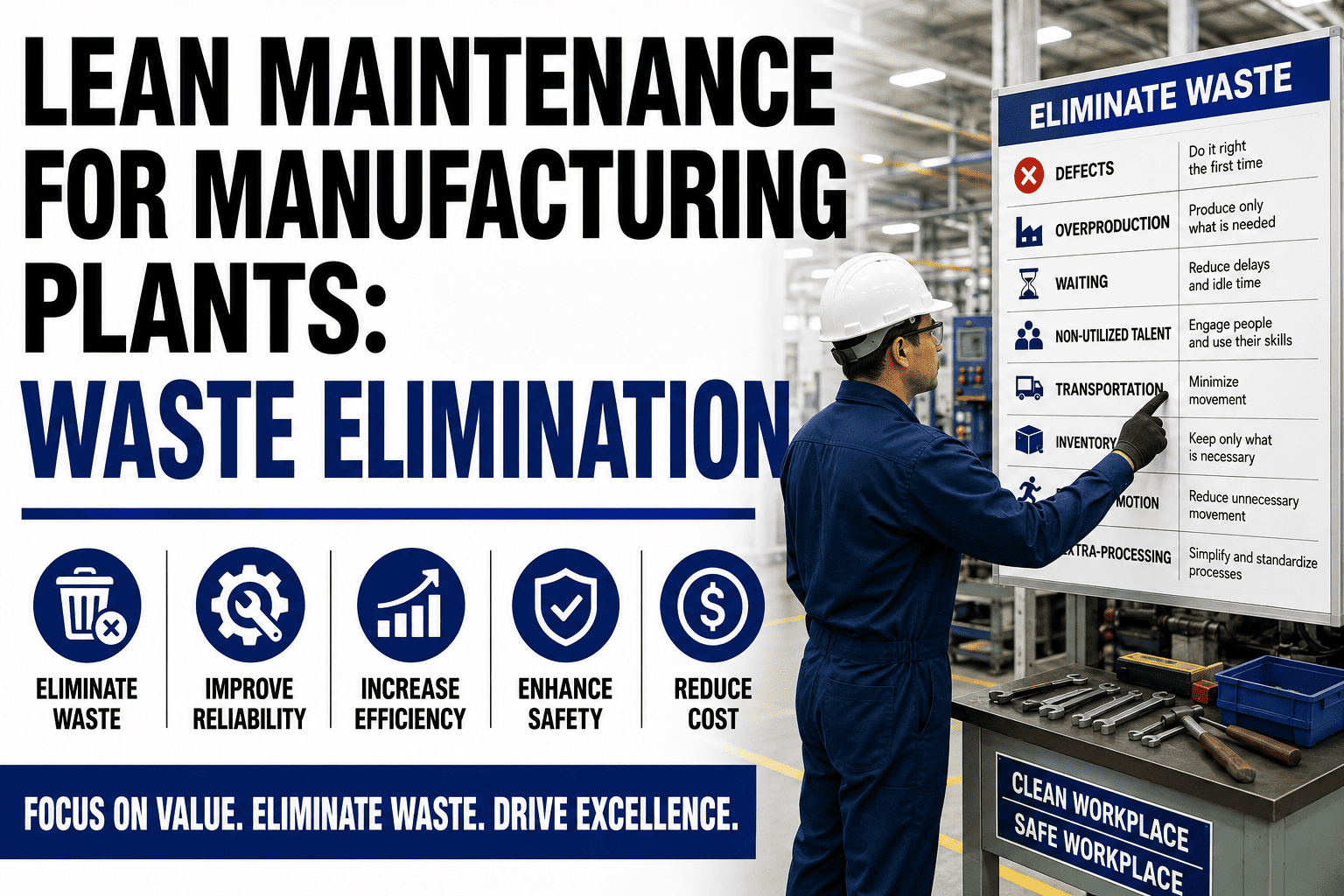
The DOWNTIME acronym—Defects, Overproduction, Waiting, Non-utilized Talent, Transportation, Inventory, Motion, Extra-processing—gives lean practitioners a framework for categorizing waste. AI doesn't replace this framework; it makes each category actionable in real-time by continuously scanning operational data for patterns that signal specific waste types.

AI Waste Detection Across the DOWNTIME Framework
D
Defects
Computer vision systems inspect products during production—not after—catching micro-defects invisible to the human eye. Machine learning traces defect patterns back to root causes so the same issue never repeats.
O
Overproduction
AI demand forecasting replaces gut-feel production planning with data-driven predictions that analyze sales history, market signals, and seasonal trends—aligning output precisely to actual customer demand.
W
Waiting
Predictive maintenance algorithms detect early failure signatures in equipment vibration, temperature, and performance data—triggering repairs before breakdowns create idle time across the production line.
N
Non-utilized Talent
Automated data collection and AI-generated reports free skilled technicians from paperwork, redirecting their expertise toward high-value problem-solving, process innovation, and continuous improvement.
T
Transportation
Digital twin simulations model facility layouts and material flows virtually, identifying the shortest paths and eliminating unnecessary material movement before any physical changes are made.
I
Inventory
AI-optimized reorder points balance carrying costs against stockout risk in real-time. Usage-pattern analysis identifies obsolete parts hoarding and right-sizes spare parts inventory automatically.
M
Motion
Mobile CMMS platforms deliver work orders, equipment history, and troubleshooting guides directly to technicians' devices—eliminating trips back to the office and putting information at the point of work.
E
Extra-processing
AI process analysis identifies redundant quality checks, over-engineered steps, and manual data entry that adds cost without adding customer value—streamlining workflows to essential operations only.
Stop guessing where your plant loses money—start measuring it. Create a free Oxmaint account to digitize your maintenance workflows, track all eight DOWNTIME waste categories in real-time, and get AI-driven alerts the moment inefficiencies appear on your production floor.
Sign Up Free

Predictive Maintenance Meets Lean: Stopping Failures Before They Create Waste

Unplanned equipment breakdowns are lean manufacturing's worst enemy. Every hour of unexpected downtime triggers a cascade of waste—idle operators (Waiting), rush-ordered spare parts (Inventory), reworked batches (Defects), and overtime scheduling (Non-utilized Talent). Predictive maintenance, powered by AI, attacks this problem at the source by detecting failure patterns before they cause shutdowns.

How Predictive Maintenance Eliminates Lean Waste
Vibration & Thermal Analysis
AI monitors bearing vibration signatures and motor temperatures continuously, detecting degradation weeks before failure. Maintenance teams schedule repairs during planned downtime instead of reacting to breakdowns.
Automated Work Order Generation
When AI detects an anomaly, it automatically creates a prioritized work order in your CMMS with the right parts, procedures, and technician assignment—eliminating manual triage and response delays.
Spare Parts Optimization
Predictive models forecast which parts will be needed and when, right-sizing inventory levels. No more overstocking for unlikely failures or scrambling for parts during emergencies.
OEE Improvement Tracking
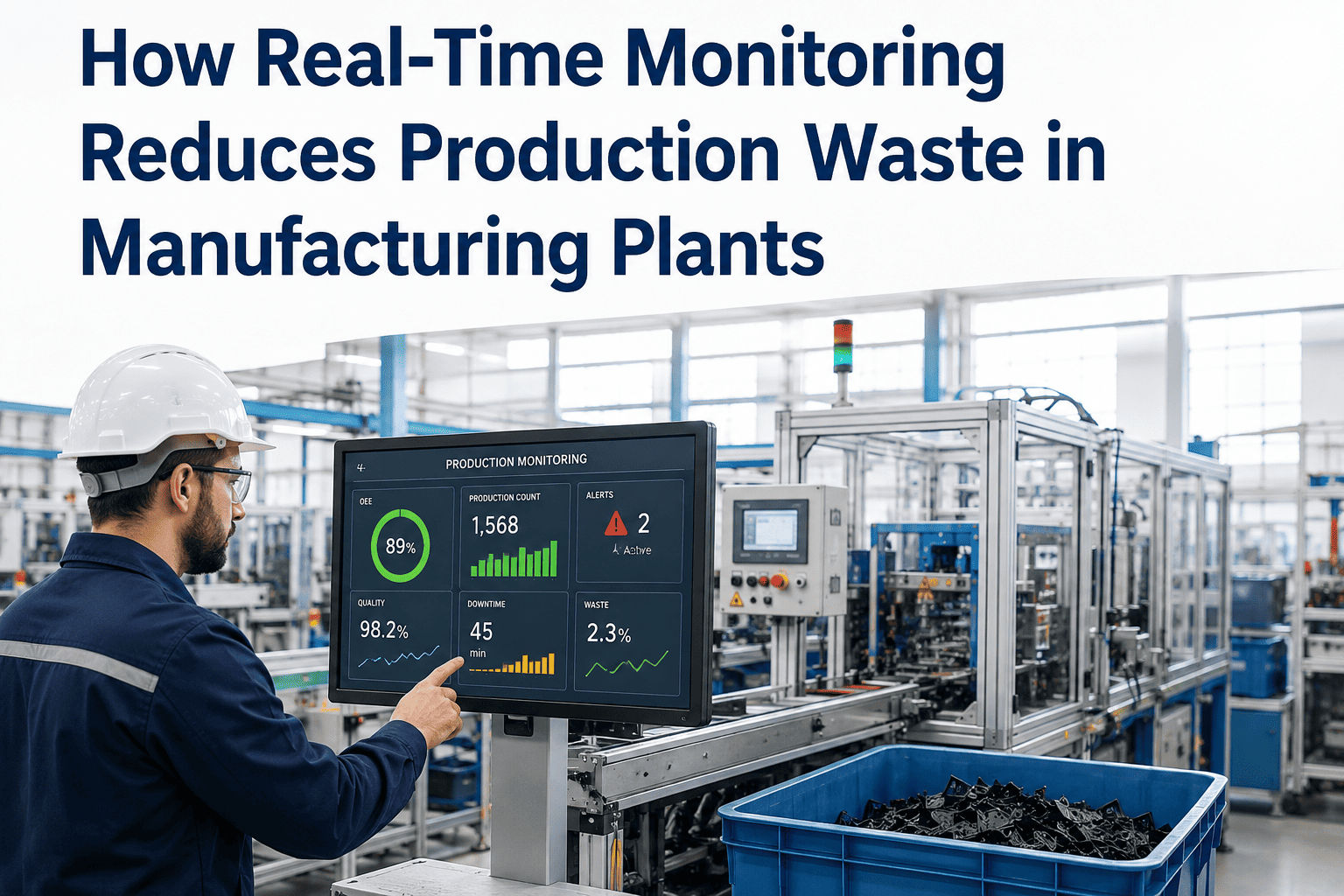
Overall Equipment Effectiveness metrics are calculated automatically from machine data—availability, performance, and quality—giving your lean team real-time visibility into where waste is occurring and whether improvements are holding.
Find out how many hours of unplanned downtime your plant can recover. Schedule a personalized demo where our team analyzes your equipment failure patterns and shows you exactly how Oxmaint's predictive maintenance tools prevent breakdowns before they disrupt your lean production flow.
Book a Demo

AI-Driven Value Stream Mapping for Smarter Production Flow

Traditional value stream mapping captures a snapshot—a paper-based view of how materials and information flow at a single point in time. AI transforms this into a living, continuously updated digital value stream that reveals bottlenecks, waste hotspots, and optimization opportunities as they happen.

Value Stream Analysis: Manual Approach vs. AI-Powered
Capability Manual Lean Tools AI-Enhanced Lean
Data Collection Periodic observation, stopwatch studies, manual logging on paper forms Continuous IoT sensor feeds, automated machine data capture at sub-second intervals
Bottleneck Detection Identified during scheduled Gemba walks and team review meetings Real-time alerts the moment throughput deviates from baseline parameters
Root Cause Analysis Fishbone diagrams and 5-Why sessions requiring team availability Automated multi-variate analysis correlating equipment, material, and operator data
Improvement Tracking Monthly reports compiled manually from production logs Live dashboards showing KPI trends with automatic anomaly flagging
Scope Limited to areas the team physically observes and documents Facility-wide coverage across every connected asset simultaneously

Supply Chain Waste Reduction Through Intelligent Forecasting

Overproduction—making more than customers need, sooner than they need it—has long been called the most damaging of all lean wastes because it triggers cascading problems: excess inventory consuming warehouse space and working capital, increased transportation to move surplus goods, and higher defect risk from aged materials. AI-powered demand forecasting attacks overproduction at its source by replacing guesswork with data-driven production scheduling.

01
Multi-Signal Demand Prediction
AI models analyze historical sales, seasonal trends, weather patterns, market conditions, and even social media signals to generate forecasts far more accurate than spreadsheet-based planning.
02
Dynamic Production Scheduling
When demand signals shift, AI automatically adjusts production sequences and quantities—enabling true pull-based manufacturing where output follows orders, not forecasts.
03
Vendor & Material Coordination
Procurement recommendations align raw material orders with updated production plans, reducing both shortage risk and excess inventory carrying costs across the supply chain.
Turn Lean Principles into Measurable Results with Oxmaint
Your lean framework already identifies waste—Oxmaint's AI-powered maintenance platform helps you eliminate it. Real-time asset tracking reduces Waiting. Automated preventive schedules prevent Defects. Mobile work orders eliminate Motion waste. Intelligent inventory management stops Overproduction. One platform, all eight waste categories addressed.

Building a Lean Culture with Digital Maintenance Tools

Technology alone doesn't create lean manufacturing—people do. But the right digital tools make lean culture sustainable by embedding waste awareness into daily workflows rather than relying on periodic training events and manual discipline. When every technician carries a mobile CMMS with real-time asset data, standard operating procedures, and AI-generated maintenance insights, lean thinking becomes the default mode of working rather than a special initiative.

Digital Tools That Reinforce Lean Habits Daily
5S Compliance Tracking
Digital checklists for Sort, Set in order, Shine, Standardize, and Sustain ensure 5S audits happen consistently. Photo documentation captures before-and-after conditions for every workspace.
Standardized Work Procedures
Maintenance SOPs accessible on mobile devices at the point of work eliminate guesswork. Version-controlled procedures ensure every technician follows current best practices.
Kaizen Event Management
Track improvement ideas from submission through implementation with measurable outcomes. AI identifies recurring issues that should trigger Kaizen events automatically.
Visual Management Dashboards
Shop-floor displays showing live OEE, work order status, and maintenance KPIs make waste visible to everyone. Real-time data replaces static whiteboards with actionable intelligence.

Key Metrics: Tracking Lean Manufacturing Performance with AI

You cannot improve what you cannot measure. AI transforms lean KPI tracking from monthly spreadsheet reviews into continuous, automated intelligence that flags deviations the moment they occur.

AI-Monitored Lean Manufacturing KPIs
KPI What It Measures AI Enhancement
OEE (Overall Equipment Effectiveness) Availability x Performance x Quality—the single best measure of manufacturing productivity Calculated automatically from machine data with breakdown analysis by shift, line, and operator
First Pass Yield Percentage of products manufactured correctly the first time without rework AI correlates yield drops with specific process parameters to identify root causes in real-time
MTBF / MTTR Mean Time Between Failures and Mean Time To Repair for equipment reliability Predictive models extend MTBF through condition monitoring; optimized workflows shorten MTTR
Inventory Turns How frequently inventory is used and replaced within a period AI-driven demand planning increases turns by aligning stock levels precisely with consumption
Cycle Time Total time from production start to finish for a single unit or batch Continuous monitoring detects micro-delays and bottlenecks invisible to periodic time studies
Scrap Rate Percentage of materials wasted during production Machine learning identifies scrap-generating conditions and adjusts parameters proactively
Replace spreadsheet KPI tracking with automated lean dashboards. Sign up for Oxmaint and get real-time OEE scores, MTBF trends, and scrap rate analysis delivered to your team automatically—so you spend time fixing problems instead of compiling reports.
Sign Up Free

Frequently Asked Questions

Can AI replace traditional lean manufacturing tools like Kanban and 5S?
AI doesn't replace foundational lean tools—it amplifies them. Your Kanban system, 5S discipline, and Kaizen culture remain essential. AI adds a digital intelligence layer that processes data faster, detects patterns humans miss, and predicts issues before they become waste. The most successful implementations use AI to make existing lean practices more precise, consistent, and scalable. Sign up for Oxmaint to see how digital tools strengthen your lean foundation.
What results can we expect in the first 90 days of AI-lean integration?
Most facilities see measurable improvements within the first month. Quick wins typically come from predictive maintenance (reduced unplanned downtime), automated anomaly detection (faster waste identification), and digitized work orders (less motion waste for technicians). The compounding effect accelerates as AI models learn your specific operational patterns over time. Book a demo and we'll help estimate the ROI for your facility's waste profile.
Do we need expensive IoT sensors on every machine to benefit from AI?
No. A phased approach works best. Start with your highest-impact assets—the machines whose downtime costs the most—and expand from there. Even without sensors, a CMMS platform captures valuable maintenance data from work orders, inspections, and manual readings that AI can analyze for waste patterns. The key is starting with available data and building toward more comprehensive monitoring.
How does Oxmaint specifically support lean waste reduction in maintenance operations?
Oxmaint addresses lean waste through real-time asset tracking (reducing Waiting waste from unexpected breakdowns), automated preventive maintenance scheduling (preventing Defect waste from equipment degradation), mobile work order management (eliminating Motion waste from paper-based processes), spare parts inventory tracking (reducing excess Inventory waste), and workflow automation that frees maintenance teams from manual data entry (addressing Non-utilized Talent waste). Sign up today to start reducing waste across your maintenance operations.
Is AI-powered lean manufacturing only for large enterprises?
Not at all. Small and mid-sized manufacturers often see the fastest returns because improvements have a more direct impact on their margins. Cloud-based CMMS platforms like Oxmaint make AI-powered maintenance accessible without large IT investments. You can start with a single production line or maintenance team and scale as results prove the value.

Share This Story, Choose Your Platform!