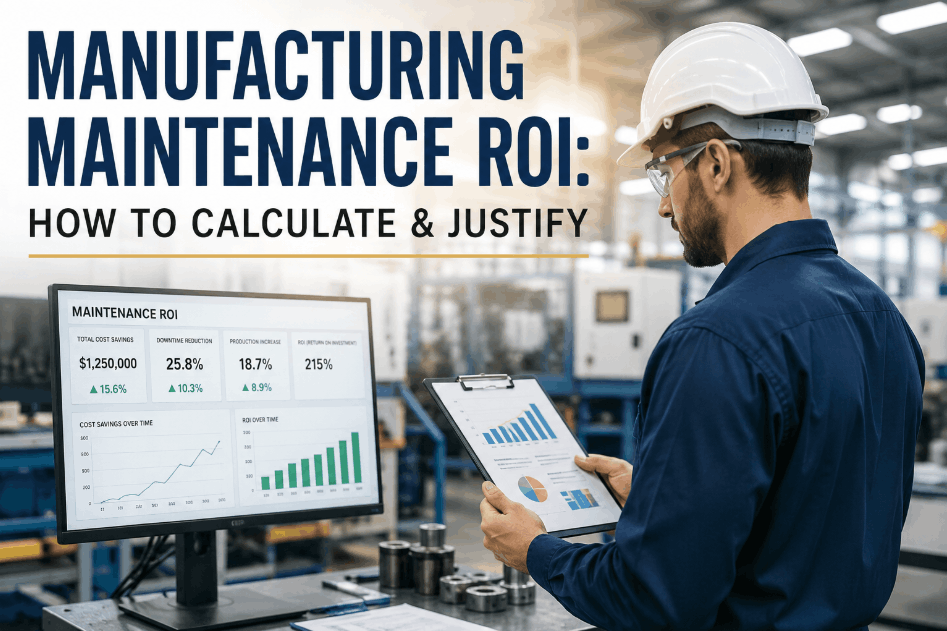
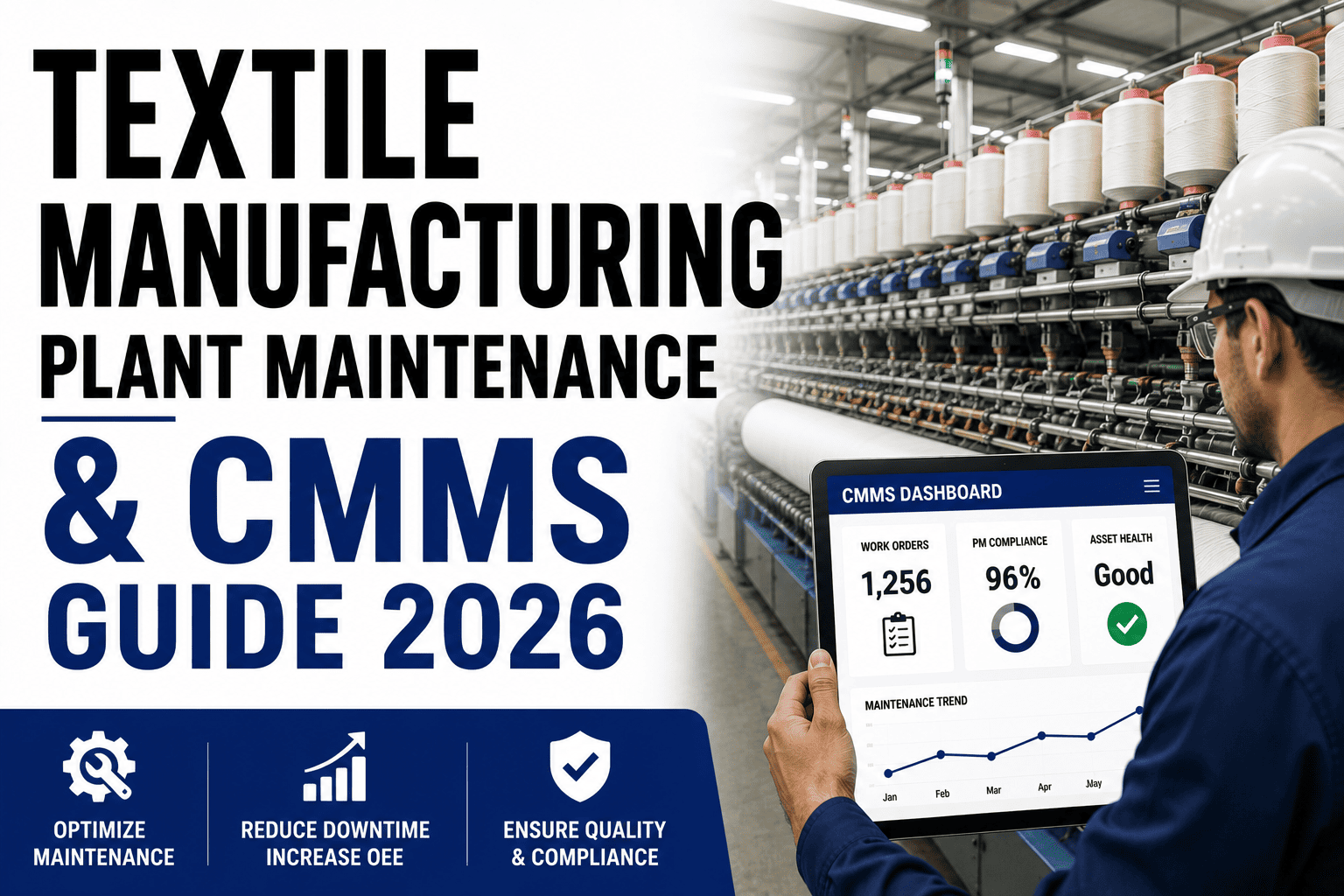
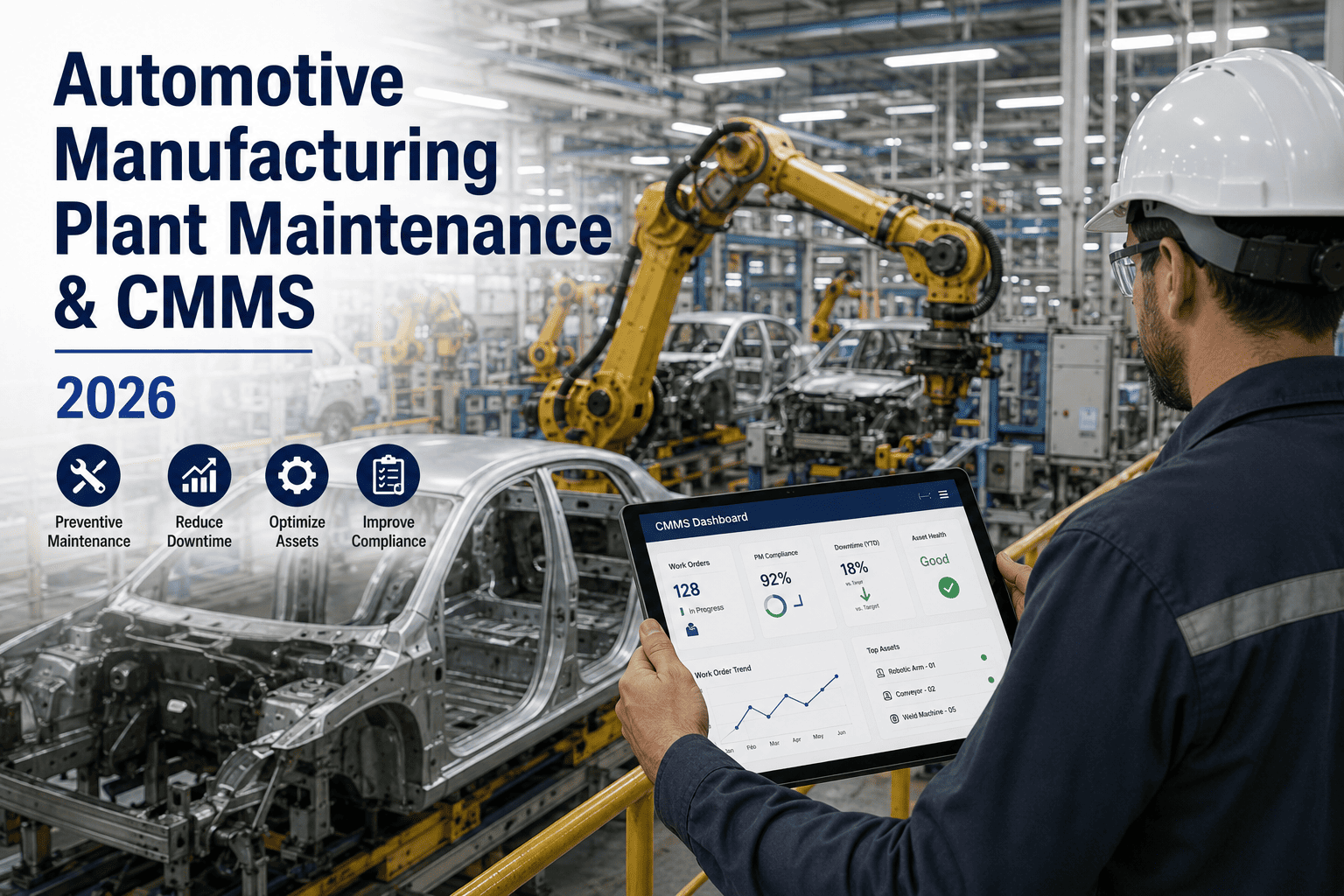
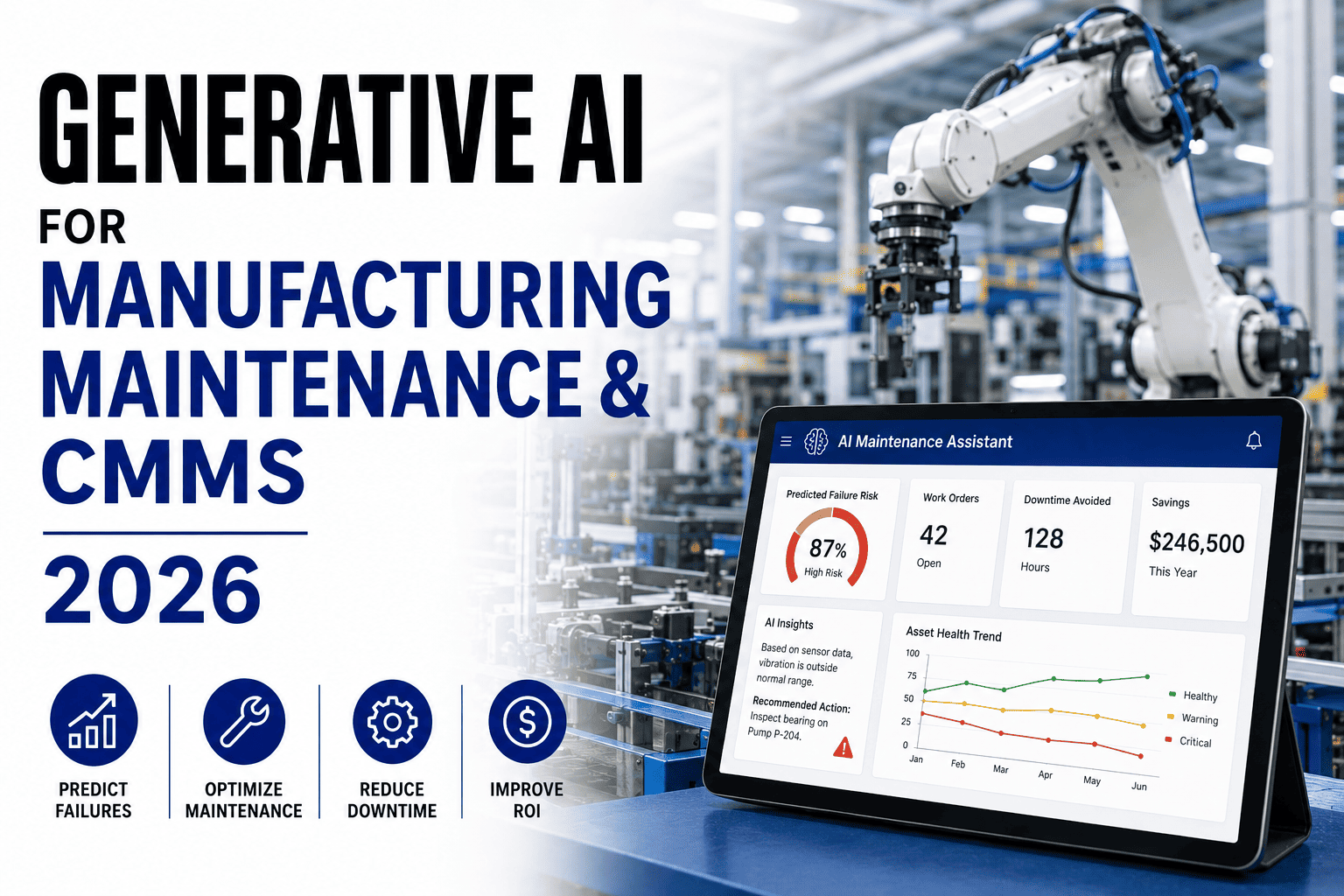
Justifying a maintenance investment to plant leadership means translating wrench time and parts spend into numbers finance actually cares about — downtime avoided, payback period, and labor efficiency gained. Sign Up Free on Oxmaint to start capturing the cost data that turns a maintenance ROI case from a guess into a defensible model.
MAINTENANCE ROI · CMMS PAYBACK · COST TRACKING
Prove Maintenance ROI With Real Cost Data
Oxmaint tracks labor, parts, downtime, and contractor costs per asset — the exact inputs finance needs to validate a maintenance investment.
What Belongs in a Maintenance ROI Model
A credible maintenance ROI case combines hard cost savings with the downtime and risk avoidance that rarely show up on a simple invoice. Book a Demo to see how Oxmaint's reporting maps directly to each of these categories.
Cost-Savings Model
Baseline current labor, parts, and contractor spend against projected savings from better scheduling and fewer breakdowns.
Downtime Avoidance Value
Convert avoided unplanned downtime hours into lost production value using your line's real throughput and margin figures.
CMMS Investment Payback
Calculate the point at which labor efficiency and downtime savings recover the cost of the CMMS platform itself.
Risk & Compliance Value
Include the value of reduced compliance risk and audit readiness, even where it's harder to assign a precise dollar figure.
Where Maintenance ROI Gets Created
Most maintenance ROI doesn't come from one dramatic save — it accumulates across several categories that compound over a full budget year. Sign Up Free to start tracking each of these categories automatically through connected work orders.
01
Downtime Avoidance
Predictive alerts that catch failures weeks in advance prevent the highest-cost category in most plants: unplanned production loss.
02
Labor Productivity Gains
Auto-assignment and mobile work orders cut the administrative time technicians spend finding, logging, and closing jobs.
03
Parts and Inventory Efficiency
Automated reorder alerts and predictive parts reservation reduce both stockouts and excess carrying costs.
04
Extended Asset Life
Condition-based maintenance delays premature capital replacement by catching wear before it becomes failure.
05
Contractor Spend Reduction
Better internal scheduling and diagnostics reduce reliance on emergency contractor call-outs at premium rates.
How to Calculate Maintenance ROI in 6 Steps
Step 1
Establish Baseline Costs
Pull 12 months of labor, parts, contractor, and downtime cost history to set the "before" reference point.
Step 2
Quantify the Cost of Downtime
Multiply average downtime hours by lost production value per hour to get a defensible downtime cost figure.
Step 3
Project Savings From the New Approach
Estimate the reduction in downtime, labor hours, and contractor spend expected from predictive and preventive improvements.
Step 4
Calculate Payback Period
Divide the platform's annual cost by projected annual savings to determine how many months until it pays for itself.
Step 5
Add Soft Benefits With Context
Note compliance risk reduction and audit readiness as supporting value, clearly separated from hard dollar savings.
Step 6
Present the Case With Real Numbers
Build the executive summary around baseline cost, projected savings, and payback period rather than platform features.
Results Teams Point to When Building the Case
These are the figures maintenance teams most often cite when presenting a CMMS or predictive maintenance ROI case to leadership.
62%
Reduction in unplanned downtime reported by teams using Oxmaint's predictive maintenance capabilities.
94%
AI prediction accuracy for equipment failures, supporting earlier intervention and lower repair cost.
1000+
Maintenance teams across industries currently relying on Oxmaint for cost tracking and reporting.
80/20
Target planned-to-corrective ratio that structurally lowers total maintenance cost when achieved.
BUILD THE BUSINESS CASE
Get the Cost Data Behind Your Maintenance ROI Case
Oxmaint automatically tracks labor, parts, contractor, and downtime costs per asset — the foundation of any credible ROI model.
Frequently Asked Questions: Manufacturing Maintenance ROI
How do you calculate maintenance ROI?
Compare baseline maintenance costs against projected savings from reduced downtime, labor efficiency, and lower contractor spend, then divide platform cost by annual savings for payback period.
What is the biggest driver of maintenance ROI?
Downtime avoidance is typically the largest single driver, since unplanned production loss usually costs far more than the maintenance activity itself.
How long does a CMMS take to pay for itself?
Payback period varies by plant size and current downtime levels, but is typically calculated by dividing annual platform cost by projected annual savings.
Should soft benefits be included in an ROI case?
Yes, but they should be presented separately from hard dollar savings so the financial case remains credible to finance stakeholders.
How does Oxmaint support ROI calculations?
Oxmaint captures labor, parts, contractor, and downtime costs automatically through digital work orders, giving finance and maintenance teams a shared, verified data source.
GET STARTED TODAY
Build a Maintenance ROI Case Backed by Real Data
See how Oxmaint's cost tracking and analytics give you the numbers needed to justify your next maintenance investment.