An inspector finds a defect. What happens in the next ten minutes decides everything whether it's one scrapped part or a thousand already boxed and on a truck. Too often the answer depends on who found it and how busy they were: a quiet fix here, a shrug there, and the same defect reaches the customer next month because nobody escalated it. A quality escalation standard takes that decision out of the moment and puts it on a ladder everyone follows. This guide lays out that ladder and the checklist behind it, and OXMAINT AI — the AI-powered maintenance management software — routes each step, captures the sign-offs, and keeps the trail.
Manufacturing · Quality Inspection · Escalation · Containment · CAPA · 2026
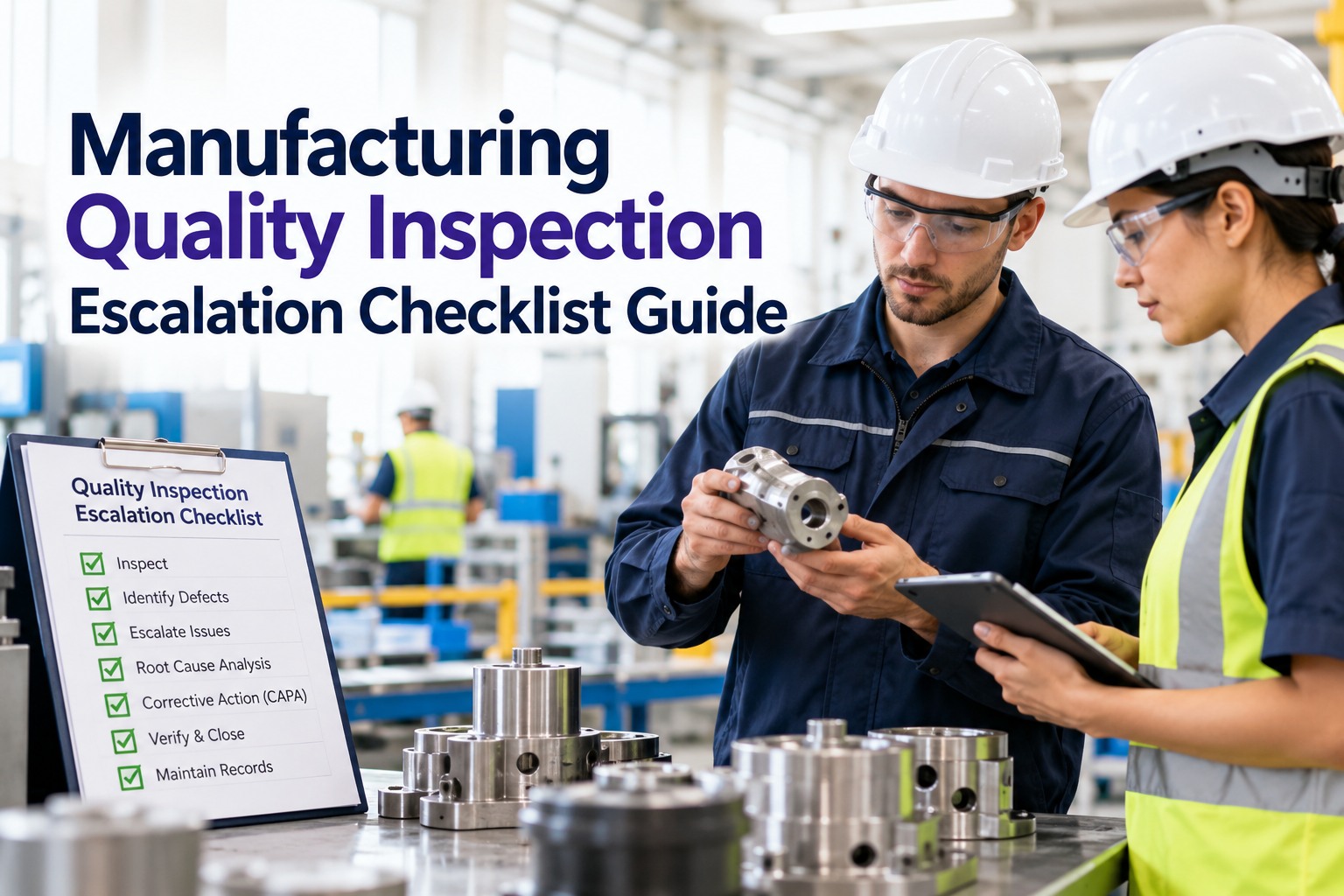
Manufacturing Quality Inspection Escalation Checklist Guide
A defect's severity should decide how far it escalates — not who happened to find it. The OXMAINT AI maintenance management software standardizes the escalation ladder, routes each defect by severity, and records the containment, root cause, corrective action and sign-offs from detection to closure.
T1Operator
→
T2Line lead / QC
→
T3Quality engineer
→
T4Review board / stop
Why Escalation Needs a Standard
Without a rule, a defect's fate rides on the person who finds it — and that's where quality escapes come from. These are the gaps a standard closes; book a demo to put escalation on a standard in OXMAINT AI.
Inconsistent handling
The same defect gets scrapped by one operator and waved through by another — outcome depends on who's on shift.
Slow containment
By the time the right person hears, suspect parts are already down the line or out the door.
No CAPA trigger
The part gets reworked and the cause is never chased — so the same defect is back next week.
No paper trail
An audit asks who dispositioned it and why — and the answer is a memory, not a record.
The Escalation Ladder
Severity sets the tier, the tier sets the owner, and the owner has a clock. Match the defect to the right rung and the response fits the risk; start free and build your escalation tiers in OXMAINT AI.
The Escalation Checklist, Step by Step
Every escalated defect runs the same sequence — detection to closure, each step with an owner and a sign-off. The OXMAINT AI maintenance management software routes and records each one; book a demo to run a defect through these steps in OXMAINT AI.
01
Detect & document
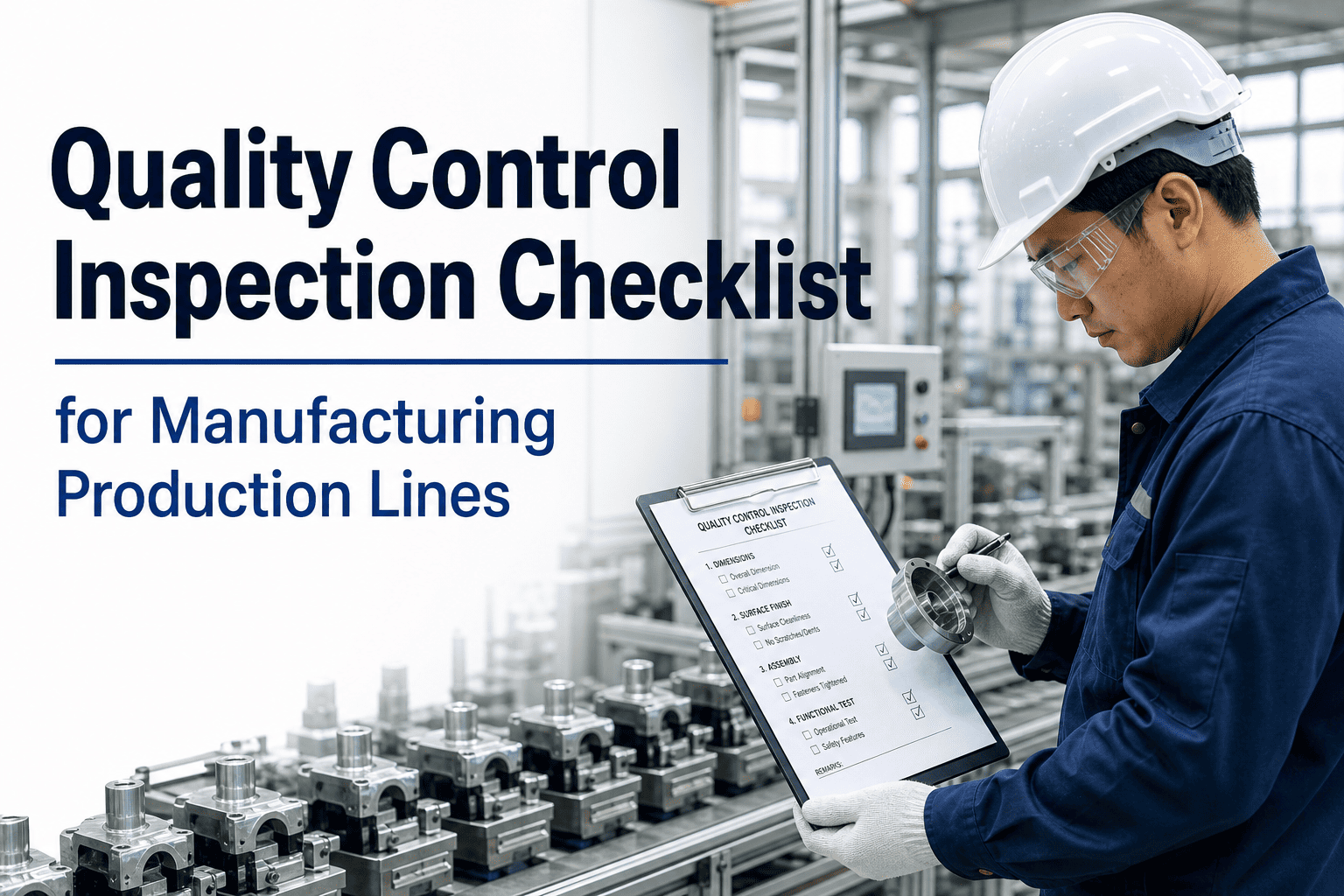
Capture the defect with part, lot, asset, reading and a photo — a record, not a note on a traveler.
02
Contain first
Quarantine or hold the suspect lot before anything else — stop the bleeding before you investigate.
03
Classify severity
Grade it minor, major, systemic or critical — the grade sets the tier and who gets notified.
04
Escalate to the tier
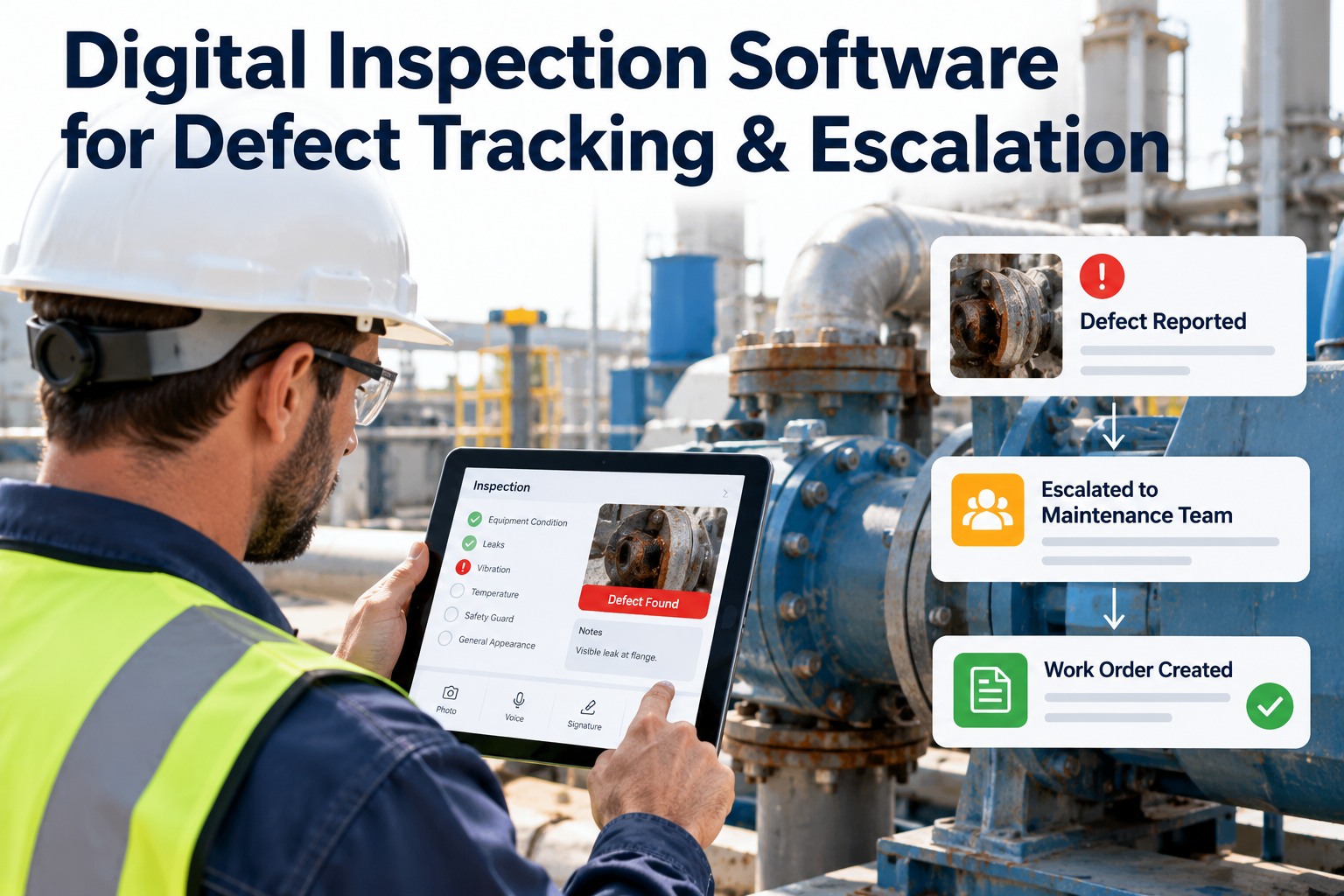
Route to the right owner automatically, with a clock — no defect waits on someone noticing an email.
05
Disposition the material
Decide rework, repair, use-as-is, return or scrap — recorded with the authority who approved it.
06
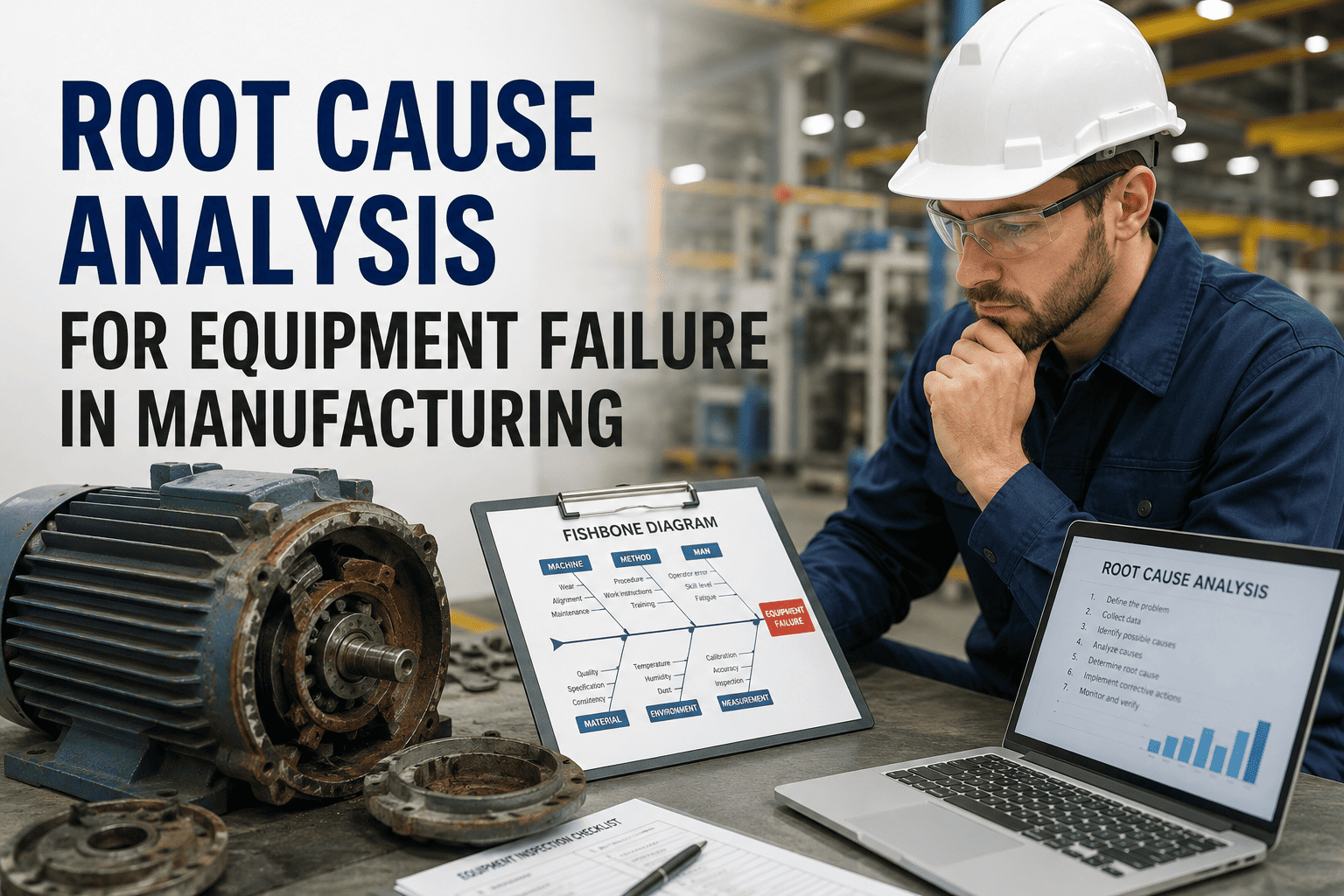
Root-cause the defect
Run the analysis — five whys, fishbone — to the true cause, not the first symptom that fits.
07
Corrective & preventive action
Open the CAPA that stops it recurring, with an owner and a due date — not just a fix for this lot.
08
Verify & close
Confirm the action worked and the defect is gone, sign it off, and close the record for the audit.
CONTAIN FIRST
Containment comes before investigation, every time. Quarantine the suspect lot, segregate what's downstream, and check what already shipped — then find the cause. A root cause found while bad parts keep moving is a root cause found too late.
A Defect Handled by Instinct Is a Defect Handled Differently Every Time.
Consistency is the whole point of escalation — the same defect should always reach the same tier and the same response. The OXMAINT AI maintenance management software routes every one by severity, holds the clock, and keeps the sign-offs, so quality isn't a matter of who was on shift.
Correction, Corrective, Preventive — Not the Same Thing
The three get used interchangeably and cost quality teams dearly. Fixing the part isn't fixing the cause, and fixing the cause isn't stopping it elsewhere. Do all three; start free and track each one in OXMAINT AI.
CORRECTION
Fix this part
The immediate remedy — rework or scrap the defective unit in front of you. Necessary, but it changes nothing about tomorrow.
CORRECTIVE ACTION
Fix the cause
Remove what produced the defect, so it stops recurring on this process. This is where root-cause analysis earns its keep.
PREVENTIVE ACTION
Stop it elsewhere
Apply the lesson to similar lines and parts before the same defect appears there — the step most teams skip.
Documentation, Sign-Offs & Traceability
An escalation you can't prove didn't happen, as far as an auditor is concerned. Every step needs an owner, a timestamp and a sign-off tied to the part and lot; book a demo to build the trail automatically in OXMAINT AI.
WHO
The person who found, dispositioned and approved each step — named, not assumed.
WHEN
A timestamp on every action, so the clock from detection to closure is provable.
WHAT
The defect, severity, disposition, root cause and action, kept as one linked record.
WHICH
Tied to the part, lot and asset, so traceability runs both ways when an audit asks.
How OXMAINT AI Runs Quality Escalation
A ladder and a checklist only hold when every step is routed and recorded on one platform. Here's what the OXMAINT AI maintenance management software brings to quality escalation; start free and build your escalation flow in OXMAINT AI.
Severity-based routing
Each defect graded and escalated to the right tier automatically, so the response always matches the risk.
Containment holds
Quarantine and hold a suspect lot the moment it's flagged, so bad parts stop moving before the investigation starts.
Escalation clocks
Each tier carries a timer, so a defect that stalls is raised to the next level instead of sitting unseen.
RCA & CAPA tracking
Root cause, corrective and preventive actions logged with owners and due dates, and chased until verified.
Sign-offs captured
Every disposition and approval signed by a named owner, so authority and accountability are on the record.
Full traceability
Defect, lot, asset and action linked as one record, so an audit is a search, not a scramble.
“
Our quality escapes almost always traced back to the same thing — a defect someone handled their own way instead of escalating it. Putting severity tiers and a containment-first rule in place, with the whole thing routed and timed, took the judgment call out of the moment. Now a critical defect reaches the review board the same way every time. Repeat defects and customer escapes are the numbers that fell the most.
Quality Manager · Automotive Components Manufacturer
Frequently Asked Questions
What is quality inspection escalation?
It's a standard that routes a defect to the right level of response based on its severity — minor issues handled at the station, critical ones escalated to a review board — so the reaction always fits the risk instead of depending on who found it.
Start free and standardize it.
Why contain before investigating a defect?
Because every minute spent investigating while bad parts keep moving is risk added. Quarantining the suspect lot and checking what's already shipped stops the problem spreading — then you can take the time to find the cause.
What's the difference between correction, corrective and preventive action?
Correction fixes the defective part; corrective action removes the cause so it stops recurring on that process; preventive action applies the lesson to similar lines before it happens there. All three matter, and teams most often skip the last.
Book a demo to track all three.
When should a defect trigger a CAPA?
When it's systemic or critical — a repeat pattern, a safety or compliance risk, or anything that could reach the customer. A one-off cosmetic flaw is logged and trended; a recurring or high-severity defect earns a full root-cause and corrective action.
How does a CMMS support quality escalation?
It routes each defect by severity, holds containment and escalation clocks, tracks the root-cause and CAPA to closure, captures every sign-off, and links it all to the part and lot — turning an escalation from a scramble into a standard flow you can prove.
Escalate by Severity, Not by Who's on Shift.
Standardize quality escalation with the OXMAINT AI maintenance management software — defects graded and routed by severity, containment held before investigation, root cause and CAPA tracked to closure, and every sign-off on the record. Stop letting a defect's outcome depend on who found it.