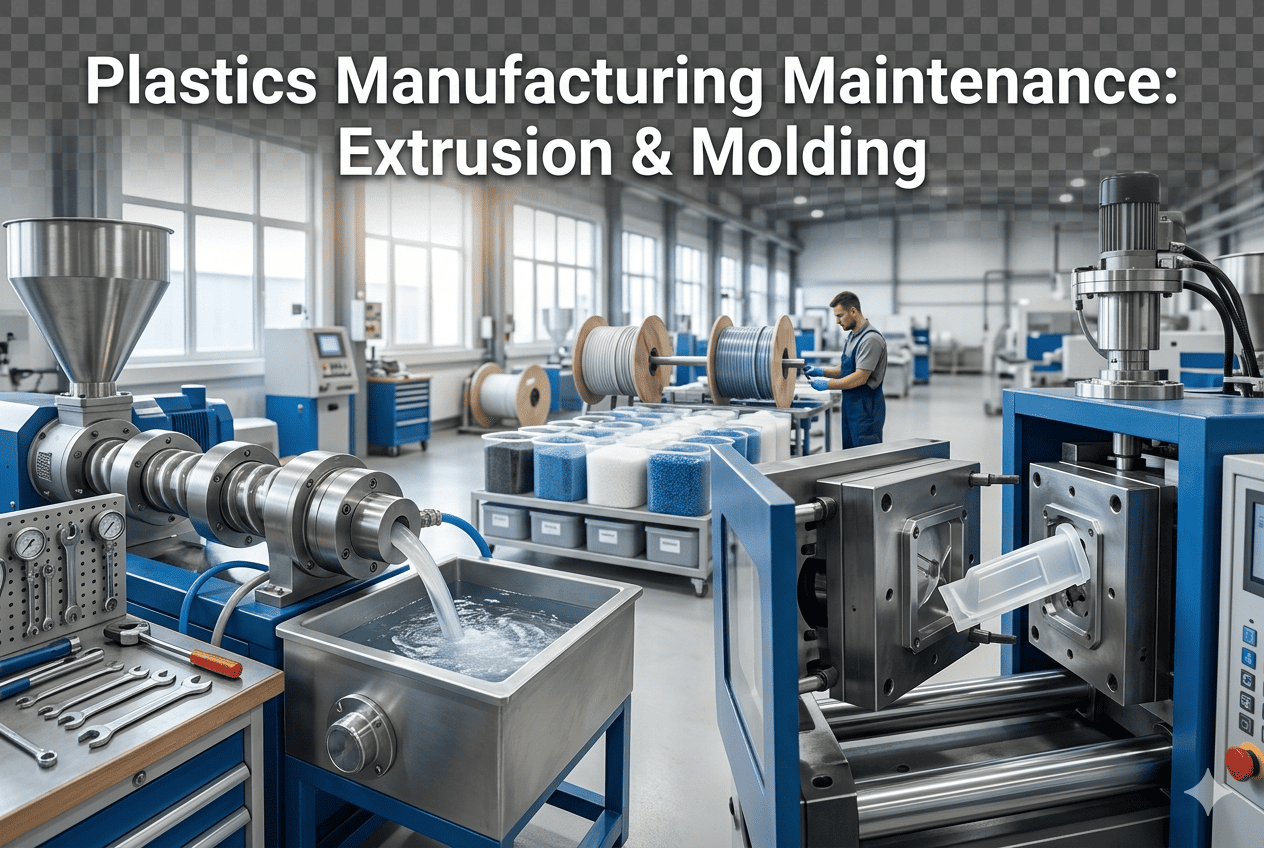
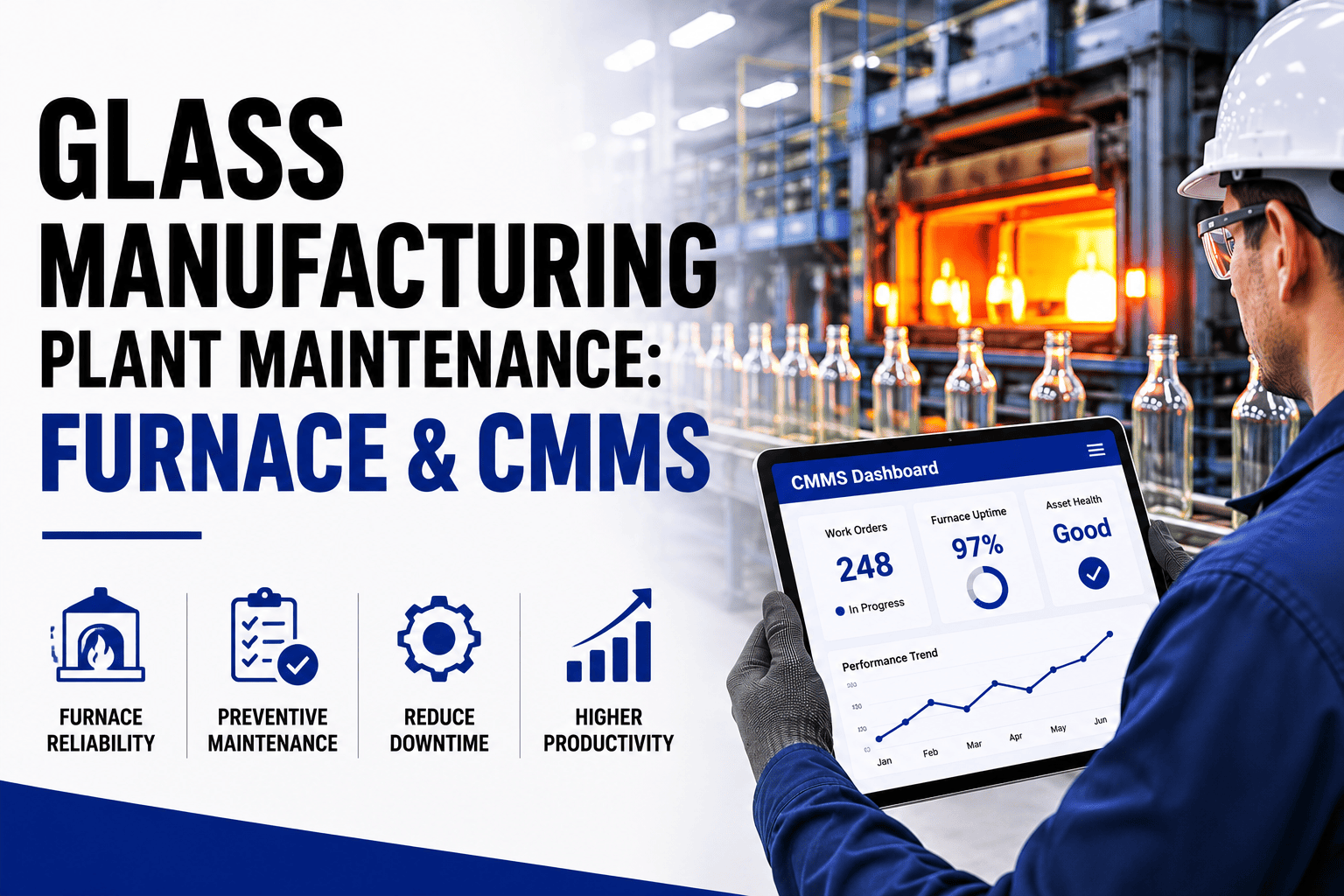
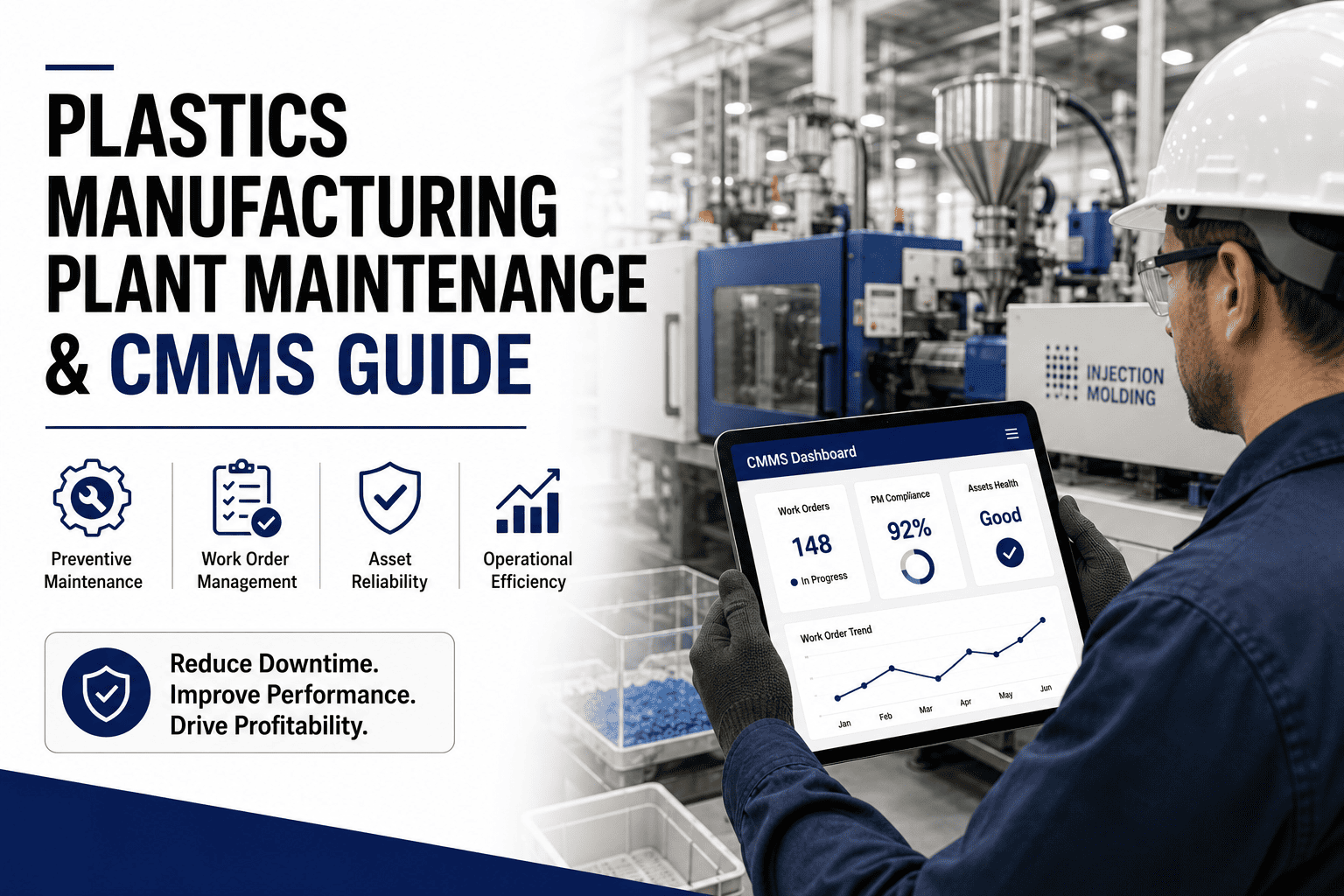
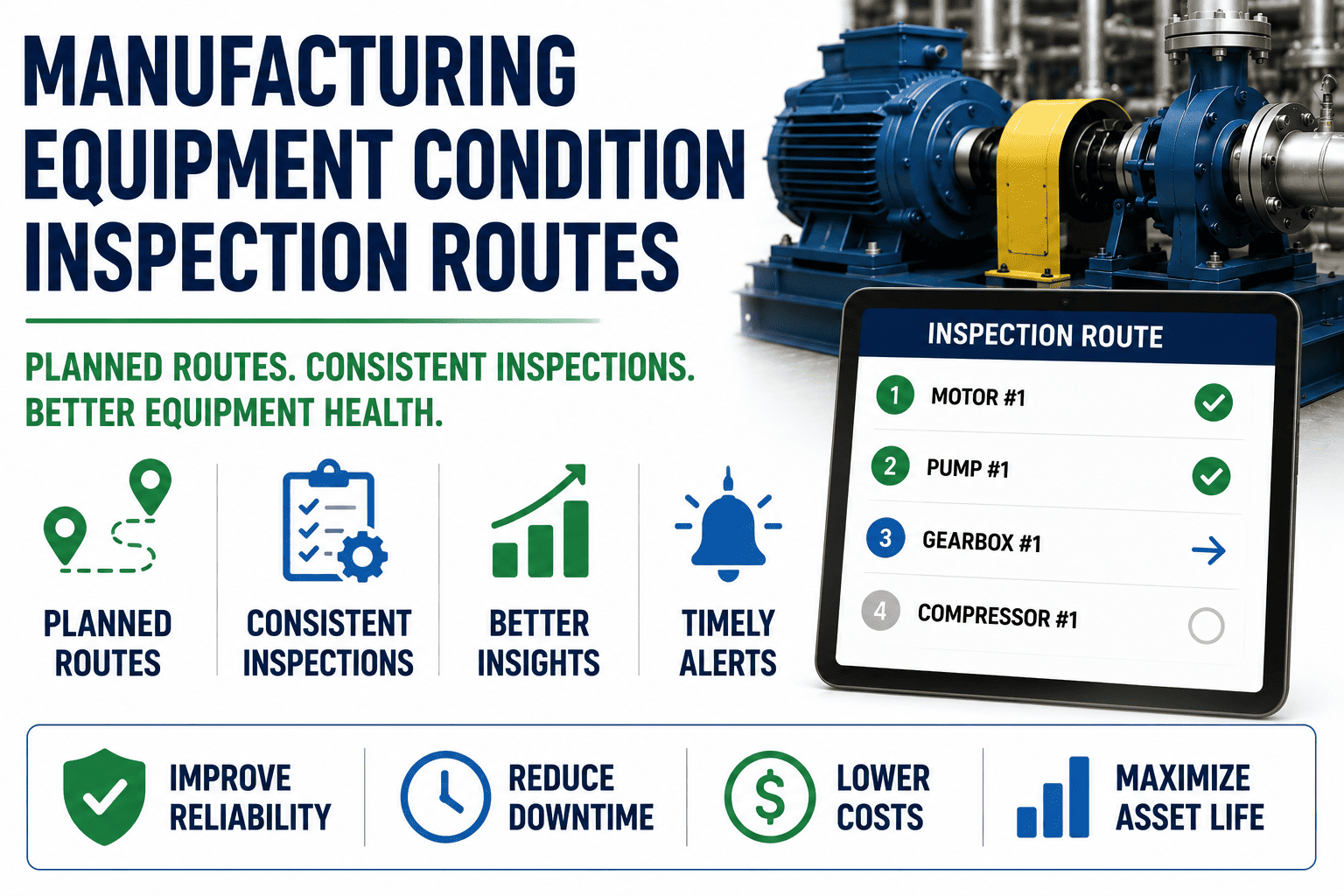
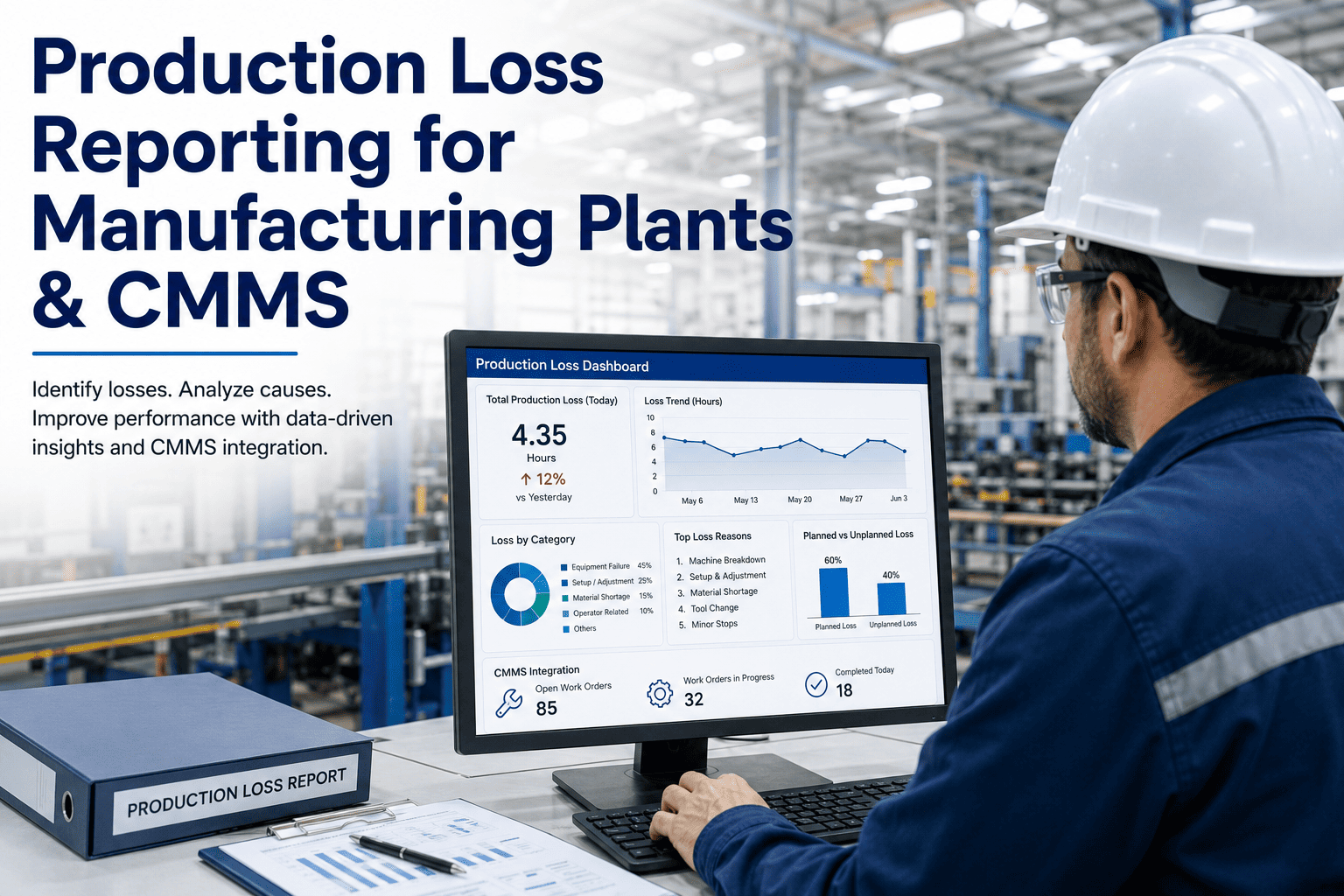
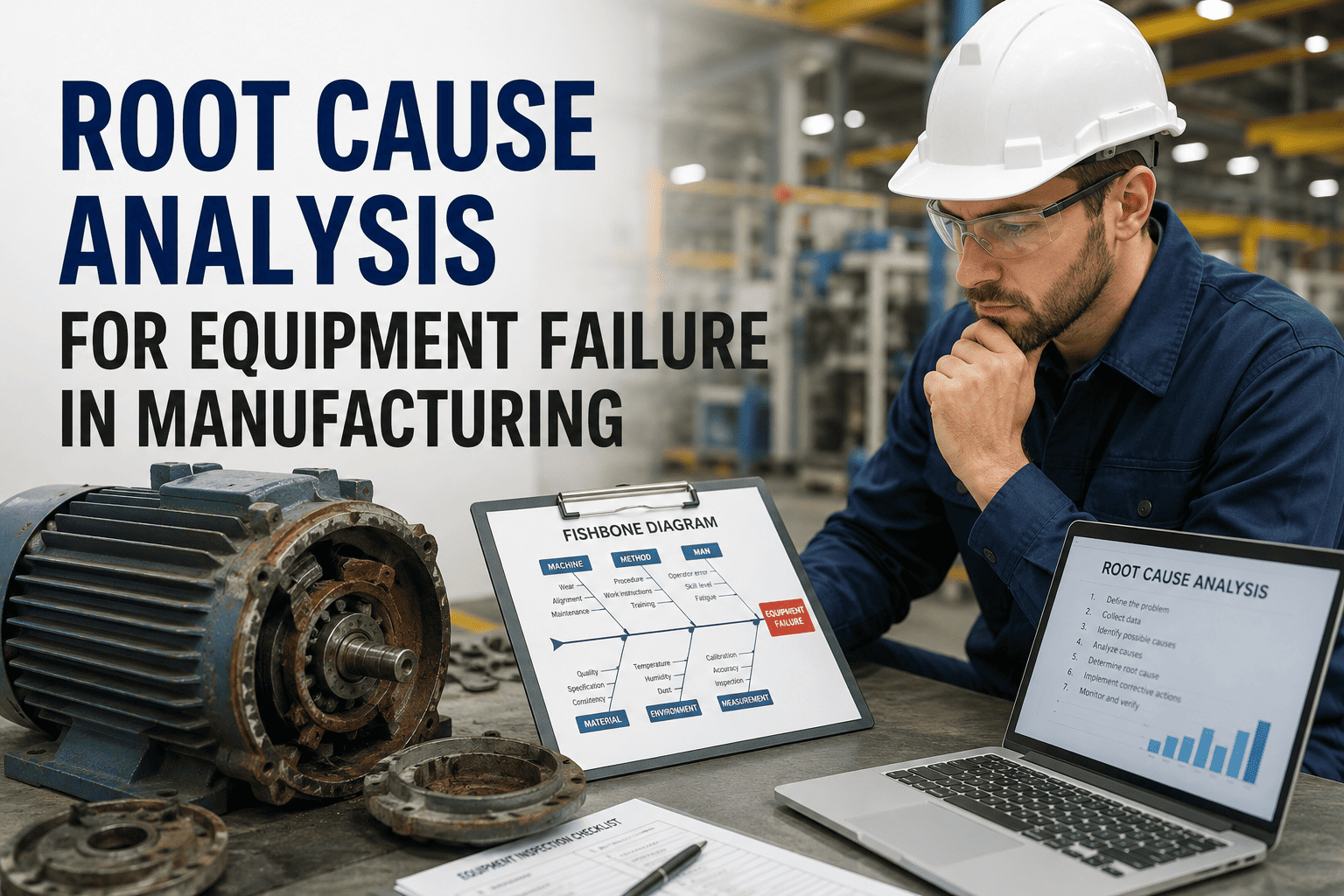
At 3:17 a.m. on a Thursday, a twin-screw extruder in a Midwest plastics plant seized mid-run — polymer carbonized inside the barrel, the motor tripped, and eleven hours of continuous PP profile production ended in a smoking halt. The root cause? A worn gearbox bearing that had been flagged on a paper inspection sheet four weeks earlier. The sheet was filed in a binder no one reviewed. Cleaning the barrel took 18 hours. Replacing the screw cost $42,000. The cancelled shipment cost another $86,000. The original bearing replacement would have cost $900 and 90 minutes of planned downtime. This is the real economics of plastics equipment maintenance — and the case for building it into a connected system you can sign up for free today.
The State of Plastics Manufacturing — 2026
A $23.57 Billion Machinery Industry Runs on Uptime. And Most of It Is Still Running Blind.
$23.57B
Global plastic processing machinery market in 2025
Projected to reach $38.07B by 2034 at 5.6% CAGR
40%
Share of market held by injection molding machines
The single most failure-sensitive plastics asset class
82%
Manufacturers that experienced unplanned downtime in the last 3 years
Aging equipment is the #1 cause at 50%
20%
Reduction in production capacity from poor maintenance strategy
Documented industry average across plastics plants
The Four Machine Classes That Define Plastics Maintenance
Plastics manufacturing is not one process — it's four distinct equipment categories, each with its own wear mechanisms, failure signatures, and maintenance cadences. A unified CMMS has to understand all four. Here's what breaks, how often, and what it costs when it does.
#01
Extruders
Single-screw, twin-screw, pipe, profile, sheet
Critical wear points
Screw & barrel wear
Gearbox bearings
Heater bands
Die plate flow lines
Feed throat alignment
Failure signature
Rising motor amp draw, melt pressure instability, barrel zone temperature drift, irregular die pressure readings. Most extruder failures are preceded by 2–4 weeks of detectable parameter drift before seizure.
Catastrophic failure cost$40K–$120K
#02
Injection Molding
Hydraulic, all-electric, hybrid presses
Critical wear points
Tie-bar alignment
Hydraulic seals & oil
Check ring & non-return valve
Mold cooling channels
Robot pick arm servos
Failure signature
Cushion variance (a cushion drift of 5%+ signals check-ring wear), sink marks and flash appearing mid-run, inconsistent part weight, clamp force degradation — all detectable before outright failure.
Catastrophic failure cost$50K–$200K
#03
Blow Molding
Extrusion blow, injection blow, stretch blow
Critical wear points
Parison head & die
Blow pin wear
Clamp unit linkages
Air compressor performance
Preform conditioning oven
Failure signature
Parison sag irregularity, wall thickness variance, trim waste spiking above baseline, blow pin contact marks on bottle necks. Uniloy-class machines can run 35–40 years with disciplined maintenance — or fail in 7 without it.
Catastrophic failure cost$30K–$90K
#04
Thermoforming
Vacuum, pressure, twin-sheet formers
Critical wear points
Infrared heater arrays
Forming mold condition
Vacuum pump integrity
Sheet indexing chains
Trim press tooling
Failure signature
Heater element burn-out creates cold spots visible as forming defects. Vacuum loss over 3% per cycle indicates pump or seal wear. Chain stretch causes indexing errors that ripple into every downstream part until corrected.
Catastrophic failure cost$20K–$70K
Maintenance Built for Plastics Equipment
Every machine type above has detectable warning signs before failure. A CMMS that captures them turns $120,000 seizures into $900 planned swaps.
Oxmaint consolidates extruders, presses, blow molders, and thermoformers into one asset hierarchy with machine-specific PM checklists, failure-mode libraries, and sensor-driven work order triggers.
The True Cost Structure of Plastics Downtime
Plastics maintenance leaders often underestimate downtime because they only count the obvious line — lost production hours. The reality is that every unplanned stop has five cost layers stacked underneath it. Here's the full breakdown, drawn from plant engineering surveys and industry reports — most plastics plants are visible on only layer one.
| Cost layer |
What it represents |
Typical contribution |
Usually tracked? |
| 1Lost production hours |
Revenue from parts not produced during the stoppage window, minus variable cost saved |
35–40% of total cost |
Yes |
| 2Emergency labor & OT |
Callout technicians, shift overlap pay, weekend premiums, external service contractors |
15–20% of total cost |
Partial |
| 3Scrap & startup waste |
Cold-start scrap, off-spec parts during stabilization, purging compound, resin in barrel |
10–15% of total cost |
Rarely |
| 4Expedite & penalty costs |
Airfreight parts, rush tooling, contract penalties, customer chargebacks for late delivery |
15–25% of total cost |
Rarely |
| 5Cascading damage |
Secondary component damage from the initial failure, re-learning setup, mold rework |
8–15% of total cost |
Rarely |
$50B
Annual cost of unplanned downtime to U.S. manufacturers
5–20%
Of productive capacity lost to downtime in a typical factory
24.5%
Share of a maintenance technician's day spent on truly productive work
$38K
Wasted labor per technician per year from unproductive tasks
The Maintenance Maturity Ladder for Plastics Plants
Every plastics plant sits at one of four maturity stages. Most hover around stages 1 and 2 — reacting to failure, with some paper-driven preventive work. Stages 3 and 4 are where real OEE gains live, and where Oxmaint is designed to take you. The numbers below reflect documented case study outcomes from comparable plastics manufacturers — Klein Plastics documented a 20% OEE increase after moving to connected CMMS workflows.
Equipment runs until it breaks. Work orders are phone calls. Parts are ordered after failure. Technicians spend most of their time firefighting and walking between aisles looking for instructions or parts.
57% of plants still run-to-fail
OEE typically 40–55%
60%+ reactive work orders
Stage 2
Scheduled Preventive
Paper or spreadsheet PM calendars exist but compliance varies. Tasks happen on time-based triggers regardless of actual equipment condition — leading to both missed failures and unnecessary servicing. 80% of plants favor this approach.
PM compliance often under 70%
OEE typically 55–65%
Work order cycle time opaque
Sensors on critical machines trigger work orders automatically when parameters drift out of range. Mobile work orders reach technicians instantly. Spare parts are reserved, not searched for. MTBF and MTTR are tracked and trending.
PM compliance 85–95%
OEE climbs to 70–80%
Reactive work orders cut 50%+
Stage 4
Predictive & AI-Driven
Historical failure data plus live sensor feeds drive ML-based failure prediction. Maintenance is scheduled on remaining useful life, not calendar. Operator-initiated autonomous maintenance shares the load with the maintenance team.
PM compliance 95%+
OEE reaches 80–90%
Reactive work orders under 20%
What Oxmaint Delivers for Plastics Manufacturing Teams
Oxmaint is a CMMS built for the equipment-intensive reality of plastics production — where one extruder seizure can erase a month of margin, and where every machine has its own maintenance language. Here's what shifts when your extruders, presses, blow molders, and thermoformers all live in the same system. Book a walkthrough to see it configured for your specific asset mix.
01
Asset Hierarchy for Every Machine Class
Organize extruders, injection presses, blow molders, and thermoformers in a parent-child asset structure — down to the screw, gearbox, mold, and sensor level. Every component gets its own maintenance history, spare parts list, and failure log that travels with it across moves and refits.
Searches for part numbers and manuals drop from minutes to seconds
02
PM Checklists by Equipment Type
Pre-built and customizable PM templates for extruder barrel checks, hydraulic oil sampling, mold cleaning, heater band continuity, vacuum pump integrity, and more — each with defined tools, torque specs, safety lockout steps, and evidence capture via mobile photo.
PM compliance rises from under 70% to 95%+ within the first quarter
03
Condition-Triggered Work Orders
Connect vibration, temperature, pressure, and motor amp draw sensors from your extruders and presses. When a parameter drifts past a defined threshold, Oxmaint auto-generates a prioritized work order and notifies the assigned technician — before the operator notices a part defect.
Reactive work orders drop by up to 90% on monitored assets
04
Spare Parts & Consumables Tracking
Track screws, barrels, check rings, heater bands, seals, and filters against their real consumption rate. Set automatic reorder points that fire when stock drops — so the $900 bearing is on the shelf the day the sensor says it's needed, not the day after the machine seizes.
Zero unplanned stockouts when thresholds are correctly set
05
OEE, MTBF & MTTR Dashboards
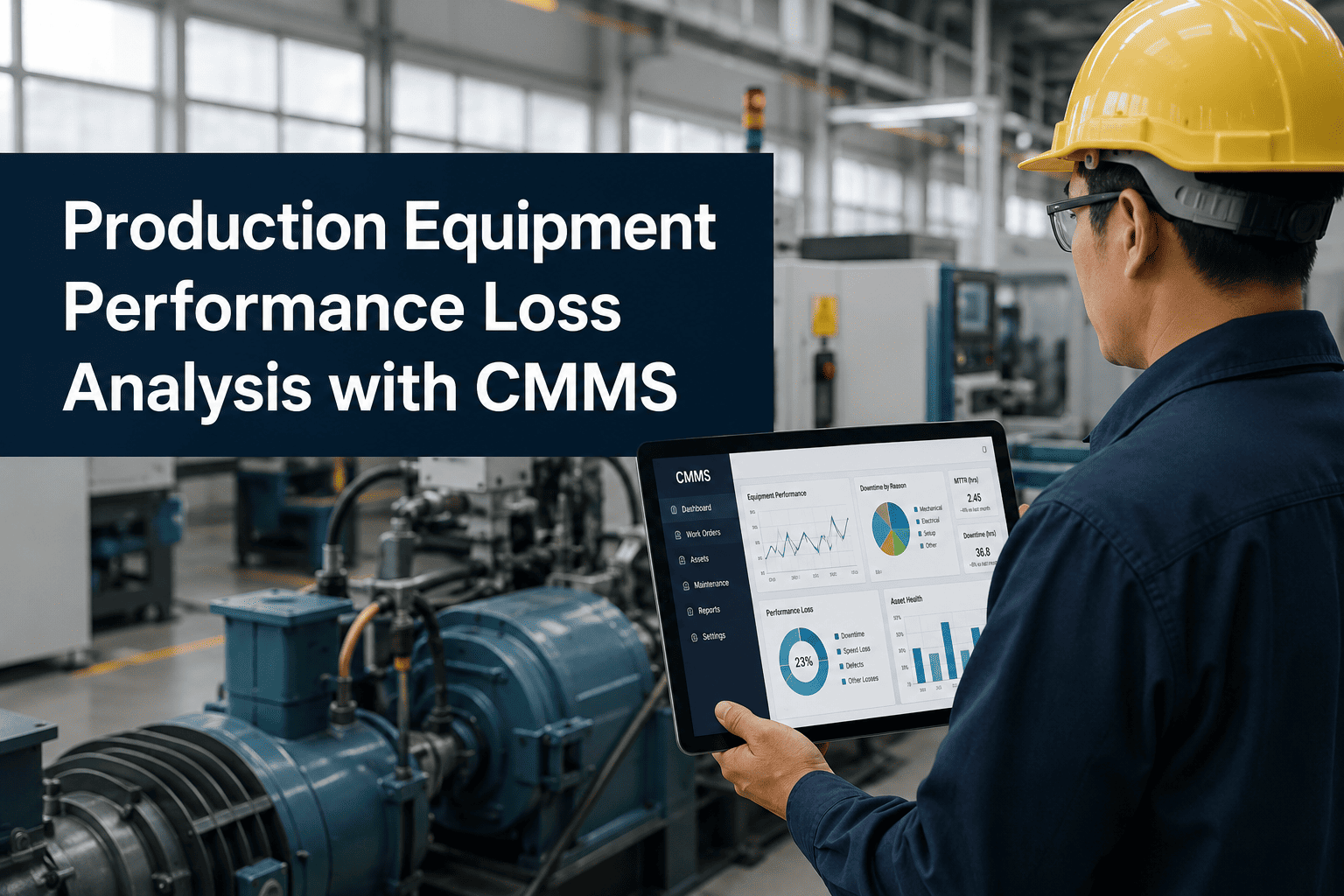
Availability, performance, and quality numbers calculated automatically from work order and production data. Filter by line, shift, product family, or individual asset. Identify the machines that are quietly consuming half your maintenance budget — then invest where it returns the most uptime.
Plastics plants consistently document 15–20% OEE improvements
06
Mobile Work Orders & Operator Requests
Operators submit maintenance requests from a phone or tablet the moment they see a defect pattern or hear an unusual noise — with photo and video attached. Technicians receive mobile push notifications, execute the work with digital checklists in hand, and close out on the floor.
Work order cycle time drops 40–60% versus paper-based workflow
Frequently Asked Questions
Honest answers to what plastics maintenance leaders ask before committing to a connected CMMS — drawn from conversations with plant managers running extrusion, injection molding, blow molding, and thermoforming lines.
Which maintenance strategy actually works best for plastics equipment?+
A blend is almost always the right answer. Time-based PM works for consumables like filters and heater bands. Condition-based monitoring is ideal for extruders and hydraulic injection presses where parameter drift is measurable. Reactive maintenance should only cover low-criticality assets.
Book a demo to map your asset mix to the right strategy.
How long does a plastics plant need to see ROI from CMMS implementation?+
Most plastics plants recover the annual cost of a CMMS from a single avoided extruder seizure or mold crash. Documented case studies show 15–20% OEE gains within the first two quarters, and reactive work order volume cut in half within six months. The payback curve is fastest for plants currently running paper or spreadsheet workflows.
Can Oxmaint handle the asset complexity of a multi-process plastics facility?+
Yes. Oxmaint supports parent-child asset hierarchies, so an injection molding press, its mold, its robot, and its auxiliary dryer can be modeled as one asset family with independent maintenance histories. This works equally well for extrusion lines with upstream dosing, downstream cooling, and trim equipment.
Sign up free to try it on your actual asset list.
Do we need IoT sensors installed to get value from the system?+
No. Most plants start with manual and scheduled PM workflows, digital operator requests, and spare parts tracking — which alone move OEE meaningfully. Sensor integration is a phase-two enhancement that deepens predictive capability. You capture 70% of the available value before connecting a single sensor.
How does Oxmaint handle mold maintenance specifically?+
Molds are tracked as assets with cycle counters, cleaning schedules, and condition history. PM tasks trigger at defined cycle intervals — not calendar dates — so a low-run mold doesn't get serviced as often as a high-run one. Mold-to-press assignment history is preserved for troubleshooting and warranty claims.
CMMS Built for Plastics Manufacturing
Stop Losing Margin to Equipment You Never Saw Failing.
Every extruder, press, blow molder, and thermoformer sends signals before it fails. Oxmaint captures those signals, routes work to the right technician, and turns the maintenance binder into a live system of record — so the $900 repair happens on your schedule, not the production floor's.
90%
Reactive WO reduction