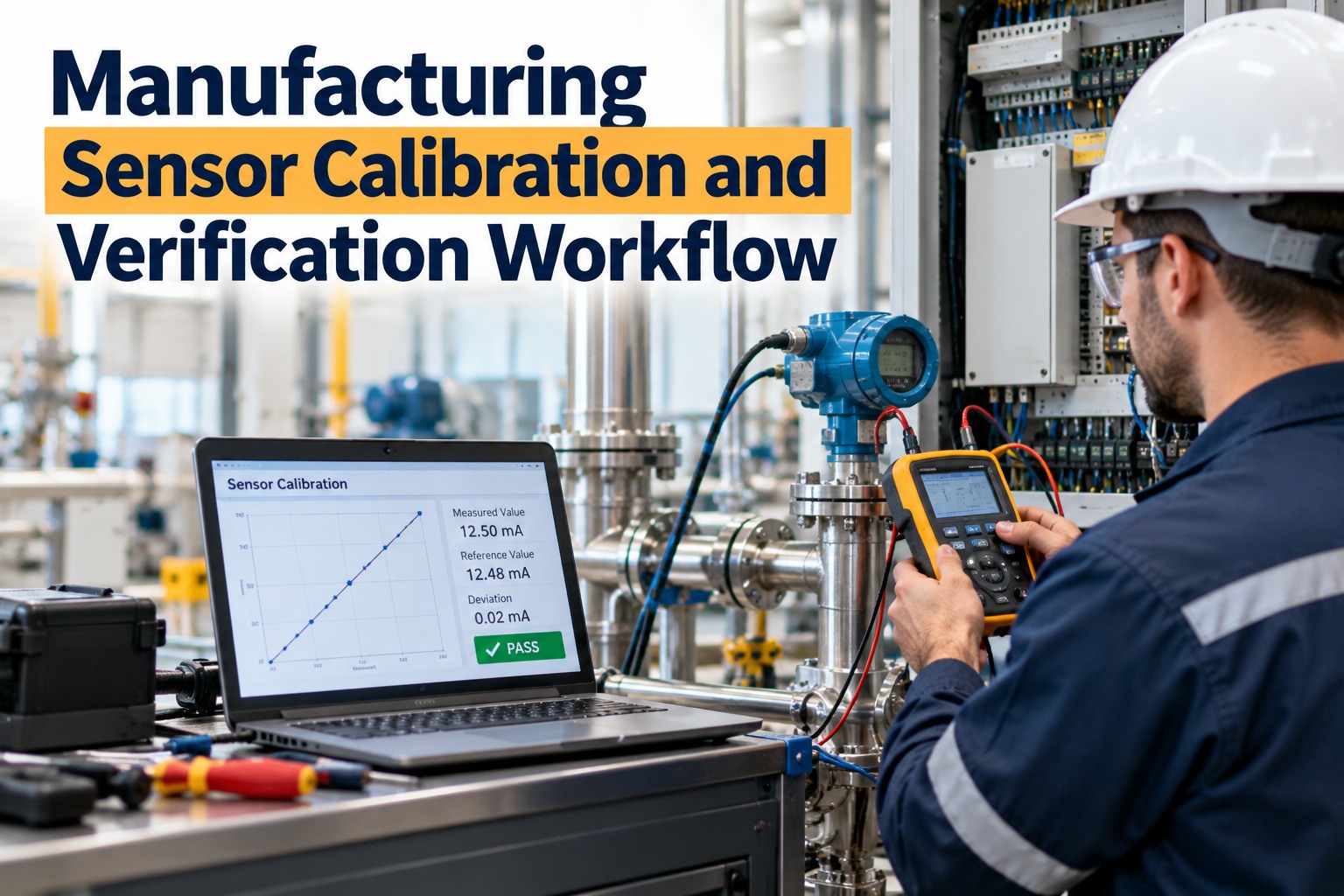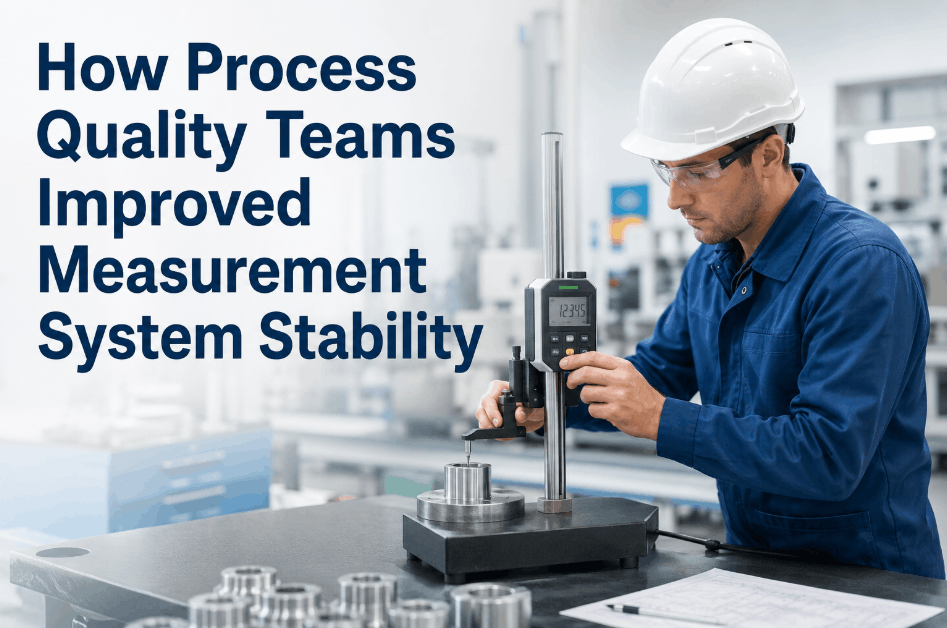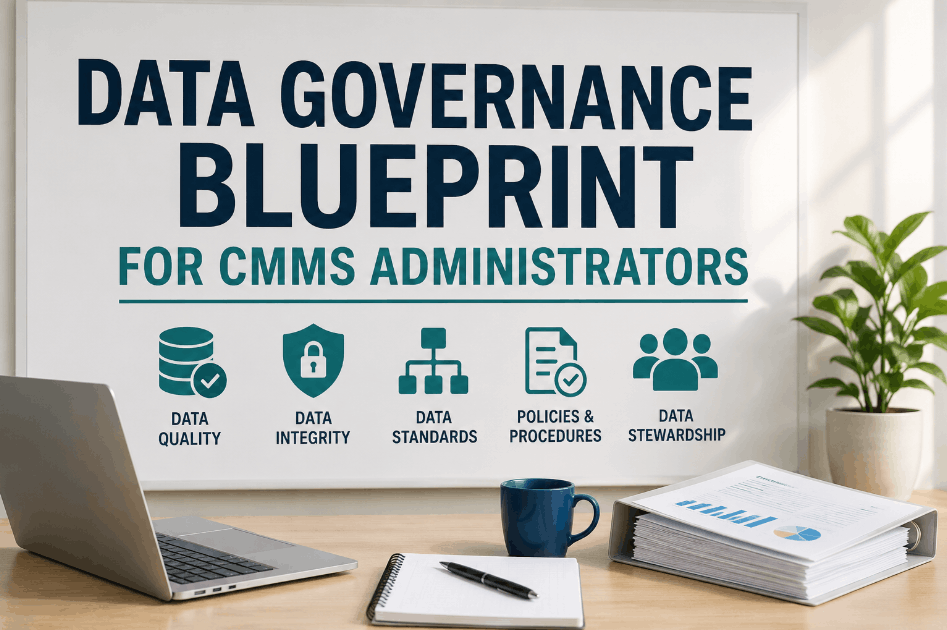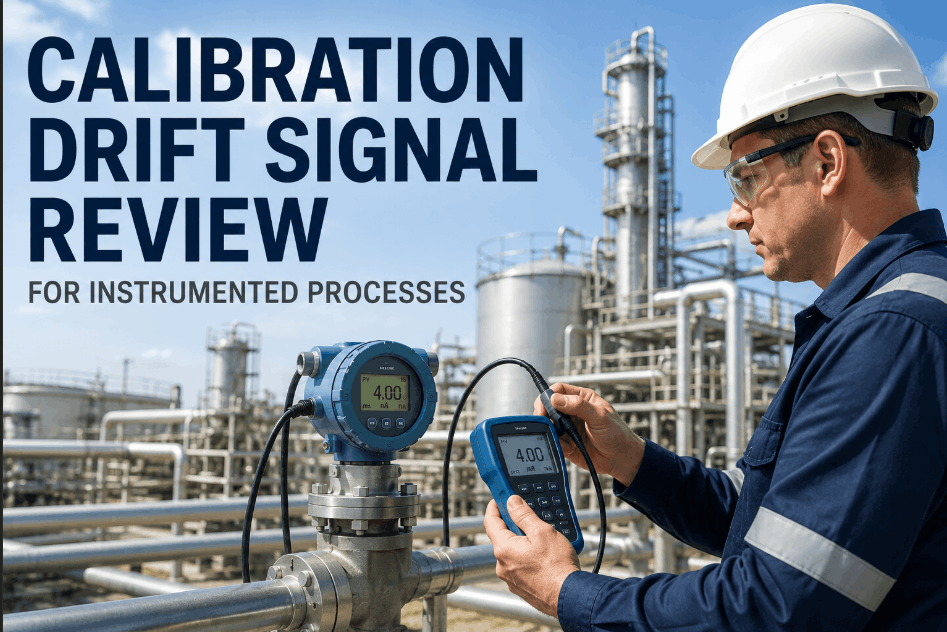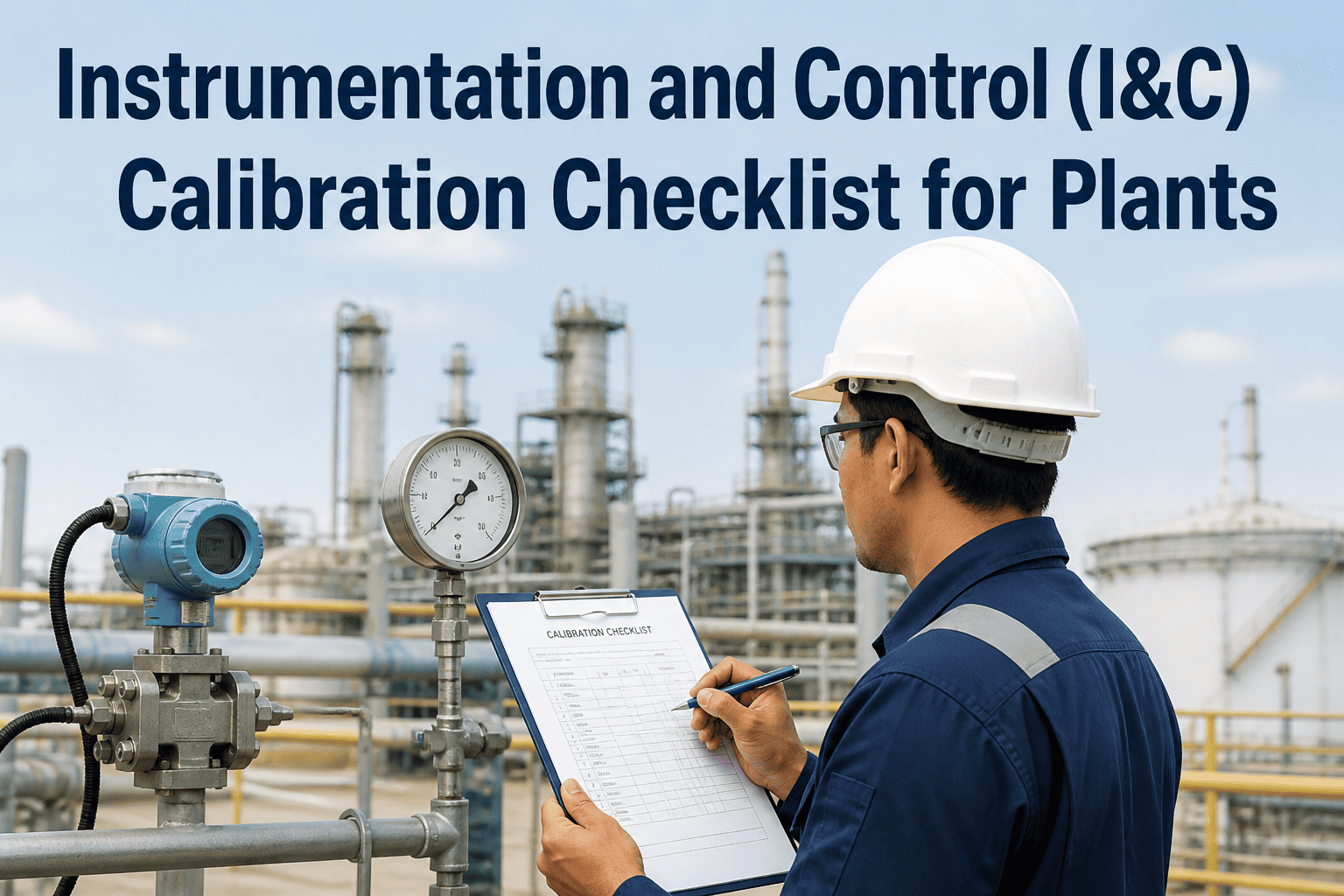
Sensor drift is a silent data quality problem in instrumented manufacturing lines. When sensors measuring temperature, pressure, flow, or position shift gradually from their calibrated reference, the process data they feed — control systems, quality records, and predictive maintenance models — becomes quietly unreliable without any visible alarm. Maintenance teams using Sign Up Free on OxMaint can structure calibration workflows, exception logs, and verification checks into a formal sensor drift governance program, ensuring that connected production lines keep producing credible measurement data. Without governance, drift accumulates across instrument populations until a quality event, regulatory audit, or process upset surfaces the problem — at a point where both the cost and the corrective scope are far larger than routine calibration management would have required.
Why Sensor Drift Governance Fails in High-Instrument-Count Environments
As instrument populations grow, manual calibration tracking breaks down. Calibration due dates get missed, exception findings go unlinked to follow-up work orders, and drift history accumulates in disconnected calibration certificates rather than in the instrument's asset record. Book a Demo to see how OxMaint centralizes calibration scheduling, exception logging, and drift history in a single instrument management platform.
Six Pillars of a Sensor Drift Governance Framework
Effective sensor drift governance is not just a calibration schedule. It is a structured system of calibration rules, exception management, verification checks, and drift trend analysis that keeps instrument accuracy aligned with the data quality demands of connected process lines. Sign Up Free to start building your instrument calibration governance program in OxMaint.
Calibration Rule Definition by Instrument Type and Criticality
Not all instruments require the same calibration frequency. Defining calibration rules by instrument type, measurement parameter, process criticality, and drift history ensures that high-consequence instruments receive appropriate attention without over-spending calibration resources on low-risk sensors.
Calibration Due Date Tracking and Compliance Monitoring
OxMaint tracks calibration due dates across the instrument population and generates compliance alerts before due dates are missed. Automated scheduling replaces manual tracking and ensures instruments are never left operating beyond their calibration interval without deliberate extension approval.
Exception Log Management and Drift Finding Resolution
When a calibration event produces an out-of-tolerance finding, that exception must be formally logged, linked to a corrective work order, and resolved before the instrument is returned to service. OxMaint's exception logging workflow prevents drift findings from being recorded in calibration certificates without confirmed follow-through.
Verification Check Scheduling Between Calibration Cycles
For high-criticality instruments, formal calibration intervals may not provide adequate assurance between cycles. Intermediate verification checks — confirming reading against a reference without full recalibration — provide an additional data quality checkpoint that OxMaint can schedule and track alongside the primary calibration program.
Drift History Trend Analysis by Instrument and Line
Instruments that show consistent drift in the same direction across successive calibration events are exhibiting a systematic issue — sensor aging, process contamination, or environmental influence — that frequency adjustment alone will not resolve. OxMaint's calibration history enables drift trend analysis that directs root cause investigation to the right instruments.
Calibration Interval Optimization Based on Drift Performance
Instruments with stable drift performance over successive calibration cycles are candidates for interval extension, freeing calibration resources for instruments showing active drift. OxMaint's drift history data provides the quantitative basis for interval optimization decisions that are defensible in quality audits and regulatory reviews.
Sensor Drift Governance Reference by Instrument Type and Application
Different instrument types carry distinct drift mechanisms, acceptable tolerance ranges, and governance priorities. Matching your calibration rules and verification check frequency to instrument type and process criticality ensures governance effort is proportionate to measurement risk. Book a Demo to explore how OxMaint structures calibration records and exception management by instrument class in a single maintenance management platform.
| Instrument Type | Common Drift Mechanism | Governance Priority | Risk If Unmanaged | OxMaint Lever |
|---|---|---|---|---|
| Temperature Sensors (RTDs, Thermocouples) | Wire aging, contamination, reference junction drift | High — process control and quality impact | Quality deviations, process setpoint error | Calibration scheduling + exception log workflow |
| Pressure Transmitters | Diaphragm fatigue, process fluid ingress | High — safety and control criticality | Control loop instability, alarm suppression failure | Drift history tracking + verification check scheduling |
| Flow Meters | Coating, erosion, Reynolds number sensitivity | Medium–High — process yield and billing impact | Yield measurement error, compliance exposure | Calibration compliance monitoring in OxMaint |
| Level Sensors and Transmitters | Reference leg contamination, density assumption drift | Medium — process stability and safety | Overfill risk, pump cavitation from false readings | Interval optimization based on drift performance data |
| Analytical Instruments (pH, Conductivity, DO) | Electrode aging, fouling, reference degradation | Very High — product quality and regulatory compliance | Product release on out-of-spec process data | Verification checks between calibration cycles in OxMaint |
How Ungoverned Sensor Drift Compounds Operational and Quality Risk
Sensor drift does not stay contained to the measurement channel it originates in. It propagates through control systems, quality records, and predictive maintenance models — amplifying the cost of eventual correction far beyond what structured calibration governance would have required. Book a Demo to see how OxMaint connects instrument calibration data with work order and asset management in a single platform.
Building a Sensor Drift Governance Program with OxMaint
Register the Instrument Population with Calibration Parameters and Criticality
Create asset records in OxMaint for every instrument in your governance scope, including instrument type, measurement range, tolerance specification, calibration interval, and process criticality classification. This registry is the foundation that makes all subsequent governance activities schedulable and traceable.
Configure Calibration Schedules and Compliance Alert Thresholds
Set calibration due date schedules in OxMaint by instrument criticality and defined interval. Configure compliance alerts that notify maintenance planners when calibration due dates are approaching and escalate when instruments pass their interval without a completed calibration record.
Implement Structured Calibration Records with Exception Logging
Use OxMaint's work order and inspection record tools to capture calibration as-found and as-left readings, technician ID, reference standard used, and exception findings in a structured format. Out-of-tolerance findings automatically generate exception records linked to corrective work orders.
Schedule Verification Checks for High-Criticality Instruments
Configure intermediate verification check tasks in OxMaint for instruments where the calibration interval alone does not provide sufficient data quality assurance. Verification check records build the between-cycle traceability that supports both quality records and regulatory compliance.
Analyze Drift Trends and Optimize Calibration Intervals
Use OxMaint's reporting tools to compare as-found drift magnitude across calibration events for each instrument. Instruments showing stable performance support interval extension justification; instruments showing progressive drift flag for root cause investigation and interval tightening before a quality event occurs.
Frequently Asked Questions: Sensor Drift Governance for Instrumented Lines
What is sensor drift governance and why does it matter?
Sensor drift governance is the structured management of instrument calibration schedules, exception findings, verification checks, and drift history to ensure that sensors in connected production lines maintain measurement accuracy throughout their operating life — protecting process control, quality records, and data-driven maintenance programs.
What is the difference between sensor drift and sensor failure?
Sensor failure produces a detectable fault — an out-of-range signal, a broken connection, or an alarm. Sensor drift produces a subtly incorrect reading that appears valid to the process control system. Drift is far more operationally dangerous because it influences decisions and records without triggering alarms.
How does OxMaint support sensor drift governance programs?
OxMaint provides calibration scheduling, compliance alert management, structured calibration record capture, exception log workflows linked to corrective work orders, verification check scheduling, and drift history reporting — covering the full governance cycle in a single maintenance management platform.
What is a verification check and how does it differ from calibration?
A verification check confirms that a sensor reading falls within acceptable tolerance against a reference, without the full adjustment, documentation, and traceability of a formal calibration event. It provides an intermediate data quality checkpoint for high-criticality instruments between scheduled calibration cycles.
How should calibration intervals be set for instruments with different drift rates?
Calibration intervals should be based on measured drift performance from historical calibration records rather than generic manufacturer recommendations alone. OxMaint's drift history data enables interval optimization decisions that are evidence-based, audit-defensible, and proportionate to the data quality risk each instrument carries.