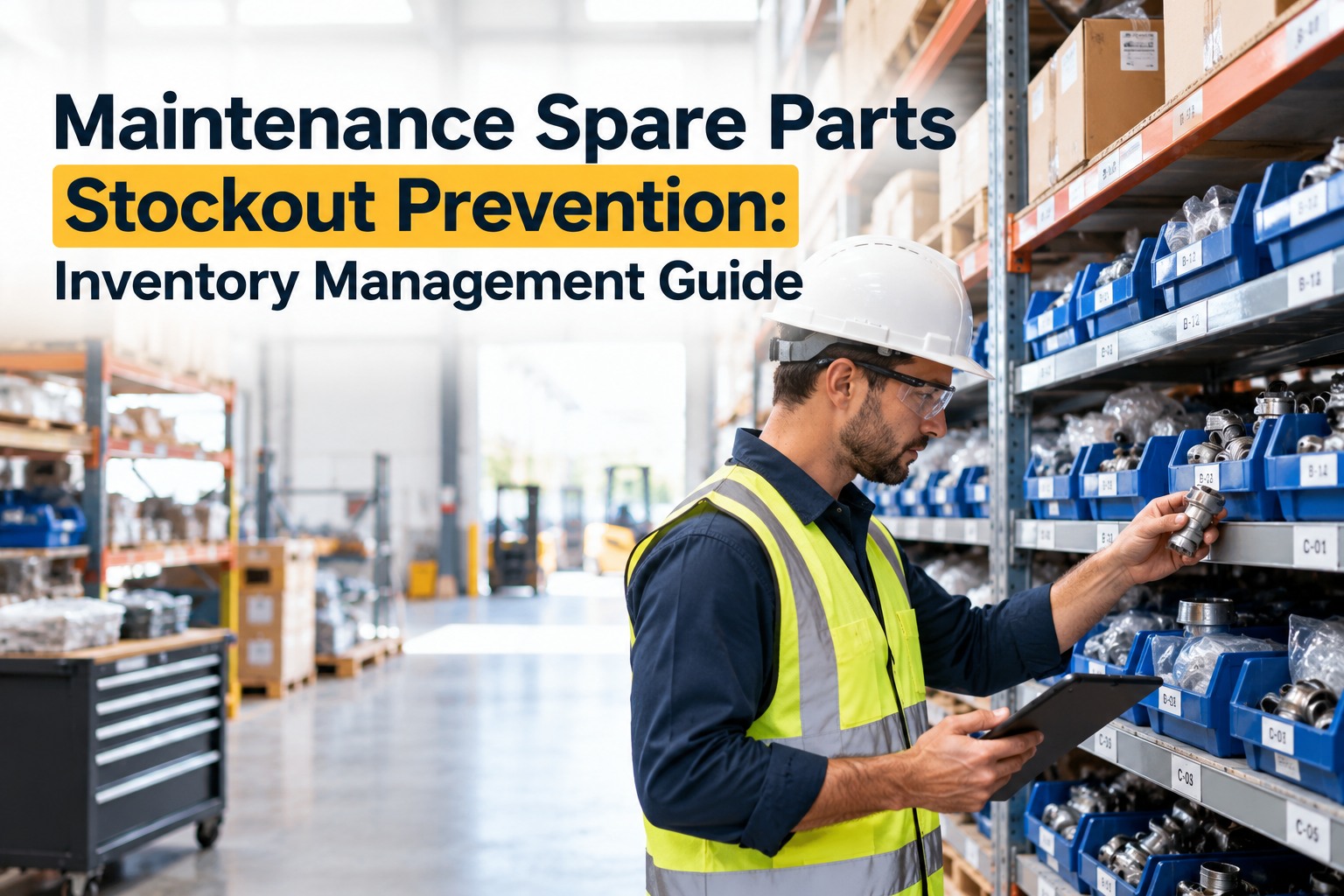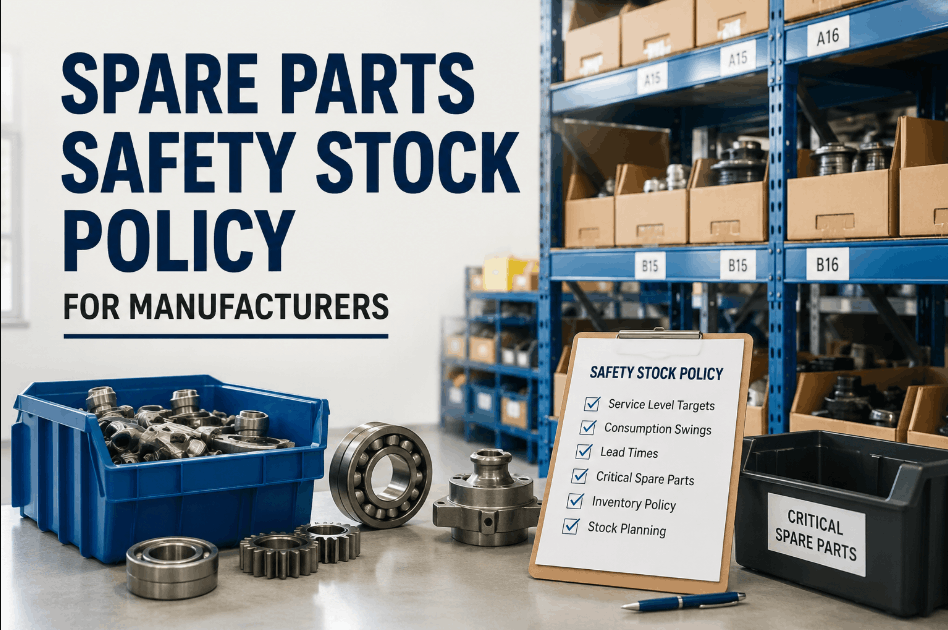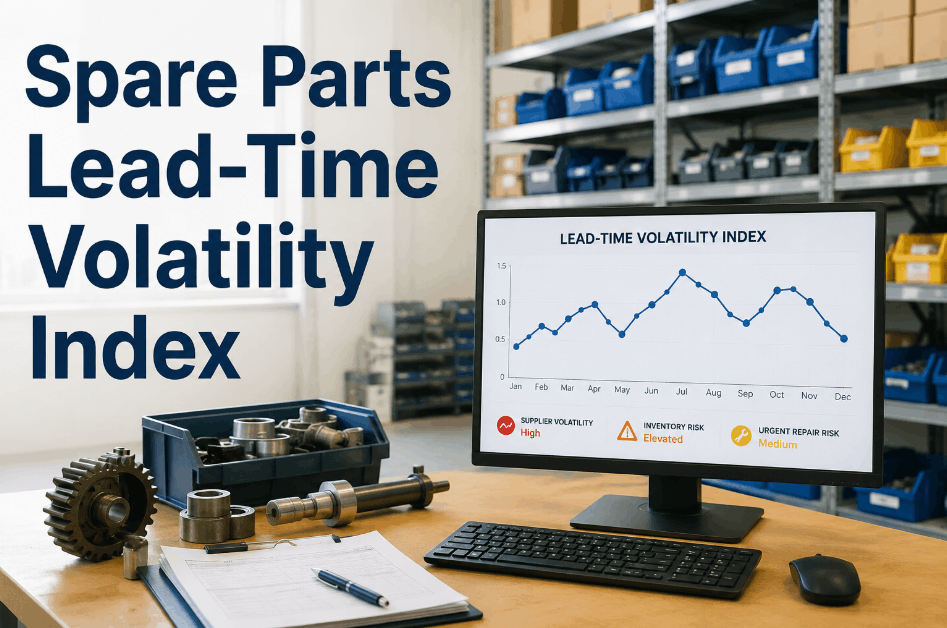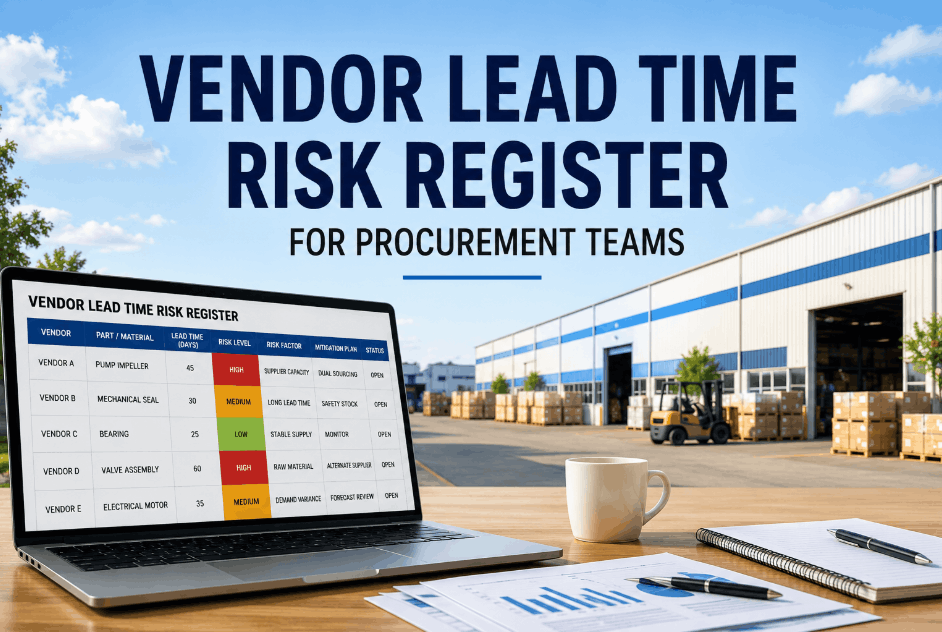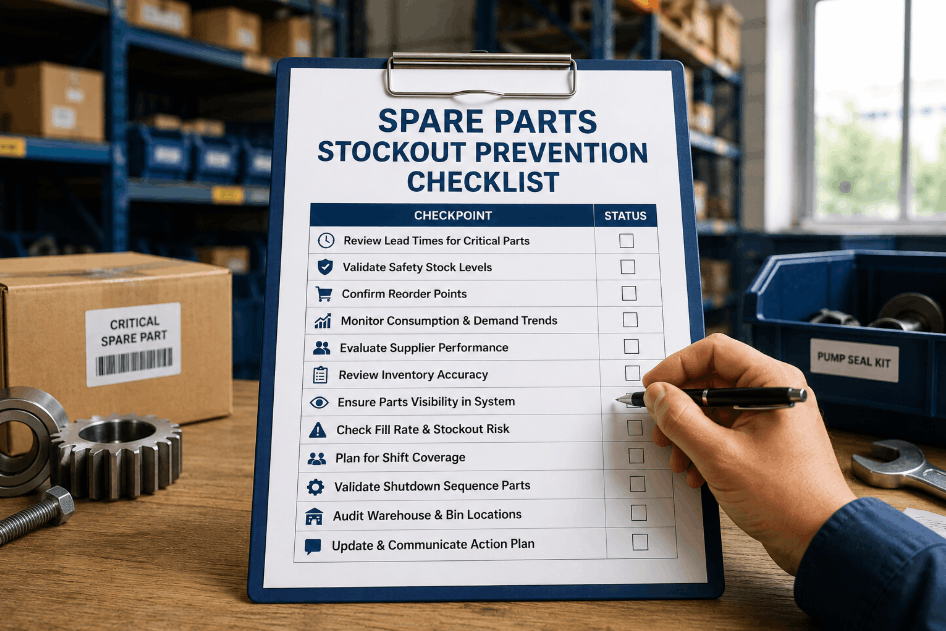
A single missing part during an unplanned breakdown can cost more in lost production than an entire year of inventory carrying costs. Spare parts stockouts are preventable — but only when your team has visibility into lead times, safety stock levels, reorder points, and consumption patterns before the urgent maintenance request arrives. This checklist helps maintenance, reliability, and procurement teams audit their parts inventory strategy against the realities of critical equipment failure, multi-shift operations, and supplier response variability. Oxmaint's Sign up free platform connects work orders directly to parts inventory, giving teams real-time visibility into stock levels, reorder triggers, and parts consumption history — so procurement acts before the shelf is empty, not after. From manufacturing maintenance to utilities operations, poor parts availability is one of the most controllable drivers of extended downtime. Book a demo to see how Oxmaint integrates inventory management with predictive maintenance scheduling to eliminate stockout risk at the source. Use this checklist to review your parts strategy before your next planned shutdown or production cycle.
1. Critical Parts Identification & Prioritization
Not all parts carry equal stockout risk. Identifying which parts are truly critical — based on equipment criticality and lead time — is the foundation of any effective stockout prevention strategy.
2. Safety Stock & Reorder Point Validation
Safety stock and reorder points set without real consumption data create two failure modes: chronic stockouts or wasteful overstock. Both are avoidable when calculations are grounded in actual usage history.
3. Procurement Control & Vendor Response
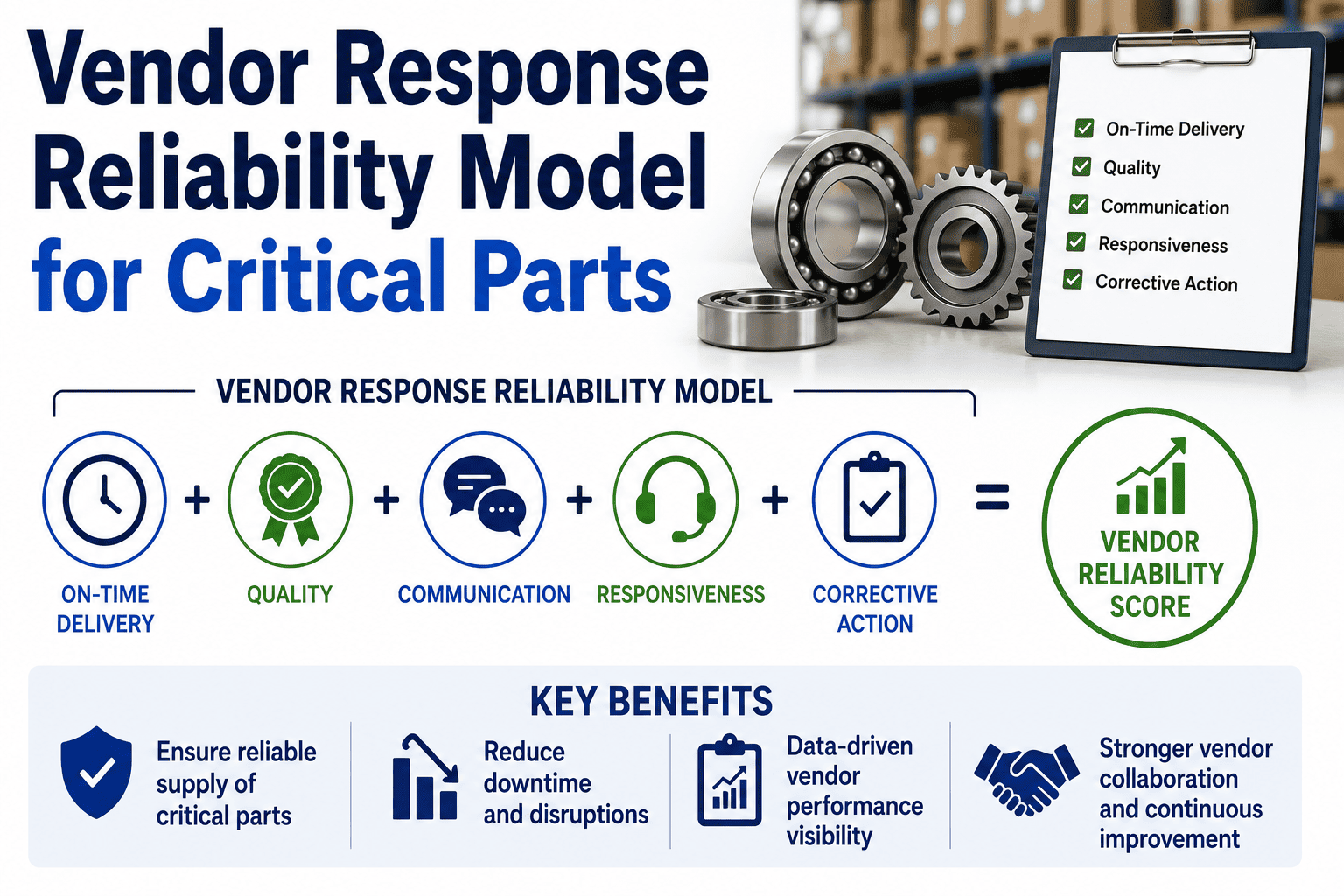
Even accurate reorder points fail when procurement processes are slow or vendor relationships are poorly managed. Procurement cycle time is as important as safety stock in stockout prevention.
4. Inventory Accuracy & Warehouse Audit
A reorder point only works if on-hand inventory quantities in your system match what is physically on the shelf. Inventory record accuracy is the most commonly overlooked stockout driver.
5. Consumption Variance & Demand Forecasting
Reactive stockout management treats symptoms. Consumption variance analysis and demand forecasting prevent the root cause by aligning stock levels with actual maintenance patterns before parts are needed.