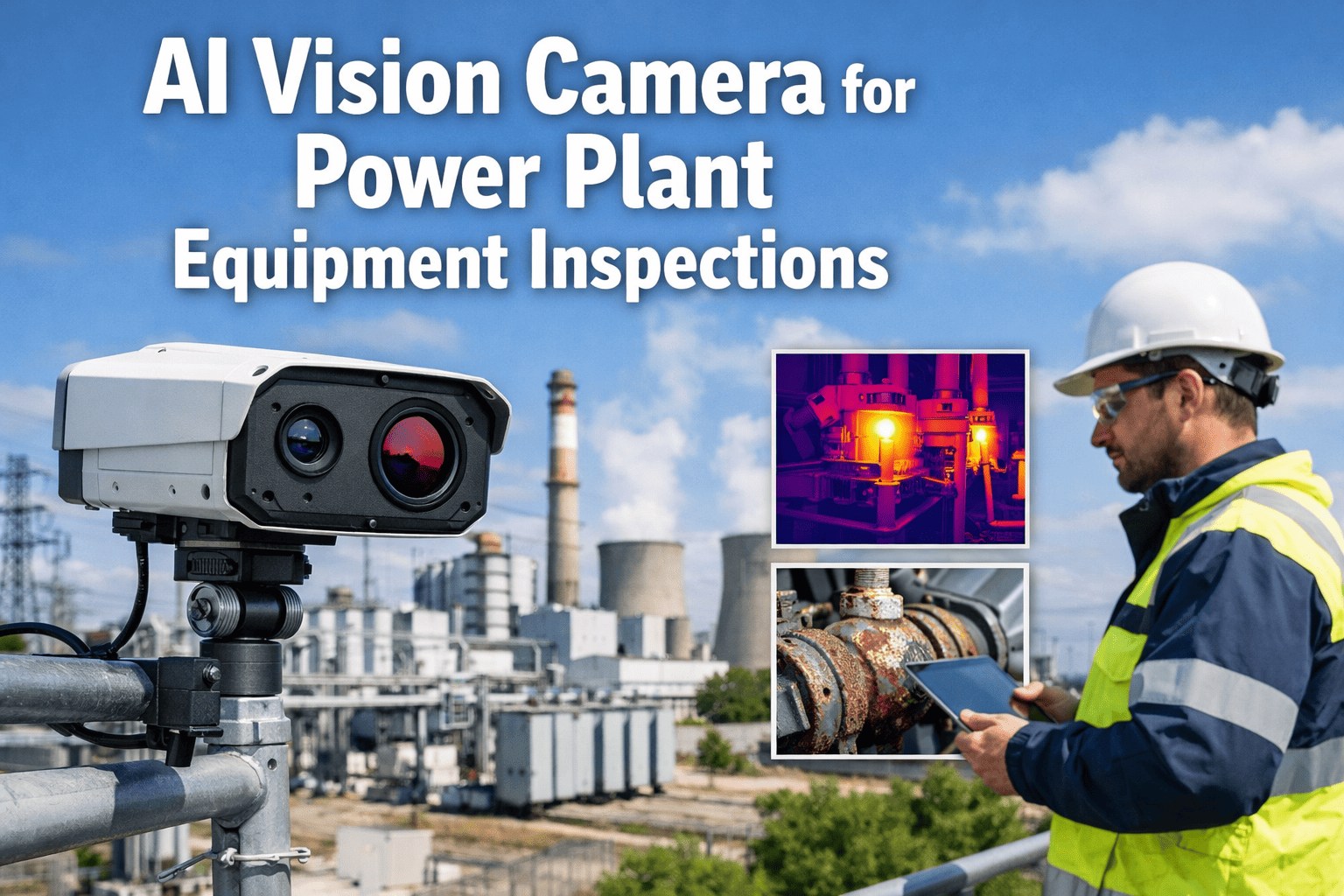
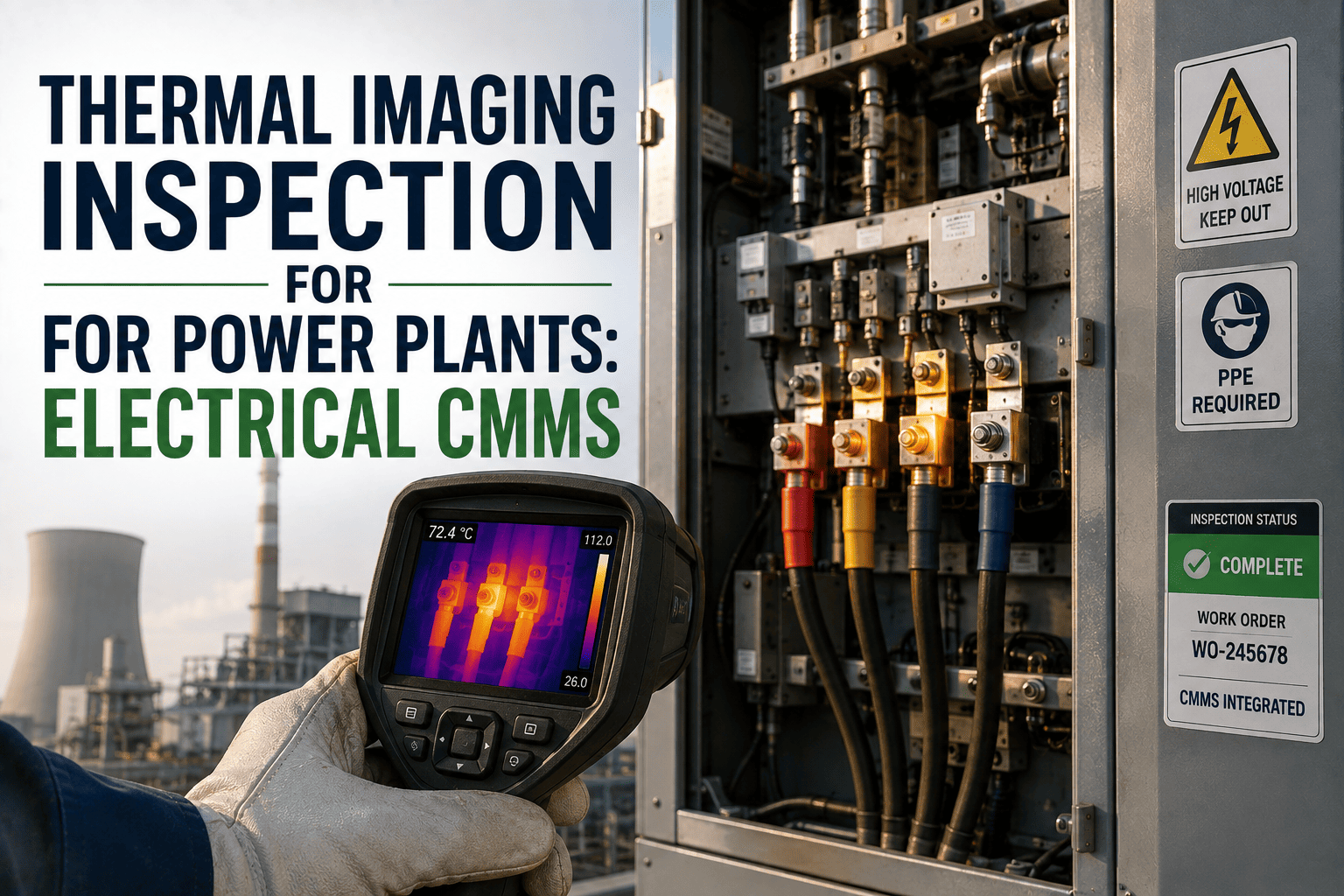
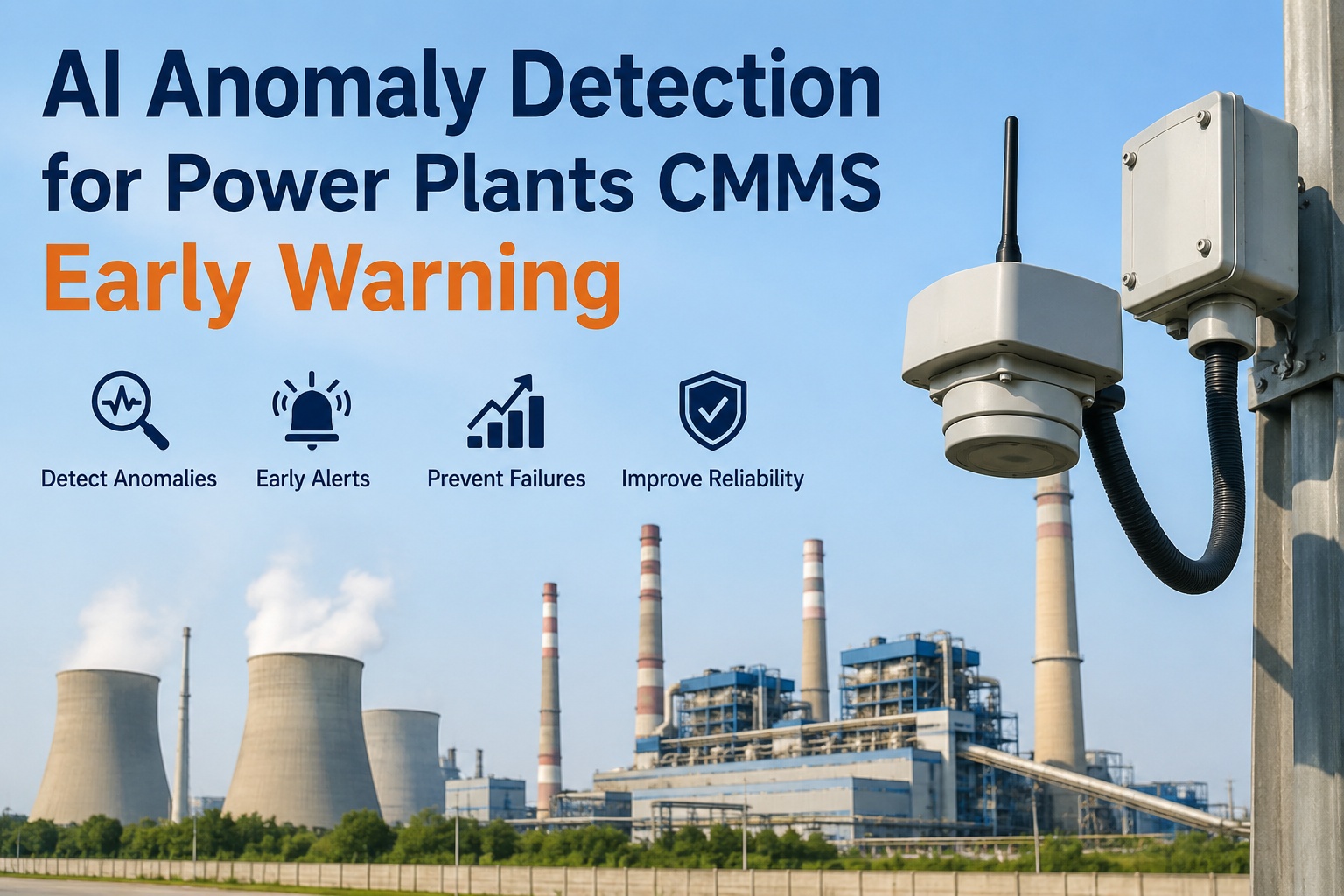
Every year, power plants lose hundreds of millions of dollars to equipment failures that no human eye caught in time—overheated bearings, corroding pipes, hairline fractures in rotating blades—all invisible until the damage is catastrophic. AI vision cameras are ending that era of blind maintenance, giving plant operators the ability to detect anomalies weeks before failure and schedule inspections before a single megawatt is lost. This is not a future promise. It is happening in plants right now, and the numbers prove it.
THE INSPECTION PROBLEM
Why Traditional Inspections Are Failing Power Plants
Manual inspection methods were built for a different era. Modern power plants demand something far more capable.
68%
Failures Missed
Of mechanical defects develop between scheduled inspection cycles, going completely undetected until failure occurs
$4.2M
Average Annual Cost
Typical power plant spends on reactive maintenance and unplanned outage recovery per year due to missed early defects
340hrs
Labor Hours Lost
Average weekly man-hours spent on manual rounds, visual checks, and paper-based inspection reports across a mid-size plant
43%
Human Error Rate
Of inspection reports contain at least one missed or misclassified defect when relying solely on manual visual checks
DETECTION CAPABILITIES
What AI Vision Cameras See That Humans Cannot
AI vision systems process thousands of data points per second across spectra the human eye cannot access, flagging defects at their earliest stage.
Thermal
Overheating Components
Bearings, electrical panels, motor windings, and transformer surfaces radiating abnormal heat—detected 2 to 6 weeks before physical failure
Visual
Surface Corrosion & Cracks
Hairline fractures in turbine blades, pipe welds, and boiler tube surfaces identified with sub-millimeter precision in real time
Thermal
Insulation Degradation
Cold spots and hot spots in piping insulation, refractory linings, and heat exchangers that signal energy loss and structural risk
Visual
Fluid & Steam Leaks
Microscopic moisture accumulation, steam vapor trails, and oil seepage around seals and flanges before they escalate to reportable events
AI-Analyzed
Wear & Fatigue Patterns
Progressive surface wear on conveyor systems, fans, and rotating equipment analyzed frame-by-frame to project remaining useful life
AI-Analyzed
Structural Misalignment
Shaft misalignment, coupling deflection, and mounting anomalies visible in high-speed frame capture before vibration triggers a trip
HOW IT WORKS
From Live Camera Feed to Maintenance Work Order in Minutes
01
Cameras Capture
Fixed and mobile AI vision cameras continuously record thermal, visual, and multispectral data from critical equipment 24 hours a day
▶
02
AI Analyzes
Deep learning models trained on millions of plant images compare live frames against baseline equipment health profiles, scoring anomaly risk
▶
03
Alert Triggered
When anomaly scores cross defined thresholds, classified alerts reach your maintenance team with visual evidence and severity rating instantly
▶
04
Work Order Created
The OXmaint CMMS automatically generates a prioritized work order, assigns the right technician, and logs the defect with photographic evidence
START MONITORING TODAY
See Every Defect Before It Becomes a Forced Outage
OXmaint's AI vision platform connects directly to your existing cameras and CMMS. Most plants are generating actionable alerts within 48 hours of setup—no infrastructure overhaul required.
SIDE BY SIDE
Manual Inspection vs AI Vision Camera: The Real Difference
| Inspection Factor |
Manual Inspection |
AI Vision Camera |
| Inspection Frequency |
Weekly or monthly rounds |
Continuous — 24/7/365 |
| Defect Detection Window |
At point of failure or near-failure |
2 to 8 weeks before failure |
| Thermal Anomaly Detection |
Requires handheld thermal camera, scheduled visit |
Automatic, real-time thermal scanning |
| Data Captured Per Inspection |
Checklist items, occasional photo |
Thousands of data points per second |
| Human Error Risk |
High — fatigue, distraction, access limitations |
Eliminated — AI consistency every frame |
| Inspector Safety in Hazard Zones |
Personnel exposed to heat, confined spaces, live equipment |
Zero personnel exposure required |
| Maintenance Type Enabled |
Reactive or calendar-based preventive |
Condition-based predictive maintenance |
| Documentation & Traceability |
Paper logs, manual data entry, audit risk |
Automated CMMS records with image evidence |
| Cost per Inspection Cycle |
$800–$2,400 in labor per round |
Covered by fixed system cost, no per-cycle labor |
PROVEN RESULTS
What Power Plants Are Achieving With AI Vision Monitoring
72%
Reduction in Unplanned Downtime
Plants deploying continuous AI vision monitoring across turbines, boilers, and auxiliary equipment consistently report forced outage frequency dropping by over two-thirds within the first operating year
$1.8M
Average First-Year Savings
Across repair costs, replacement power purchases, and regulatory penalties avoided through early defect detection
6 Weeks
Average Advance Warning
Enough time to order parts, schedule repairs during planned outage windows, and avoid the 40% emergency procurement premium
60%
Fewer On-Site Inspection Hours
Technicians redirect from repetitive visual rounds to high-value repair and reliability work, improving both safety and productivity
95%
Anomaly Detection Accuracy
AI models trained on power generation equipment datasets deliver precision that far exceeds what any manual inspection program can achieve consistently
IMPLEMENTATION
Deploying AI Vision Cameras at Your Plant: What to Expect
Week 1
Asset Prioritization
Identify your highest-risk equipment by failure history and outage cost. Turbines, boilers, and generators account for 77% of mechanical outages and should always be your starting point for camera placement.
Week 2
Camera Installation & Baseline
Fixed thermal and visual cameras are positioned at critical vantage points. The AI system captures baseline health images of equipment in normal operating condition to build its anomaly comparison model.
Week 3
CMMS Integration
AI vision alerts are connected directly to your OXmaint CMMS dashboard. Work orders, technician assignments, and defect logs flow automatically without any manual data entry from your team.
Week 4+
Live Monitoring & Refinement
Real-time anomaly detection begins. Alert thresholds are tuned to your specific equipment and operating profile, and the AI model continues learning to improve accuracy over subsequent months.
FREQUENTLY ASKED
AI Vision Cameras for Power Plants: Your Questions Answered
What types of power plant equipment can AI vision cameras monitor?
AI vision cameras are effective across all major equipment categories including steam turbines, gas turbines, boilers, generators, transformers, cooling towers, conveyor systems, pumps, and electrical switchgear. The highest-priority deployment targets are the assets responsible for most forced outages—turbines, boilers, and generators together account for 77% of mechanical failures. You can
log into OXmaint to build your asset priority list and identify where cameras deliver the fastest return on investment for your specific plant configuration.
How much warning time does AI vision detection typically provide before a failure?
The advance warning window depends on the defect type, but AI vision systems typically flag thermal anomalies in bearings and motors 3 to 8 weeks before failure, surface corrosion and crack propagation 2 to 6 weeks early, and insulation degradation up to 12 weeks before a reportable event. This lead time is critical because most emergency repair parts carry a 40% cost premium over planned procurement.
Book a consultation to see benchmarks from plants with similar equipment profiles to yours and understand the realistic warning windows for your highest-risk assets.
Do AI vision cameras work with existing CMMS platforms like OXmaint?
Yes. OXmaint's AI vision module is designed for direct integration with the OXmaint CMMS, creating a closed-loop system where a camera anomaly automatically generates a prioritized work order, assigns a technician, attaches photographic evidence, and logs the full defect history without any manual entry. This eliminates the typical 6-to-18-hour delay between detection and response that occurs when inspection and maintenance systems are disconnected.
Start your OXmaint account to see the integration architecture in detail before committing to deployment.
What is the ROI timeline for deploying AI vision cameras at a power plant?
Most power plants achieve full payback within the first 6 to 12 months, with many facilities reaching ROI after preventing just one major forced outage. A single two-week turbine outage at a 500MW unit typically costs $2 to $3 million in lost generation, emergency parts, replacement power, and regulatory penalties. The industry-reported average ROI for predictive monitoring programs is 10:1 over a three-year period.
Schedule a free assessment where our engineers calculate your plant-specific ROI estimate based on your unit size, generation profile, and current outage history.
How does AI vision camera monitoring improve inspector safety at power plants?
Traditional inspection programs require personnel to enter confined spaces, approach live rotating equipment, and work near high-temperature surfaces on scheduled rounds—all of which carry significant injury risk. AI vision cameras eliminate the need for routine proximity-based checks by providing continuous remote monitoring of hazardous zones. Inspectors are only dispatched when a confirmed anomaly requires physical intervention, with precise location data already in hand.
Explore OXmaint's safety reporting features to see how plants track the reduction in at-risk inspection hours after deployment.
STOP MISSING WHAT MATTERS
Every Defect Your Team Misses Today Is a Forced Outage Scheduled for Tomorrow
OXmaint's AI vision platform gives your plant continuous, high-accuracy anomaly detection across every critical asset—turning invisible developing failures into scheduled maintenance events before they cost you millions. Join the power plants already running smarter.