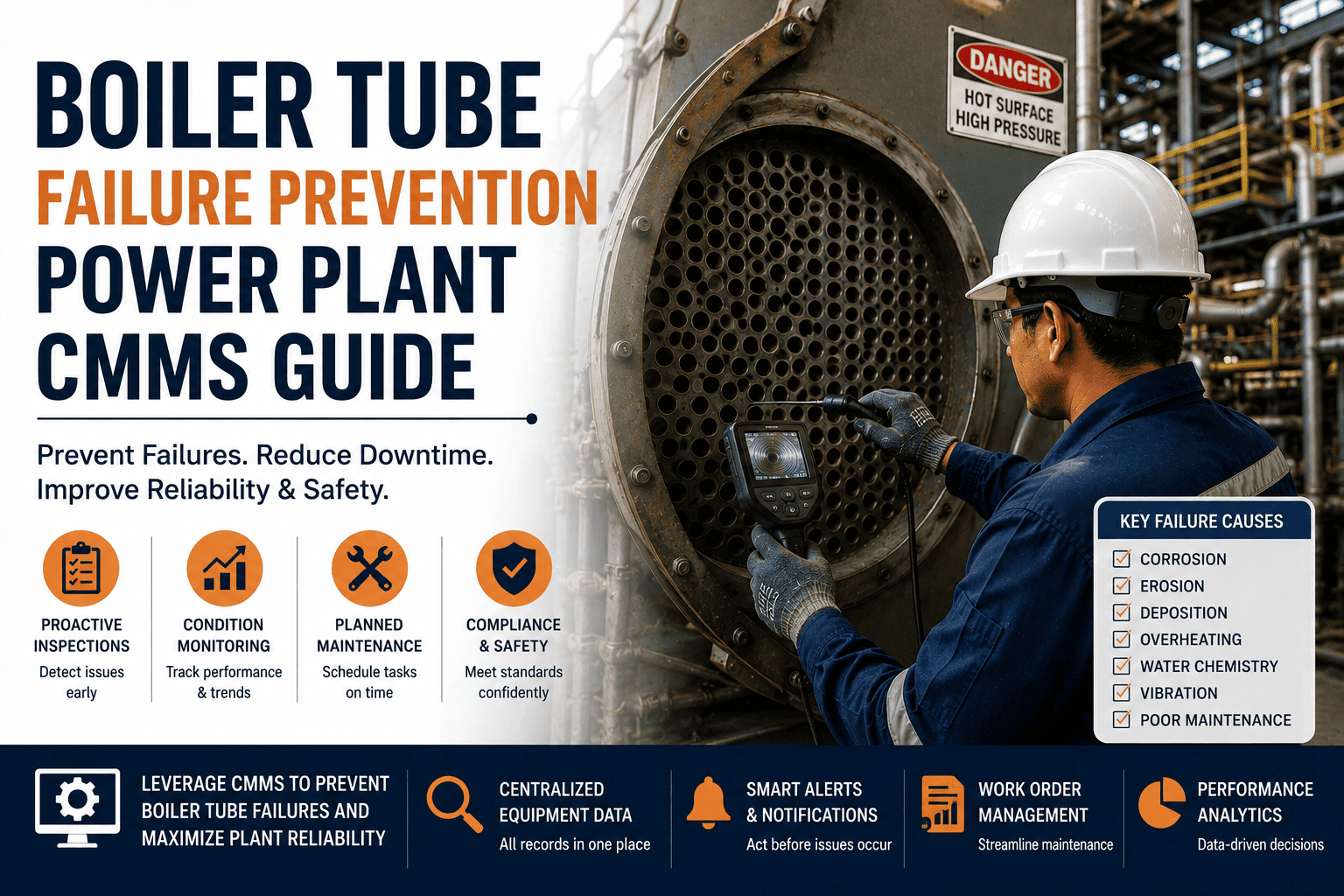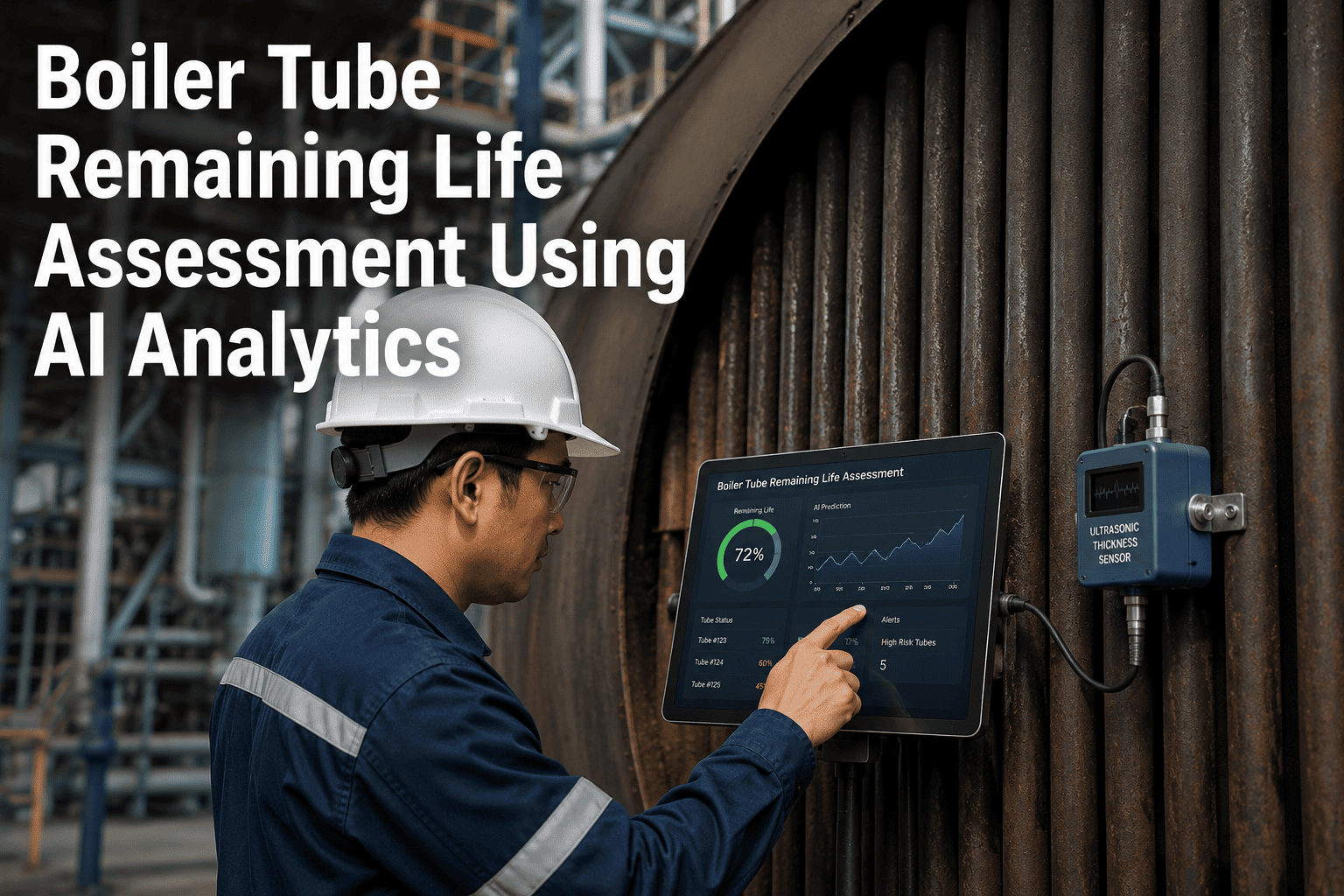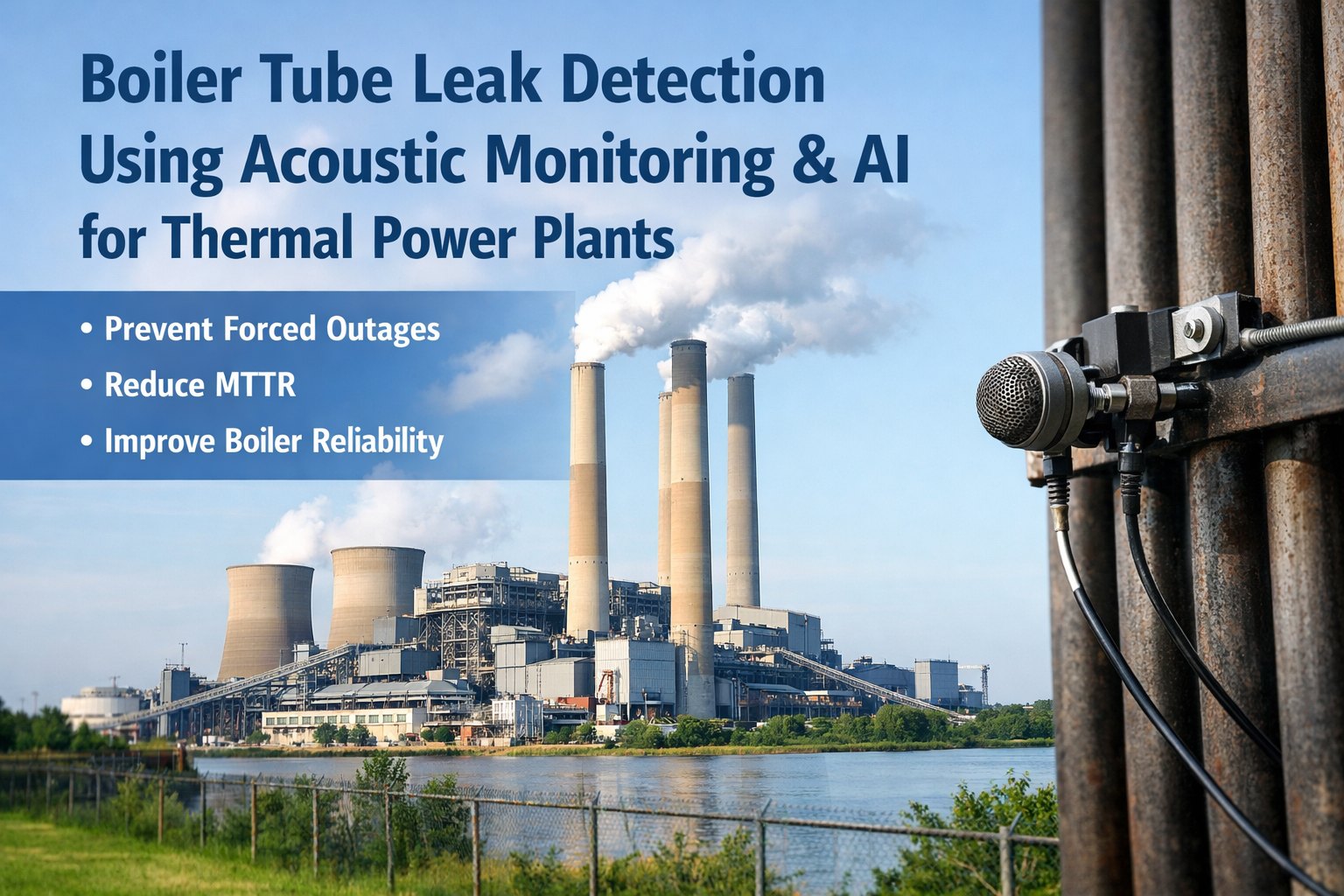
A boiler tube rarely fails without leaving clues. Oxide scale thickens on the steam side, tubes bulge, hardness drifts — but if those readings sit in separate inspection reports, nobody sees the trend until a tube ruptures. This guide explains how short-term and long-term overheating differ, which evidence points to remaining life, and how OXMAINT AI, the AI-powered CMMS, organizes inspection, failure analysis and remaining-life decisions for critical boiler and HRSG tube sections.
Spot Tube Overheating Early. Plan Remaining Life From Records, Not Memory.
Overheating evidence usually exists — it's just scattered across outage reports, spreadsheets and inspector notes. OXMAINT AI, the AI-powered CMMS, keeps the full workflow in one platform, tied to each tube section asset.
The result: a trackable history of every critical tube section, ready for your engineers' remaining-life review.
Two Kinds of Overheating, Two Different Rupture Signatures
Not all overheating behaves the same. Research on boiler tube failures separates a slow, detectable form from a sudden one — and that split decides what your inspection program can realistically catch. Book a demo to see how OXMAINT AI tracks both.
Based on published failure-analysis literature. Reported thresholds differ by material and source — confirm against your tube specification.
Why Heat Gets Trapped in a Tube
Literature on failed tubes reports that most long-term overheating failures occur in superheaters, reheaters and wall tubes — the sections to prioritize in your asset register.
The Evidence Ladder: From Walkdown to Lab
Each rung adds certainty and cost. A good program escalates only when the rung below raises a flag. Start free and log every rung against the tube section in OXMAINT AI.
Remaining Life: Three Inputs, One Engineering Judgement
Published methods estimate remaining life from oxide scale thickness, average metal temperature and a creep master curve. The CMMS doesn't replace that analysis — it keeps the inputs organized and current.
The Trend Is Only Visible If the Readings Live Together.
An oxide measurement from one outage means little. Five outages of readings against the same tube section tell a story. Keep them in one asset history.
From Finding to Action
| Finding | Typical next step | Logged as |
|---|---|---|
| Bulging or discolouration at a section | Dimensional check, targeted NDT | Defect + inspection work order |
| Oxide scale rising faster than prior outages | Engineering review, raise inspection frequency | PM interval update |
| Wall thinning trend approaching limit | Plan repair or replacement window | Planned repair work order |
| Hardness or microstructure change in sample | Remaining-life assessment, failure analysis | Failure analysis record |
Frequently Asked Questions
Give Every Critical Tube Section a Complete History.
Track inspections, defects, work orders and PM intervals in the OXMAINT AI maintenance management software — so remaining-life decisions are made with the full picture.