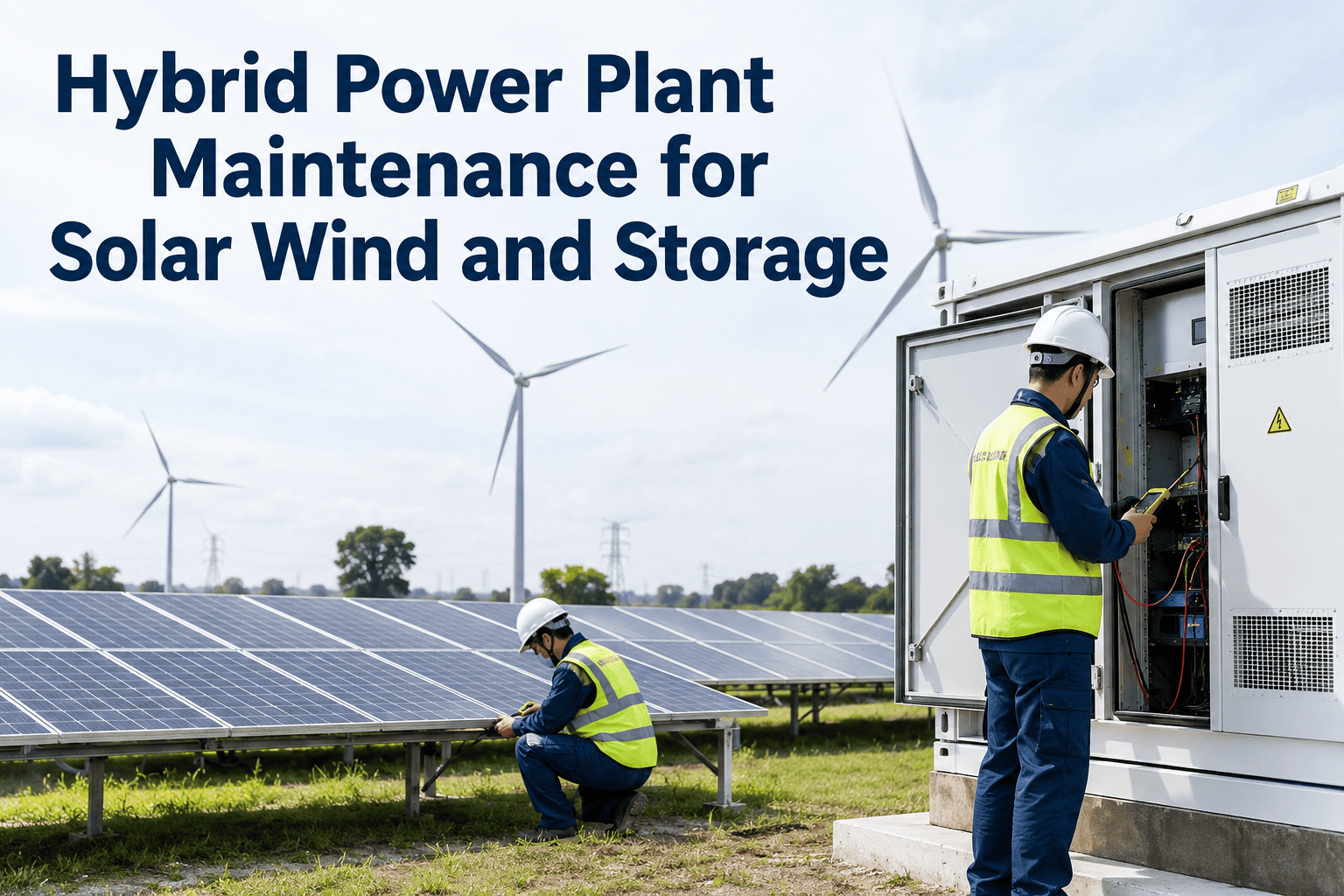
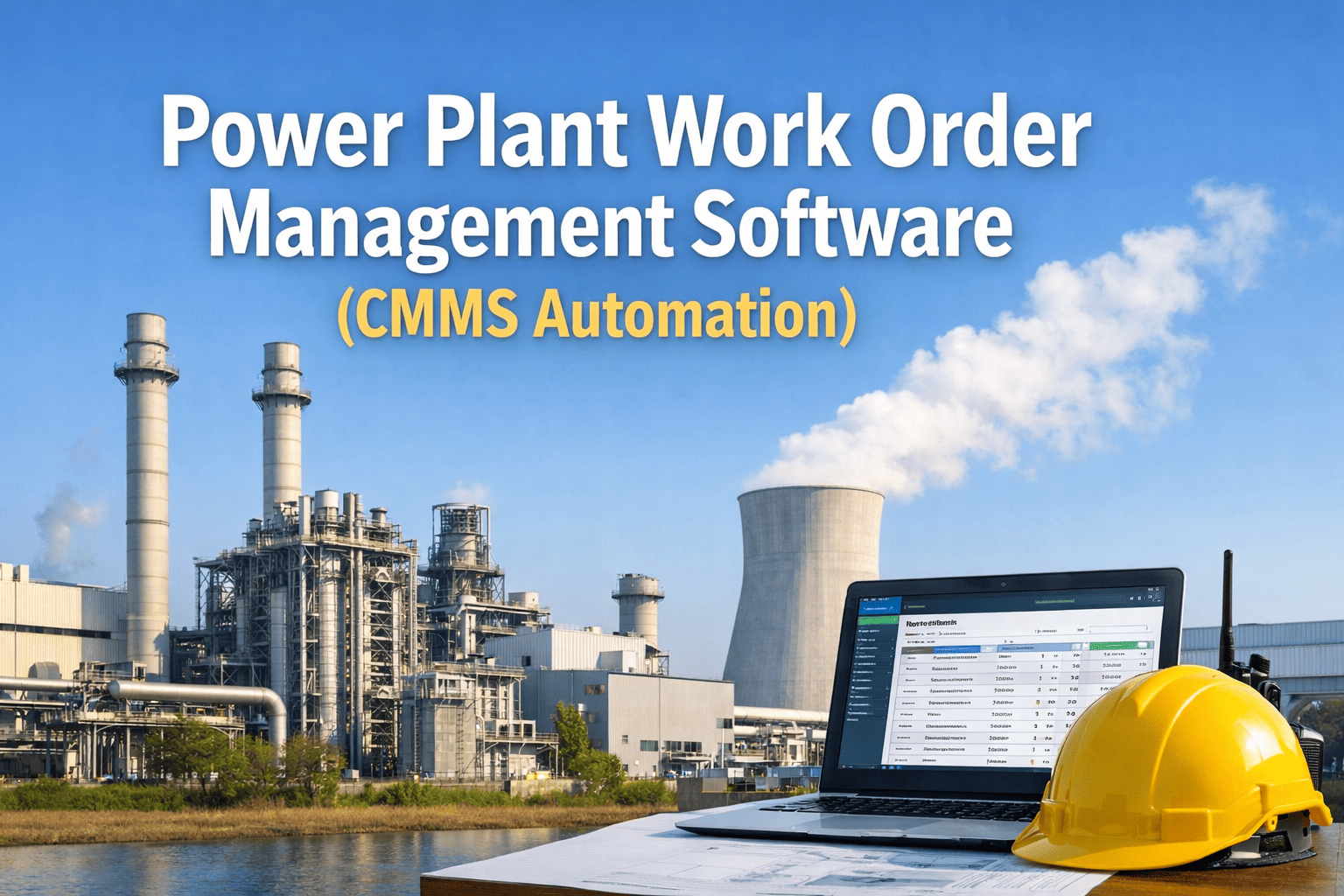
Hybrid power plants don't fail the way single-source plants do — a solar inverter trips at noon, a wind turbine pitch fault hits overnight, and a battery rack overheats in between, each on its own maintenance clock with its own technician skillset and spare parts list. Most operators run three separate maintenance routines stitched together with spreadsheets, and the seams are exactly where outages slip through. OxMaint unifies solar, wind, and storage asset maintenance into one work order system, one PM calendar, and one reliability dashboard — so nothing falls into the gap between technologies. Book a 15-minute demo to see hybrid asset management built for mixed-generation plants.
Hybrid Plants · Asset Management · OxMaint
One Maintenance System for Solar, Wind, and Storage Assets
Hybrid plants combine three different failure profiles under one roof. OxMaint gives every asset type its own maintenance rules while giving your team a single dashboard to manage all of them.
Why It Breaks Down
Mixed Generation, Mismatched Maintenance Cycles
Solar inverters need annual thermal checks. Wind turbines need gearbox oil analysis on running hours, not calendar dates. Battery storage needs cycle-based health tracking that has nothing to do with either. When these run on separate systems, technicians lose context, spare parts get ordered late, and the plant's combined availability number becomes a guess rather than a measurement.
31%
Of hybrid plant downtime traced to coordination gaps between asset-type maintenance teams
3.6 hrs
Average delay between a storage fault alert and a technician with the right battery certification arriving
19%
Higher combined plant availability reported when solar, wind, and storage PMs run on one shared calendar
Asset Coverage
Maintenance Rules Built Around Each Technology
Solar PV & Inverters
String-level fault isolation, inverter thermal trend tracking, and panel soiling schedules generated from local irradiance and dust data rather than a fixed calendar.
Wind Turbines
Running-hour based PMs for gearbox, blade, and yaw systems, with vibration and oil analysis results attached directly to the work order history for each turbine.
Battery Storage
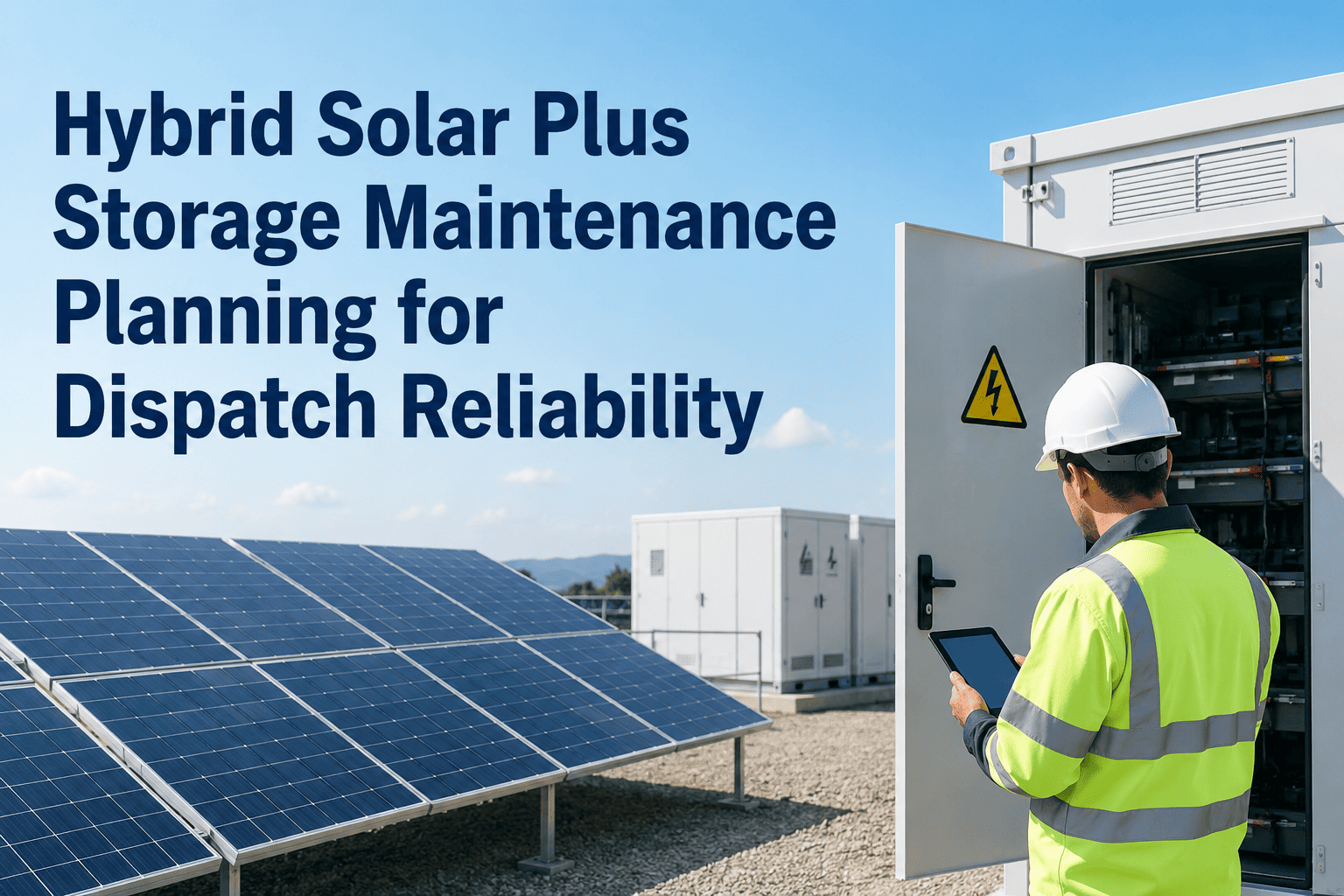
Cycle count and depth-of-discharge tracked per rack, with thermal runaway risk flags routed to certified storage technicians instead of general maintenance staff.
Grid-Tie & Switchgear
Interconnection equipment shared across generation sources tracked separately, since a switchgear fault here can take down solar, wind, and storage output simultaneously.
Bring Every Asset Type Into One Maintenance View
Solar, wind, and storage on one PM calendar · Technician routing by certification · Combined availability reporting.
How It Works
From Fault to Resolution Across Any Asset Type
1
Fault or PM Trigger Fires
A solar inverter trend breaches threshold, a turbine hits its running-hour interval, or a battery rack exceeds its cycle limit — each triggers automatically based on its own rule set.
2
Work Order Routes by Skillset
OxMaint assigns the work order to a technician certified for that asset type, instead of whoever is nearest, cutting the time lost to reassignment mid-shift.
3
Parts and History Attach Automatically
Spare part requirements and prior repair history for that exact asset are pulled into the work order so technicians arrive prepared instead of diagnosing from scratch.
4
Combined Availability Updates
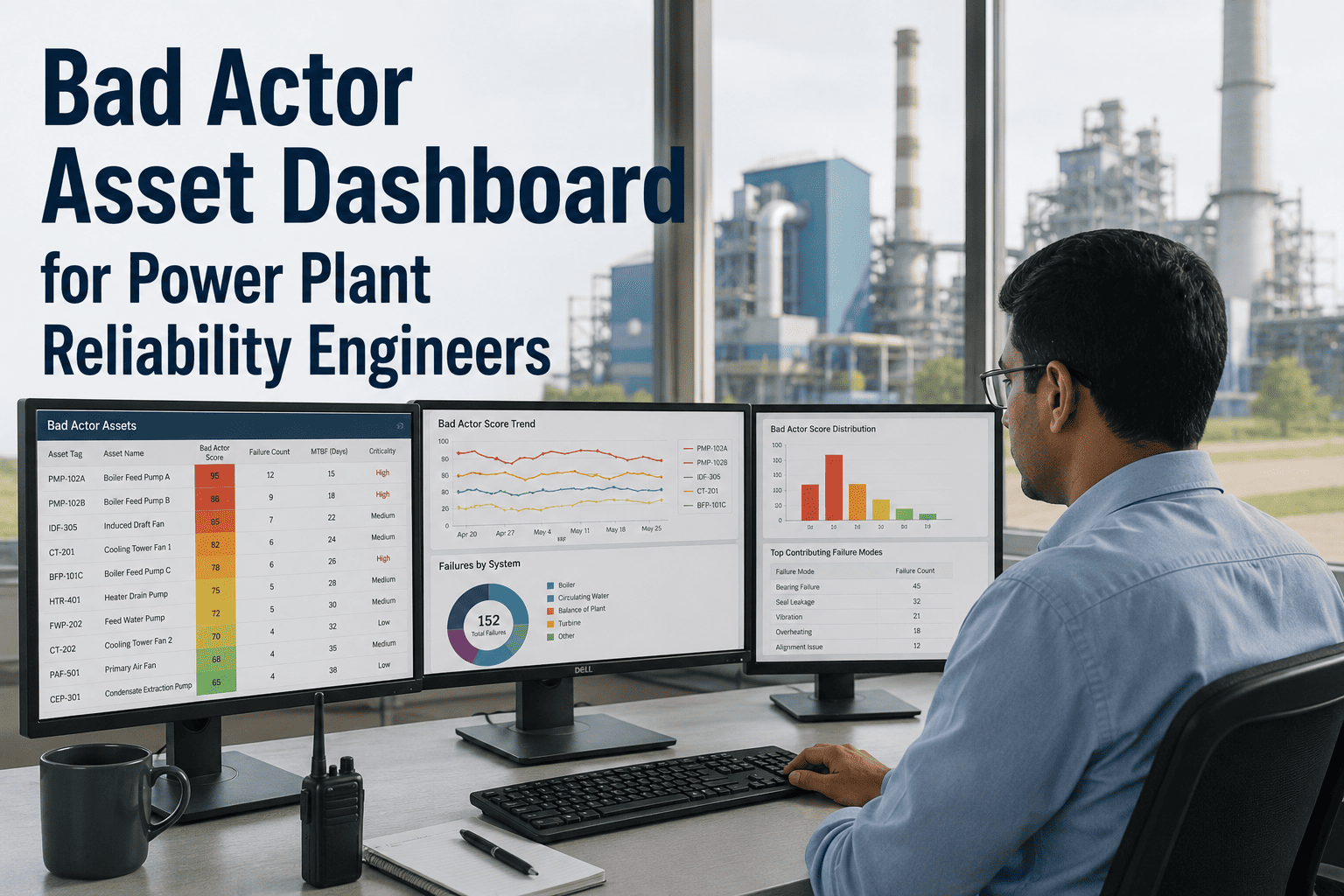
Once closed, the work order feeds into the plant-wide availability dashboard, showing how each technology contributed to or recovered from downtime that day.
Maintenance Comparison
PM Triggers by Generation Source
FAQ
Hybrid Plant Maintenance — Common Questions
Can OxMaint manage solar, wind, and storage assets under one plant hierarchy?
Yes — OxMaint lets you build a single asset hierarchy for the entire hybrid plant while still applying technology-specific maintenance templates to each branch. Solar strings, turbine components, and battery racks each keep their own PM logic without needing separate software instances.
Sign in to set up your hybrid asset hierarchy in OxMaint.
How does technician routing by certification actually work?
Each technician profile in OxMaint can be tagged with the asset types and certifications they hold, such as battery storage safety training or wind turbine climb certification. When a work order is generated, it is offered first to technicians whose tags match the asset, reducing dispatch errors.
Book a demo to see certification-based routing in action.
Does combined availability reporting separate the contribution of each generation source?
Yes — the availability dashboard breaks down downtime hours and lost output by asset type, so plant managers can see whether solar, wind, or storage is driving a given month's performance shortfall rather than looking at one blended number.
Sign in to view combined availability reporting in OxMaint.
Can battery cycle data be imported automatically instead of logged manually?
Where a battery management system exposes cycle count and depth-of-discharge data via API, OxMaint can ingest it automatically and trigger PMs based on real usage rather than estimated schedules. Plants without integration can still log this data manually through the mobile app.
Book a demo to discuss your storage integration options.
Is OxMaint suitable for smaller hybrid sites with only a handful of assets per technology?
Stop Running Three Maintenance Systems for One Hybrid Plant
One asset hierarchy · Technology-specific PM rules · Certification-based routing · Combined availability reporting.