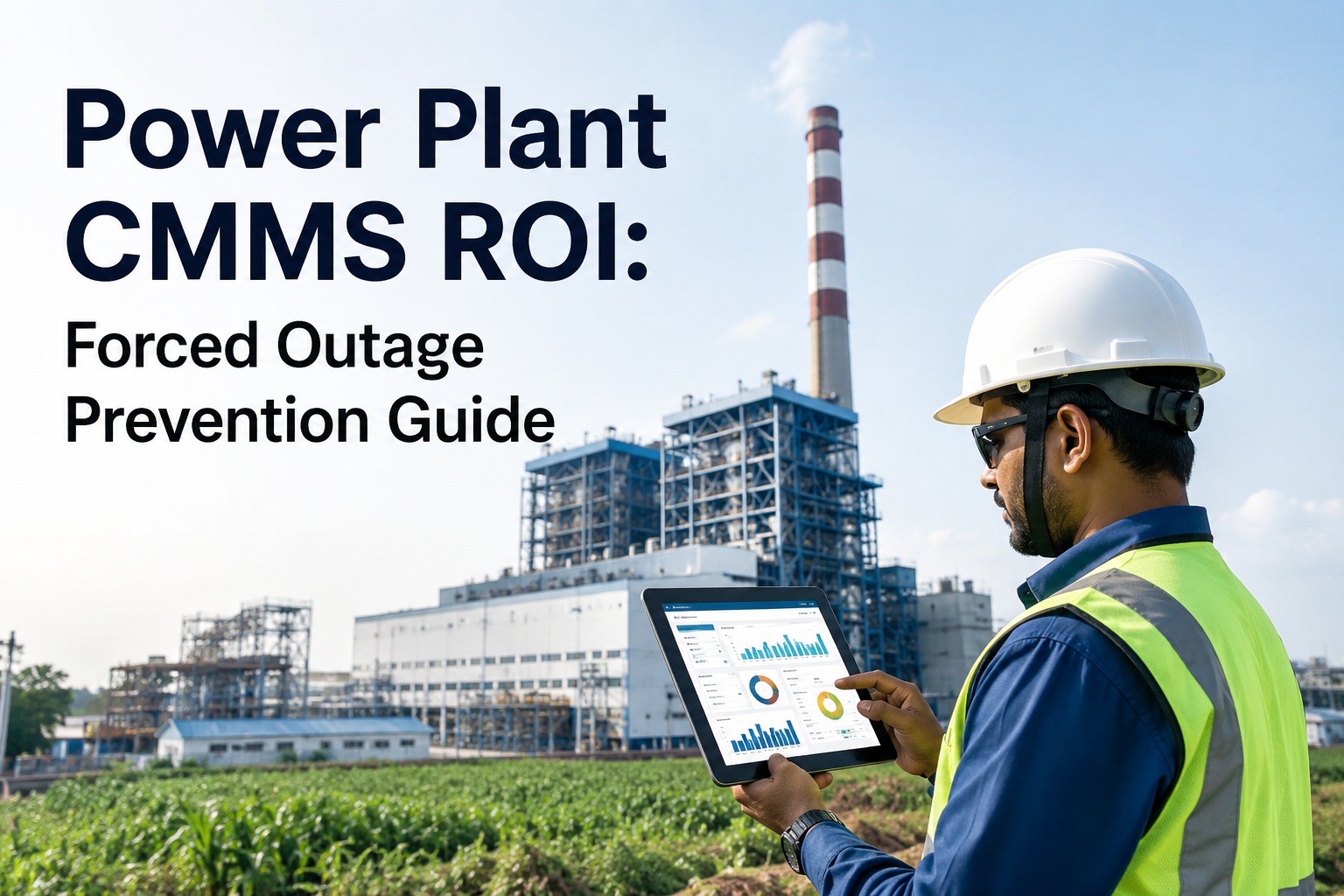
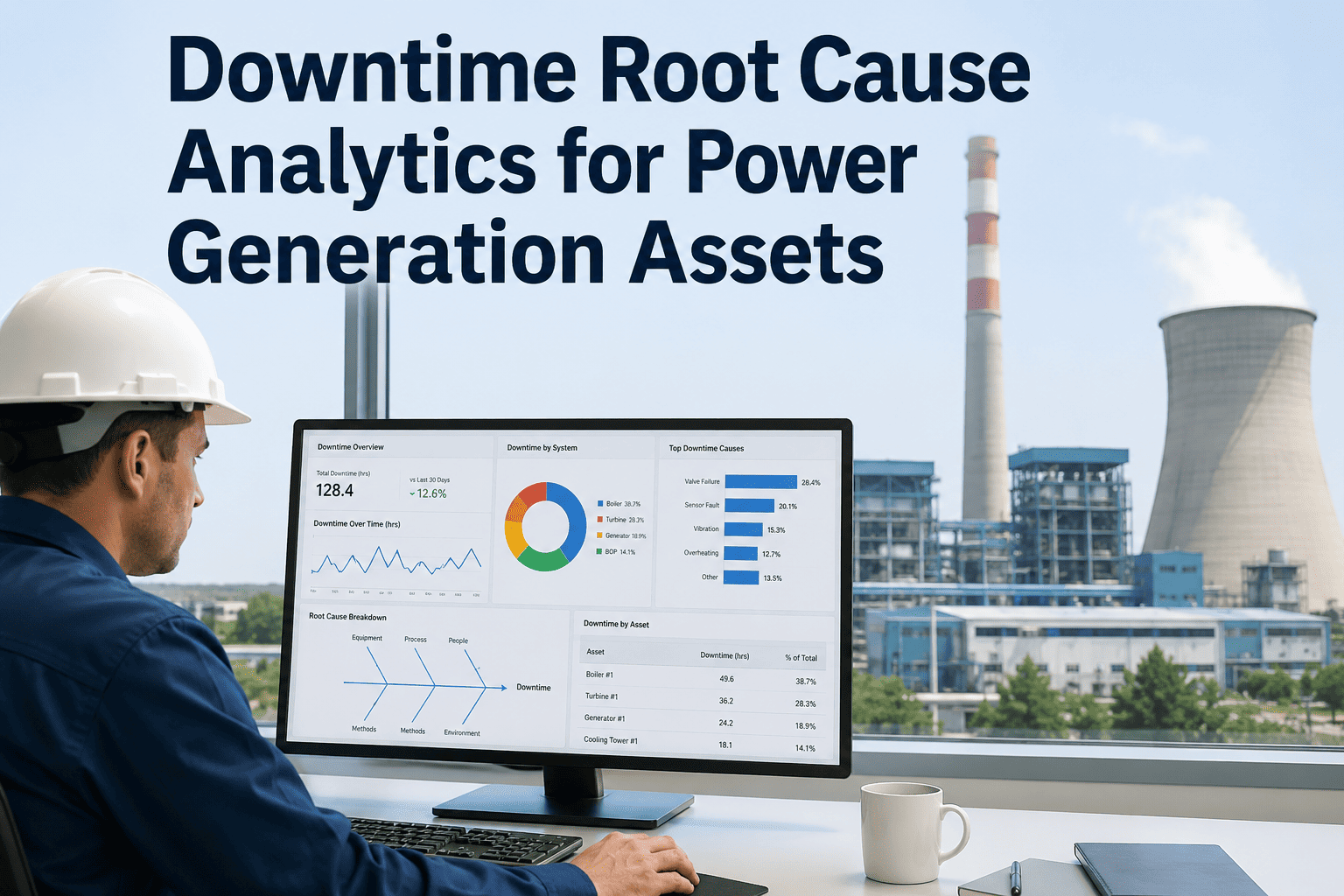
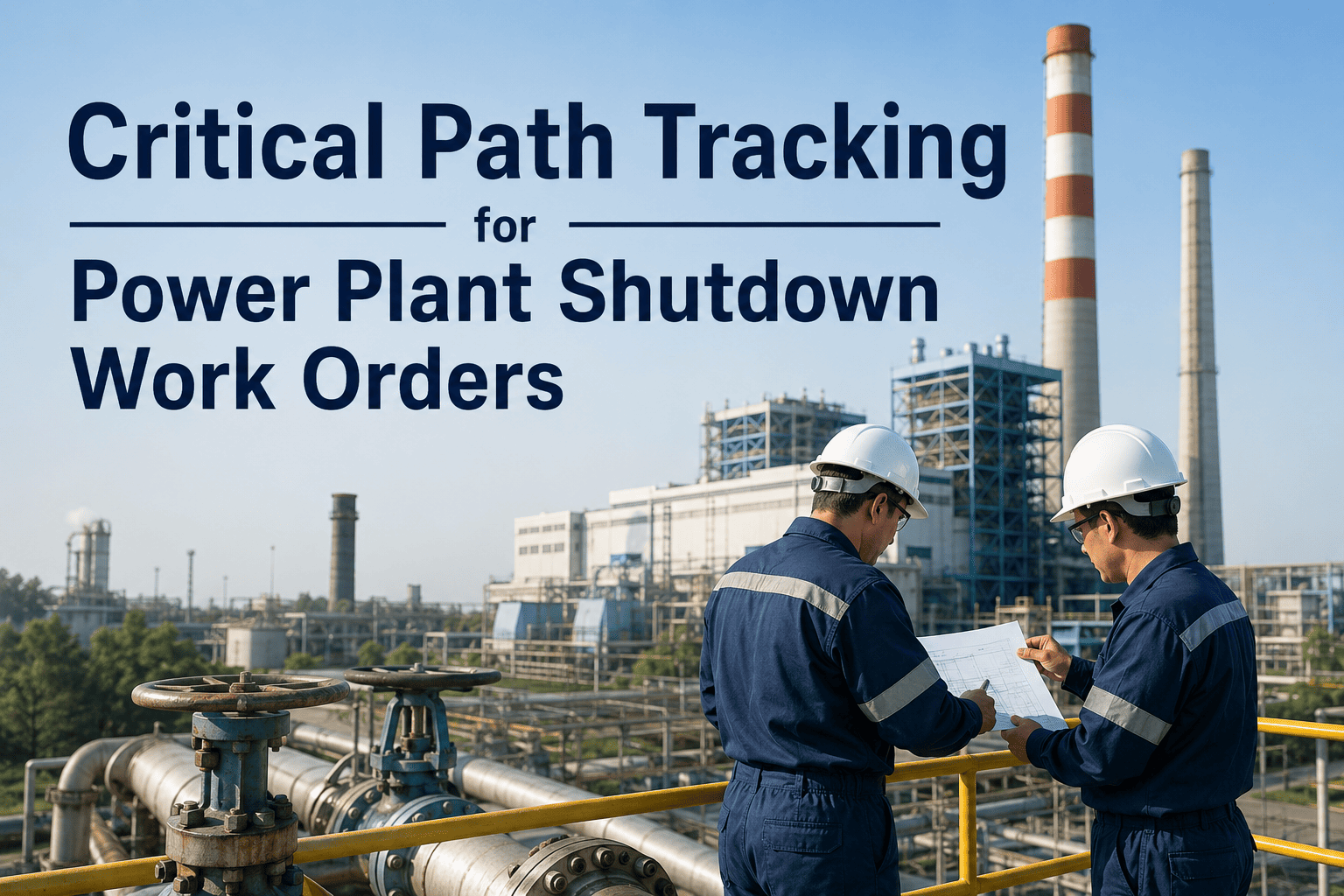
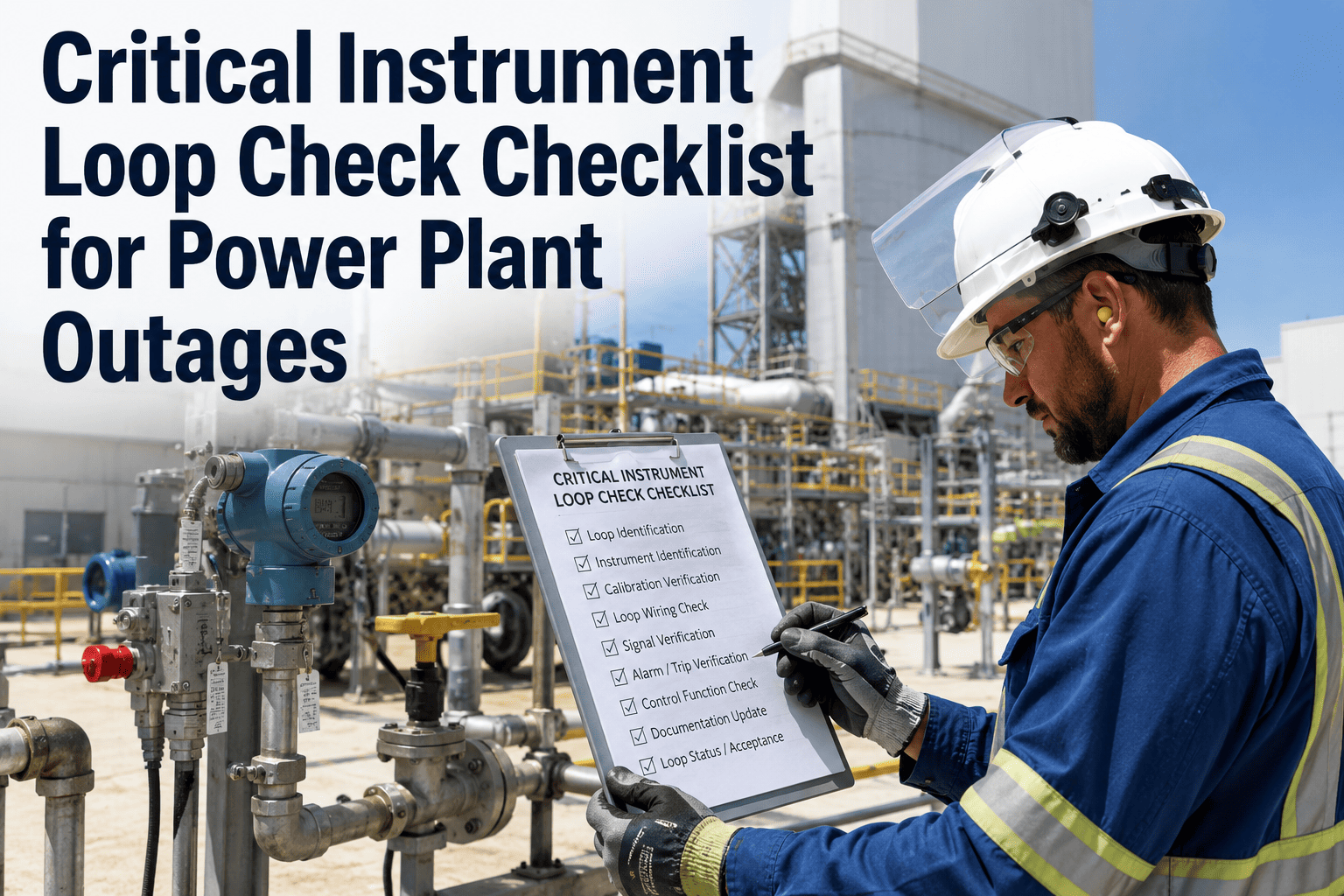
In 2023 and 2024, NERC reported that weighted equivalent forced outage rates for natural gas and coal units remained at historically elevated levels — exceeding rates for every year prior to 2021. The pattern is clear: more assets, older equipment, and higher dispatch frequency are colliding with maintenance programs that were never designed to manage risk systematically at the asset level. A critical asset risk register changes how reliability planning works — moving from reactive response to a documented, living prioritization of which assets carry the most forced outage risk, what their current condition is, and what maintenance interventions are scheduled to reduce that risk. OxMaint's asset management module provides the structure to build and maintain a risk register that actually drives maintenance decisions, connects to work orders, and updates automatically as asset condition changes. Start building your risk register free or book a demo to see how it maps to your fleet's critical assets.
ARTICLE · ASSET MANAGEMENT · RELIABILITY PLANNING
Every Plant Has a List of Assets That Could Take a Unit Down. Most Plants Don't Know What's On It.
A critical asset risk register is the foundation of any forced outage prevention program. This guide covers what it is, how to build one, and how OxMaint keeps it current as conditions change.
WHY IT MATTERS NOW
The Forced Outage Problem Is Getting Worse, Not Better
NERC's 2024 State of Reliability report confirmed that forced outage rates for conventional generation remain at historically high levels. The contributing factors aren't new — but their combined pressure is intensifying in ways that make ad-hoc reliability management increasingly untenable.
47%
Of gas turbine forced outages are attributable to maintainable failure modes — failures that a structured PM and condition monitoring program would have caught before the trip
2–3x
Higher forced outage rates at plants with PM compliance below 65% compared to plants maintaining 85%+ planned maintenance percentage
$260K
Average hourly cost of unplanned power plant downtime — making a single avoidable forced outage worth more than an entire year of proactive maintenance investment
65%
Of critical failure modes are detectable through condition monitoring before failure occurs — but only if there's a system actively tracking deviations from baseline for the right assets
WHAT A RISK REGISTER IS
A Critical Asset Risk Register: The Five Components
A risk register isn't a maintenance schedule and it isn't a compliance checklist. It's a living document that captures the intersection of asset criticality, current condition, failure probability, and planned mitigation — updated continuously as maintenance actions are completed and condition data changes.
1
Asset Criticality Classification
Which assets, if failed, would directly cause a unit trip, forced derate, or regulatory violation? Criticality is defined by consequence — not by cost, age, or complexity. A $2,000 control valve can be more critical than a $200,000 auxiliary transformer if its failure takes the unit offline. OxMaint's asset hierarchy supports criticality tagging with custom tiers and consequence categories.
2
Current Condition Score
Each critical asset's health, derived from the most recent inspection findings, sensor trends, oil analysis results, and work order history. A condition score without a time stamp and a data source is an opinion, not a data point. OxMaint calculates condition scores from actual maintenance activity — not manual entry.
3
Failure Mode Catalog
The specific failure modes for each asset class — not a generic FMEA, but the failure modes observed in this fleet, on this equipment, in this operating environment. Gas turbine bearing failures look different at a peaker running 200 starts per year than at a baseload combined-cycle unit. The failure mode catalog drives PM interval decisions and condition monitoring parameter selection.
4
Risk Score (Probability × Consequence)
A combined score that ranks assets by actual risk — not just by how loud the last failure was or who complained most recently. Risk score drives PM prioritization, condition monitoring investment decisions, and spare parts stocking. High-consequence, high-probability assets get the most attention. Low-consequence assets get appropriate (not excessive) care.
5
Planned Mitigation Actions
The specific maintenance interventions — PM tasks, inspections, condition monitoring schedules, and spare parts positions — linked directly to each risk item. Mitigation without traceability is theater. In OxMaint, each risk item connects to the work orders and PM schedule entries that are actively reducing it — with completion status visible in real time.
OXMAINT · ASSET MANAGEMENT · RELIABILITY PLANNING
Build a Risk Register That Actually Drives Maintenance Decisions
OxMaint gives reliability engineers the tools to classify assets by criticality, track condition in real time, connect risk items to work orders, and see mitigation status without hunting through spreadsheets.
ASSET CLASSES TO INCLUDE
Which Assets Belong on Your Power Plant Risk Register
Not every asset in a power plant belongs on the critical risk register — and including too many dilutes focus. These are the asset classes where failure consequences are severe enough to warrant structured risk management.
| Asset Class |
Primary Failure Modes |
Forced Outage Trigger |
Key Monitoring Parameters |
| Gas Turbine |
Hot section degradation, compressor fouling, bearing failure, fuel system faults |
Direct unit trip |
Vibration, exhaust temps, compressor pressure ratio, lube oil pressure |
| HRSG / Steam Generator |
Tube leak, pressure relief failure, drum level control fault, attemperator leak |
Direct unit trip |
Tube metal temps, blowdown conductivity, steam quality, differential pressures |
| Feedwater Pumps |
Thrust bearing degradation, seal failure, balance disc wear, cavitation |
Unit derate or trip |
Vibration, bearing temp, suction pressure, discharge pressure, seal flush flow |
| Cooling Water System |
Pump bearing failure, CT fan motor failure, fouling-driven capacity reduction |
Condenser vacuum loss, unit derate |
Pump vibration, CT fan runtime, approach temperature, flow rate |
| Instrument Air System |
Compressor bearing failure, intercooler fouling, valve wear, dew point exceedance |
Control valve loss, indirect trip |
Discharge pressure, cycle time, bearing temp, oil condition |
| Main Transformer |
Insulation degradation, cooling fan failure, oil contamination, bushing failure |
Generation loss, grid disconnection |
Oil temperature, DGA results, cooling fan status, load tap changer ops |
HOW OXMAINT SUPPORTS THIS
From Static Spreadsheet to Living Risk Register
Asset Hierarchy with Criticality Tags
Define custom criticality tiers — Unit-Critical, Plant-Critical, Significant, Standard — and tag every asset in the system. Filter any report or dashboard by criticality tier to focus attention where it matters most.
Condition Scores from Real Maintenance Data
OxMaint calculates asset health from work order findings, inspection results, sensor inputs, and failure history — not from a static entry someone made six months ago. Condition scores update every time a technician closes a job.
Risk Item to Work Order Traceability
Each risk register item links directly to the PM tasks, inspection schedules, and corrective work orders that are actively mitigating it. See which risks have open mitigation actions and which don't — at a glance, without a separate tracking spreadsheet.
Mobile Inspection and Evidence Capture
Technicians capture inspection findings, photos, and condition readings on mobile — feeding the risk register automatically. No transcription, no delay, no lost paper inspection sheets that never made it into a central record.
Forced Outage Pattern Tracking
OxMaint tracks failure codes and forced outage cause categories across all work orders — identifying which assets and failure modes are driving actual outages versus which ones the risk register thought were most critical. Real data refines the model over time.
Audit-Ready Compliance Records
NERC PRC-005, CIP-006, and other regulatory inspection records are stored against the asset — with completion timestamps and technician sign-off captured on mobile. Audit responses that once took days now take minutes.
FREQUENTLY ASKED
Critical Asset Risk Register Questions
How do you prioritize which assets go on the critical risk register first?
Start with assets whose failure directly causes a unit trip or forced outage — not assets that are expensive, complex, or loudly maintained. Run a simple consequence-first filter: if this asset fails without warning in the next 30 days, does the unit stay online? If the answer is no, it belongs on the register.
OxMaint's criticality tagging supports this triage process from day one.
What's the difference between a risk register and a standard FMEA?
A FMEA is a static analysis document — typically produced once during plant design or a major reliability study and rarely updated. A risk register is a living operational tool that reflects current asset condition, recent failure history, and active mitigation status. The FMEA informs the risk register's failure mode catalog, but they serve different functions. The register drives daily and weekly maintenance prioritization decisions.
How does OxMaint handle risk register items that span multiple assets?
OxMaint supports parent-child asset hierarchies — so a risk item for "Cooling Water System" can have child risk items for each pump, fan motor, and CT cell. Risk scores roll up from component level to system level, giving both the granular view for maintenance planning and the aggregate view for leadership reporting.
Book a demo to see the asset hierarchy in action.
How often should a critical asset risk register be reviewed and updated?
In OxMaint, the risk register updates continuously as work orders close, inspections are logged, and sensor data flows in — so there's no formal "update cycle" required. A formal review with the reliability team every quarter makes sense for risk scoring recalibration and adding new assets or failure modes identified from recent outage investigations.
Can OxMaint import historical failure data to seed the risk register?
Yes. OxMaint's onboarding process includes historical work order and failure record migration from existing CMMS systems, historian platforms, and spreadsheets. Historical failure data populates the failure mode catalog and informs initial risk scoring — so the register starts with context, not a blank slate.
Sign up free to explore the import workflow.
OXMAINT · ASSET MANAGEMENT · FORCED OUTAGE PREVENTION
Your Next Forced Outage Is on a Risk Register Somewhere. Is It Yours?
OxMaint gives power plant reliability teams the tools to build a living critical asset risk register — with criticality classification, real-time condition scoring, risk-to-work-order traceability, and NERC-ready inspection records — deployed in weeks.