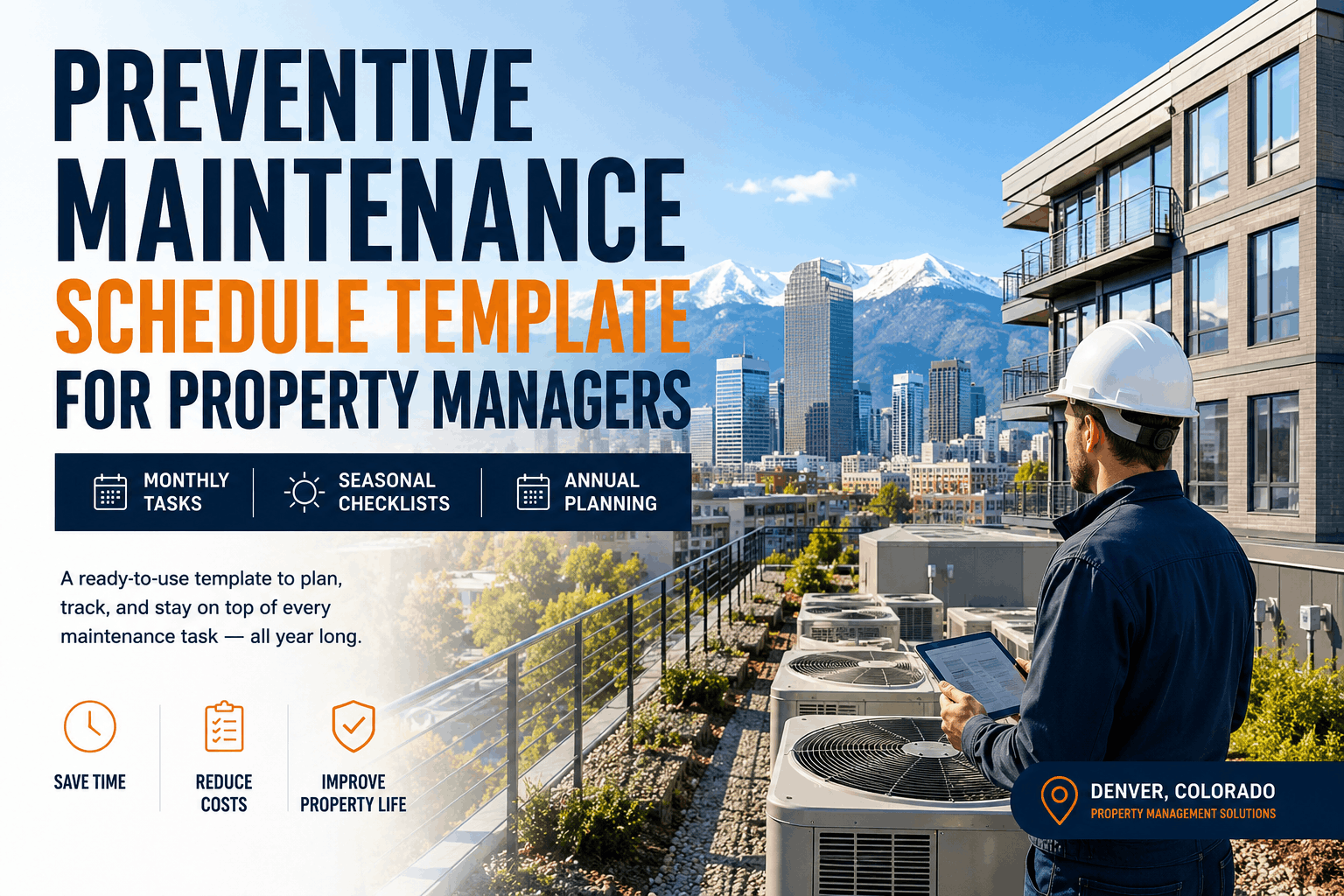
Effective preventive maintenance scheduling is the cornerstone of property management excellence. A well-structured preventive maintenance schedule template helps property managers systematically organize monthly PM tasks, quarterly maintenance checklists, and annual equipment inspections—eliminating costly emergency repairs and extending equipment lifespan by 20-40%. Whether you oversee residential buildings, commercial properties, or mixed-use facilities, leveraging a digital maintenance calendar template with your CMMS platform transforms reactive firefighting into proactive asset protection. Oxmaint's preventive maintenance software automates scheduling across all property systems, tracks compliance metrics, and generates real-time alerts when critical tasks are due—keeping your maintenance team synchronized and your properties operating at peak efficiency while reducing downtime by up to 45%.
Automate Your Preventive Maintenance Schedule in Oxmaint
Digital PM templates, auto-generated work orders, compliance tracking, and mobile field updates—all synchronized across your property portfolio.
1. Monthly Preventive Maintenance Task Schedule
Monthly PM tasks form the foundation of your maintenance calendar. These routine inspections prevent 60-70% of unexpected breakdowns and keep all building systems operating efficiently. Execute these monthly maintenance checklists on a consistent schedule using your CMMS platform's automated work order generation.
2. Quarterly Property Maintenance Deep Cleaning Checklist
Quarterly maintenance tasks target component-level inspections and deeper system assessments. These seasonal PM checklists catch degradation patterns before they escalate into costly failures. Structure quarterly property maintenance scheduling around seasonal transitions—spring/fall—to align with peak usage periods.
3. Annual Property Maintenance Inspection Checklist Framework
Annual property inspections represent your primary compliance window. Comprehensive annual maintenance checklists identify major system issues, regulatory violations, and capital repair needs before they become emergencies. Most industrial and commercial properties require third-party annual inspections for pressure vessels, safety systems, and structural components.
4. Property Maintenance Software Benefits & ROI Analysis
Implementing preventive maintenance management software delivers measurable returns within 6-12 months. Property managers using CMMS platforms report 45% reduction in emergency repairs, 35% lower maintenance costs, and 60% improvement in technician productivity through automated scheduling and real-time tracking.
| Maintenance Management Metric |
Manual Spreadsheet Approach |
Oxmaint CMMS Platform |
| Emergency Repair Frequency |
45-60% of annual maintenance |
10-15% (75% reduction) |
| Work Order Completion Rate |
60-70% on schedule |
92-98% compliance |
| Average Response Time |
3-5 days per request |
Same day (avg 4 hours) |
| Asset Data Accessibility |
Difficult search, siloed records |
Instant mobile access to full history |
Cost Savings (Annual)
Properties reduce emergency repair costs by $8,000-$25,000 annually through preventive scheduling and compliance automation.
Compliance Automation
Automated audit trails, certification tracking, and digital signatures eliminate regulatory audit failures and operational permit violations.
5. Seasonal Maintenance Calendar & Critical Timeline Overview
Seasonal maintenance planning aligns preventive tasks with weather cycles and occupancy patterns. Spring preparation focuses on cooling systems and exterior maintenance. Fall scheduling emphasizes heating system readiness and weatherization. Winter and summer protocols address extreme-weather equipment stress.
SPRING MAINTENANCE TASKS (MARCH–MAY)
Transition HVAC systems from heating to cooling mode. Service air conditioning units including refrigerant checks, condenser coil cleaning, and thermostat calibration. Inspect window caulking and door seals for water infiltration risks. Clean gutters and downspouts ahead of rainy season. Test landscape irrigation systems and outdoor lighting ahead of heavy usage.
SUMMER MAINTENANCE TASKS (JUNE–AUGUST)
Monitor HVAC system performance during peak cooling demand. Check refrigerant levels monthly during extreme heat periods. Inspect parking lot pavement for cracks under heat stress. Test emergency generators and backup power systems. Conduct electrical system thermal imaging to identify overloaded circuits before failure.
FALL MAINTENANCE TASKS (SEPTEMBER–NOVEMBER)
Transition HVAC to heating mode—furnace tune-ups, combustion analysis, safety control testing. Inspect chimney and venting systems before cold weather. Winterize irrigation systems and outdoor equipment. Complete roof inspections and repairs before winter weather. Drain and flush cooling towers before seasonal shutdown.
WINTER MAINTENANCE TASKS (DECEMBER–FEBRUARY)
Monitor heating systems under peak load. Test emergency power systems and transfer switches monthly. Inspect roof condition for ice dam formation. Maintain interior humidity control to prevent moisture-related damage. Service snow removal equipment quarterly and ensure de-icing chemical supplies are adequate.
Streamline Property Maintenance Scheduling Today
Stop managing PM schedules with spreadsheets. Oxmaint automatically generates work orders, tracks compliance, and delivers real-time completion reports across your property portfolio.
Frequently Asked Questions — Preventive Maintenance Schedule Template for Property Managers
What is the recommended frequency for preventive maintenance schedule templates across properties?
Most property managers implement monthly task checklists for routine items like filter changes and inspections, quarterly deep cleaning tasks, and annual third-party certifications. Digital CMMS platforms automate these intervals based on equipment type, age, and usage patterns.
How do CMMS platforms improve compliance with regulatory maintenance schedules?
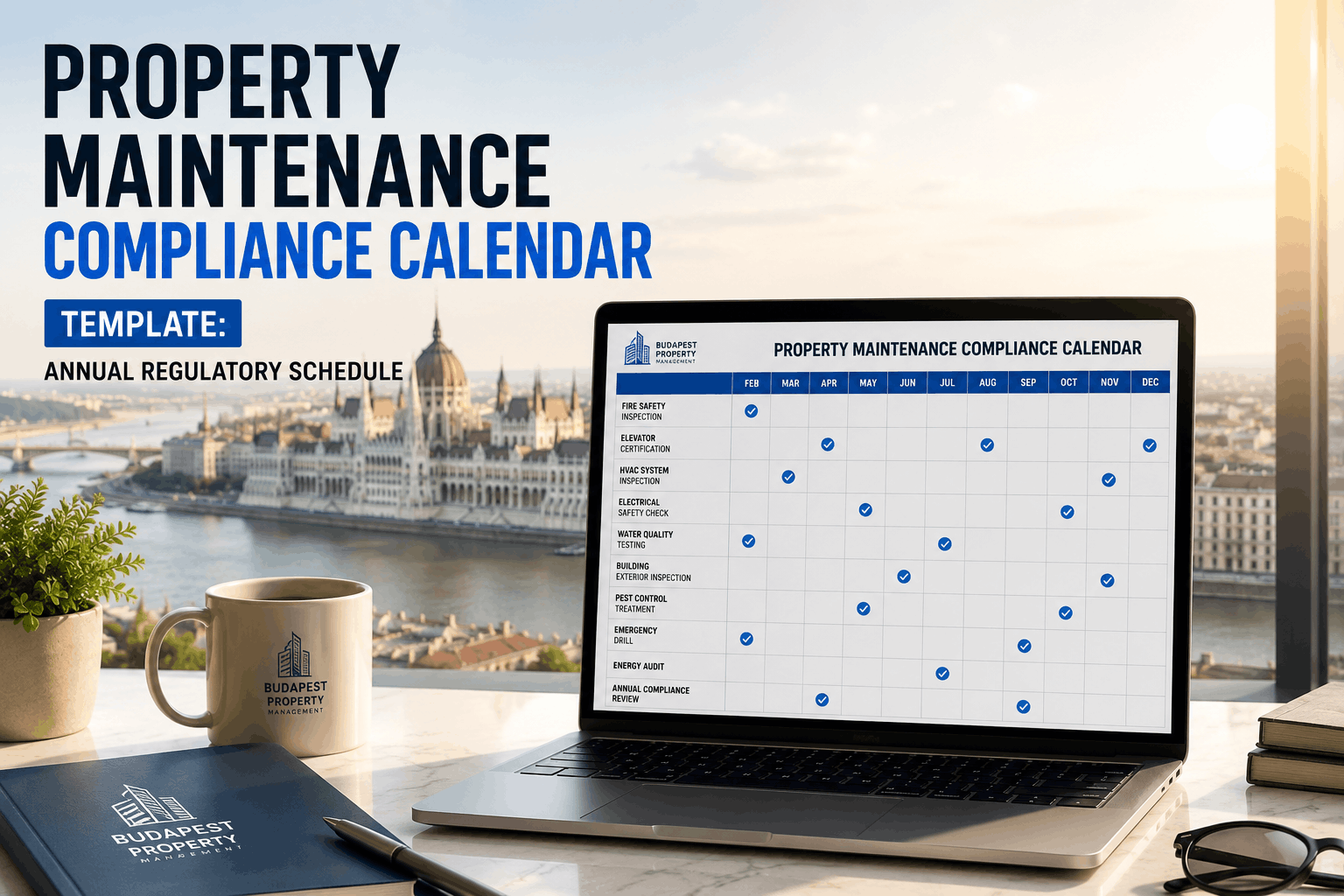
Automated compliance calendars ensure critical inspections never slip. Digital audit trails with timestamped signatures, photo evidence, and technician credentials demonstrate full regulatory compliance to building inspectors and insurance auditors without manual record assembly.
Can preventive maintenance templates be customized for different building types and equipment inventories?
Yes. Oxmaint's template library covers all building types—multifamily, commercial offices, industrial, healthcare, hospitality. Each asset type triggers equipment-specific PM tasks automatically based on manufacturer recommendations and building codes.
How much time can property managers save using automated PM scheduling software?
Automated scheduling eliminates 70-80% of manual planning overhead. Technicians spend 15-25% more time on productive maintenance and 80% less time searching for work orders, checklists, or equipment documentation through mobile app access.
What happens when emergency repairs are discovered during scheduled preventive maintenance?
Technicians immediately create emergency work orders within Oxmaint, route them to maintenance supervisors, and trigger escalation alerts. The system tracks emergency scope separately from planned work to quantify reactive maintenance costs and identify systemic reliability issues.
How do property managers prevent scope creep in preventive maintenance budgets?
Oxmaint's cost tracking compares planned vs. actual spending per work order and asset. Real-time budget dashboards reveal which equipment types generate unexpected costs, allowing managers to adjust PM strategies and reduce emergency repairs systematically.
What metrics should property managers track to measure PM program effectiveness?
Key metrics include PM compliance rate (tasks completed on time), mean time between failures (MTBF), work order backlog (should stay under 2 weeks), emergency repair percentage (target below 20%), and technician wrench time (productive vs. administrative hours). Oxmaint dashboards display all metrics in real time.
Transform Property Maintenance from Reactive to Proactive
Join thousands of property managers using Oxmaint's preventive maintenance platform to reduce emergency repairs by 75%, extend equipment life, and maintain regulatory compliance across every property.



.png)
