Commercial HVAC systems represent 40-50% of your building's total energy consumption, yet 70% of equipment failures are preventable through routine preventive maintenance. Without a structured quarterly and annual inspection program, property managers face unplanned equipment failures, skyrocketing energy bills, tenant complaints, and regulatory penalties. Oxmaint's digital HVAC maintenance checklist automates filter tracking, refrigerant monitoring, and compliance documentation — keeping your rooftop units, split systems, and chillers operating at peak efficiency year-round.
Automate Your HVAC Maintenance Schedule with Oxmaint
Monthly filter checks, quarterly component inspections, seasonal prep tasks — all auto-scheduled, mobile-friendly, and audit-ready. Reduce downtime. Cut energy costs. Stay compliant.
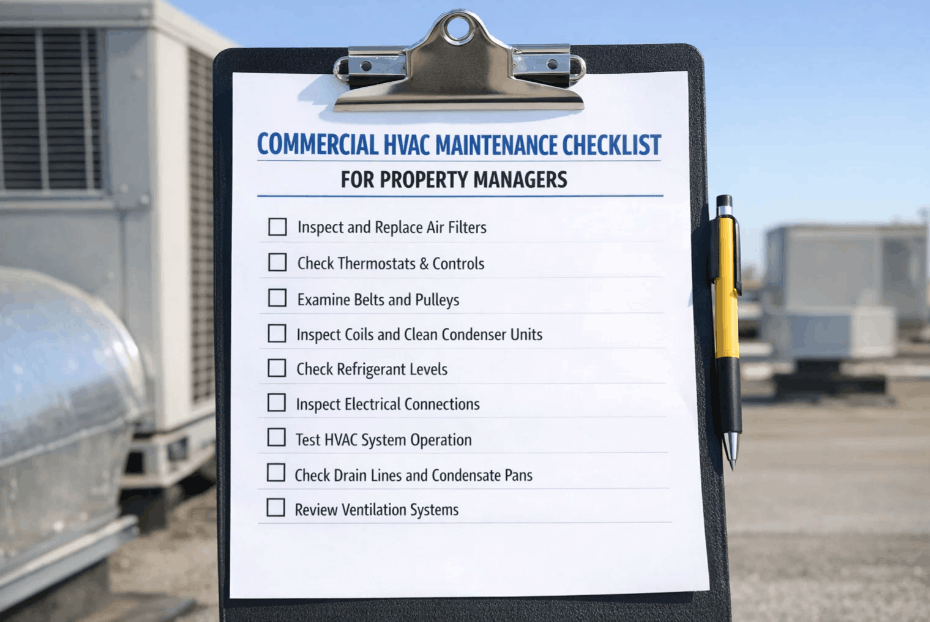
1. Monthly HVAC Inspection Tasks
Monthly checks catch early warning signs before they escalate into major system failures. These quick visual inspections are the foundation of preventive maintenance.
Energy Savings Impact
Buildings on monthly HVAC PM schedules reduce energy consumption by 5-20% annually. A 50,000 sq ft office building saves $18,000-$72,000 per year through preventive filter maintenance and thermostat optimization alone.
Time to Complete
Monthly visual inspections take 20-30 minutes per HVAC unit. With Oxmaint mobile app, technicians complete checklists without returning to the office, reducing administrative overhead by 40%.
2. Quarterly Component & Refrigerant Checks
Quarterly inspections focus on deeper component analysis — refrigerant levels, coil condition, and system pressures. These checks prevent mid-season failures and extend equipment lifespan by 6-10 years.
3. Seasonal Maintenance — Spring & Fall Preparation
Before peak heating and cooling seasons, systems must be conditioned to handle maximum load. Seasonal preparation prevents mid-season failures and ensures tenant comfort during weather extremes.
4. Annual Professional Inspection & Compliance Documentation
Annual inspections by certified HVAC technicians verify system integrity, update maintenance records, and ensure regulatory compliance. This documentation protects your building from insurance claims and code violations.
Organize Your Commercial HVAC Program in Oxmaint
Auto-scheduled maintenance tasks, real-time compliance tracking, EPA-ready documentation, and technician assignment — purpose-built for property managers managing HVAC portfolios.
5. HVAC Maintenance Cost-Benefit Analysis
Preventive maintenance ROI is measurable and compelling. Buildings with structured PM programs consistently outperform reactive-only operations in downtime, energy costs, and equipment lifespan.
Run-to-Failure Approach
Average Annual Emergency Calls: 18-24
Avg. Cost Per Emergency: $2,800-$6,500
Annual Emergency Total: $50,400-$156,000
Energy Waste: 25-35% above baseline
Equipment Lifespan: 8-10 years
Preventive Maintenance Schedule
Average Annual Emergency Calls: 3-5
Avg. Cost Per Emergency: $1,200-$2,800
Annual Emergency Total: $3,600-$14,000
Energy Waste: 5-10% above baseline
Equipment Lifespan: 15-20 years
Frequently Asked Questions — Commercial HVAC Maintenance Checklist
1. How often should commercial HVAC filters be replaced?
Replace MERV 8-11 filters monthly or every 3 months in standard environments. High-dust industrial or coastal properties need monthly replacement. Check filters visually every 2-3 weeks and replace when 25% covered with dust.
2. What is the typical cost of annual commercial HVAC maintenance?
Annual preventive maintenance typically costs $500-$1,500 per unit for professional service. Emergency repairs average $2,800-$6,500 per incident. Preventive PM pays for itself 3-5 times over in avoided emergency repairs and energy savings.
3. Can property managers perform quarterly HVAC checks themselves or do they need certified technicians?
Property managers can perform monthly visual inspections and filter changes. Refrigerant checks, coil cleaning, and electrical component testing require EPA-certified technicians. Annual professional inspections protect manufacturer warranties and ensure compliance documentation.
4. What happens if refrigerant levels are low in a commercial HVAC system?
Low refrigerant reduces cooling capacity by 10-25%, forces compressors to work 30-40% harder, and increases energy costs. Undetected leaks cause complete system failure within weeks. EPA regulations require documented leak detection and repair within 30 days of discovery.
5. How can property managers reduce HVAC energy consumption costs?
Clean filters monthly, calibrate thermostats quarterly, seal ductwork leaks, and perform seasonal preventive maintenance. These actions reduce energy consumption 5-20% annually. Smart thermostat scheduling and demand-controlled ventilation add another 10-15% savings.
6. What are the EPA compliance requirements for commercial HVAC maintenance?
The EPA Clean Air Act requires documented refrigerant service records showing leak checks, recharge amounts, and technician certification. Non-compliance carries fines up to $37,500 per violation. Records must be retained for 3 years and be available for inspection.
7. Should commercial property managers use a CMMS to track HVAC maintenance?
Yes — digital CMMS platforms like Oxmaint eliminate paper-based tracking gaps. Auto-scheduled work orders, mobile field updates, and timestamped photo documentation ensure compliance and provide auditable proof of maintenance for insurance and regulatory purposes.
8. What is the expected lifespan of a well-maintained commercial HVAC system?
Commercial HVAC systems with structured preventive maintenance last 15-20 years. Run-to-failure approaches result in 8-10 year lifespans. Extending equipment life by 5-10 years through PM often saves $50,000-$150,000 in premature replacement capital expenditures.
"Switching to Oxmaint's preventive maintenance platform reduced our emergency HVAC calls from 22 per year to 4. That alone saved us $89,000 annually in emergency service costs, plus our energy bills dropped 18% because systems were running at optimal efficiency. The EPA compliance documentation is now automatically generated with timestamped photos — we passed our last insurance audit without a single finding."
— Michael Chen, Property Manager, Portfolio of 12 Commercial Buildings (450,000 sq ft total), USA
Ready to Transform Your HVAC Maintenance Program?
Oxmaint automates filter scheduling, refrigerant tracking, seasonal prep checklists, and EPA compliance documentation — with mobile checklists that work offline and sync when you return to connectivity.



.png)
