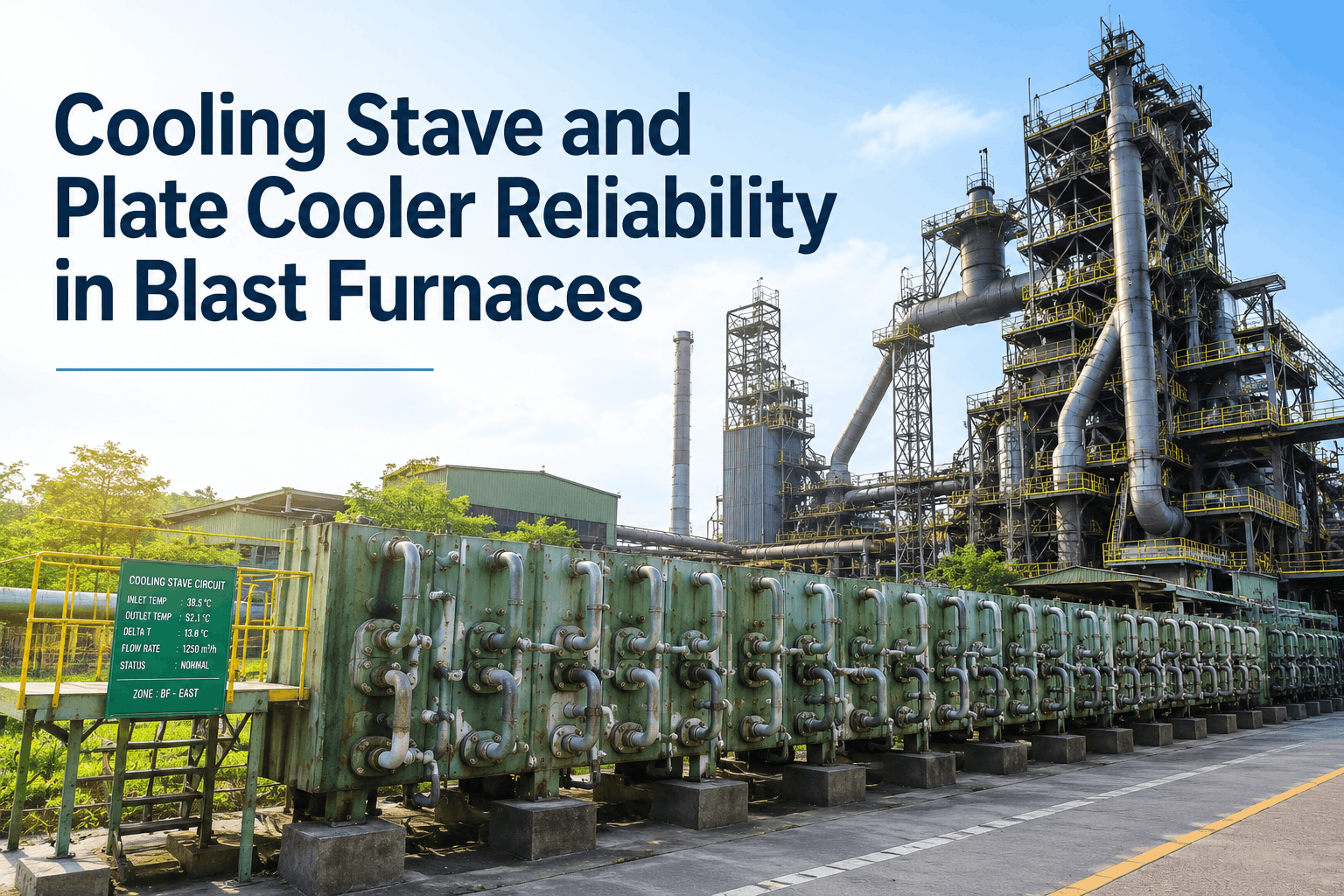
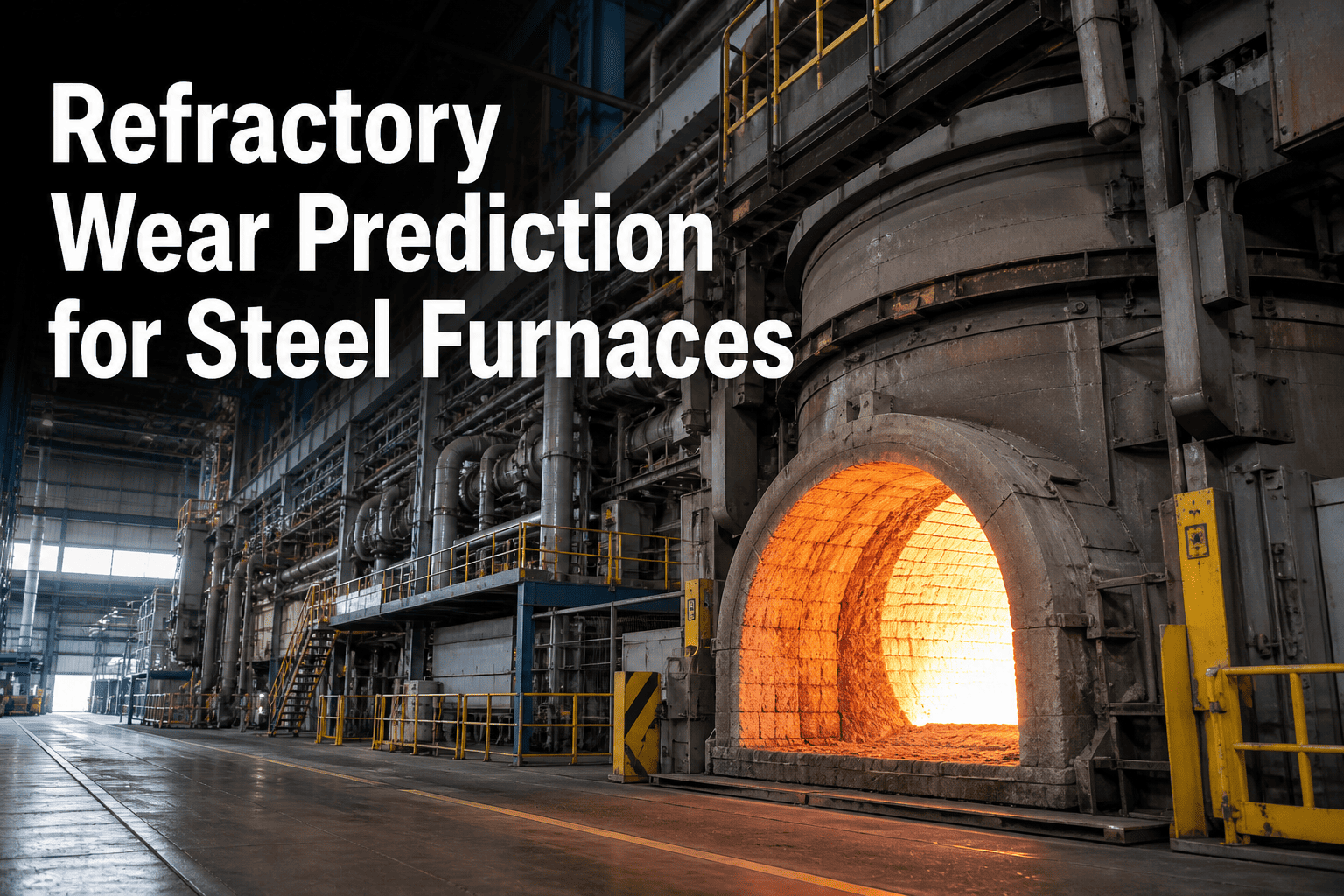
Blast furnace hearth and stave refractory wear is the single biggest constraint on campaign life. Deploying AI models to predict lining erosion enables proactive reline planning, extends campaign life by 18–36 months, and saves $15M–$40M per furnace. Plant operators with comprehensive CMMS documentation of refractory inspections, thermocouple data, and AI prediction outputs pay 15–25% lower insurance premiums than mills without structured records. Insurance underwriters view documented AI-based wear prediction, cooling monitoring, and inspection histories as evidence of a well-managed, lower-risk furnace — and they price accordingly. Beyond premiums, the speed of regulatory and claims resolution is directly tied to documentation quality: plants that can produce a complete refractory monitoring record within hours of a hot spot event resolve investigations faster with lower liability exposure. Start a free trial or book a demo to see how Oxmaint captures AI predictions and refractory records.
Your Refractory Records Are Your Safety & Financial Defense
When a hot spot escalates or a hearth breakthrough occurs, investigators subpoena every thermocouple reading, every inspection record, every AI prediction. Oxmaint captures and timestamp-links all refractory data — automatic. Start a free trial or book a demo.
6 Critical Refractory Zones Where AI Predicts Wear
Blast furnace refractory wear is not uniform. AI models trained on thermocouple arrays, stave cooling data, and shell temperature maps predict erosion in these six high-risk zones.
Hearth Carbon Brick (Taphole Area)
AI analyzes 50+ thermocouples around the hearth to detect hot metal penetration patterns, predicting residual refractory thickness with 92% accuracy up to 6 months ahead.
Ceramic Cup (Bottom Lining)
Machine learning on hot metal temperature, slag chemistry, and campaign age predicts ceramic cup erosion rate, triggering gunning schedules 90 days in advance.
Stave Cooling (Bosh & Lower Shaft)
AI detects cooling water flow/temperature deviations that indicate stave refractory loss. Predicts stave replacement needs 6+ months before shell overheating.
Tuyere & Blowpipe Area
Ensemble models combine thermal imaging, flame temperature, and refractory erosion data to predict tuyere failure 48–72 hours before hot metal breakthrough.
Belly & Lower Stack
Recurrent neural networks on burden descent, gas flow, and shell thermocouples predict abrasive wear and alkali attack patterns with 88% accuracy.
Coke Bed & Deadman
AI models using permeability indices and hearth drainage patterns predict deadman condition and its impact on refractory erosion and hot metal flow.
Refractory AI: Input Data, Models, and Outputs
Modern BF refractory AI platforms ingest data from multiple sources and generate actionable predictions that drive maintenance and reline decisions.
From Prediction to Action: Extending BF Campaign Life
AI predictions are only valuable when integrated with maintenance execution. This workflow shows how CMMS captures each step from thermocouple data to reline deferral.
Continuous Monitoring
Thermocouple arrays, stave cooling sensors, and shell scanners feed real-time data to AI models every 5 minutes — all stored in CMMS.
AI Wear Prediction
Models output residual thickness maps, hot spot probabilities, and recommended intervention dates — logged as CMMS inspection findings.
Work Order Generation
Auto-create corrective work orders for gunning, grouting, or stave cooling adjustments when AI confidence exceeds threshold.
PM Schedule Adjustment
Increase thermography frequency or cooling system inspections in high-wear zones based on AI trend data.
Reline Planning
Survival models predict optimal reline window. CMMS captures all refractory replacement records, costs, and supplier performance.
Campaign Documentation
Complete refractory history exported for insurance, legal, and next-campaign benchmarking — timestamped and auditable.
How Oxmaint Captures AI Refractory Predictions
Oxmaint integrates with thermocouple databases, AI model outputs, and inspection workflows to create a complete refractory wear record that supports campaign extension decisions. Start a free trial or book a demo.
Thermocouple Integration
Auto-ingest hearth & stave TC data hourly
AI Prediction Logging
Store every model output with confidence score
Reline Work Orders
Create maintenance tasks from AI thresholds
Campaign Dashboard
Visualize residual life vs. production targets
Financial Impact of AI Refractory Prediction
18–36 month campaign extension
30-day lead time, 94% precision
From proactive gunning & cooling repair
For documented refractory AI programs
“We deployed AI hearth wear prediction and integrated it with Oxmaint’s CMMS. The model gave us 8 months’ warning of accelerating erosion in hearth zone 3. We scheduled gunning and cooling repairs during a planned outage instead of facing a catastrophic breakout. We deferred our $42M reline by 22 months — a $28M net savings. And our insurer cut our property premium by 18% after reviewing our refractory documentation.”
— David Okonkwo, Senior Maintenance Manager, Great Lakes Blast Furnace Operations
Frequently Asked Questions — AI Refractory Prediction for Blast Furnaces
How accurate are AI models for blast furnace hearth wear prediction?+
What minimum data history is required to train a refractory AI model?+
Can Oxmaint store AI model outputs as legally defensible records?+
What is the typical cost of a full BF refractory AI deployment?+
How often should refractory thickness be physically verified vs. AI prediction?+
Can AI predict stave cooling failures before refractory loss?+
Does AI refractory prediction work for smaller (≤1000 m³) blast furnaces?+
How does Oxmaint integrate with existing BF thermocouple SCADA systems?+
Extend Your Blast Furnace Campaign Life with AI + Oxmaint
Every thermocouple reading, every AI prediction, every gunning repair record is not just data — it's the key to deferring a $40M reline and reducing insurance premiums. Oxmaint captures it all automatically.