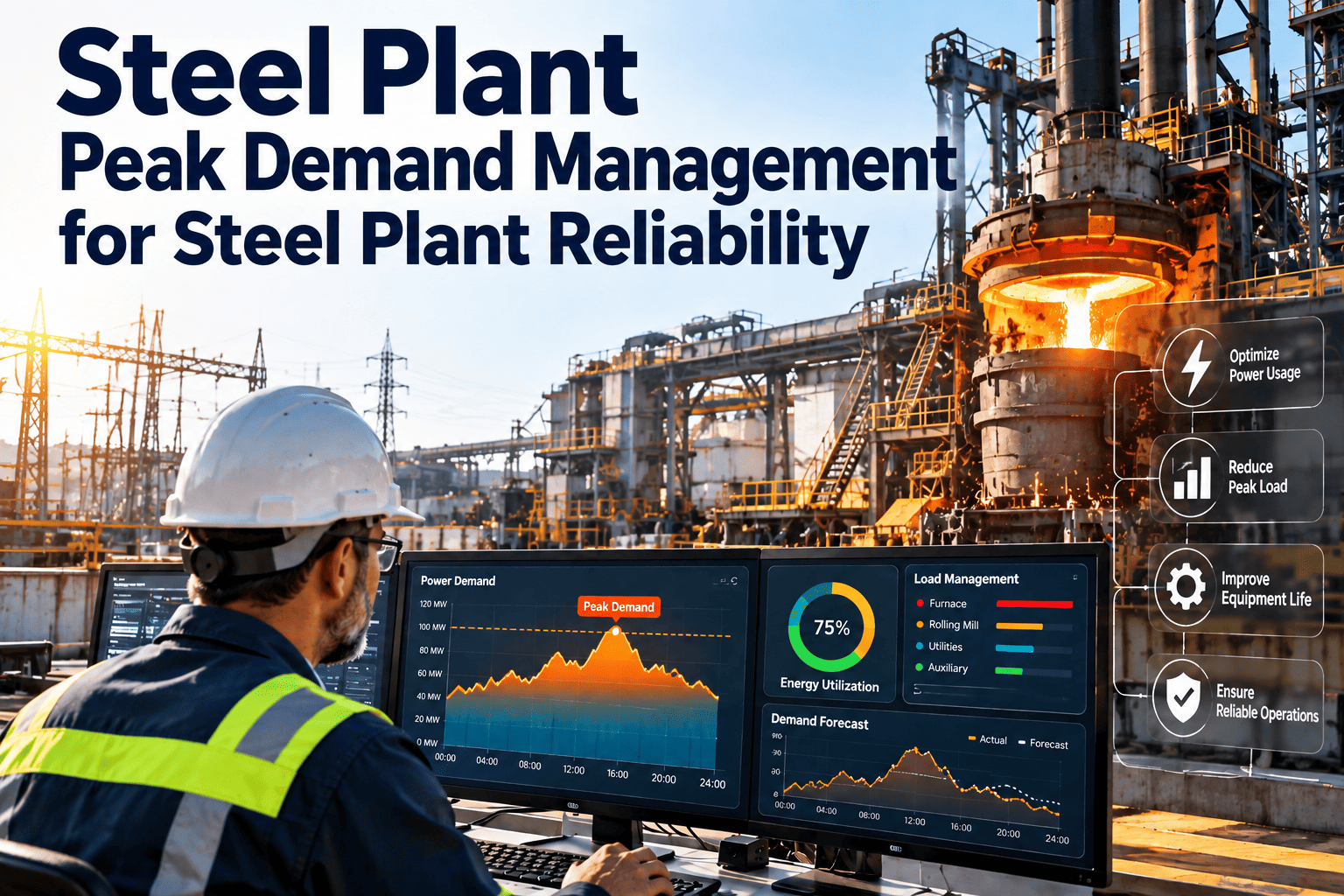
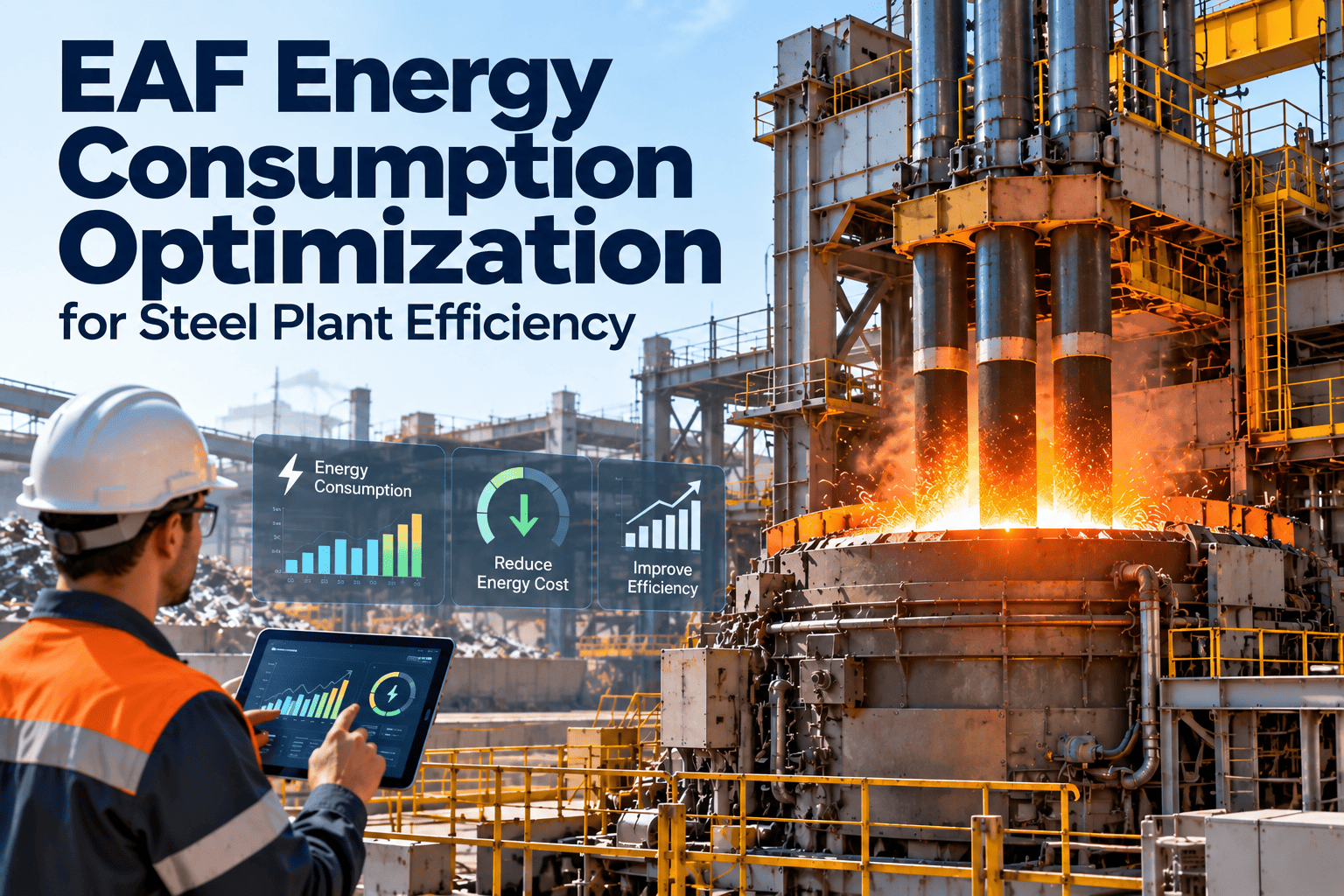
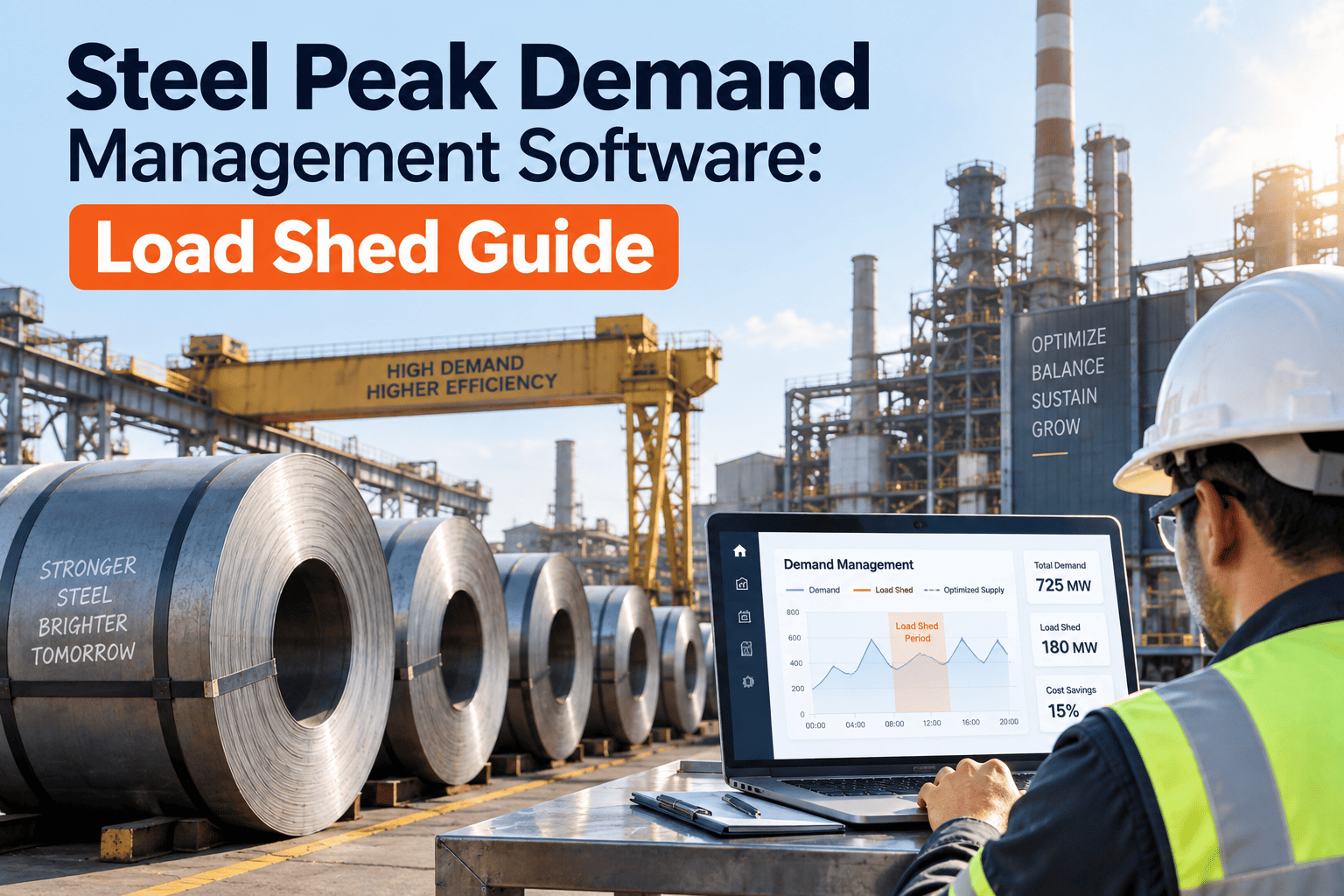
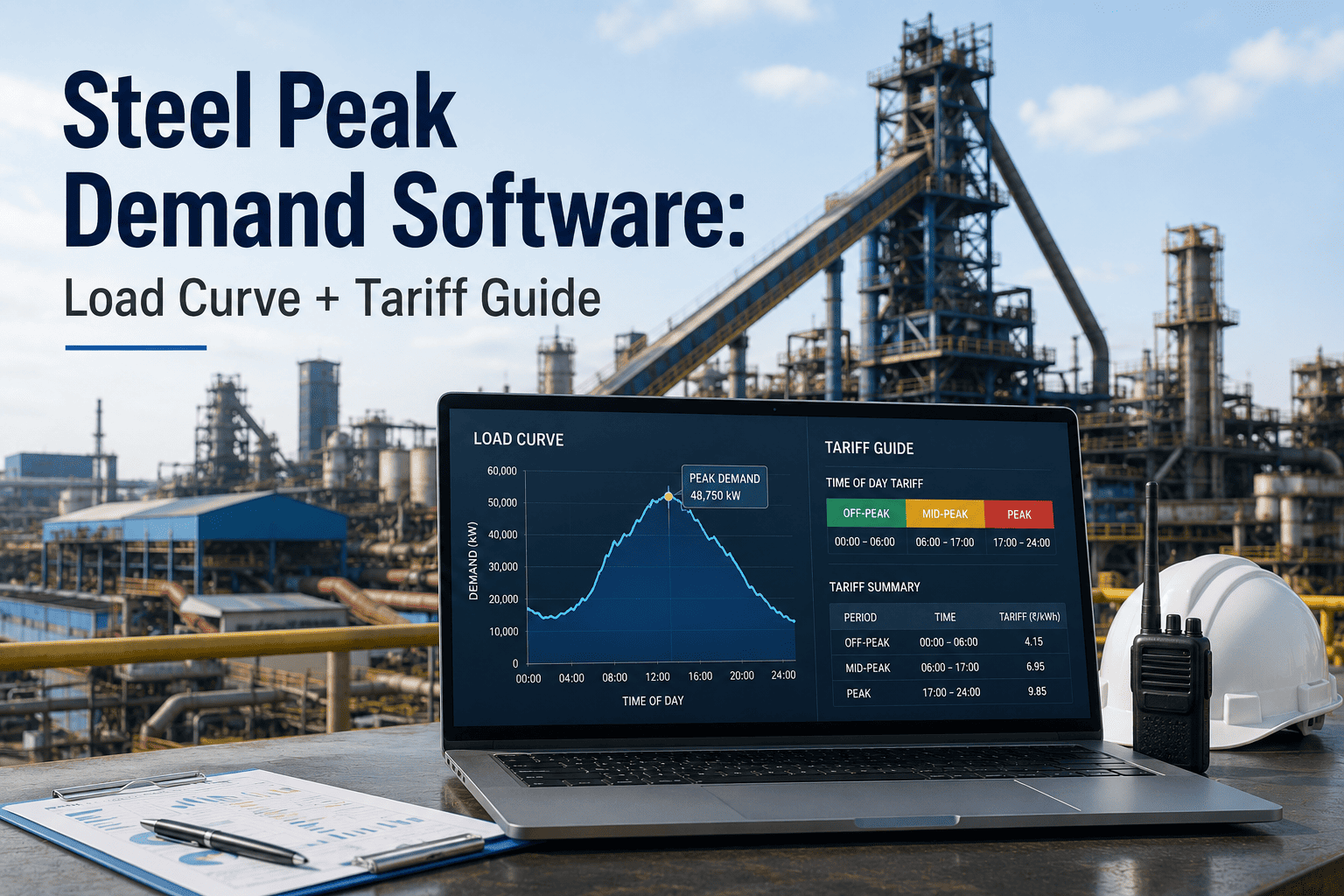
Peak demand charges can account for 30-70% of industrial electricity bills, yet most manufacturing and steel plants lack the real-time visibility needed to control these costs. Intelligent peak load management transforms how energy-intensive facilities approach power consumption, shifting from reactive bill-paying to proactive demand optimization. Book a demo to see how AI-powered load management can reduce your facility's peak demand charges.
Understanding Peak Demand in Industrial Operations
Peak demand represents the highest amount of electrical power your facility draws at any single moment during a billing period. Unlike base energy consumption measured in kilowatt-hours (kWh), peak demand is measured in kilowatts (kW) and can dramatically impact your electricity costs even if it occurs for just 15-30 minutes per month. Industrial manufacturers in the US and Canada consume approximately 27% of total electricity, making them prime candidates for demand management programs that benefit both the facility and the grid.
The relationship between base energy use and peak demand is similar to an odometer and speedometer in a vehicle. Your base consumption tracks total energy used over time, while peak demand captures your highest instantaneous power draw. Sign up for Oxmaint to gain real-time visibility into both metrics across your entire operation.
- Monthly utility bill analysis after the fact
- No real-time visibility into demand spikes
- Reactive response to peak charges
- Limited ability to participate in DR programs
- No correlation with production schedules
- Real-time demand monitoring and alerts
- Predictive peak forecasting
- Automated load shedding protocols
- DR program optimization and participation
- Production-aligned energy scheduling
Peak Load Management Strategies
Effective peak load management combines operational adjustments, technology deployment, and strategic program participation. The most successful facilities implement multiple strategies simultaneously, creating layers of protection against demand charges while maintaining production targets.
Move energy-intensive operations to off-peak hours when electricity rates are lower. This includes scheduling batch processes, charging equipment, and running auxiliary systems during nights or weekends.
Temporarily reduce or eliminate non-critical loads during peak demand periods. Automated demand response systems can shed loads based on pre-programmed policies without impacting production.
Prevent simultaneous startup of multiple high-draw equipment. Sequential starting of motors, furnaces, and compressors spreads demand over time, reducing peak by 10-20%.
Battery energy storage systems (BESS) store electricity during off-peak hours for use during peak periods. Thermal storage solutions pre-cool or pre-heat systems before demand windows.
Deploy backup generators or combined heat and power (CHP) systems to reduce grid dependency during peak periods. Steel mills utilize blast furnace gas for internal generation.
Participate in utility DR programs for financial incentives. California, Massachusetts, and Ontario offer the most favorable markets with $500K-1M annual earnings potential.
Industry Applications
Different industrial sectors face unique peak load challenges based on their equipment profiles, production schedules, and operational constraints. Understanding these sector-specific requirements enables targeted optimization strategies.
| Industry | Peak Demand Drivers | Management Opportunities |
|---|---|---|
| Steel & Metals | Electric arc furnaces, rolling mills, reheating furnaces | Furnace scheduling, blast furnace gas generation, interruptible load programs |
| Cement & Glass | Kilns, grinding mills, material handling | Thermal inertia utilization, grinding schedule optimization, kiln preheat timing |
| Automotive | Paint shops, welding lines, HVAC systems | Production shift scheduling, paint booth pre-conditioning, lighting automation |
| Food Processing | Refrigeration, ovens, sterilization equipment | Cold storage pre-cooling, batch scheduling, thermal mass optimization |
| Mining | Crushing, grinding, material transport | Processing schedule optimization, conveyor load management, ventilation control |
Technology Requirements
Implementing intelligent peak load management requires integration of monitoring systems, analytics platforms, and control capabilities. The technology stack enables real-time visibility, predictive forecasting, and automated response to demand events.
ROI and Savings Potential
The financial benefits of peak load management extend beyond simple demand charge reduction. Facilities implementing comprehensive programs realize value through multiple channels including utility savings, DR program revenue, and operational efficiency gains.
Implementation Roadmap
Deploying peak load management capabilities follows a structured approach that builds from assessment through full optimization. Most facilities achieve meaningful results within the first 90 days.