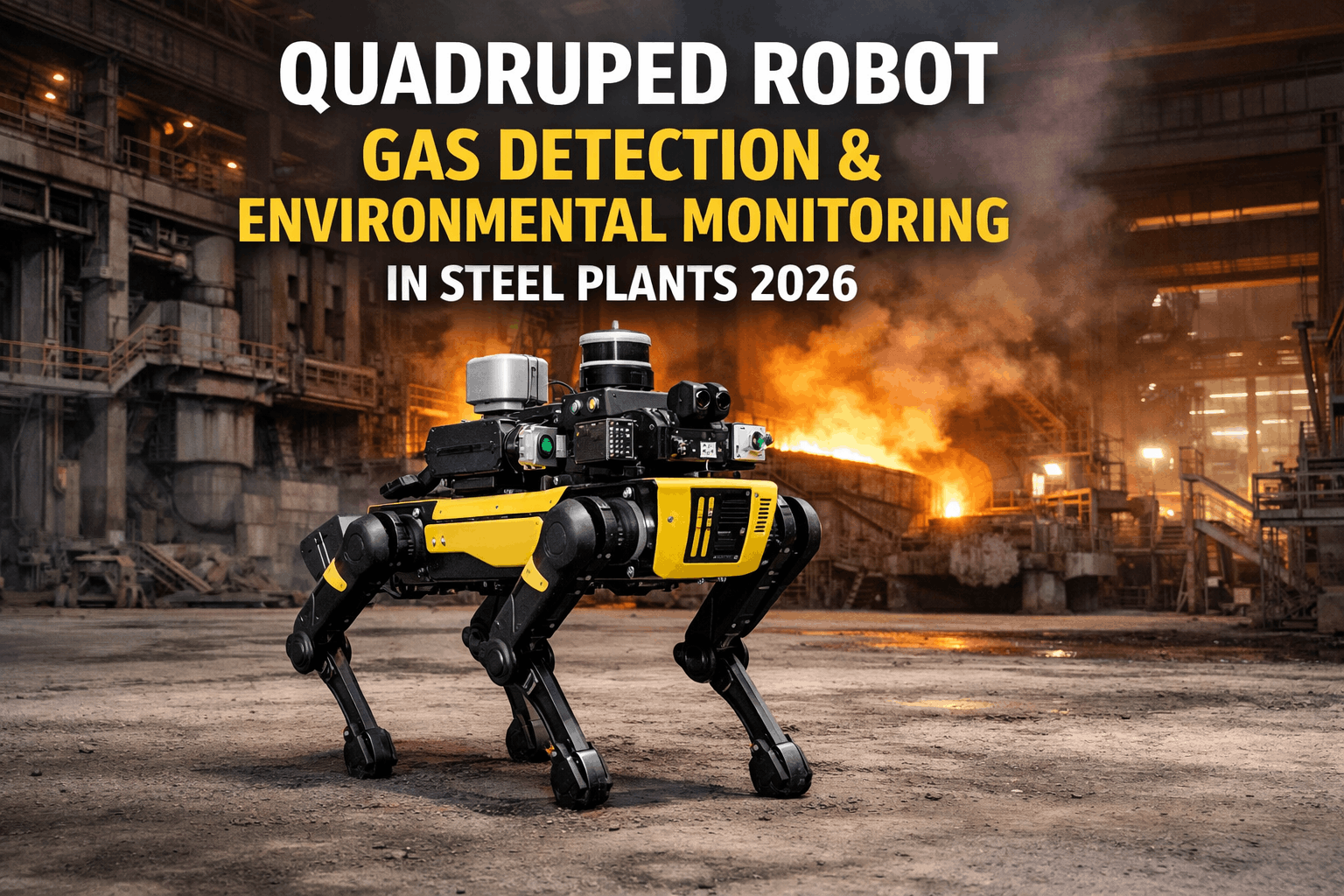
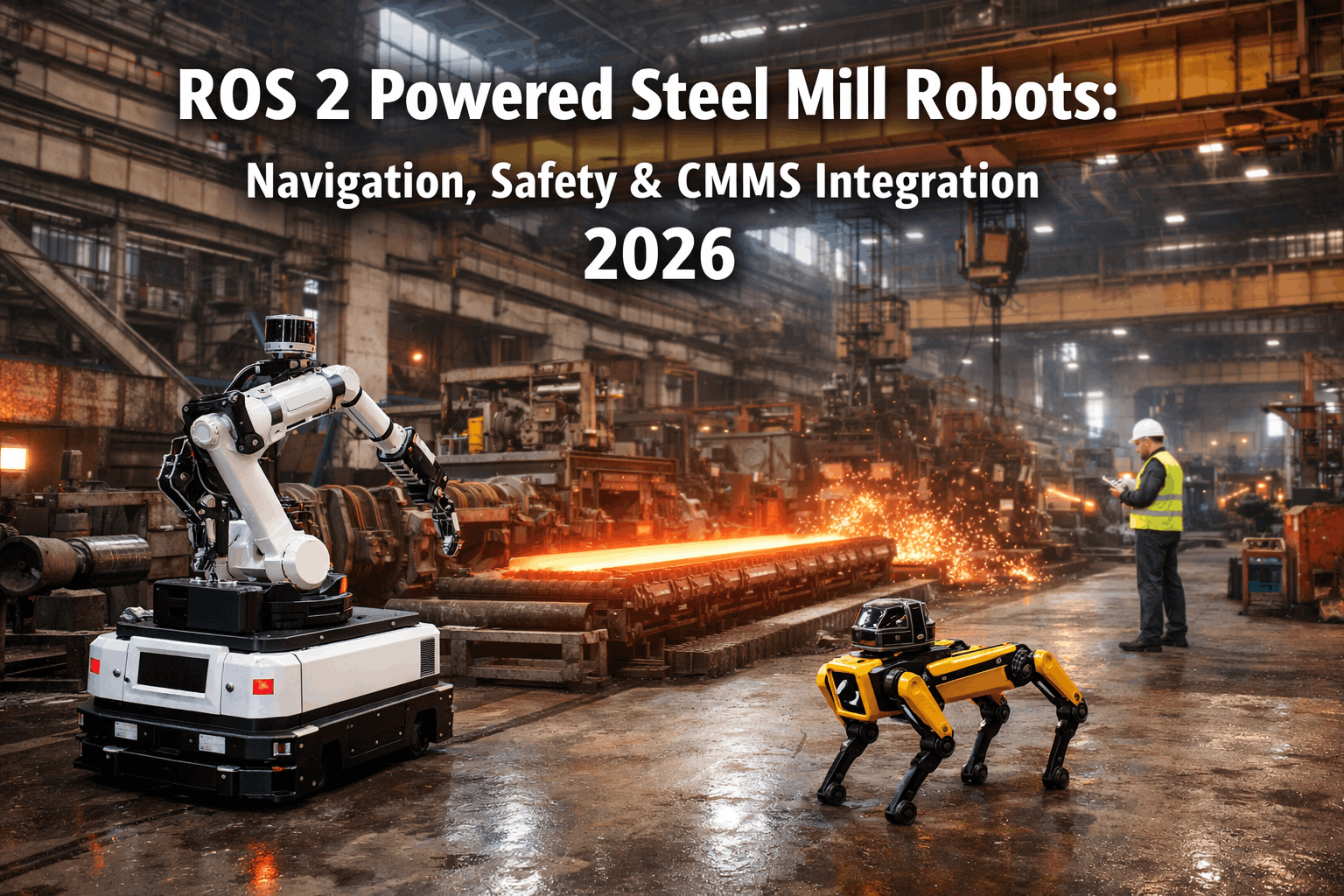
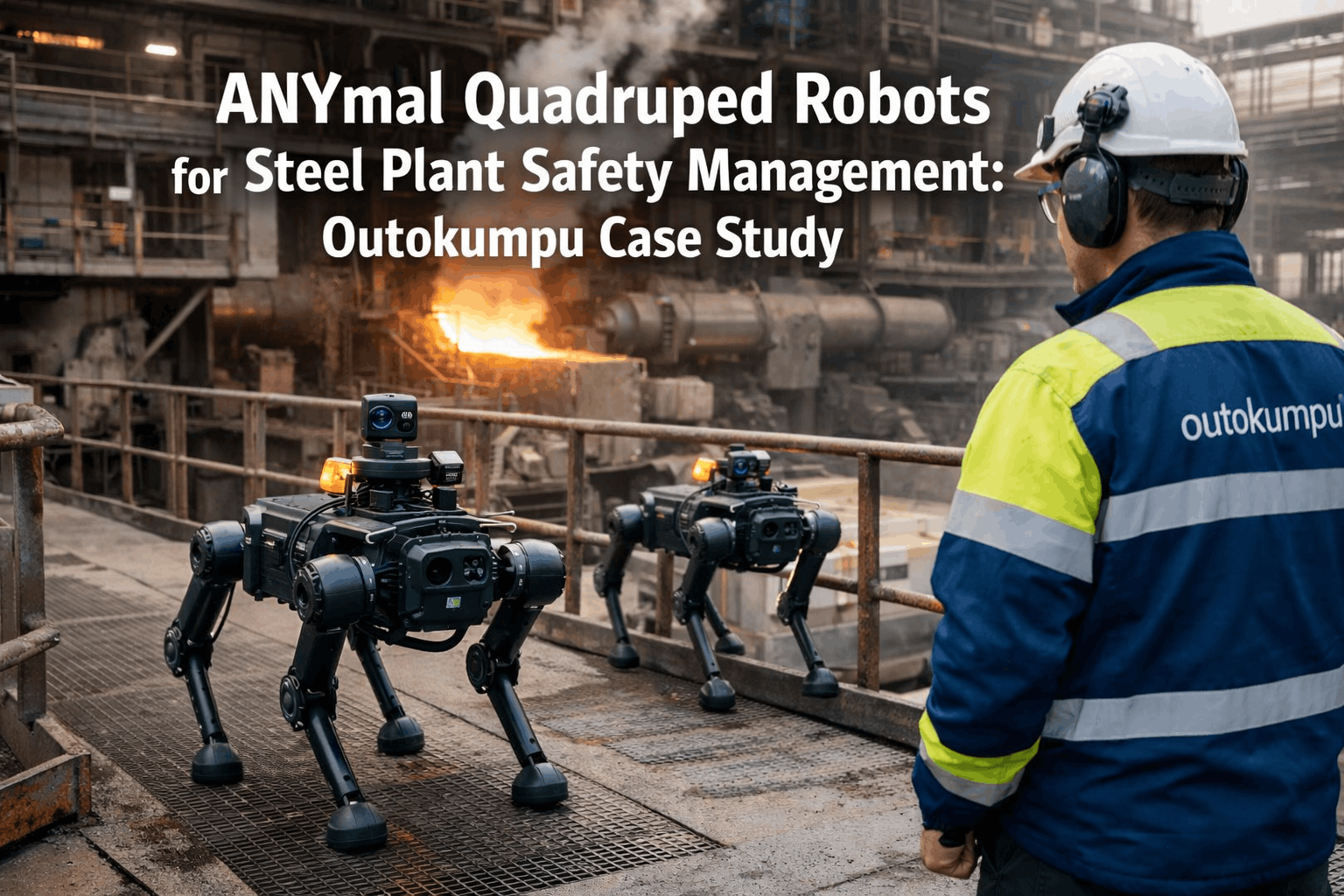
The coke oven battery at Vostok Steel's Magnitogorsk complex had 67 ovens running continuous carbonization cycles. Between the ovens and the quench tower sat a 400-meter corridor of gas mains, bleeder stacks, ascension pipes, and flushing liquor lines — all carrying coke oven gas at 1,100°F containing hydrogen, methane, carbon monoxide, hydrogen sulfide, ammonia, and benzene. In August 2025, a gasket on a flushing liquor standpipe began seeping hydrogen sulfide at concentrations below the fixed detector threshold — 7 ppm against a 10 ppm alarm setpoint. The fixed detector was mounted 12 feet above ground level. The H₂S pooled at grade level along a 90-meter stretch of the corridor where maintenance crews walked daily. For 23 days, technicians entering the corridor for valve inspections, pipe fitting checks, and instrumentation calibrations inhaled H₂S at 7-9 ppm — below alarm, above the 8-hour TWA exposure limit of 1 ppm recommended by ACGIH. Three workers reported persistent headaches and nausea. One was hospitalized for 4 days with acute respiratory irritation. OSHA issued citations totaling $287,000. The plant's workers' compensation carrier flagged the incident, triggering a $145,000 annual premium increase. The gasket replacement cost $420. The standpipe repair and decontamination cost $18,000. Lost production during the investigation shutdown: $560,000. Medical costs and lost time: $89,000. Legal and regulatory response: $134,000. Total: $1,233,420. From a $420 gasket leaking a gas that pooled 12 feet below the nearest detector. In October, the plant deployed four quadruped robots with multi-gas detection arrays mounted at 28 inches — breathing zone height. On their first corridor patrol, the robots identified two additional sub-threshold leaks that fixed detectors had never registered. Book a demo to see how quadruped robots detect what fixed gas monitors miss.
Steel plants operate in some of the most hazardous atmospheric environments in industry. Coke oven gas contains lethal concentrations of carbon monoxide and hydrogen sulfide. Blast furnace gas carries CO at 20-30% by volume. Basic oxygen furnace off-gas streams include CO, CO₂, and heavy metal particulates. Melt shop operations release metal fumes, ozone, and nitrogen oxides. Rolling mills generate oil mist, hydraulic fluid vapors, and combustion byproducts. Fixed gas detection systems — the industry standard — monitor specific points at fixed heights. They do not move. They do not follow gas plumes. They do not detect pooling at grade level, stratification in confined corridors, or fugitive emissions from sources between detector locations. Quadruped robots with multi-gas sensor arrays change this equation entirely. They walk through every corridor, every basement, every space between fixed detectors, sampling air at breathing zone height along programmable patrol routes. Connected to a CMMS, every gas reading becomes a timestamped, geolocated record that feeds environmental compliance documentation, exposure tracking, and automated maintenance work orders for the leak sources they find. This guide covers how quadruped robot gas detection works in steel plant environments, what it finds that fixed systems cannot, and why the plants deploying mobile gas detection are eliminating the exposure incidents and regulatory penalties that have defined this industry for decades.
$1.2M+
Total cost of a single sub-threshold gas exposure incident including OSHA fines and lost production
28 in
Robot sensor height — breathing zone level where gas exposure actually occurs
6-8
Gas species simultaneously monitored per patrol: CO, H₂S, CH₄, O₂, NO₂, SO₂, VOCs, NH₃
94%
Reduction in undetected fugitive emission events at plants using mobile robotic gas detection
Why Fixed Gas Detection Is Not Enough
Fixed gas detectors are essential — but they are stationary sentinels guarding specific points. Steel plant atmospheric hazards are dynamic, migrating, and stratified. A fixed detector mounted at 12 feet cannot detect hydrogen sulfide pooling at 2 feet. A sensor on the east wall of a coke oven corridor cannot detect a fugitive CO leak from an ascension pipe 60 meters west. The gaps between fixed detectors are where exposure incidents happen.
Vertical Stratification
Gases stratify by density. H₂S (heavier than air) pools at grade level. CO (slightly lighter) distributes at mid-height. Methane and hydrogen rise to ceiling level. Fixed detectors at a single height miss the layers above and below them. Quadruped robots sample at 28 inches — the actual breathing zone — and can be programmed to pause at known pooling locations for extended sampling.
Spatial Gaps Between Detectors
Fixed detector spacing in steel plants typically ranges from 15-30 meters depending on area classification. Fugitive leaks from gaskets, flanges, valve packing, and pipe fittings between detector locations create exposure pockets that never trigger alarms. The robot walks the entire distance between every fixed detector, sampling continuously along the path.
Confined & Semi-Confined Spaces
Pipe galleries, cable tunnels, pump basements, and the spaces beneath caster segments where gas accumulates but fixed detectors are rarely installed due to access limitations and harsh conditions. Quadruped robots enter these spaces on schedule, providing atmospheric data from areas that were previously monitored only during permit-required entries.
Wind and Ventilation Effects
Natural ventilation and wind patterns shift gas plumes throughout the day. A fixed detector in the plume path at 8 AM may be upwind by noon. Robotic patrols capture spatial gas distribution across the entire facility at each patrol time, building a dynamic atmospheric map that reveals how plume patterns change with conditions.
Process Transient Emissions
Furnace tapping, ladle transfers, coke pushing, and quenching operations create transient emission spikes that may last only 2-15 minutes. Fixed detectors at adjacent locations may register slight elevations. A robot patrolling during these operations captures the full spatial extent and peak concentration of each transient event for exposure documentation.
What the Robot Detects Across Your Plant
The quadruped's multi-gas sensor array monitors 6-8 species simultaneously while thermal and HD cameras identify the physical source of each detected emission. Every reading is GPS-tagged, timestamped, and automatically classified by the AI for severity and source type.
| Gas / Hazard | Plant Source | Detection Method | Consequence if Undetected |
| Carbon Monoxide (CO) |
Blast furnace gas, BOF off-gas, coke oven leaks, ladle preheaters |
Electrochemical sensor + thermal source imaging |
Fatal at 1,200 ppm; chronic exposure at 25+ ppm; OSHA PEL 50 ppm TWA |
| Hydrogen Sulfide (H₂S) |
Coke oven gas, desulfurization systems, wastewater treatment |
Electrochemical sensor + plume mapping |
Immediately dangerous at 100 ppm; olfactory fatigue at 100+ ppm; OSHA PEL 10 ppm ceiling |
| Methane (CH₄) |
Coke oven gas leaks, natural gas supply, coal storage areas |
Catalytic bead / infrared sensor |
Explosive at 5-15% LEL; $500K-$5M per explosion event plus fatalities |
| Sulfur Dioxide (SO₂) |
Sinter plant, coke oven emissions, desulfurization off-gas |
Electrochemical sensor |
Respiratory damage; EPA NAAQS violations; $50K-$500K per regulatory action |
| Volatile Organic Compounds |
Coke oven byproducts (benzene, toluene, xylene), rolling mill lubricants |
PID (Photoionization Detector) |
Carcinogenic exposure (benzene); OSHA PEL 1 ppm benzene; $100K-$2M in health claims |
| Oxygen Deficiency |
Nitrogen-purged vessels, argon blanketing zones, confined spaces |
Paramagnetic / electrochemical O₂ sensor |
Unconsciousness below 16% O₂; fatal below 10%; zero warning to workers |
| Nitrogen Dioxide (NO₂) |
EAF operations, cutting/welding fumes, combustion processes |
Electrochemical sensor |
Pulmonary edema risk; delayed onset symptoms; OSHA ceiling 5 ppm |
| Ammonia (NH₃) |
Coke oven byproduct recovery, SCR systems, refrigeration leaks |
Electrochemical sensor |
Severe respiratory burns at 300+ ppm; OSHA PEL 50 ppm TWA; community impact |
Vostok Steel's $1.23 million incident started with H₂S at 7 ppm pooling 12 feet below the fixed detector. A robot sampling at 28 inches would have flagged it in the first patrol. Sign up free to connect robotic gas detection findings to automated maintenance and compliance workflows.
Your Fixed Detectors See Points. The Robot Sees the Entire Atmospheric Picture.
Between every pair of fixed gas detectors is a space where fugitive emissions go undetected. Below every ceiling-mounted sensor is a breathing zone that has never been sampled. A quadruped robot walks through every corridor, every gallery, every confined space — sampling at the height your workers breathe — and feeds every reading directly into your CMMS for work orders and compliance records.
How Robotic Gas Mapping Works: The Patrol-to-Action Loop
Mobile gas detection is not just sampling — it is spatial atmospheric intelligence. Each patrol builds a 3D gas concentration map of your plant that evolves over time, revealing patterns invisible to fixed-point monitoring.
01
Programmed Patrol Routes
Robots follow GPS-tagged routes through coke oven corridors, blast furnace casthouse areas, melt shop perimeters, gas holder surrounds, and byproduct recovery areas. Routes are designed to cover every gap between fixed detectors and every known gas pooling location. Patrol frequency: 2-4 times per shift for high-risk areas; daily for moderate-risk zones.
02
Continuous Multi-Gas Sampling
The sensor array samples all gas species simultaneously at 1-second intervals as the robot moves. Each reading is tagged with GPS coordinates, timestamp, ambient temperature, humidity, and wind direction. The robot pauses at pre-programmed waypoints — valve manifolds, flange connections, known leak-prone joints — for 30-60 second extended sampling to capture low-level fugitive emissions.
03
AI Classification & Source Identification
Onboard AI correlates gas concentration spikes with thermal camera imagery to identify the physical emission source — a leaking gasket, a corroded pipe fitting, a failing valve packing, or a process vent malfunction. The system classifies each detection by gas species, concentration relative to PEL/STEL/IDLH thresholds, spatial extent, and likely source component.
04
CMMS Work Order & Compliance Record
Every detection above configurable thresholds automatically generates a work order in the CMMS with the source location, gas species, peak concentration, thermal image of the source, and recommended repair action. Simultaneously, the reading feeds into the plant's environmental compliance database for EPA reporting, OSHA exposure documentation, and community air quality records. One patrol generates both the maintenance action and the regulatory documentation.
Spatial Gas Mapping: What Fixed Detectors Never Show You
Over weeks of patrols, the robot builds a comprehensive atmospheric map of your plant — a living document that reveals patterns invisible to fixed-point monitoring.
| Mapping Capability | What It Reveals | Fixed Detection Equivalent | Operational Value |
| Concentration Heat Maps |
Spatial distribution of each gas species across the plant at each patrol time |
No equivalent — fixed detectors provide single-point readings only |
Identifies chronic low-level exposure zones; optimizes ventilation placement |
| Temporal Trending |
How gas patterns change by shift, season, production rate, and weather |
Time-series at fixed points; no spatial correlation |
Predicts high-exposure windows; adjusts work schedules around peak emission periods |
| Plume Tracking |
Direction, dispersion, and extent of gas plumes from identified sources |
Alarm at detector location only; no plume shape or extent data |
Defines safe access corridors; establishes evacuation zone boundaries with data |
| Leak Rate Estimation |
Estimated emission rate from identified sources based on spatial concentration gradients |
Binary detection only (above/below threshold) |
Prioritizes repairs by actual emission severity; supports EPA Method 21 equivalency |
| Cumulative Exposure Modeling |
Estimated TWA exposure for workers in specific zones based on actual atmospheric data |
Personal monitor data (reactive, not predictive) |
Proactive exposure management; eliminates reliance on personal monitors alone |
Fixed Detectors vs. Robotic Gas Detection: Steel Plant Comparison
Fixed Gas DetectionQuadruped Robot + CMMS
Coverage Area
Point monitoring at 15-30m spacing; 70-85% of plant area unmonitored between sensors
Continuous sampling along entire patrol route; 95%+ spatial coverage per patrol cycle
Detection Height
Mounted at fixed height (typically 8-15 ft); misses gas stratification at breathing zone
Sensors at 28 inches (breathing zone); detects pooling, stratification, and ground-level accumulation
Fugitive Emissions
Detects only leaks near sensor locations; sub-threshold leaks between sensors go undetected
Identifies fugitive emissions from any source along patrol route; thermal imaging pinpoints exact source
Compliance Data
Point readings logged to historian; manual reporting for EPA and OSHA; audit preparation takes days
Spatial gas maps auto-fed to compliance database; audit-ready reports generated per patrol; real-time EPA data
Maintenance Trigger
Alarm triggers investigation; source identification requires manual leak survey (LDAR technician)
Detection + source identification + work order generated in single patrol; no separate LDAR survey needed
Annual Cost (Integrated Plant)
$480,000 (fixed detectors + LDAR program + manual surveys + exposure incidents + regulatory penalties)
$195,000 (robot fleet + CMMS + automated compliance + planned repairs from detection data)
Fixed detectors remain essential as continuous alarm systems. Robotic gas detection fills the 70-85% coverage gap that fixed systems leave — the space where every major exposure incident in this industry originates. Book a demo to see robotic gas mapping overlaid on your plant layout.
ROI: Integrated Steel Plant Gas Detection Program
Avoided OSHA citations and regulatory penalties$310,000
Eliminated exposure-related medical costs, lost time, and compensation claims$245,000
Reduced LDAR program costs through automated fugitive emission detection$128,000
Avoided production shutdowns from gas-related safety incidents$680,000
Insurance premium stabilization (documented continuous monitoring program)$165,000
Early leak detection preventing escalation to major emission events$220,000
Total Annual Savings$1,748,000
Program Cost (robot fleet + sensors + CMMS + compliance integration)$195,000
Net Annual Benefit$1,553,000
$1.55 Million in Net Annual Savings. Continuous Coverage. Zero Exposure Gaps.
One sub-threshold H₂S leak cost Vostok Steel $1.23 million. The gasket replacement cost $420. The difference is detection. Oxmaint connects every robotic gas detection reading to automated work orders for the source, compliance records for the regulator, and exposure documentation for your EHS team — from a single patrol that runs while your fixed detectors keep watching their one point in space.
Frequently Asked Questions
Does robotic gas detection replace our fixed gas detection system?
No. Fixed gas detectors remain essential as continuous, 24/7 alarm systems at critical monitoring points. Robotic gas detection is complementary — it fills the spatial gaps between fixed detectors, samples at breathing zone height, and identifies fugitive emission sources that fixed systems cannot locate. The robot patrols 2-4 times per shift in high-risk areas. Between patrols, fixed detectors provide continuous coverage at their installed locations. Together, they create a layered detection system with no blind spots.
Book a demo to see how the two systems integrate.
How do the robot's gas sensors handle the extreme conditions in a steel plant?
The sensor array is housed in a temperature-controlled, filtered enclosure with active sample draw. Particulate pre-filters prevent dust and scale contamination. The enclosure maintains sensor operating temperature within specification even when ambient conditions reach 180°F. Sensor calibration is verified automatically against onboard reference gas cells before each patrol. Sensors that drift beyond calibration tolerance are flagged in the CMMS for replacement. Expected sensor life in steel plant environments is 12-18 months for electrochemical cells and 24-36 months for infrared and catalytic bead sensors.
Can the robot detect leaks during active production operations?
Yes — this is one of the primary advantages. The robot patrols during full production, capturing atmospheric conditions as they actually exist when workers are present. The AI distinguishes between normal process emissions (such as transient CO spikes during tapping) and abnormal fugitive leaks by correlating gas readings with production schedule data, historical baseline patterns, and thermal source imaging. Process transient emissions are documented for exposure records. Fugitive emissions trigger maintenance work orders. Both feed the compliance database automatically.
Sign up free to see production-correlated gas detection in action.
How does this support EPA and OSHA compliance requirements?
Every patrol generates timestamped, geolocated gas concentration records that feed directly into your compliance management system. For EPA: the spatial gas mapping data supports LDAR program requirements, fugitive emission quantification, and community air quality boundary monitoring. For OSHA: breathing zone concentration data provides documented exposure assessment for workers in each plant zone, supporting PEL compliance demonstration and exposure reduction documentation. The CMMS maintains complete audit trails — from detection through work order through source repair through verification re-patrol — providing end-to-end compliance evidence that manual LDAR programs cannot match.
What happens when the robot detects a dangerous gas concentration?
The response is tiered by severity. Below action level: reading logged for trending and baseline building. Above action level but below STEL: CMMS generates a scheduled maintenance work order for source investigation. Above STEL: immediate alert sent to the control room, EHS team, and area supervisor with exact location, gas species, concentration, and recommended action. Above IDLH: emergency alert triggers plant alarm protocol with automated evacuation zone recommendation based on plume mapping data. All tier responses occur within seconds of detection — no human interpretation delay.
Between Every Pair of Fixed Detectors Is a Space Where Your Workers Breathe Unmonitored Air. The Robot Changes That Today.
Vostok Steel's three workers inhaled hydrogen sulfide for 23 days while a fixed detector 12 feet above registered nothing. Your coke oven corridors, your blast furnace casthouses, your gas holder perimeters, your melt shop basements — they all have the same gaps right now. A quadruped robot walks through every one of them at breathing zone height, maps every gas concentration, identifies every leak source, and generates work orders and compliance records before it returns to its charging dock. The demo takes 30 minutes. The first patrol usually finds what your fixed detectors have been missing for years.