.png)
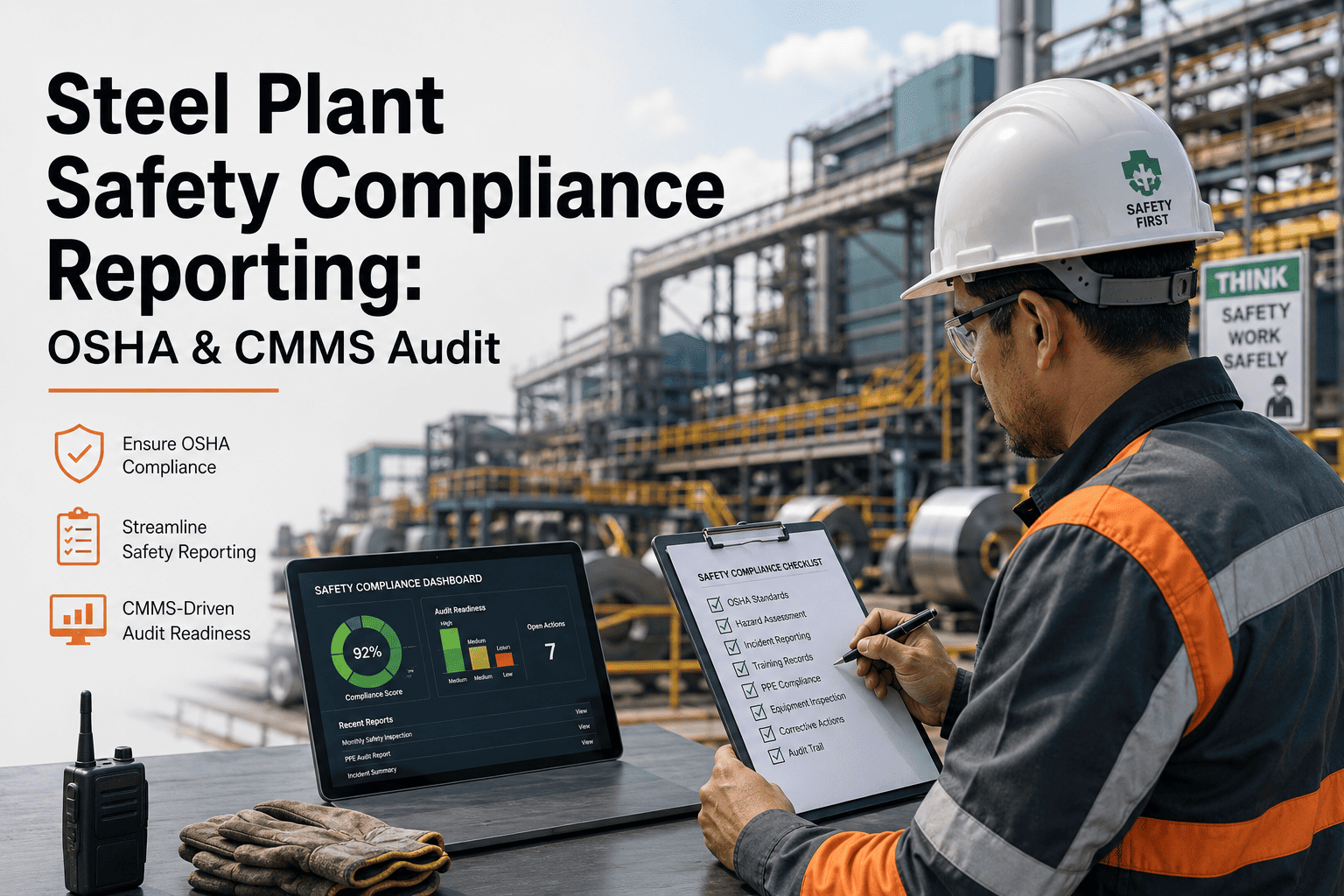
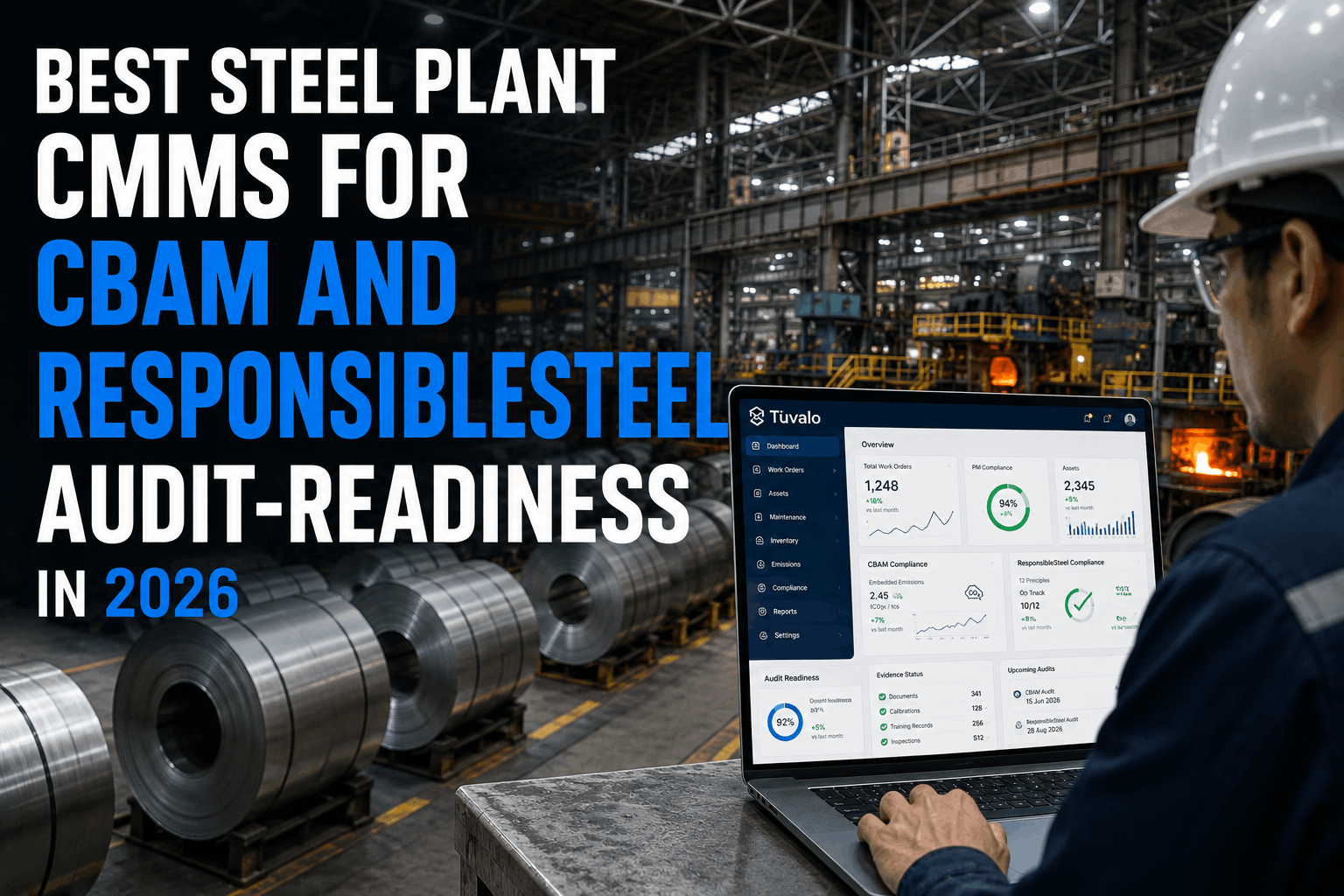
In the highly regulated world of US steel manufacturing, compliance is the foundation of operational continuity. Under the current EPA and OSHA enforcement regimes in 2026, a single unmonitored calibration drift, missed crane inspection, or paper record gap can result in catastrophic federal fines, consent decrees, and forced operational shutdowns. Traditional spreadsheet-based and paper-bound compliance tracking methods are no longer sufficient to satisfy modern environmental inspectors or safety auditors. A robust, CMMS-backed compliance program bridges the gap between active shop floor maintenance and legal recordkeeping, converting regulatory guidelines into scheduled, trackable work orders. By establishing a digital chain of custody for safety-critical assets, US steel mills can transition from stressful, reactive audit preparation to a continuous state of compliance readiness. Sign Up Free to start building your auditable compliance register today.
Protect Your License to Operate
OxMaint gives compliance officers, plant managers, and reliability engineers a unified platform to automate environmental logs, manage OSHA safety work orders, and secure digital compliance evidence.
What is Steel Plant Compliance in 2026? The Proactive Shift
Managing a modern steel plant requires orchestrating multi-ton molten metal heats, high-voltage EAF transformers, and precision rolling mills under overlapping jurisdictions. When maintenance schedules are managed independently from compliance deadlines, critical safety barriers erode. Evolving frameworks like the federal NESHAP standards and localized NPDES water permits demand verifiable proof of asset-level integrity. Below, we break down the top eight hidden compliance risks currently threatening US steel producers, and how digitized maintenance processes defend against them. Book a Demo to see how we manage compliance records.
The Top 8 Hidden Compliance Risks in Steel Plants
CEMS Calibration & Sensor Drift
Continuous Emissions Monitoring Systems (CEMS) measure gaseous pollutants at the discharge stack. High heat and particulate loads cause sensors to drift over time. Paper logs delay repair triggers, leading to corrupt Title V ambient reports and severe EPA civil penalties.
OSHA Crane & Heavy Lifting Inspection Gaps
Charging and ladle cranes carry tons of molten metal over active mill floors. Missing daily pre-shift inspections of hoist brakes, wire ropes, and limits exposes plants to fatal mechanical incidents and costly OSHA willful citations.
NESHAP Subpart FFFFF Record Gaps
EPA work practice standards dictate strict documentation for blast furnace bleeder valves and bell leaks. With compliance extensions ending in April 2027, manual recordkeeping gaps are treated as direct clean air violations.
ISO 50001 Energy Baseline EnPI Drift
Mechanical degradation in EAF electrodes and burners causes severe specific energy consumption spikes. Lacking integration between plant utility sub-meters and CMMS records compromises the certified ISO energy baseline.
CBAM Scope 1/2 Exporter Data Gaps
For steel plants exporting to EU markets, CBAM imposes strict carbon emissions proof. Relying on regional defaults rather than asset-level runtime and maintenance records results in high trade tariffs and market access loss.
NPDES Water Effluent Deviations
Steel mills require complex cooling water networks discharged under strict NPDES permits. Neglecting sensor calibrations or wastewater filter maintenance leads to effluent violations, local lawsuits, and EPA enforcement.
OSHA Lockout/Tagout (LOTO) Auditing
During major blast furnace relines, hundreds of contractors perform hot work on high-energy hydraulic and electrical assets. Paper LOTO slips prevent real-time safety oversight, risking severe OSHA lockout violations.
HazCom GHS Chemical SDS Expirations
Steel plants store hazardous acids and synthetic lubricants. Worn chemical labels and outdated paper Safety Data Sheet registries limit frontline access and trigger immediate OSHA hazard communication violations.
2026 Compliance Vulnerability Matrix
Note: Severity percentages represent the relative risk of plant shutdowns and legal penalties for non-compliance under 2026 EPA and OSHA federal guidelines.
How to Implement a Compliance-Driven CMMS
Establish Your Compliance Asset Registry
Import all emission stacks, wastewater outlets, high-priority ladle cranes, and chemical storage lockers into OxMaint. Group assets under local compliance codes to define strict audit hierarchies. Sign Up Free to start building your register.
Standardize Daily Mobile Inspections
Deploy rugged QR codes inside crane cabs and analyzer enclosures. Operators and technicians scan codes to execute mandatory GHS or crane checklists from their mobile phones, capturing digital stamps.
Automate Environmental Sensor PM Schedules
Set recurring PM work orders for daily CEMS zero-and-span calibration checks and weekly pH sensor tuning. Linking calibration limits directly to the CMMS logs identifies drift before exceedances occur. Book a Demo to see our automated PM schedules.
Enforce Closed-Loop Corrective Actions
When a wastewater pump or ladle crane fail limit check, OxMaint locks the asset status and issues a high-priority work order, generating verified evidence of hazard mitigation for auditors.
Simplify Annual Regulatory Reviews
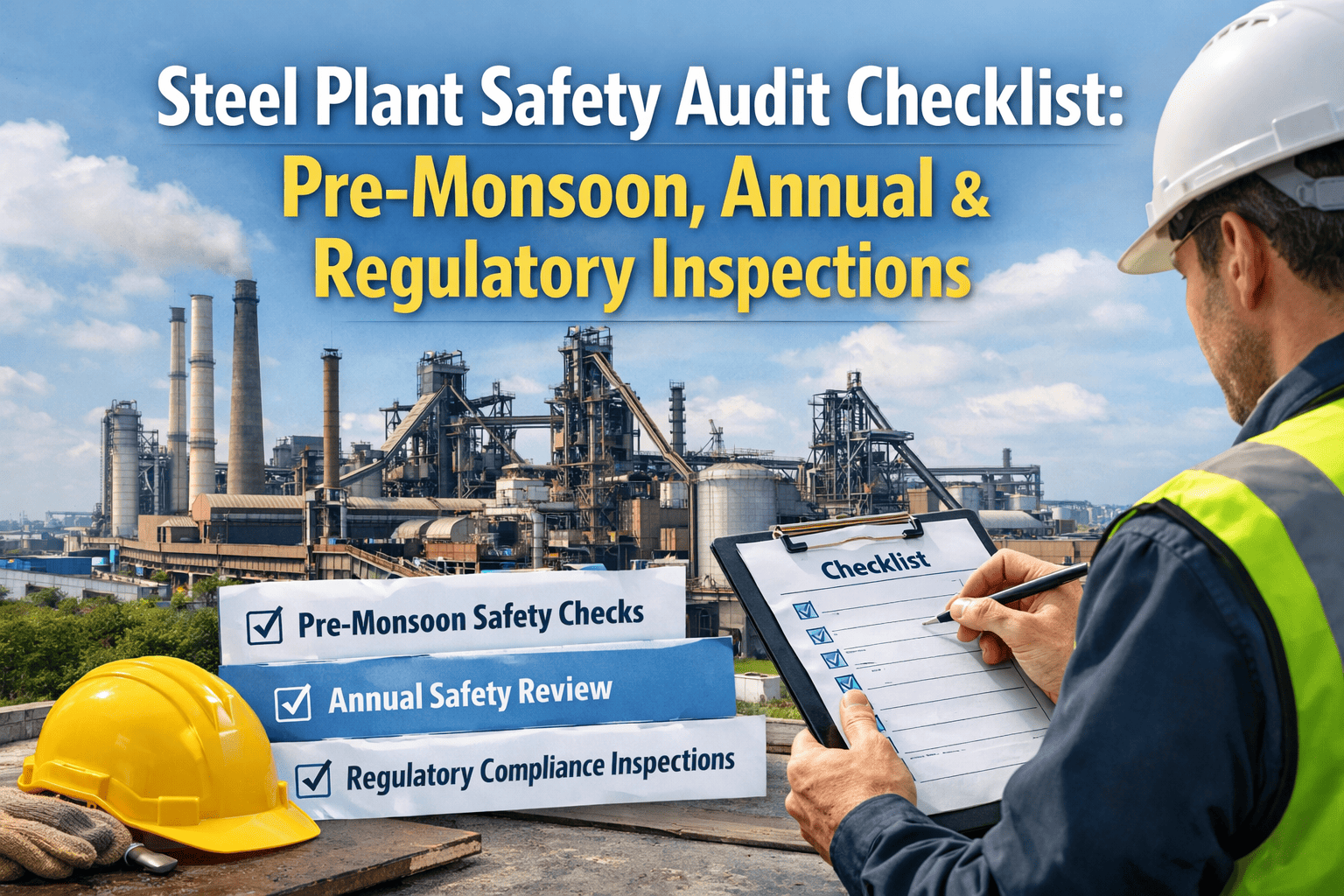
Compile multiple years of NESHAP bleeder logs, NPDES effluent parameters, and contractor LOTO records in a single dashboard, eliminating paper chase during unannounced inspections.
"Before we centralized our compliance and maintenance records in OxMaint, preparing for our EPA Title V and OSHA crane surveillance audits was a nightmare. We had technicians scrambling through dusty paper logbooks, and we were constantly fighting CEMS calibration issues that we didn't spot until the EPA flagged them. Implementing OxMaint turned our compliance checklists into daily scheduled work orders with digital signatures. During our recent EPA walkthrough, we generated the complete historical calibration logs in five minutes. We passed with zero findings, and our maintenance team has saved hundreds of hours of manual administrative recordkeeping."
Ready to Secure Your Compliance Future?
Join the American steel plants using OxMaint to digitize environmental logs, automate crane checks, and pass clean air audits with total confidence.
Frequently Asked Questions
The EPA has extended compliance deadlines for iron and steel NESHAP amendments to April 3, 2027, requiring strict tracking of bleeder valves.
OxMaint automates the digital tracking of valve cycles and pressure testing to ensure your facility has audit-ready clean air records.
OSHA mandates daily visual inspections of brakes, wire ropes, hooks, and safety limit switches before any ladle or charging crane shift.
OxMaint replaces manual logs with mobile checklists that alert supervisors immediately if a crane fails a safety-critical check.
Sensor drift corrupts stack exhaust data, causing false exceedances or data gaps that trigger severe EPA reporting penalties.
OxMaint schedules automated daily calibration PM work orders, tracking zero-and-span values to stop sensor drift before it violates permits.
Yes, ISO 50001 provides the structured specific energy consumption (SEC) metrics required to prove Scope 1 and 2 carbon reductions.
OxMaint links mechanical PM work orders to utility sub-metering, generating the verified energy performance evidence that auditors expect.
US exporters must report verified asset-level emissions to avoid steep EU import tariffs and maintain foreign market access.
OxMaint archives the exact runtime and fuel records of your furnace systems, providing clean data that bypasses punitive regional default rates.
Wastewater discharge limits require continuous pH, chemical dosing, and flow sensor validation to avoid severe Clean Water Act lawsuits.
OxMaint schedules regular calibration and PMs on wastewater dosing systems, keeping cooling water variables within strict NPDES tolerances.
Digitized isolation checks prevent high-energy releases and ensure contractors follow procedures during complex maintenance relines.
OxMaint hosts digital LOTO permits, showing compliance officers a real-time visual map of all locked-out energy isolation points.
OSHA mandates active GHS labels and current Safety Data Sheets (SDSs) for all picking acids, solvents, and mill lubricants.
OxMaint stores all SDS sheets directly on the asset records, letting technicians view them on mobile by scanning storage QR codes.
Digitize Your Steel Plant Compliance Audits Today
Join leading American steel producers using OxMaint to enforce safety standards, automate emissions records, and reduce operational liability.