HVAC systems consume 40% of a commercial building's energy and generate 30% of all facility maintenance work orders — yet most organizations still manage them with spreadsheets, paper logs, and reactive repair calls. When a rooftop unit fails on a Friday afternoon in August, the fix is not just expensive — it cascades into tenant complaints, productivity losses, and emergency contractor premiums that dwarf the repair cost itself. AI-powered CMMS for HVAC flips this equation. Instead of waiting for failures, the system watches every compressor cycle, every refrigerant pressure reading, and every filter differential — predicting problems weeks before they become emergencies and generating work orders automatically. Oxmaint delivers this exact capability: a maintenance management platform that treats HVAC not as a set of boxes on rooftops, but as an interconnected system whose health determines occupant comfort, energy cost, and building value. Start your free Oxmaint trial and bring your HVAC maintenance into the AI era. Or book a demo to see how Oxmaint automates HVAC lifecycle management across your facility portfolio.
Facility Intelligence
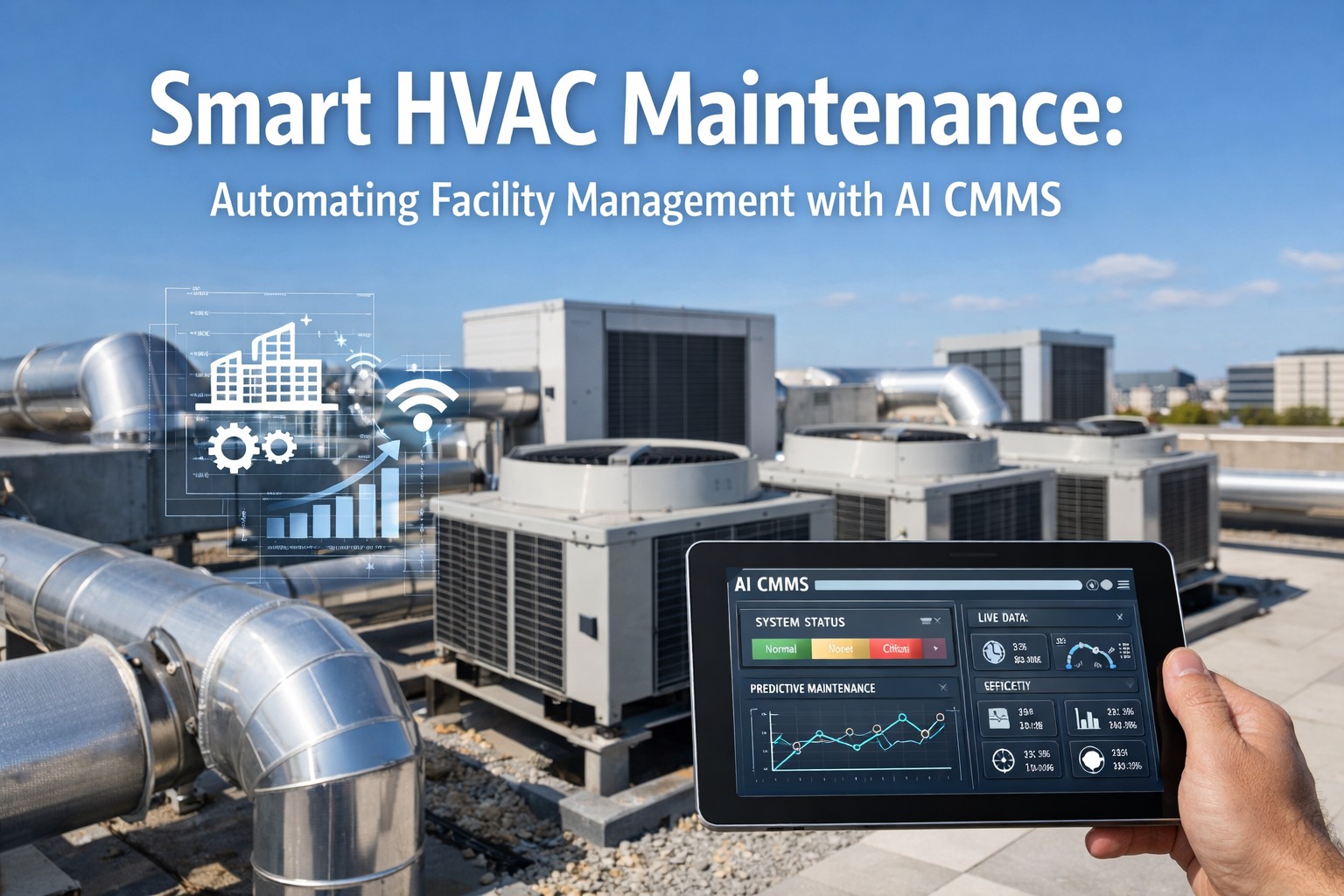
Smart HVAC Maintenance: Automating Facility Management with AI CMMS
How Oxmaint's AI-powered CMMS transforms HVAC from the most expensive reactive problem into the most predictable managed asset class.
40%
Of building energy consumed by HVAC
30%
Of all facility work orders are HVAC
$12K
Avg cost of a single unplanned HVAC failure
68%
Of failures preventable with AI monitoring
Why HVAC Maintenance Stays Broken
HVAC is the most complex mechanical system in most commercial buildings — and paradoxically the one most often maintained by the simplest methods. The reasons are structural: HVAC systems are distributed across rooftops, mechanical rooms, and ceilings where they are out of sight and out of mind. They fail gradually rather than catastrophically, so degradation goes unnoticed until comfort complaints arrive. And the technicians who understand them best are in critically short supply.
Reactive by Default
78% of HVAC maintenance is run-to-failure. Technicians respond to complaints instead of preventing them. Each reactive call costs 3–5x what planned maintenance would have cost.
Energy Waste Invisible
A dirty coil wastes 15–30% more energy. A stuck economizer burns money 24/7. Without AI monitoring, these efficiency losses compound silently for months between scheduled service.
Fragmented Records
Service history scattered across vendor invoices, handwritten logs, and inbox emails. When a compressor fails at year 8, nobody can find the warranty terms or the last three service records.
Workforce Shortage
The US alone faces a shortage of over 100,000 HVAC technicians. Average time-to-fill for a qualified commercial HVAC tech has stretched to 45+ days. AI must extend the reach of every technician you have.
What AI CMMS Does for HVAC That Manual Systems Cannot
An AI-powered CMMS like Oxmaint does not just store work orders — it watches your HVAC systems continuously, learns what normal looks like for each unit, detects the earliest signs of degradation, and generates the right work order at the right time with the right diagnosis attached. Here are the six capabilities that separate AI CMMS from traditional maintenance management.
01
Continuous Condition Monitoring
Oxmaint ingests data from BMS sensors, smart thermostats, and IoT-connected equipment — compressor amps, supply air temperature, filter differential pressure, refrigerant pressures — and tracks every reading against the unit's learned baseline.
02
Predictive Failure Alerts
When sensor patterns begin drifting toward failure signatures — rising compressor amp draw, increasing superheat, declining airflow — Oxmaint generates an alert 2–6 weeks before the unit fails, with the probable failure mode identified.
03
Automated Work Order Generation
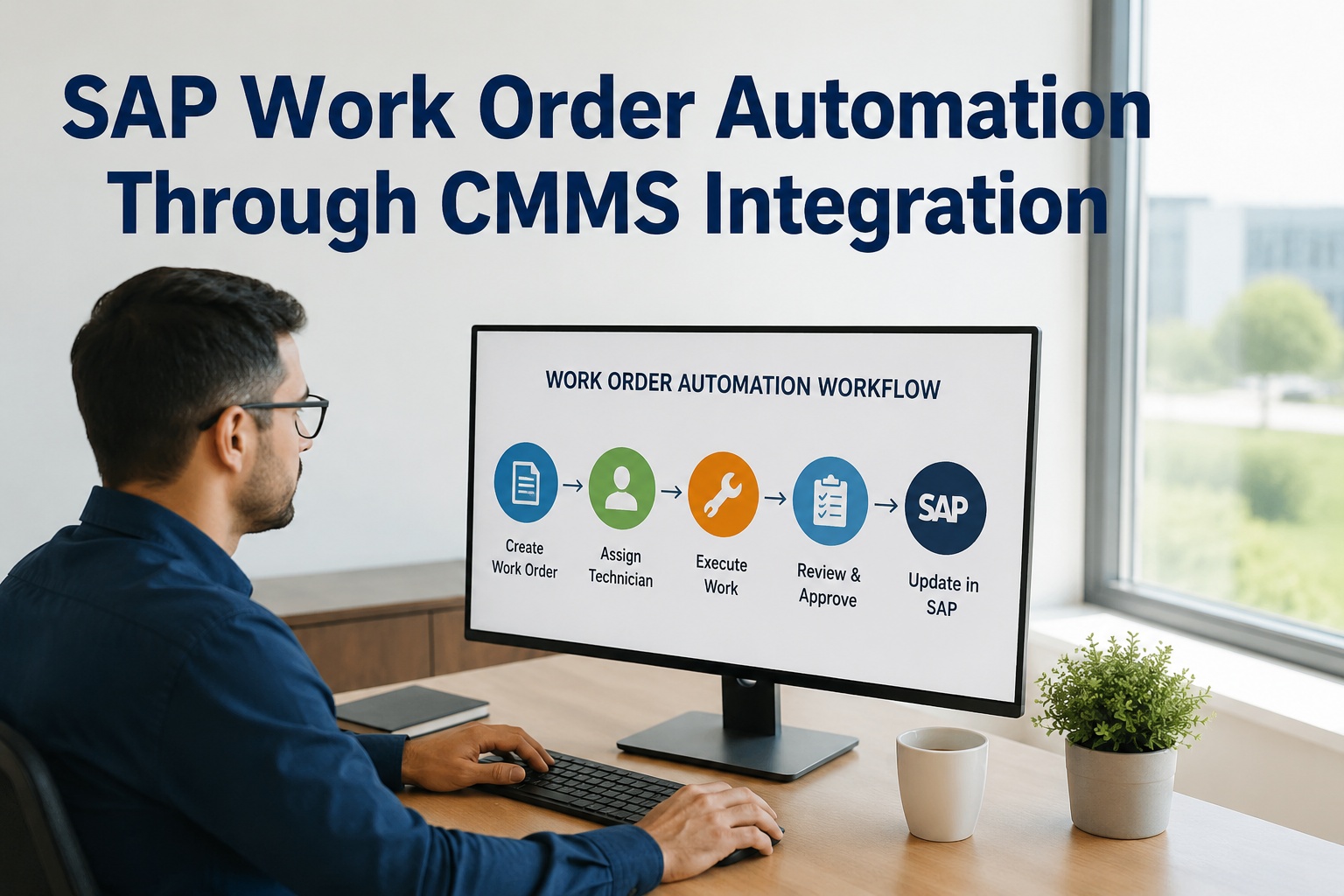
Predictive alerts automatically create prioritised work orders in Oxmaint with the affected unit, diagnosed condition, recommended repair, and required parts list pre-populated — dispatched to the nearest qualified technician.
04
Energy Waste Detection
AI compares actual energy consumption against the unit's expected performance curve. When a 10-ton RTU starts consuming energy like a 14-ton unit, Oxmaint identifies the root cause — dirty coils, stuck dampers, refrigerant charge loss — and generates the corrective action.
05
PM Schedule Optimization
Instead of calendar-based filter changes every 90 days regardless of actual condition, Oxmaint calculates the optimal service interval for each unit based on operating hours, filter differential pressure, and environmental conditions.
06
Lifecycle Cost Intelligence
Oxmaint tracks total cost of ownership per unit — labour, parts, energy penalty, downtime impact — and flags when a unit crosses the threshold where replacement becomes cheaper than continued repair.
The HVAC Failure Cascade: Why Prevention Matters
A single HVAC failure does not just cost a repair bill. It triggers a cascade of consequences that multiplies the cost 5–10x. Understanding this cascade is what makes the financial case for AI-powered predictive maintenance self-evident to every facility director and CFO.
Stage 1
Component Degradation
Bearing wear, refrigerant leak, belt deterioration begins silently. Energy consumption rises 5–15%. No complaints yet.
$200–$600 planned repair
Stage 2
Performance Loss
Cooling capacity drops. Zones drift out of setpoint. Comfort complaints begin arriving. Building management notices.
$800–$2,000 urgent repair
Stage 3
Unit Failure
Compressor burns out. Unit offline. Emergency contractor called. Parts not in stock. Lead time 3–10 days for critical components.
$4,000–$12,000 emergency repair
Stage 4
Business Impact
Tenant complaints. Productivity loss. Server room overheating. Lease renegotiation leverage shifts. Reputation damage with occupants.
$15,000–$80,000+ total impact
AI catches problems at Stage 1. Manual maintenance typically catches them at Stage 3. The cost difference is 20–40x.
Catch It at Stage 1
Oxmaint's AI monitors every HVAC unit 24/7 and creates work orders before failures cascade
Continuous condition monitoring, predictive alerts, automatic work orders, and full lifecycle tracking — for every RTU, chiller, AHU, and split system in your portfolio. See it running live.
HVAC Asset Types Oxmaint Manages
A comprehensive HVAC CMMS must handle the full range of equipment in a commercial building — from 400-ton chillers down to individual VAV boxes. Each asset type has different failure modes, service intervals, and sensor profiles. Oxmaint manages all of them from one platform.
Rooftop Units (RTUs)
Heating, cooling, and ventilation in packaged units. Monitor compressor health, economizer function, and belt condition.
Compressor amps, discharge temp, mixed air temp, filter dP
Chillers
Central cooling plant equipment. Track refrigerant charge, oil condition, tube fouling, and approach temperatures.
Chilled water temp, condenser pressure, oil level, vibration
Air Handling Units (AHUs)
Large-scale air distribution. Monitor fan bearings, coil performance, damper actuation, and filter loading.
Supply/return air temp, static pressure, VFD speed, filter dP
Boilers & Heating
Hot water and steam generation. Track combustion efficiency, water chemistry, and safety control operation.
Stack temp, O2 levels, water temp, pressure, burner cycles
Split & VRF Systems
Distributed cooling for server rooms, labs, and zone control. Monitor refrigerant flow, inverter health, and coil condition.
Suction pressure, superheat, inverter frequency, coil temp
Cooling Towers
Heat rejection for chiller plants. Track fill condition, fan motor health, water treatment chemistry, and drift eliminator.
Basin temp, fan amps, conductivity, make-up water flow
The ROI of AI HVAC Maintenance
For a facility portfolio with $2M in annual HVAC maintenance and energy spend, AI-powered CMMS typically delivers 25–40% total cost reduction within the first 12 months. Here is where the savings come from.
Emergency Repair Reduction
AI catches failures 2–6 weeks early; planned repairs cost 3–5x less
Energy Efficiency Recovery
Dirty coils, stuck dampers, and refrigerant leaks detected in days, not months
PM Labour Optimization
Condition-based intervals replace calendar-based; no unnecessary filter changes
Equipment Life Extension
Proactive care reduces stress cycling and compressor wear dramatically
Tenant Satisfaction
Fewer comfort complaints, faster resolution, proactive communication
Before Oxmaint vs After Oxmaint
| Workflow |
Before (Manual / Reactive) |
After (Oxmaint AI CMMS) |
| Failure detection |
Tenant calls to report the space is hot |
AI detects compressor degradation 4 weeks before failure |
| Work order creation |
Facility manager manually writes a work order |
Oxmaint auto-generates with diagnosis, parts, and priority |
| Technician dispatch |
Phone calls, texts, whoever answers first |
Skill-matched dispatch to nearest qualified tech via mobile |
| Filter changes |
Every 90 days regardless of actual condition |
When filter dP reaches optimal threshold per unit |
| Energy waste detection |
Annual energy audit catches 12-month-old issues |
Real-time deviation alerts within hours of onset |
| Replacement decisions |
Replace when it dies or capital budget allows |
Lifecycle cost model recommends optimal replacement timing |
Getting Started: 30-Day HVAC Activation
Most facility teams have Oxmaint running on their HVAC fleet within 30 days. The deployment is not a multi-month IT project — it is a structured onboarding that produces value from week two.
Week 1
Asset Inventory & Onboarding
Register all HVAC units in Oxmaint with nameplate data, location, and warranty. Import existing service history. Set up user roles and mobile access for technicians.
Week 2
Sensor & BMS Connection
Connect Oxmaint to BMS, smart thermostats, and IoT sensors. Begin ingesting compressor data, temperatures, and filter pressures. AI baseline learning starts.
Week 3
PM & Workflow Configuration
Configure preventive maintenance schedules, inspection checklists, and escalation rules. Set up condition-based triggers alongside calendar-based schedules.
Week 4
Go-Live & First Predictions
Full production operation. AI begins generating predictive alerts on units showing early degradation. Work orders dispatching to mobile. First energy waste detections surfacing.
Common HVAC Maintenance Mistakes
!
Calendar-Based Filter Changes
Changing every filter every 90 days wastes money on clean filters and misses dirty ones. Condition-based changes driven by differential pressure sensors are cheaper and more effective.
!
Ignoring Economizer Faults
A stuck economizer damper on a 20-ton RTU wastes $2,000–$5,000 per cooling season. Most go unnoticed because the unit still technically cools — just at enormous energy cost.
!
No Refrigerant Tracking
Slow refrigerant leaks reduce capacity gradually while increasing compressor stress. Without charge tracking per unit, the leak is only discovered when the compressor burns out.
!
Treating All Units the Same
A server room unit running 24/7 needs fundamentally different maintenance than a conference room unit running 40 hours per week. AI adjusts intervals per unit based on actual runtime and conditions.
Your HVAC Fleet, Under Control
See Oxmaint managing an HVAC portfolio in a live 30-minute walkthrough
Bring your equipment list, your biggest pain points, and your toughest building. We will show exactly how AI condition monitoring, predictive work orders, and lifecycle costing work for your HVAC fleet.
Frequently Asked Questions
What makes Oxmaint different from a standard CMMS for HVAC maintenance?
Standard CMMS tools store work orders and schedule PM. Oxmaint adds continuous AI condition monitoring, predictive failure alerts, energy waste detection, condition-based PM optimization, and lifecycle cost intelligence — transforming HVAC maintenance from reactive to predictive. The mobile app lets technicians receive pre-diagnosed work orders with parts lists and repair instructions in the field.
What kind of sensors or BMS integration does Oxmaint need?
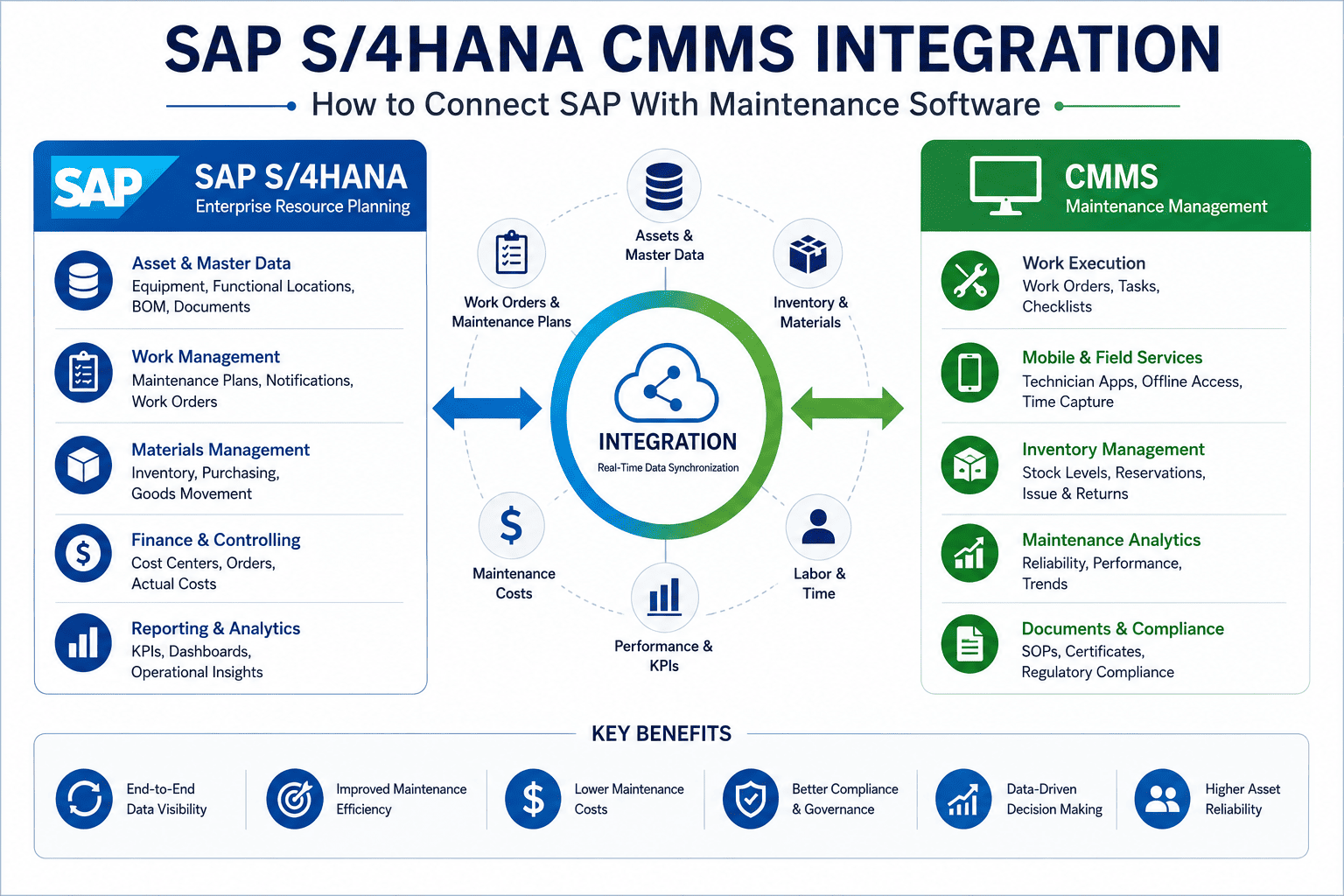
Oxmaint connects to most building management systems via BACnet, Modbus, and MQTT. It also supports direct IoT sensor connections for facilities without a BMS. Minimum useful data includes compressor amps, supply air temperature, and filter differential pressure — more sensors enable richer predictions.
Book a demo to discuss your specific BMS setup.
How quickly does AI learn the normal patterns for my HVAC equipment?
Oxmaint's AI begins generating useful baselines after 7–14 days of sensor data. Predictive accuracy improves over the first 90 days as the model accumulates full operating cycle data including seasonal variations. Initial anomaly detection works from week two.
Can Oxmaint manage HVAC across multiple buildings and sites?
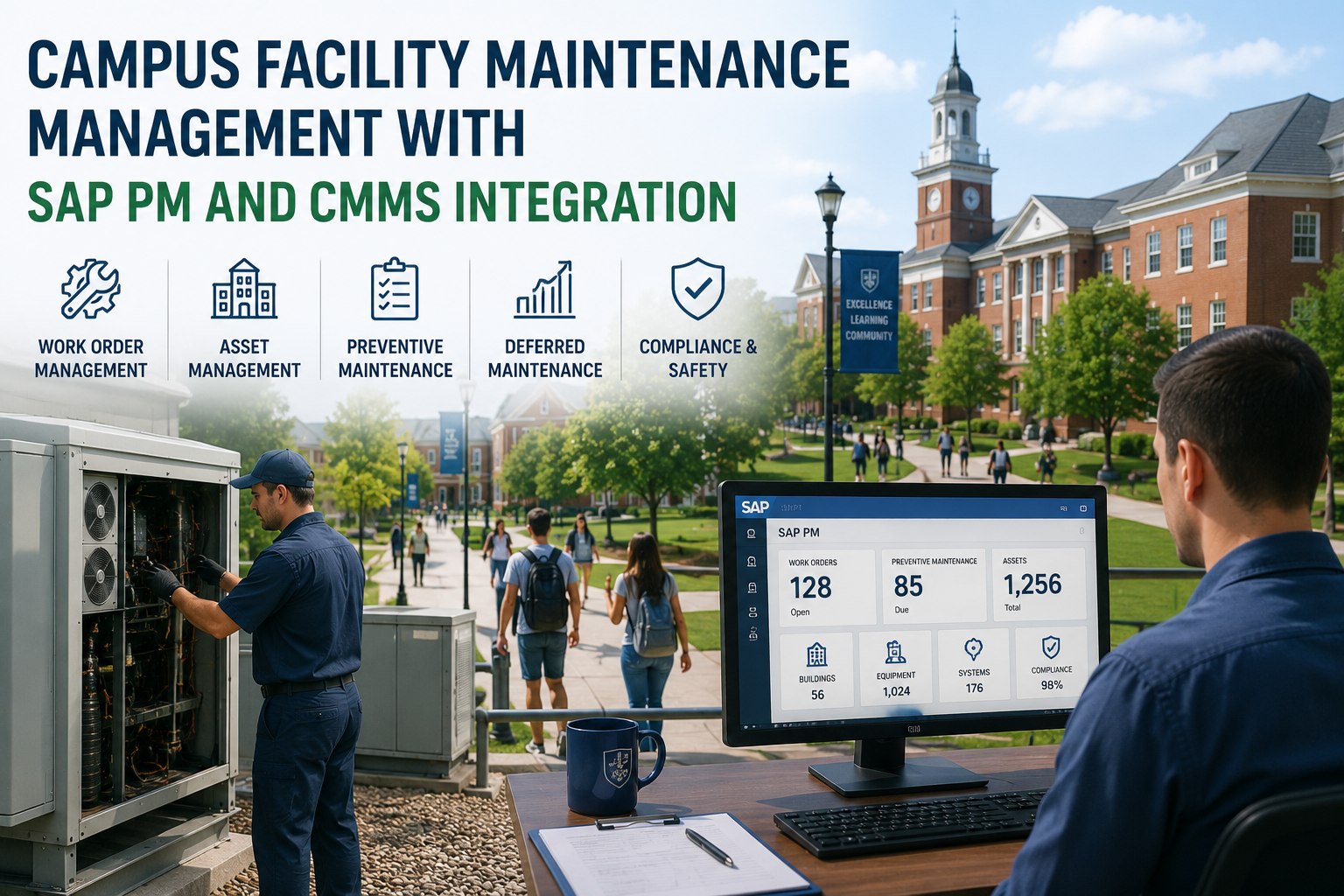
Yes. Oxmaint's hierarchy model supports portfolios of any size — single buildings, multi-building campuses, or geographically distributed facility portfolios. Roll-up dashboards show fleet-wide health while individual unit drill-downs show asset-level detail.
Start a free trial with your first building and scale from there.
Does Oxmaint handle both in-house technicians and external HVAC contractors?
Yes. Work orders dispatch to internal technicians or assigned external vendors through the same mobile interface. Contractor performance tracking, response time monitoring, and invoice reconciliation are built into the platform — giving facility managers full visibility regardless of who performs the work.
What ROI should we expect from AI HVAC maintenance?
Facility portfolios typically see 25–40% total HVAC cost reduction within 12 months — split across emergency repair avoidance (72% reduction), energy recovery (15–25%), and PM labour optimization (35% reduction). Equipment life extension adds 20–30% to useful life, deferring capital replacement costs significantly.
Oxmaint: HVAC Maintenance That Thinks Ahead
Every RTU, chiller, AHU, boiler, and split system in your portfolio — monitored by AI, maintained by condition, tracked by lifecycle cost. Fewer emergencies, lower energy bills, happier occupants. Deploy in 30 days.