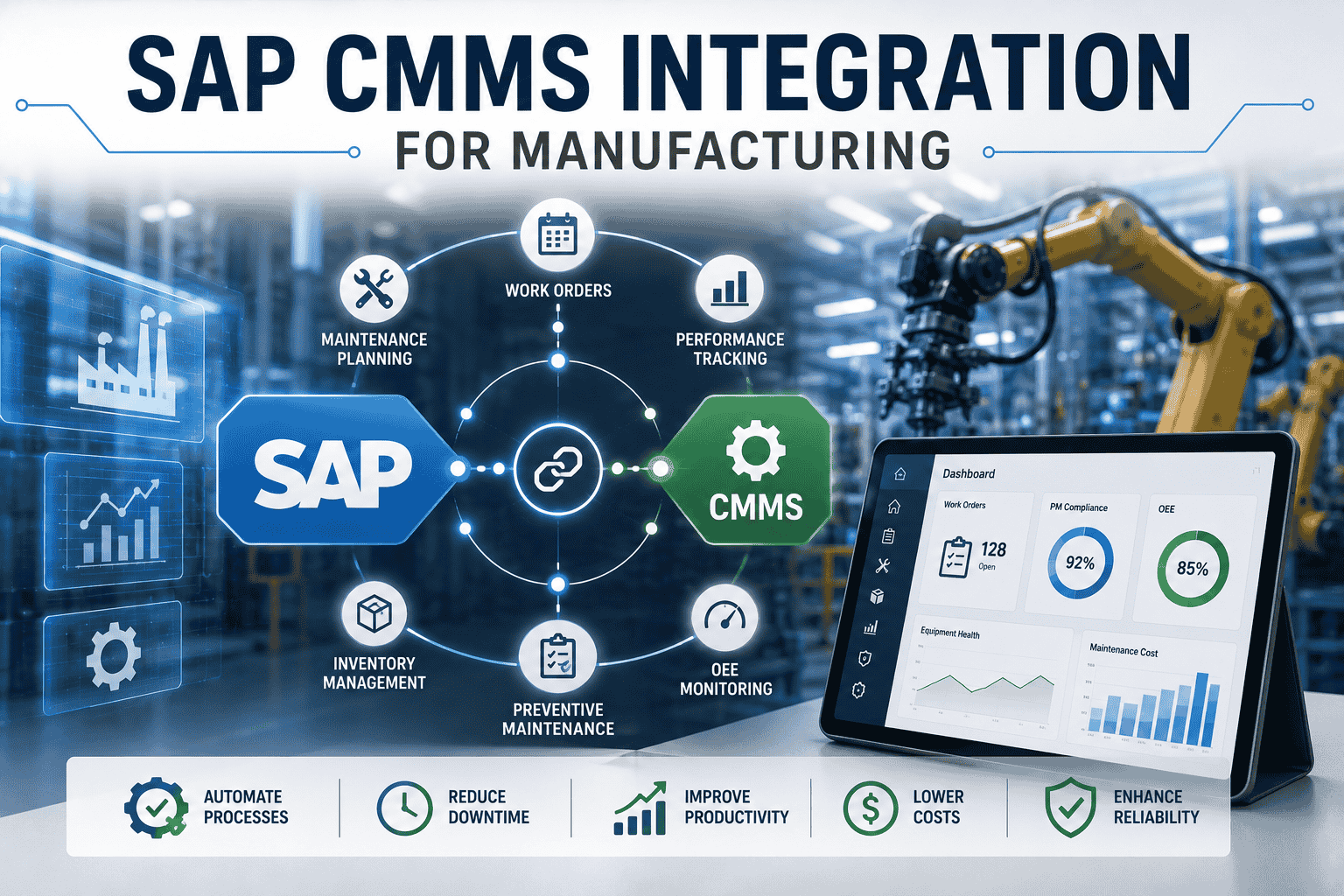
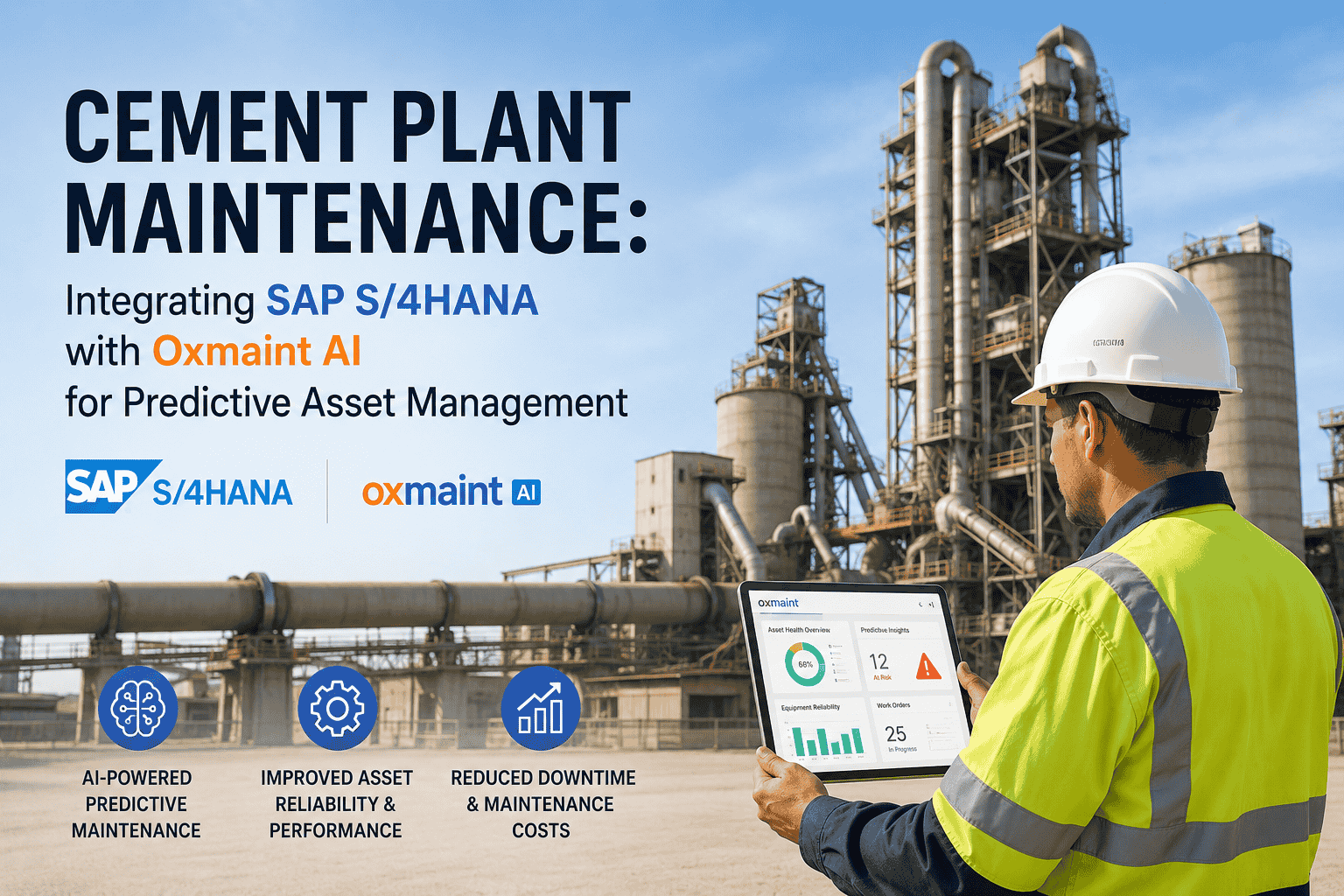
An electric vehicle contains fewer moving parts than an ICE vehicle — but the manufacturing complexity is higher. Battery cell formation, electrode coating tolerances, thermal management assembly, and high-voltage harness integration all demand precision that traditional automotive quality methods struggle to deliver at scale. A digital twin of the EV production lifecycle changes the game by creating a living software model of every production line, every cell, and every vehicle — synchronized in real time with sensor data, enriched by AI, and connected to enterprise systems that govern quality, maintenance, and cost. When the twin detects a 0.3-degree temperature drift in a battery formation chamber at 2 AM, it does not send an email — it generates a work order in Oxmaint, adjusts the process parameter, and logs the deviation for regulatory traceability. Start your free Oxmaint trial and build your first EV production digital twin. Or book a demo to see how Oxmaint connects digital twin intelligence to maintenance execution on the EV production floor.
Automotive AI
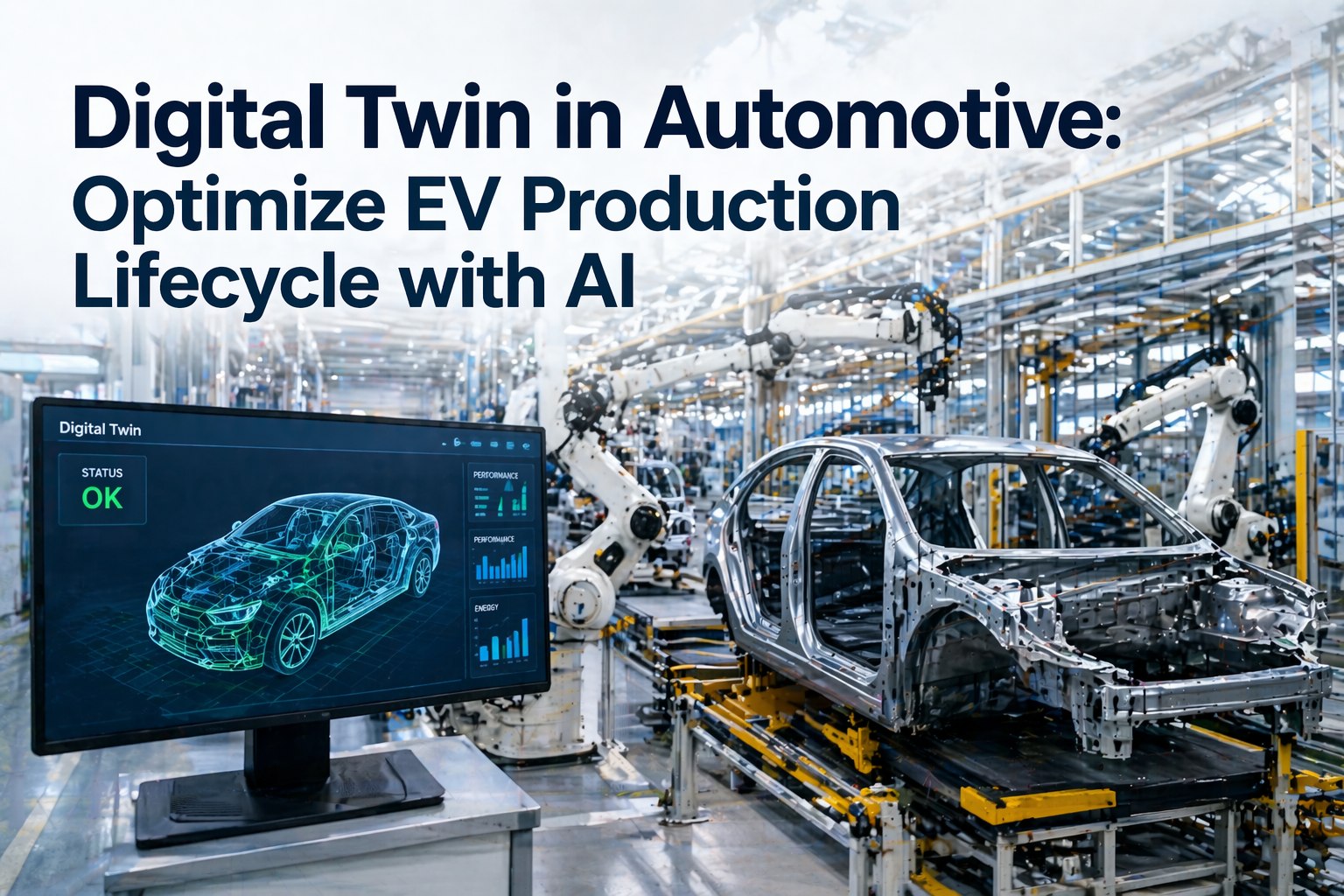
Digital Twin in Automotive: Optimize EV Production Lifecycle with AI
How AI-powered digital twins are giving EV manufacturers the precision, traceability, and predictive control that battery production demands.
$46B
Global EV battery manufacturing investment through 2030
0.1%
Cell defect rate target — impossible without AI monitoring
3,200+
Process parameters per battery cell requiring twin tracking
Why EV Manufacturing Needs Digital Twins
Building an internal combustion engine is a matter of machining tolerances. Building an EV battery pack is a matter of electrochemistry — where microscopic variations in electrode coating thickness, electrolyte fill volume, and formation cycling temperature produce cascading quality effects that only become visible weeks or months after production. By the time a field failure traces back to a formation chamber that drifted 0.5 degrees on a Tuesday night shift, the root cause is buried in millions of data points across hundreds of process steps. Digital twins exist to make this invisible visible — in real time, not in post-mortem.
01
Electrochemistry Is Unforgiving
A 2% variation in electrode coating weight causes a 12% variation in cell capacity. Traditional SPC (Statistical Process Control) catches this after 500 cells. A digital twin catches it on cell #3.
02
Traceability Is Mandatory
Every EV battery cell must trace back to its specific formation conditions, raw materials, and process parameters for the full vehicle warranty period — often 8–10 years. The twin is the traceability engine.
03
Equipment Uptime Is Revenue
A single formation line produces $2M–$5M in cells per day. Unplanned downtime does not just stop production — it scraps partially formed cells that cannot be resumed. Prevention is not optional.
04
Scale Is Unprecedented
A gigafactory producing 35 GWh annually processes millions of individual cells, each with thousands of tracked parameters. Human oversight cannot scale. Digital twins and AI must.
The EV Production Lifecycle: Where Twins Add Value
An EV production lifecycle spans seven major stages — from raw material intake through cell manufacturing, module assembly, pack integration, vehicle assembly, quality validation, and field operation. The digital twin operates across all seven, but delivers different value at each stage. Here is where the impact concentrates.
1
Raw Material Intake
Twin validates incoming electrode slurry viscosity, separator porosity, and electrolyte purity against specification ranges before materials enter production.
Twin value: Reject non-conforming materials before they contaminate a batch
2
Cell Manufacturing
Electrode coating, calendering, slitting, stacking/winding, electrolyte fill, and formation cycling — each step monitored against the twin's learned baseline for that specific production line.
Twin value: Detect process drift within minutes, not after 500 cells
3
Module Assembly
Cells grouped into modules with busbars, thermal interface materials, and BMS connections. Twin validates weld quality, torque values, and thermal paste coverage in real time.
Twin value: Catch assembly deviations before the module is sealed
4
Pack Integration
Modules assembled into complete battery packs with cooling systems, HV connectors, and structural housing. Twin simulates thermal performance before the pack reaches end-of-line testing.
Twin value: Predict thermal hotspots from assembly variations before testing
5
Vehicle Assembly
Pack installed in vehicle chassis alongside drivetrain, HV harness, and thermal management plumbing. Twin monitors torque sequences, coolant fill volumes, and HV isolation tests.
Twin value: Ensure every vehicle-specific assembly parameter is within spec
6
Quality Gate & EOL Testing
End-of-line electrical, thermal, and functional tests validate the completed vehicle. Twin compares actual test results against predicted performance from upstream process data.
Twin value: Correlate EOL failures to specific upstream process deviations
7
Field Operation & Warranty
Vehicle battery health monitored through telematics. Field degradation patterns feed back to the production twin, improving process controls for future cells.
Twin value: Close the loop between field performance and production quality
Five AI Models Powering the EV Production Twin
The digital twin is not a single algorithm — it is a portfolio of specialized AI models, each trained on different data, each answering a different production question. Together, they give plant engineers and maintenance teams a level of control that was impossible with traditional manufacturing execution systems alone.
PDC
Process Drift Classifier
Detects when electrode coating thickness, formation temperature, or electrolyte fill volume begins drifting outside the twin's learned normal range — triggering correction before yield drops.
Input: Real-time sensor streams from each process step
Output: Drift alert + estimated time-to-spec-breach
EOL
End-of-Line Predictor
Predicts whether a cell, module, or pack will pass end-of-line testing based on its upstream process parameters — flagging likely failures hours before the actual test.
Input: Full upstream parameter history per unit
Output: Pass/fail probability + contributing factors
EUL
Equipment Health Monitor
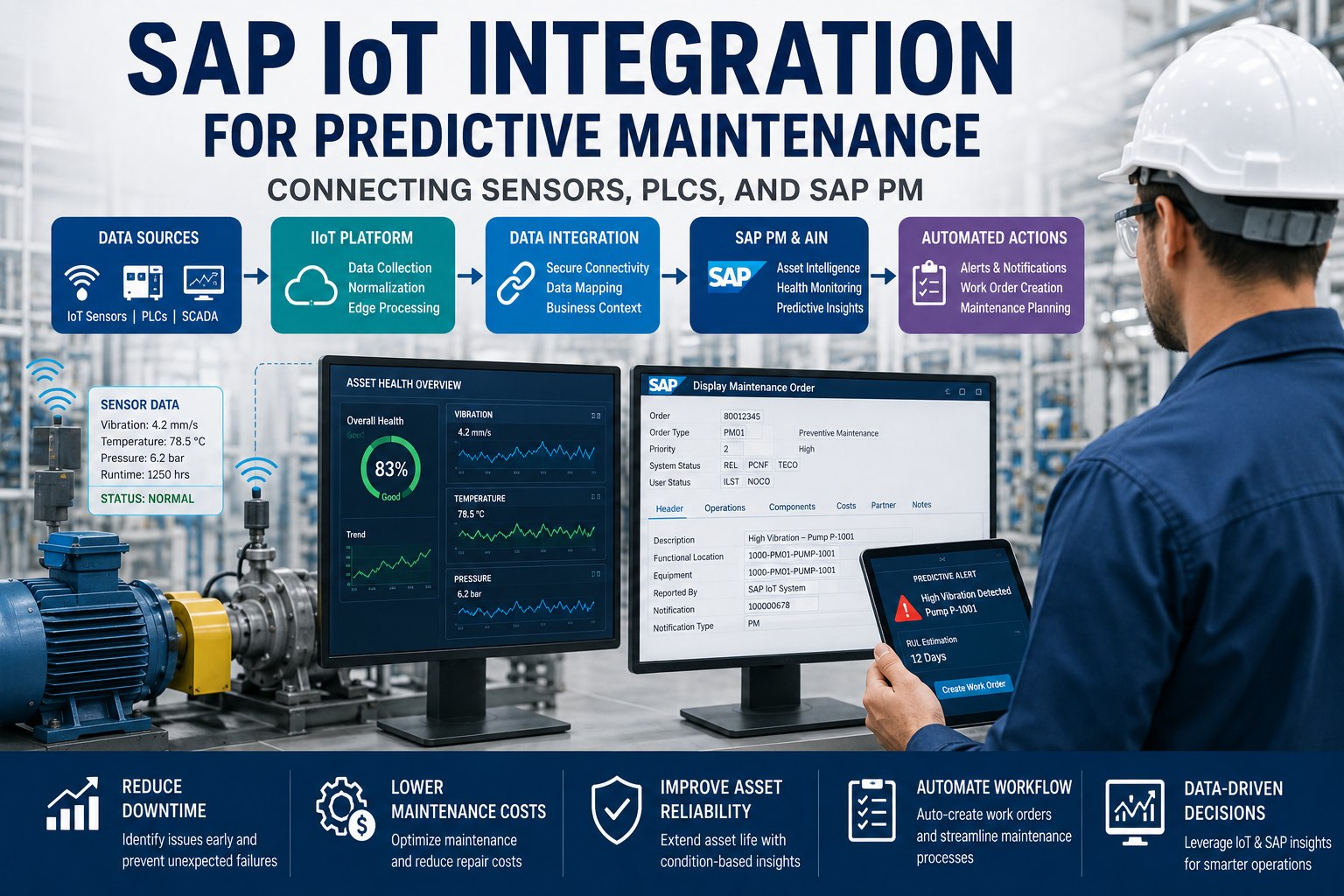
Monitors production equipment — formation chargers, stacking machines, welders, coating heads — predicting failures before they cause line stoppage and cell scrap.
Input: Vibration, temperature, power draw, cycle counts
Output: RUL estimate + recommended Oxmaint work order
RCA
Root Cause Analyser
When a quality event occurs, traces backward through the twin's complete parameter history to identify the most probable originating cause — reducing investigation time from days to minutes.
Input: Quality event + historical twin state
Output: Ranked root causes with probability scores
OPT
Process Optimizer
Recommends optimal setpoints for formation cycling, coating speed, and drying temperature that maximize yield and minimize energy consumption simultaneously.
Input: Current process state + constraints
Output: Adjusted setpoints with predicted yield impact
Production Intelligence
Oxmaint connects digital twin AI to maintenance execution on the EV production floor
When the twin predicts equipment failure, Oxmaint creates the work order. When it detects process drift, Oxmaint dispatches the technician. When it identifies root cause, Oxmaint tracks the corrective action. One platform bridging intelligence and action.
The Numbers That Matter
EV manufacturers deploying production digital twins with AI are reporting measurable improvements across every dimension that matters to plant management — yield, uptime, quality, energy, and traceability. Here are the benchmarks from early adopters operating at gigafactory scale.
34%
Reduction in scrap rate through real-time process drift detection and correction
91%
First-pass yield on cell formation — up from 82% without twin-guided control
68%
Fewer unplanned line stoppages with equipment health monitoring via Oxmaint
4 min
Root cause identification vs 2–3 days with traditional investigation methods
18%
Energy consumption reduction through AI-optimized formation cycling profiles
100%
Cell-level traceability from raw material to vehicle VIN for 10-year warranty
How Oxmaint Powers the Maintenance Side
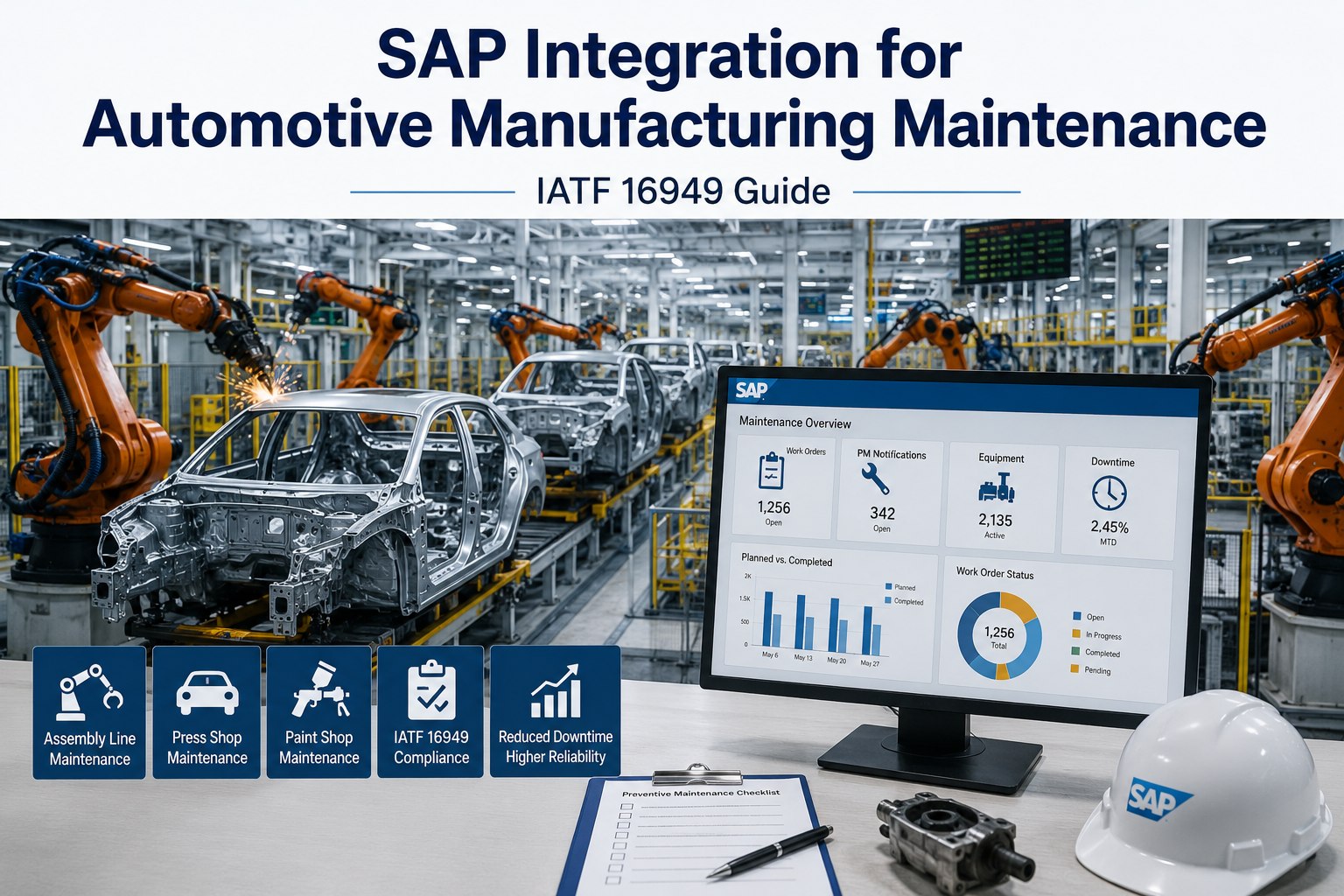
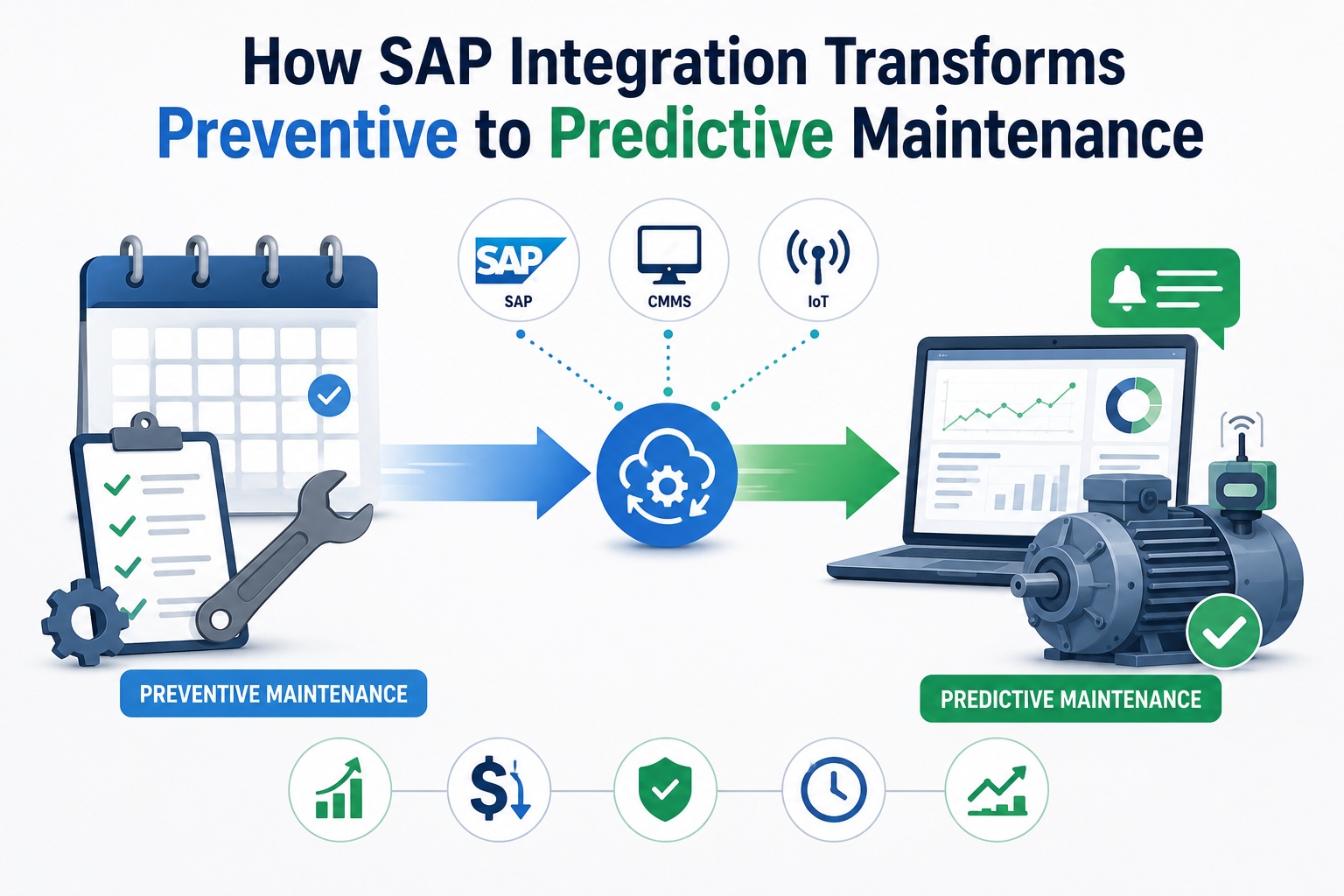
A digital twin that detects a problem but cannot trigger a repair is only half a solution. Oxmaint is the execution layer that translates twin intelligence into physical maintenance actions — work orders, technician dispatch, parts procurement, and completion tracking — all synchronized with SAP for cost and compliance governance.
1
Twin-Triggered Work Orders
When the equipment health model predicts a formation charger failure in 72 hours, Oxmaint auto-generates a work order with the diagnosed fault, required parts, estimated repair time, and priority level — dispatched to the maintenance team's mobile app.
2
Process Deviation Response
When the drift classifier flags a coating head deviation, Oxmaint creates an inspection task for the line technician with the specific parameters to check, calibration steps to follow, and acceptance criteria to validate.
3
Shutdown Planning
Twin-informed maintenance scheduling feeds into Oxmaint's shutdown planner, grouping predicted equipment needs into optimized maintenance windows that minimize production loss.
4
SAP Cost Reconciliation
Every maintenance action completed through Oxmaint posts labour, parts, and downtime costs to SAP FI/CO — giving finance teams real-time visibility into the true cost of equipment ownership per production line.
EV-Specific Challenges the Twin Addresses
Challenge
Formation chamber temperature variation causes capacity spread across cells in same batch
Twin Solution
Real-time chamber monitoring with per-cell temperature mapping; AI adjusts formation profile dynamically to compensate for thermal gradients
Challenge
Electrode coating weight inconsistency discovered after 2,000+ cells produced
Twin Solution
Process drift classifier triggers alert after 3 cells deviate; coating head recalibrated before yield impact materialises
Challenge
Unplanned welding robot failure scraps 400 partially assembled modules
Twin Solution
Equipment health monitor detects weld force sensor drift 5 days before failure; Oxmaint schedules weekend repair with zero scrap
Challenge
Field warranty claim requires tracing a battery defect to production conditions 3 years ago
Twin Solution
Complete digital thread from VIN to cell to formation conditions to raw material lot — queryable in seconds from the twin's historical archive
Getting Started: Pilot to Scale
Most EV manufacturers begin with a single production line pilot — typically the formation or cell assembly line where quality variability is highest and the ROI is most concentrated. Here is the phased deployment path from pilot to full gigafactory coverage.
Pilot
Weeks 1–8
Single Line Twin
Deploy Oxmaint + digital twin on one formation or coating line. Connect sensors, establish baselines, validate AI detection accuracy against known defect modes.
Expand
Months 3–6
Multi-Line Coverage
Roll twin to all cell manufacturing lines. Connect module assembly. Activate cross-line correlation models. Equipment health monitoring via Oxmaint across all lines.
Integrate
Months 6–12
Full Lifecycle Twin
Extend twin through pack integration, vehicle assembly, and EOL testing. Connect field telematics. Close the production-to-field feedback loop.
Optimize
Year 2+
Prescriptive Operations
Twin moves from monitoring to recommending. Process optimizer runs continuously. Maintenance becomes fully predictive. Quality becomes design-of-experiments-driven.
Build Your First EV Twin
See Oxmaint running as the maintenance backbone for an EV production digital twin
Bring your toughest quality challenge, your most unreliable line, or your highest-scrap process. In 30 minutes, we map the twin architecture to your specific EV production environment.
Frequently Asked Questions
What makes EV manufacturing different from traditional automotive for digital twin deployment?
EV battery manufacturing involves electrochemical processes where microscopic variations cascade into significant quality impacts over time. Traditional stamping, welding, and painting operations have well-understood physics. Battery formation, electrode coating, and electrolyte filling have process-quality relationships that are still being characterised — making AI-driven twin monitoring essential rather than optional.
How does Oxmaint integrate with EV production digital twins?
Oxmaint serves as the maintenance execution layer. When the twin's AI models detect equipment degradation, process drift, or quality deviation, they trigger work orders in Oxmaint with full diagnostic context. Technicians receive pre-diagnosed tasks on their mobile app with parts, instructions, and priority — all connected to SAP for cost tracking.
Book a demo to see the integration in action.
What production equipment does the twin monitor for predictive maintenance?
Formation chargers, electrode coating heads, calendering rollers, slitting machines, stacking and winding equipment, ultrasonic welders, electrolyte fill stations, and end-of-line test systems. Each equipment type has specific failure modes that the twin's AI models are trained to detect from vibration, temperature, power, and cycle count data.
How long does a pilot digital twin deployment take?
A single-line pilot with Oxmaint typically goes live in 6–8 weeks including sensor integration, baseline learning, and AI model validation. Expanding to multi-line coverage takes an additional 3–6 months. Full lifecycle twin coverage including field telematics typically completes within 12 months.
Start a free trial to begin your pilot this month.
Does the digital twin help with regulatory traceability requirements?
Yes. The twin maintains a complete digital thread for every cell — from raw material lot numbers through every process parameter, assembly step, and test result, linked to the final vehicle VIN. This traceability record satisfies IATF 16949, UN R100, and OEM-specific warranty documentation requirements for 8–10 year battery warranty periods.
What ROI can we expect from an EV production digital twin?
Early adopters report 34% scrap reduction, 68% fewer unplanned line stoppages, 18% energy savings on formation cycling, and first-pass yield improvements from 82% to 91%. On a formation line producing $2M–$5M in cells per day, even modest yield improvements produce multi-million-dollar annual returns.
Every Cell. Every Parameter. Every Prediction. One Platform.
Oxmaint connects digital twin intelligence to maintenance execution across the entire EV production lifecycle — from electrode coating through field warranty. Fewer defects, less scrap, more uptime, complete traceability. Build the gigafactory that builds itself better every day.