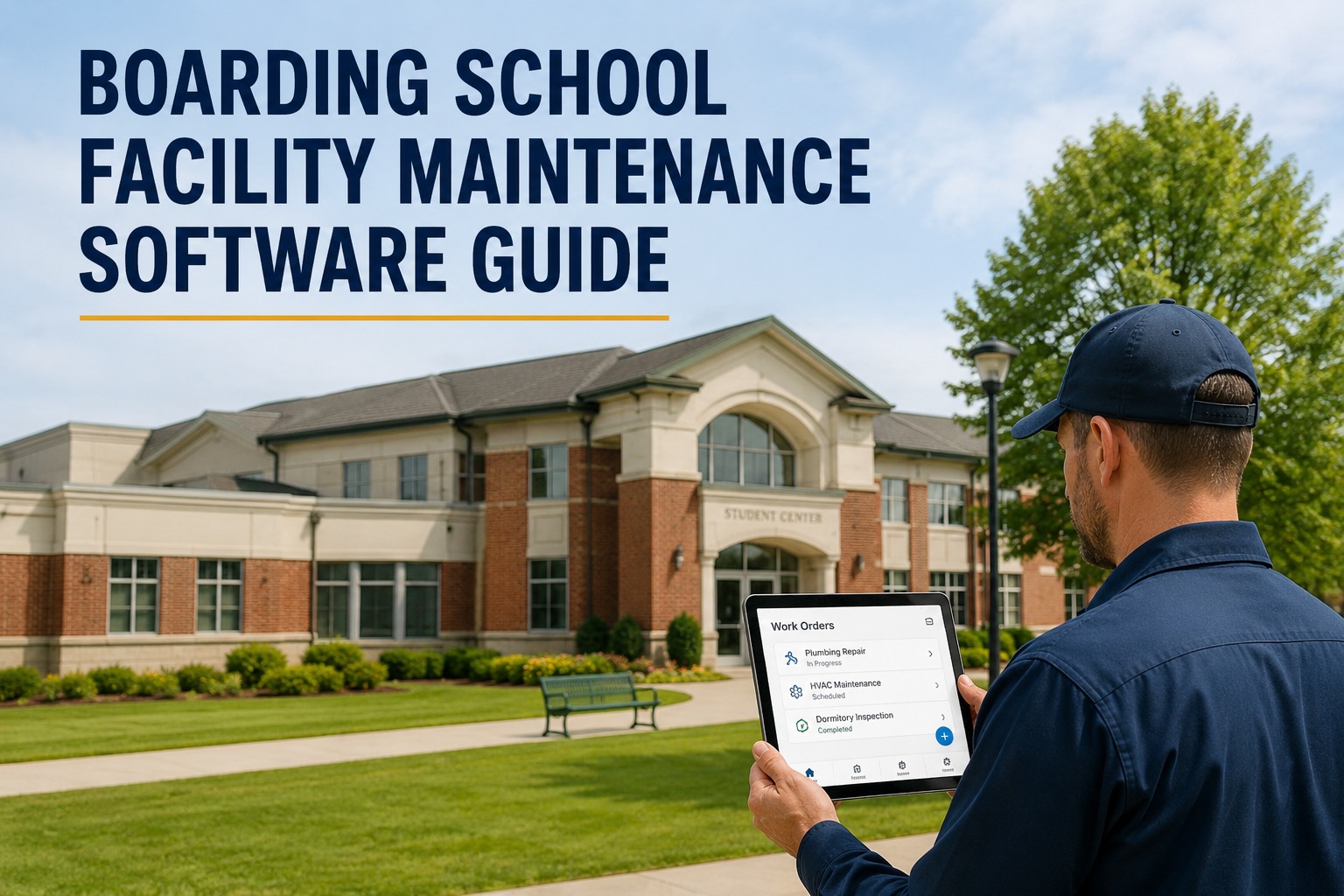
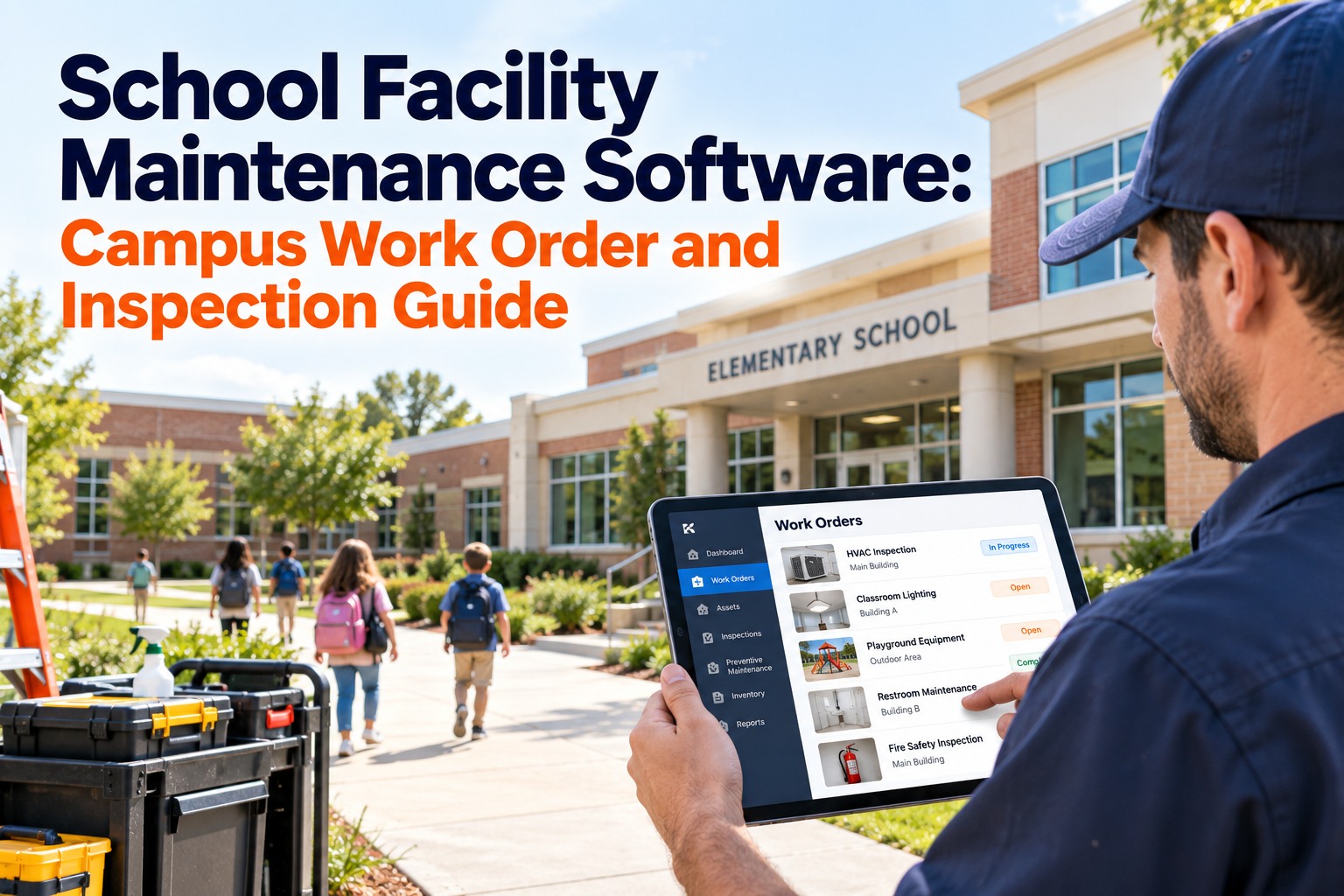
A boarding school is a peculiar and demanding facilities environment: 400 students asleep in dormitories at 2am when the boiler dies, 950 breakfast covers ready at 6:45am in a dining hall whose walk-in freezer must never fail, a 140-year-old chapel where the roof slate cannot be replaced with anything modern, an ice rink that runs from October through March, and a summer window of ten to twelve weeks — the only period without students — into which every capital project, every deferred repair, every dormitory refresh, and every athletic facility overhaul must be compressed. This is not the same operational profile as a K-12 day school. It is closer to a hospitality property that also happens to be a school, an athletic complex, a historic estate, and a residential neighborhood, all simultaneously. Every one of the roughly 300 boarding schools in North America runs this operational puzzle with a facilities team that is usually smaller than the property justifies, an alumni community with definite opinions on how the campus should look, and a Head of School who needs the facilities program to be invisible until it is exceptional. This guide walks through the academic-year rhythm that dictates when work can happen, the campus building portfolio and its diverse occupancy patterns, the summer renovation window that gets packed with a year's worth of capital work, the 24/7 after-hours response framework residential operations require, and the historic building preservation discipline that separates thoughtful stewardship from expensive mistakes. OxMaint gives boarding school facilities teams the platform to run every one of these disciplines as tracked, documented, operationally visible work. Book a free demo to see boarding school facilities inside OxMaint.
Student Presence on Campus
Jul
Aug
Sep
Oct
Nov
Dec
Jan
Feb
Mar
Apr
May
Jun
Full capacity Sep-May · Thanksgiving/winter/spring breaks visible as dips · empty Jun-Aug
Capacity for Major Projects
Jul
Aug
Sep
Oct
Nov
Dec
Jan
Feb
Mar
Apr
May
Jun
Peak Jun-Aug · usable break windows in Dec & Mar · near-zero during term weeks
The inverse relationship is absolute · every project not completed during a break becomes a term-time emergency or a next-summer deferral
10-12 wk
summer window · the only period without residential students · where the entire year's capital work compresses
24 / 7
residential operations during term · every night is a hospitality property · every failure has a minor sleeping downstream
3 × 7
meals per day, days per week · dining commons operates on a schedule that tolerates zero equipment surprises
The Campus Building Portfolio — Six Very Different Buildings
A single boarding school campus can span six or seven fundamentally different building types, each with its own occupancy pattern, its own regulatory backdrop, and its own maintenance regime. Uniform PM schedules across the portfolio leave the highest-consequence buildings under-serviced and the seasonally-used spaces over-inspected. The portfolio classification below reflects how mature boarding school facilities programs actually differentiate their building stock — and how OxMaint stores each building with its specific PM cadence flowing from its role in campus operations.
Campus Building Portfolio · Occupancy Pattern Drives PM Regime
Residential
Dormitories & Residence Halls
24/7 · Sep-May
Life safety systems · hot water · heating reliability · common area · furniture · fire doors · guest-comparable expectations
Food Service
Dining Commons & Kitchens
3 meals/day · 7 days/week
Walk-in refrigeration · commercial cooking equipment · hood suppression · dishwashing · health department cadence
Academic
Classrooms · Labs · Library
7am-9pm term time
HVAC comfort · lighting · AV/IT · science lab fume hoods · library climate control · standard commercial PM
Athletic
Gym · Pool · Rink · Fields
Season-dependent
Pool chemistry · ice plant · surfaces · lighting · injury exposure · state athletic standards
Historic
Chapel & Founder Buildings
Weekly + events
Preservation-first · slate roofing · original windows · specialized contractors · alumni scrutiny · historic building code
Central
Central Plant & Grounds
Continuous
Boilers · chillers · emergency generators · steam distribution · landscape · road/walkway · snow response
The Summer Sprint — What Actually Fits in Ten Weeks
The 10-to-12-week summer window is the single most consequential planning artifact in the boarding school FM calendar. It contains everything that could not happen during term: dormitory refreshes, roof work, athletic facility overhauls, dining hall equipment replacement, HVAC upgrades, and the historic building preservation work that specialist contractors will not schedule around occupied classrooms. The stack below reflects how mature programs organize the summer sprint — with hard-freeze scope by early April, mobilized contractor sequencing, and daily on-site coordination across parallel workstreams. OxMaint holds the entire summer plan against the campus asset tree so parallel projects do not conflict for shared resources and every deliverable is tracked to Move-In Day.
Summer Sprint · Ten-Week Compressed Execution
Wk 1
Wk 2
Wk 3
Wk 4
Wk 5
Wk 6
Wk 7
Wk 8
Wk 9
Wk 10
Dormitory Refresh
Paint · flooring · furniture · deep clean
Roof & Envelope
Slate repair · masonry · waterproofing
Athletic Facilities
Pool resurface · gym floor · field prep
HVAC & Central Plant
Boiler service · chiller overhaul · controls
Dining Equipment
Walk-in service · hood cleaning · replacements
Life Safety & Move-In
Fire alarm test · sprinkler · move-in ready
Six parallel workstreams · one shared campus · every conflict on shared electrical, water, or crane access has to be sequenced weeks in advance · Wk 10 is Move-In Day, non-negotiable
Plan the Summer From October, Not April
OxMaint holds every summer sprint project as a tracked deliverable with contractor assignments, resource conflicts, and daily progress against Move-In Day · turning the ten-week compression into visible, controlled execution.
24/7 After-Hours Response — The Residential Reality
The single most defining operational characteristic of boarding school FM is that between September and May, the campus never closes. Term-time response is not "next business day" — it is "how quickly can the on-call technician be in the dormitory basement diagnosing the boiler at 2:47 in the morning." The five-tier response framework below reflects how mature residential facilities programs classify after-hours calls, define response time expectations, and preserve the on-call team's ability to sustain that cadence for nine straight months. OxMaint routes every call to the right tier automatically and captures the full response chain for insurance and safeguarding documentation.
After-Hours Response Tiers · Residential Term Time
Tier 1
Life Safety Emergency
Immediate · <15 min on-site
Fire alarm activation · flooding · gas smell · dorm heating failure below 55°F · elevator entrapment
Tier 2
Habitability Urgent
Same night · <2 hr on-site
Loss of hot water in a dorm · dining walk-in failure before breakfast · significant plumbing leak · broken exterior door
Tier 3
Same-Day Priority
Next available day shift
Single-room heating issue · lighting outage in common area · appliance failure in one location · plumbing minor
Tier 4
Next-Day Scheduled
Within 24-48 hr
Furniture repair · cosmetic issues · non-critical equipment · routine work order requests from house parents
Tier 5
Planned / Backlog
Next break or summer
Deferred capital · seasonal work · projects requiring extended access · anything disrupting occupied spaces
OxMaint routes every ticket to the correct tier at intake · protects on-call team from burnout · documents response chain for safeguarding and insurance
Historic Buildings & Modern Systems — The Preservation Balance
Many boarding schools own buildings older than the United States. Others own founder-era 19th-century assets that carry historic designation, alumni sentiment, and preservation ordinances that constrain what can be replaced with what. The tension between modern building system requirements and historic preservation is a permanent operational fact — and one that costs schools significant money when it is navigated poorly. The framework below reflects the two disciplines mature programs balance simultaneously, with OxMaint holding both the historic asset record and the modern system integration in a single tracked view.
Historic Preservation vs Modern Systems · Both Are Required
Preservation Discipline
Original materials preferred · replacement in-kind when unavoidable
Specialty trades · slate, masonry, leaded glass, historic millwork
Documentation of original building fabric · photographs and specifications
Alumni and preservation office review of visible changes
State/local historic register compliance
Modern Systems Discipline
Life safety systems retrofitted to current code — non-negotiable
HVAC, plumbing, electrical brought to current standard
ADA accessibility improvements where feasible
Energy efficiency upgrades hidden from visible fabric
Fire suppression integrated without altering historic character
Both disciplines run concurrently on the same asset · OxMaint tracks the historic record and the modern systems status side by side · thoughtful stewardship depends on visibility of both
Executive Perspective · What Modern Boarding School FM Looks Like
Every Head of School eventually understands the same thing about facilities: the parents notice everything. They notice the paint in the dormitory corridor when they drop off their child in September. They notice the temperature in the chapel at graduation in May. They notice the condition of the athletic facility when they visit for Parents Weekend. They notice the food in the dining commons at every meal. And they notice the grounds every single time they walk across campus. Their child spends the year on this property — and their tuition, their donations, and their alumni loyalty follow that lived experience. What separates the boarding schools that keep alumni engagement strong from the ones that lose it is not the size of the endowment. It is whether the facilities operation runs at the level of thoughtful, invisible discipline that hospitality properties achieve. That requires a facilities team with the operational tools of a hospitality property — asset visibility, PM cadence, work order tracking, contractor coordination, summer project management, and the capacity to run 24/7 residential response for nine months without burning out. When we moved our program onto OxMaint, that transformation happened quickly. The team stopped reacting and started operating. And the campus — from the historic chapel to the newest dormitory — started looking the way alumni remember it. That is the entire operational goal.
Every Building Has a Discipline
OxMaint applies the correct PM regime per building type · dormitory, dining, chapel, athletic, academic, central plant.
Summer Is Planned From October
The ten-week window is fully scoped, resourced, and sequenced against Move-In Day months before contractors mobilize.
24/7 Response Is Sustainable
Tiered routing protects the on-call team · documented response chain protects the school.
Run Your Campus the Way Alumni Remember It
If your facilities program still runs on paper work orders, disconnected spreadsheets, and one Director of Facilities' memory, you are one Move-In Day surprise or one Parents Weekend inspection away from an operational problem alumni notice. See what OxMaint — a maintenance management platform built for residential and independent school operations — looks like against your campus.
Frequently Asked Questions
What makes boarding school facilities management different from K-12 day schools?
The core difference is 24/7 residential operation during term. A day school closes at 3pm; a boarding school never closes between September and May. That single fact drives a residential response framework, dormitory PM cadence, dining commons reliability standards, and after-hours on-call staffing that day schools never require. The other major difference is the summer window — 10-12 weeks compressed with all capital work — and the historic building portfolio many independent schools own.
How should we plan the summer renovation window?
Scope-freeze the summer plan by early April at the latest. Sequence contractors against shared resources (electrical, water, crane access) weeks before mobilization. Assign each project to a tracked workstream with weekly milestone reviews. Reserve the final two weeks for life safety verification, cleaning, and Move-In readiness — non-negotiable buffer. OxMaint holds the entire summer sprint as tracked deliverables so parallel projects do not collide and every scope item is visible against Move-In Day.
How do we structure 24/7 after-hours response for residential dorms?
Use a five-tier response framework: Tier 1 life safety emergency (immediate, under 15 minutes on-site); Tier 2 habitability urgent (same night, under 2 hours); Tier 3 same-day priority (next day shift); Tier 4 next-day scheduled (24-48 hours); Tier 5 planned backlog (next break or summer). Every ticket routes to a tier at intake based on defined criteria. OxMaint automates the routing and captures the full response chain for safeguarding and insurance documentation.
How do we balance historic preservation with modern building code compliance?
Life safety and current code are non-negotiable — they take precedence over preservation in every jurisdiction. The discipline is to bring modern systems into the historic building fabric with minimum visible impact: fire suppression retrofitted in service corridors, HVAC integrated through original chases, ADA improvements at less-visible entries where feasible. Both records live in the CMMS so future decisions have full context of what has been done and what remains.
What building types typically exist on a boarding school campus?
Six major categories: Residential (dormitories, 24/7 during term); Food Service (dining commons and kitchens, 3 meals/day); Academic (classrooms, labs, library, 7am-9pm term time); Athletic (gym, pool, rink, fields, season-dependent); Historic (chapel, founder buildings, preservation-first); Central (utility plant, grounds, continuous operation). Each carries its own PM regime, regulatory backdrop, and consequence profile that a mature CMMS classifies and schedules automatically.
Why does a boarding school need a CMMS specifically built for its operational profile?
Because the operational profile combines residential, hospitality, athletic, academic, historic, and central utility characteristics simultaneously — with a summer compression window unlike any other sector. A CMMS built for straight K-12 misses residential response, historic preservation, and summer sprint planning. A CMMS built for hospitality misses academic calendar rhythm and preservation constraints. OxMaint handles the full profile in one platform, with configurable classification per building and per work stream.