A walk-in freezer compressor can start failing at 2 a.m. on a Saturday and nobody finds out until a supervisor opens the door Monday morning to a room full of spoiled product. That gap — the hours or days between when a refrigeration system starts drifting out of range and when a human actually notices — is where most cold chain losses actually happen, not in the mechanical failure itself. A single undetected excursion in frozen storage commonly destroys well over $100,000 in inventory once disposal, regulatory response, and replacement costs are added up. Closing that detection gap is less about better refrigeration hardware and more about connecting sensor data to a maintenance system that acts on it immediately. Sign up to connect your cold chain sensors to OxMaint and see exactly how fast a temperature deviation becomes a work order.
The Equipment Failed Hours Before Anyone Knew. That's the Real Cost.
Most cold chain losses aren't caused by refrigeration failing — they're caused by refrigeration failing quietly, for hours, before anyone checks. IoT sensor integration closes that gap by turning a temperature deviation into an immediate maintenance action instead of a Monday-morning discovery.
Four Failure Modes That Start Small and End Expensive
Refrigeration rarely fails all at once. Door gaskets wear gradually, coils foul slowly, and compressors show pressure drift weeks before they actually stop. Every one of these failure modes gives off a measurable signal long before the temperature alarm finally trips — the question is whether anything is reading that signal.
A degrading seal lets warm air infiltrate constantly, forcing the compressor to run longer to hold setpoint. Runtime sensors catch the rising duty cycle days before a technician would notice anything by sight.
Dust and ice buildup on coils reduces heat transfer gradually. A slow upward creep in average storage temperature — invisible on a daily spot-check — shows clearly on a continuous sensor trend line.
A defrost timer or heater that fails leaves frost building on the evaporator, choking airflow over hours. Temperature sensors paired with defrost-cycle logging flag the pattern before frost blocks airflow entirely.
Rising discharge pressure or falling suction pressure typically precedes a compressor failure by weeks. Sensor-fed trend data turns that drift into an early work order instead of an emergency callout.
Turn Every Sensor Reading Into a Maintenance Decision
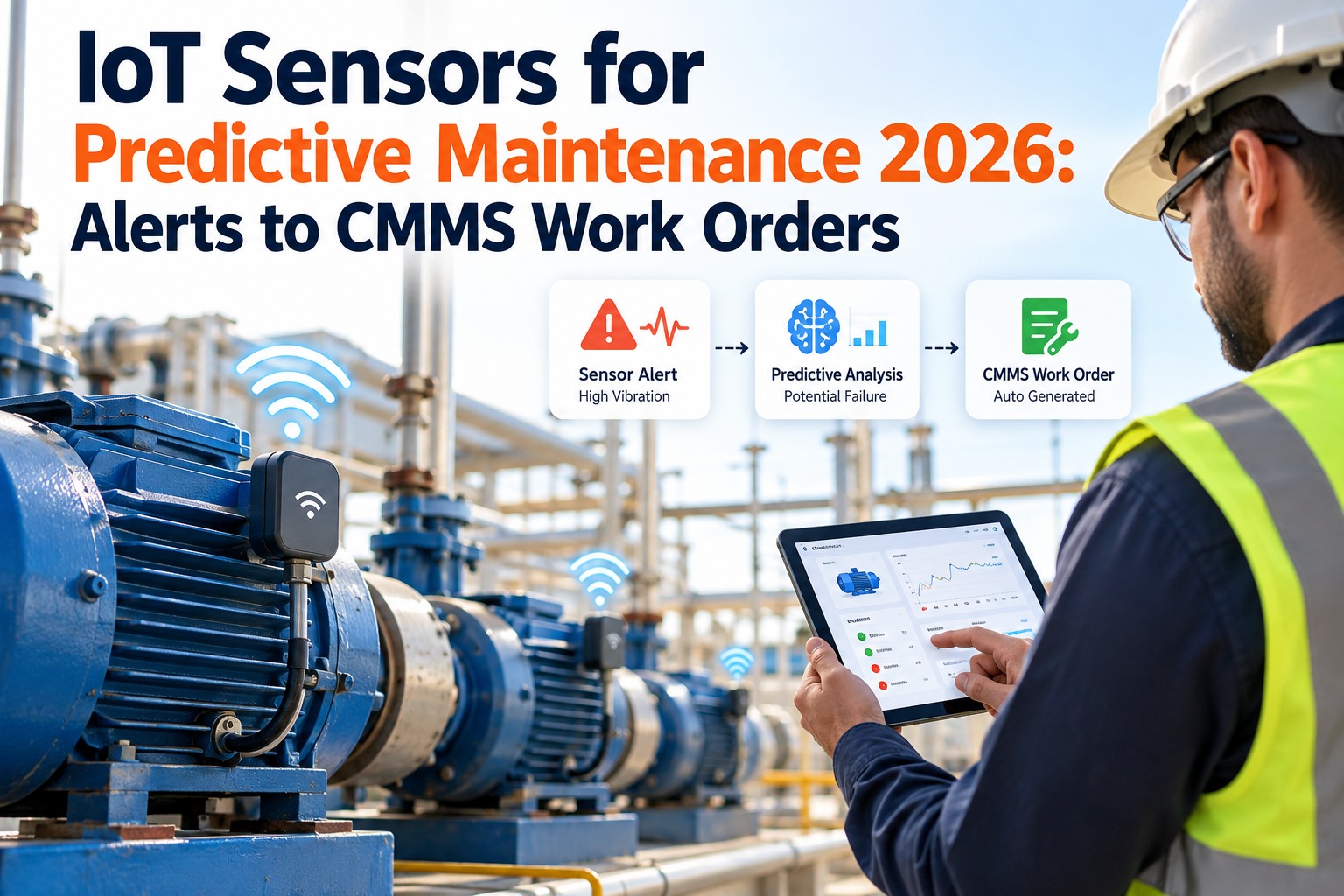
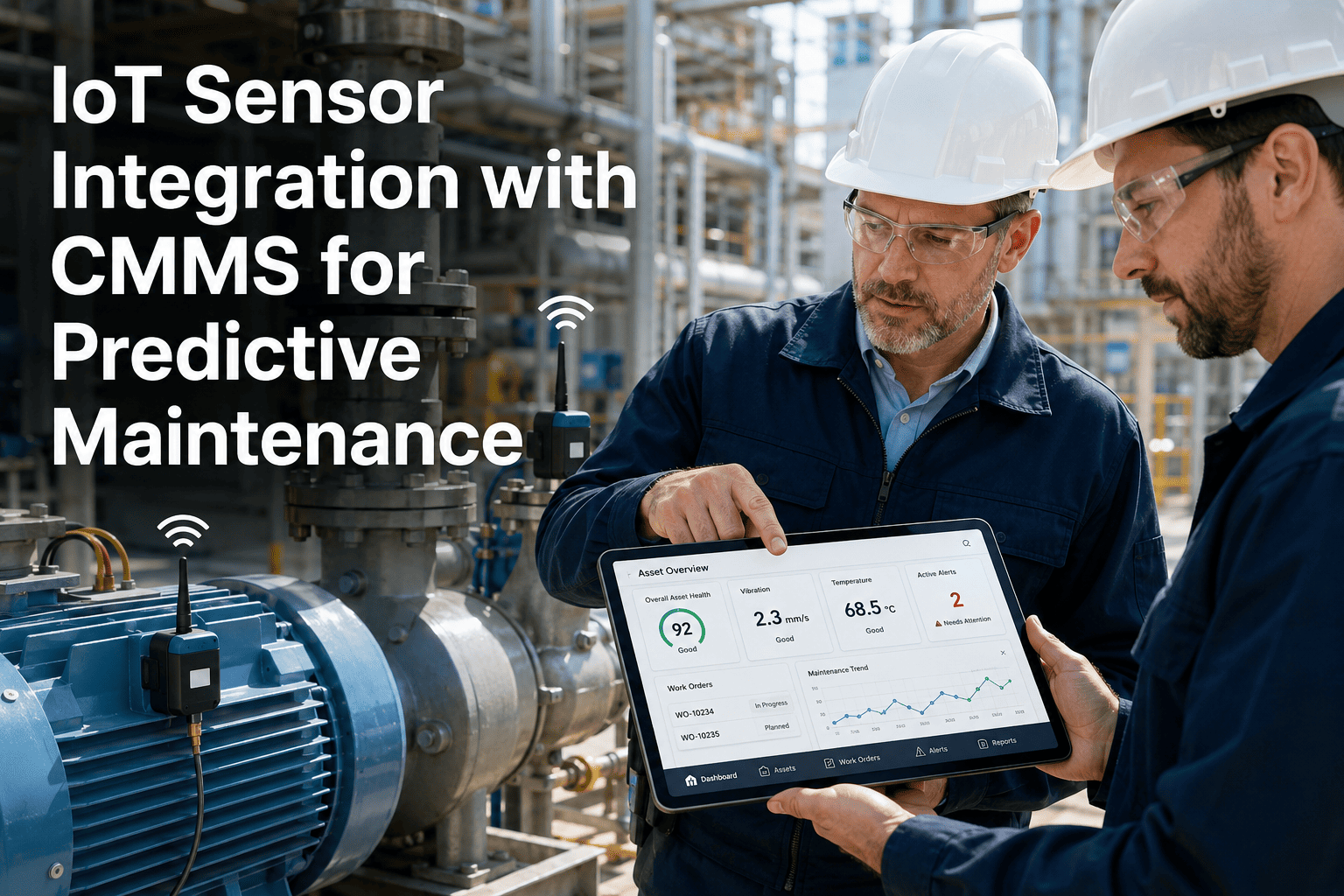
OxMaint connects your cold chain IoT sensors directly to PM schedules and work orders — so a temperature or pressure deviation triggers action immediately instead of waiting for the next manual round.
How Sensor Data Moves From Equipment to Action
Temperature, humidity, and door-open sensors stream readings around the clock from every cold storage zone — not a manual check every few hours.
Warning and critical setpoints are configured per zone, so a reading trending toward the limit triggers a flag well before it crosses into an actual excursion.
A flagged reading creates a work order immediately, pre-filled with the asset, the zone, and the specific threshold that was breached — no manual triage required.
The reading, the alert, the technician response, and the corrective action all attach permanently to the asset — building the audit trail regulators expect to see.
Manual Checks vs. Sensor-Connected Maintenance
| Aspect | Manual Temperature Checks | OxMaint + IoT Sensors |
|---|---|---|
| Monitoring frequency | Every few hours during a shift, if not missed | Continuous, around the clock, every zone |
| Time to detect a slow drift | Hours to days, depending on check intervals | Minutes, as soon as the trend crosses threshold |
| Response after detection | Verbal handoff, manual work order creation | Work order generated automatically and assigned |
| Record for an audit request | Paper logs compiled from multiple shift sheets | Timestamped sensor and response history exported in minutes |
| Early warning before failure | Rare — most issues found at the alarm point | Common — drift flagged before crossing critical setpoint |
Frequently Asked Questions
Every Hour Between Failure and Detection Has a Dollar Value
The mechanical failure rarely costs as much as the time it takes to notice it. OxMaint connects your cold chain sensors directly into maintenance action — so drift becomes a work order in minutes, not a spoiled batch discovered on Monday.