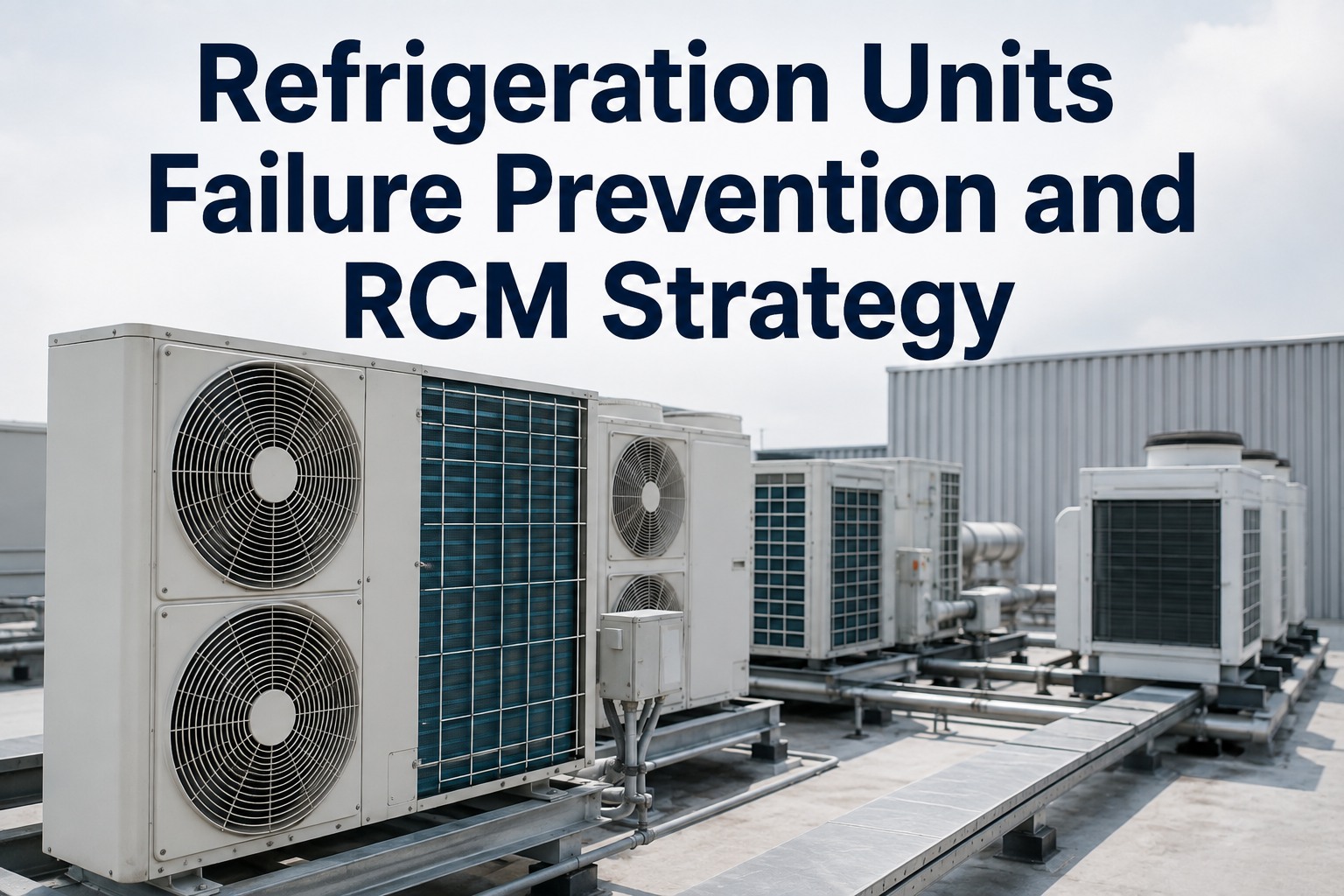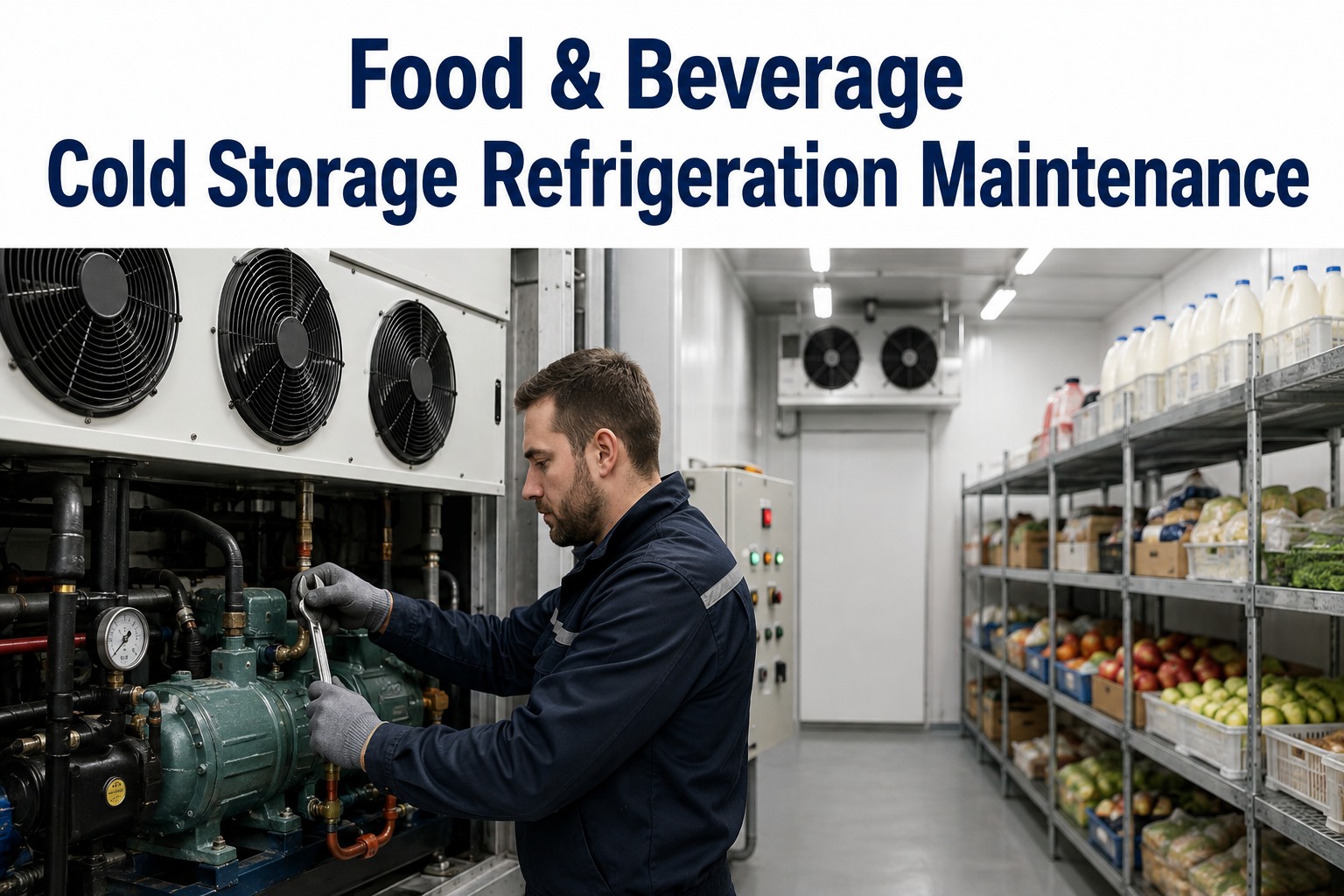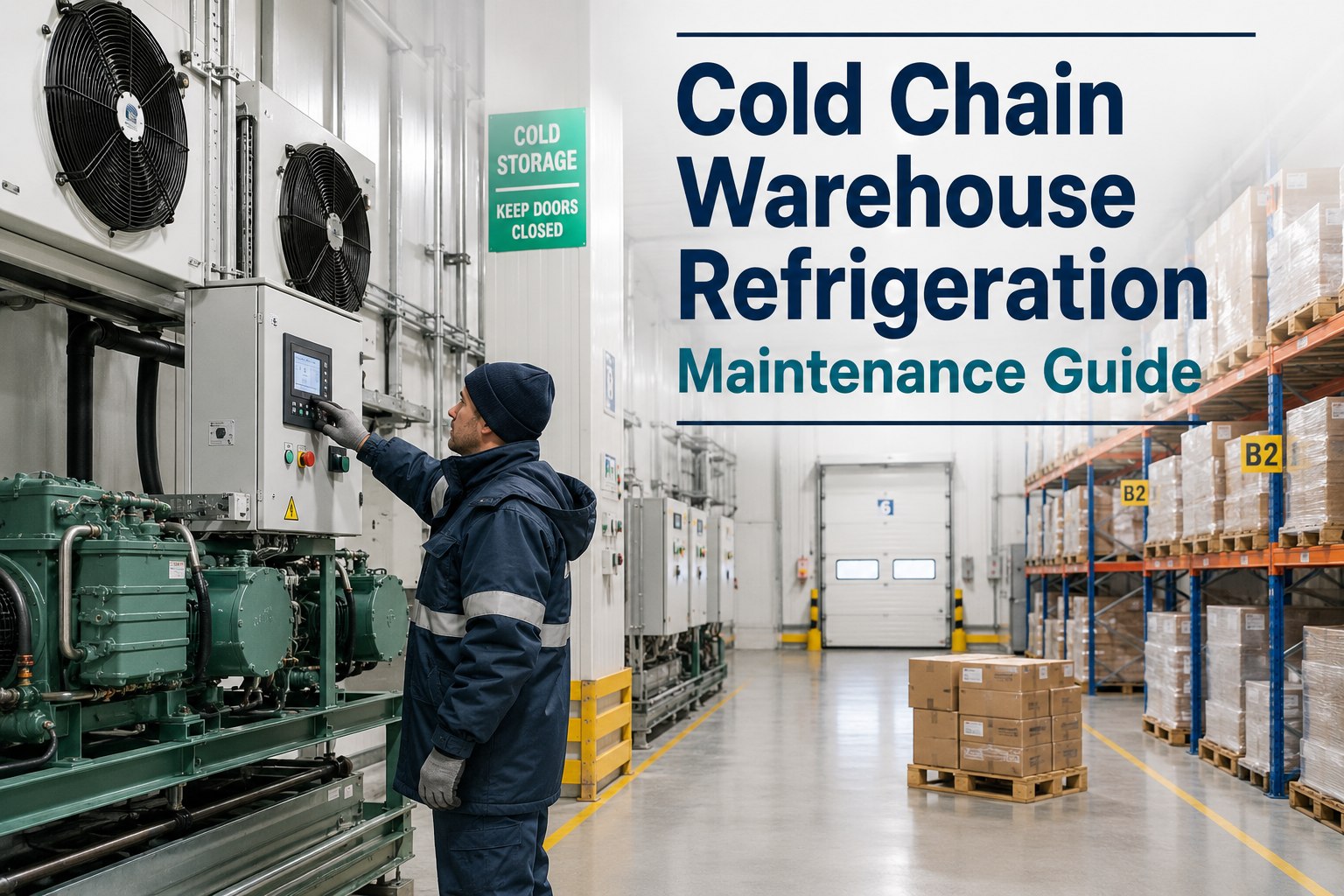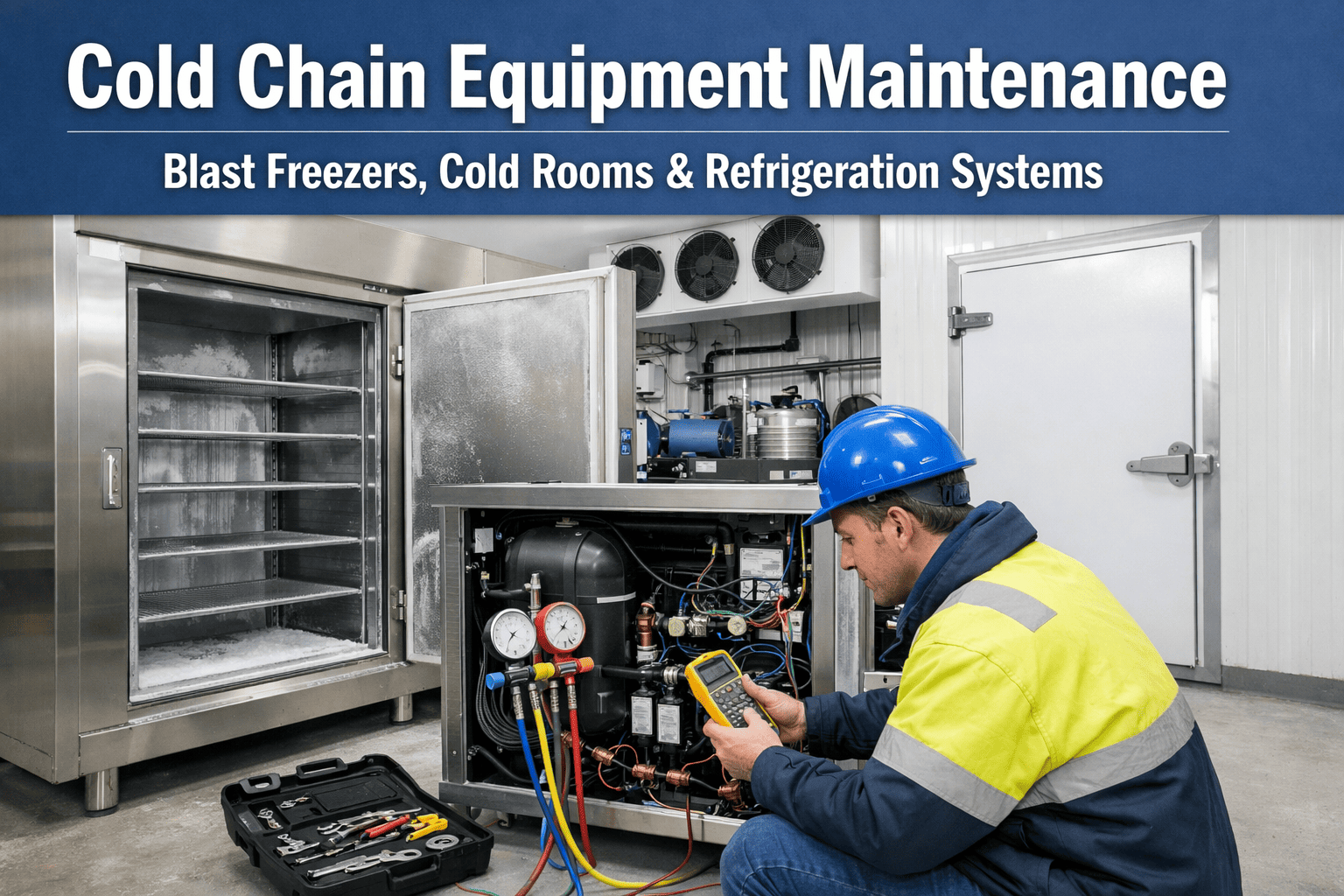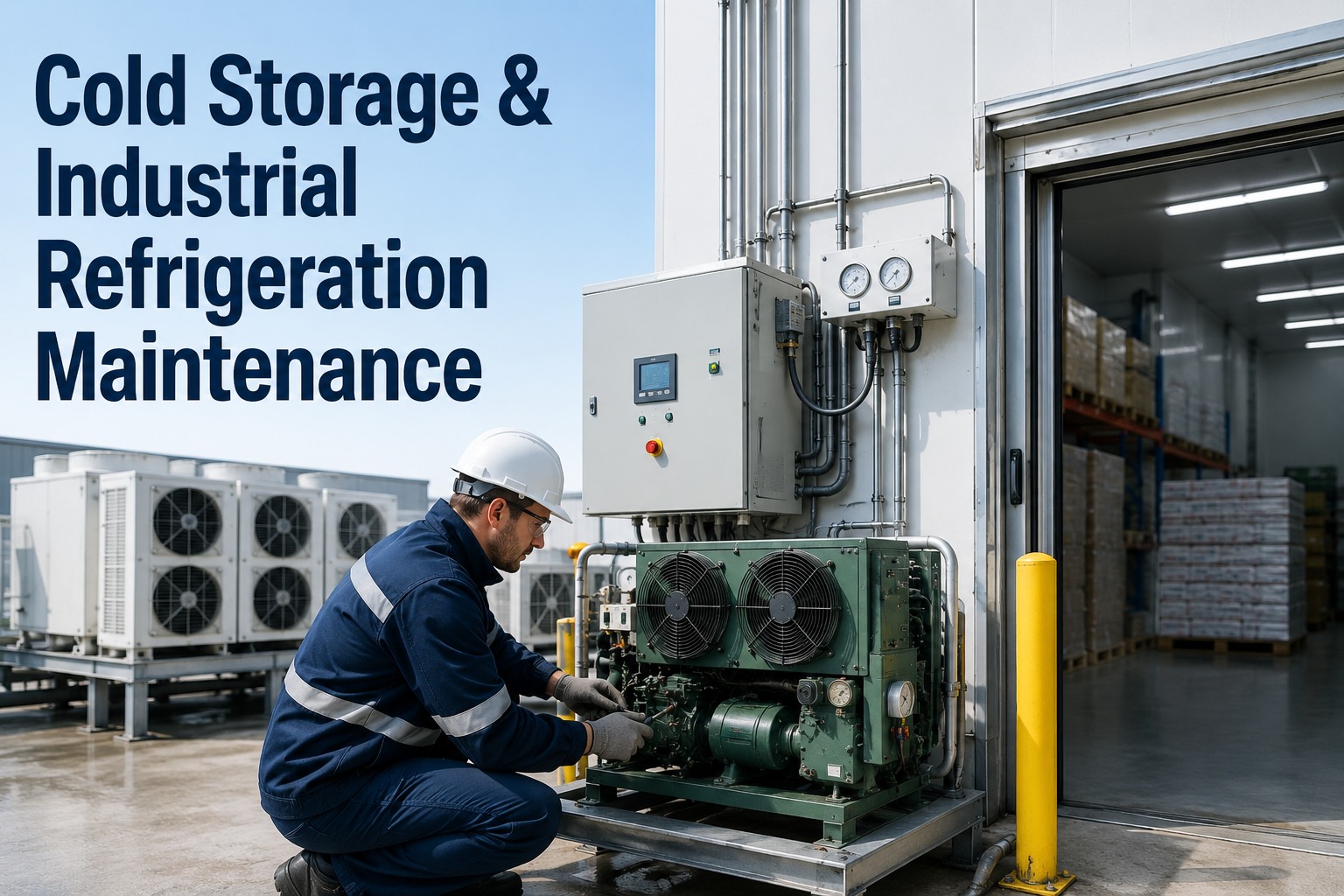
Cold storage maintenance and industrial refrigeration maintenance encompass the disciplined upkeep of compressors, condensers, evaporators, and refrigerant systems to prevent catastrophic product loss, ensure regulatory compliance, and control energy consumption. Facilities operating ammonia-based systems over 10,000 pounds must adhere to OSHA Process Safety Management (PSM), while all refrigerant handling falls under EPA Section 608, making defensible documentation critical. A single undetected refrigerant leak or compressor failure can compromise cold chain integrity, risking inventory valued in the millions and triggering severe regulatory penalties. OxMaint provides the AI-powered CMMS structure needed to automate preventive maintenance, track compliance workflows, and integrate temperature monitoring, keeping your cold storage facility operational and audit-ready. You can Start Free Trial today to immediately upgrade your refrigeration reliability program.
Is a single compressor failure putting your cold chain and compliance at risk?
Unplanned downtime in industrial refrigeration doesn't just halt operations—it spoils inventory, triggers EPA and PSM audit failures, and inflates energy costs by up to 30%. Take control of your maintenance before a minor leak becomes a major catastrophe.
Cold Storage Equipment Maintenance Checklist
Effective cold storage facility maintenance requires strict adherence to manufacturer specifications and regulatory standards. Use this tiered checklist to structure your daily, weekly, and monthly preventive maintenance tasks within your CMMS.
- Inspect oil levels, pressure differentials, and compressor vibration weekly.
- Clean condenser coils and verify subcooling parameters to optimize energy efficiency.
- Log discharge temperatures; investigate any deviation exceeding 5% from baseline.
- Schedule oil and filter changes based on operating hours and lab analysis results.
- Execute weekly defrost cycles and inspect heater element continuity.
- Clear drain lines and verify pan heaters to prevent ice buildup in the evaporator.
- Calibrate thermal expansion valves (TXV) to maintain proper superheat settings.
- Inspect fan blades and motors for wear, ensuring even airflow across the coil.
- Verify ammonia leak detector calibration and alarm setpoints monthly.
- Document Mechanical Integrity (MI) inspections as required by OSHA PSM.
- Inspect relief valve piping and ensure unobstructed discharge to safe atmospheres.
- Maintain oil drain logs to prevent system contamination and reduce condenser load.
PSM, EPA Section 608 & Cold Chain Compliance Requirements
Industrial refrigeration maintenance is heavily regulated. A defensible CMMS audit trail is the only way to prove compliance during surprise OSHA or EPA inspections. Here is how the core standards apply to your facility.
| Standard / Regulation | Applicability | CMMS Compliance Action |
|---|---|---|
| OSHA PSM (29 CFR 1910.119) | Ammonia refrigeration systems over 10,000 lbs | Schedule and document Mechanical Integrity (MI) inspections, Management of Change (MOC), and incident investigations. |
| EPA Section 608 | All stationary refrigeration systems using regulated refrigerants | Track refrigerant inventory, log leak repair timelines (30-day rule), and maintain technician certification records. |
| FSMA (Sanitary Transportation) | Food refrigeration and cold chain logistics operations | Generate automated temperature monitoring logs and maintenance records to verify cold chain integrity. |
| IIAR-2 (Safe Design) | Closed-circuit ammonia mechanical refrigeration systems | Automate relief valve testing, compressor safety switch validation, and emergency response equipment checks. |
How OxMaint Secures Cold Storage Reliability
OxMaint transforms reactive refrigeration maintenance into a predictive, compliance-driven engine. By connecting your critical assets to an AI-powered CMMS, you eliminate paper work orders and prevent failures before they threaten your cold chain.
Predictive Asset Health
Integrate temperature and vibration sensors to predict refrigeration compressor failures before they happen, cutting unplanned downtime by up to 45% and protecting product integrity.
Automated PSM & EPA Workflows
Digitize Mechanical Integrity inspections and EPA Section 608 refrigerant leak logs. OxMaint generates a defensible, time-stamped audit trail instantly accessible for OSHA and EPA reviews.
Real-Time Cold Chain Monitoring
Trigger automatic emergency work orders when temperature monitoring integrations detect deviations, ensuring food refrigeration safety standards are maintained 24/7 without manual oversight.
Spare Parts & Inventory Control
Maintain critical spare inventory for valves, compressors, and ammonia safety gear. Auto-reorder points prevent delays in cold storage equipment maintenance during emergency breakdowns.
The Cost of Reactive vs. Preventive Cold Storage Maintenance
Moving from a reactive break-fix model to a structured preventive maintenance program drastically reduces energy waste, emergency repair labor, and product loss. Calculate your potential savings.
180-Asset Cold Storage Plant
A regional food refrigeration facility operating 180 assets was spending $42,000 annually on emergency ammonia compressor rebuilds and spoiled inventory. By implementing OxMaint for automated PMs and predictive monitoring, they reduced emergency breakdowns by 60%, cut energy consumption by 12%, and achieved full ROI in just 4.2 months.
See OxMaint on your assets — book a 30-min demo
Discover how an AI-powered CMMS can secure your cold chain, automate PSM compliance, and cut your refrigeration energy costs. Our reliability engineers will map your exact workflow live.
Cold Storage & Refrigeration Maintenance FAQs
What is cold storage maintenance?
Cold storage maintenance is the systematic upkeep of industrial refrigeration systems—including compressors, evaporators, and condensers—to ensure temperature stability, prevent product spoilage, and maintain energy efficiency. It relies heavily on a CMMS to schedule preventive tasks, track asset history, and document compliance with cold chain regulations.
How often should industrial refrigeration be serviced?
Industrial refrigeration maintenance should occur on daily, weekly, and monthly intervals depending on the component. Compressor oil levels and temperatures require daily checks, while major components like safety relief valves and thermal expansion valves require quarterly or annual calibration. Using a CMMS like OxMaint ensures these schedules are strictly enforced and documented.
Does OSHA PSM apply to ammonia refrigeration?
Yes, OSHA Process Safety Management (PSM) applies to any ammonia refrigeration system containing more than 10,000 pounds of ammonia. Facilities must conduct regular Mechanical Integrity inspections, maintain safety data, and document Management of Change. You can Start Free Trial to automate these PSM compliance workflows directly within OxMaint.
How does a CMMS improve cold chain reliability?
A CMMS improves cold chain reliability by automating preventive maintenance schedules, integrating with IoT temperature sensors to trigger instant work orders, and providing predictive analytics to identify failing assets before they break. This eliminates manual tracking errors and ensures continuous, defensible temperature control for food refrigeration.
What are the most common causes of refrigeration system failure?
The most common causes of refrigeration system failure include refrigerant leaks, dirty condenser coils, inadequate lubrication, and thermal expansion valve failures. Regular industrial refrigeration maintenance—specifically tracking vibration, superheat, and subcooling metrics—catches these issues early, preventing catastrophic downtime.
Protect Your Cold Chain with OxMaint
Stop reacting to refrigeration failures. Implement an AI-powered CMMS that predicts breakdowns, automates PSM and EPA compliance, and secures your inventory around the clock.
Free 14-day trial · No credit card required