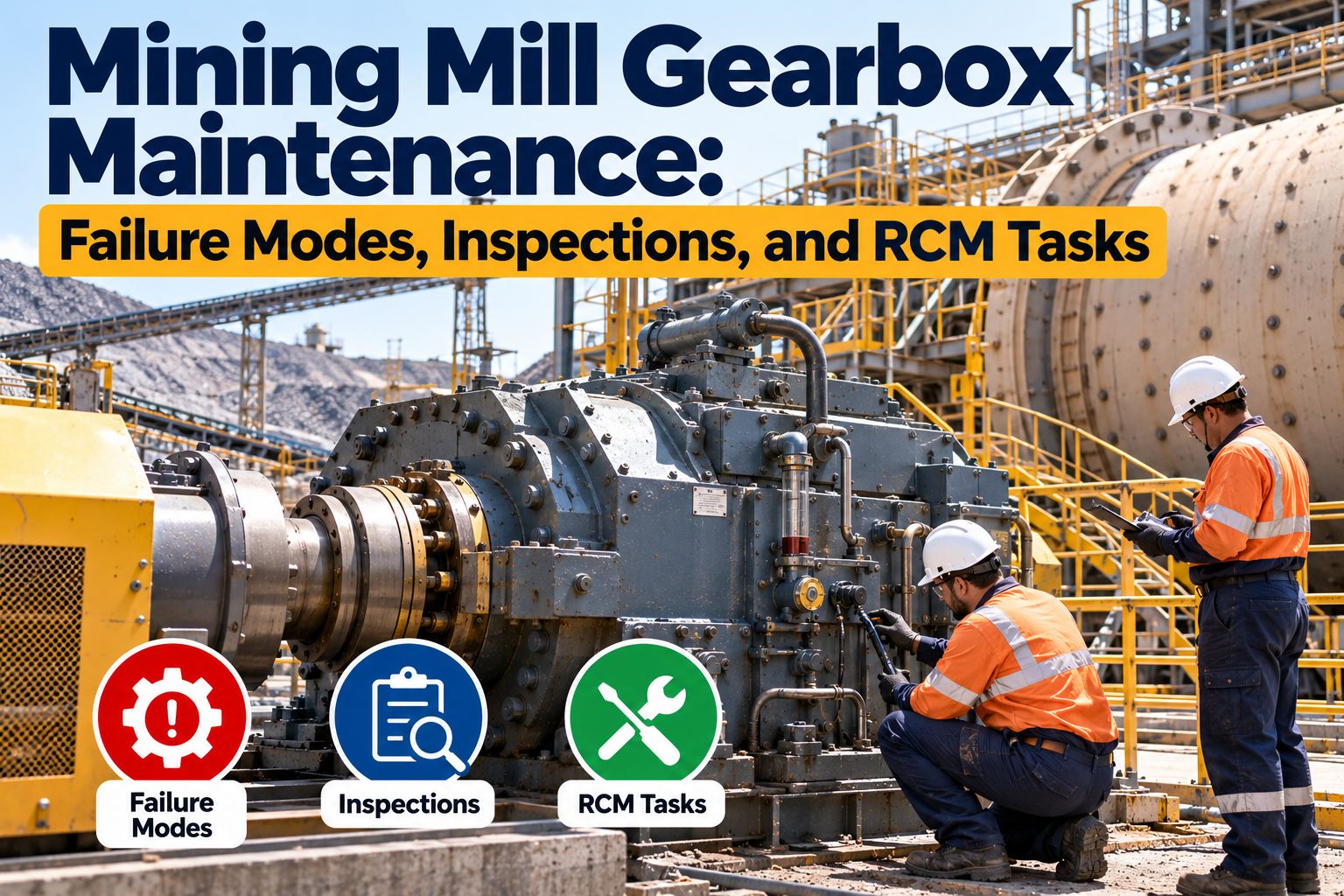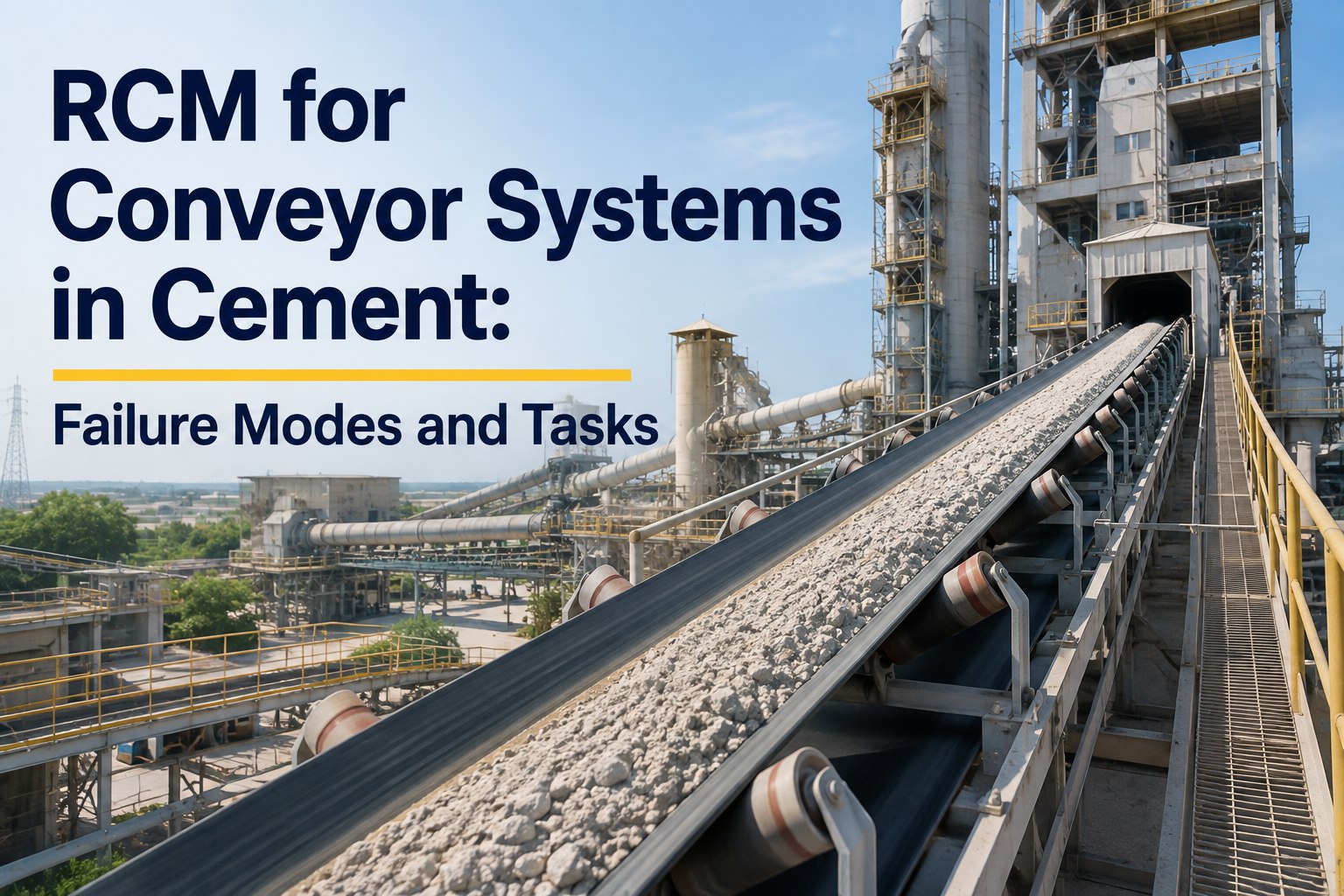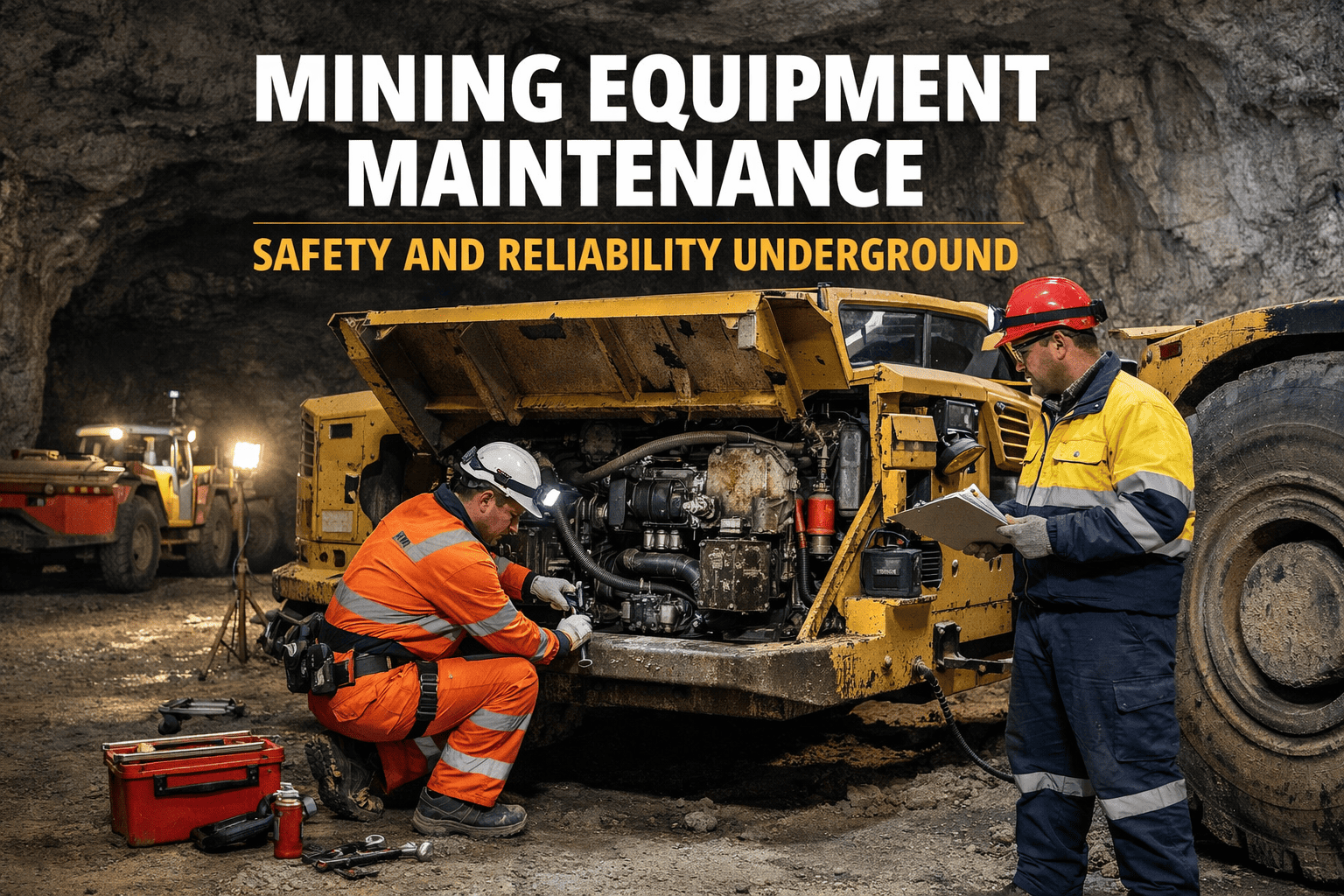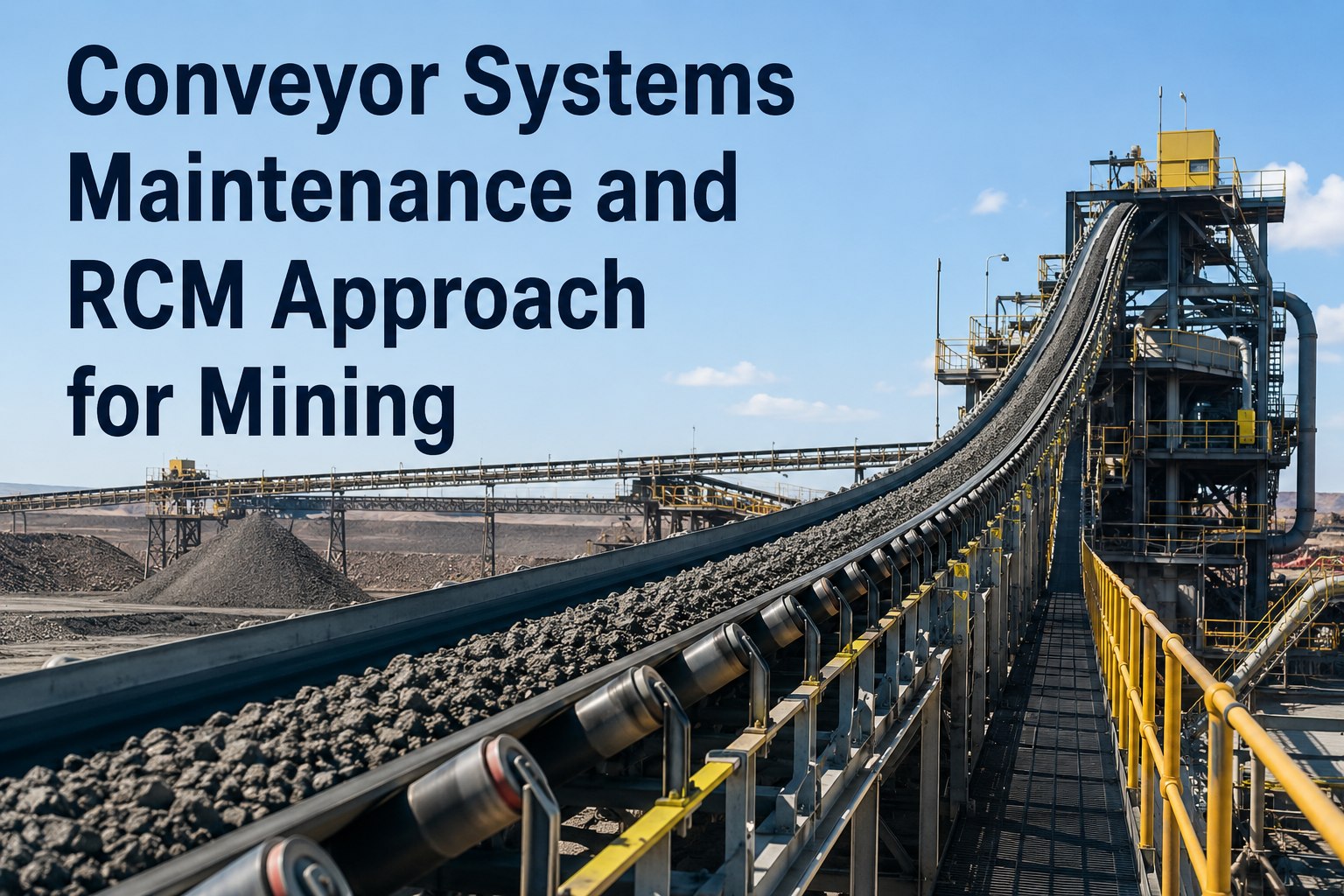
Reliability Centered Maintenance (RCM) for conveyor systems in mining and metals operations is the systematic process of matching each component's failure mode to the most effective maintenance strategy — whether that's condition monitoring, scheduled restoration, or deliberate run-to-failure. Mining conveyors move millions of tonnes of ore annually, and a single unplanned stoppage can halt an entire processing circuit, costing $10K–$50K per hour in lost production. This guide walks through the failure modes that matter most, the monitoring techniques that catch them early, and the RCM decision logic that turns reactive firefighting into controlled reliability. OxMaint's CMMS platform is built specifically for this transition — automating PM schedules, tracking asset condition, and turning conveyor maintenance data into decisions. Start Free Trial to see how it works on your assets.
How Do You Stop Conveyor Failures Before They Stop Production?
Mining and metals operations lose an average of 23 hours per month to unplanned conveyor downtime. Reliability Centered Maintenance cuts that by 40–60% — here's the framework that works.
What Are the Most Common Conveyor Systems Failure Modes in Mining and Metals?
Belt mistracking, idler bearing seizure, and drive motor overheating account for 68% of all conveyor downtime in mining operations. Understanding which components fail — and why — is the first step in any RCM analysis.
Belt Mistracking & Damage
Misaligned belts cause edge wear, material spillage, and premature splice failure. Impact damage from oversized ore or tramp metal accounts for 35% of belt replacements. Detection: visual inspection + belt rip detection systems.
Idler & Pulley Bearing Failure
Contamination, lubrication breakdown, and misalignment cause bearing seizure. A single failed idler can damage 50+ meters of belt before detection. Detection: vibration analysis, thermal imaging, acoustic monitoring.
Drive Motor & Gearbox Issues
Overheating, insulation breakdown, and gear wear from shock loading or inadequate lubrication. Motor failures average 18 hours to repair vs 4 hours for planned replacement. Detection: current signature analysis, oil analysis, temperature trending.
How Does the RCM Decision Process Work for Mining Conveyor Systems?
RCM asks seven questions for each component, but the core decision is simple: if a failure mode is detectable and the consequences justify it, use condition monitoring. If not, choose scheduled maintenance or run-to-failure based on cost and criticality.
Identify Functions & Performance Standards
What must this conveyor do? (e.g., "Transport 2,500 tph of crushed ore from crusher to mill feed bin at 98% availability during operating hours.")
Define Functional Failures
How can it fail to meet that standard? (Total stoppage, reduced capacity, excessive spillage, unsafe operation.)
List Failure Modes & Causes
What causes each functional failure? (Idler bearing seizure due to dust ingress, belt rip from tramp metal, motor overload from chute blockage.)
Assess Failure Consequences
Safety/environmental? Operational (production loss)? Non-operational (repair cost only)? Hidden failure? This determines maintenance strategy.
Select Proactive Maintenance Task
Condition-based (if detectable), scheduled restoration/discard (if age-related), or failure-finding (for hidden functions). If none apply, run-to-failure with spares strategy.
Best Monitoring Techniques for Conveyor Systems Reliability in Mining & Metals
Condition monitoring detects 78% of conveyor failures 2–6 weeks before breakdown, giving you time to plan repairs during scheduled downtime instead of losing production to emergency stoppages.
| Technique | What It Detects | Best For | Typical Lead Time |
|---|---|---|---|
| Vibration Analysis | Bearing wear, imbalance, misalignment, gear tooth damage | Drive motors, gearboxes, pulley bearings | 4–8 weeks |
| Thermal Imaging | Overheating bearings, electrical hotspots, belt friction | Motors, electrical panels, idlers, couplings | 1–3 weeks |
| Oil Analysis | Gear wear, contamination, lubricant breakdown | Gearboxes, hydraulic systems | 6–12 weeks |
| Belt Rip Detection | Longitudinal belt tears, splice separation | Critical conveyors with high replacement cost | Immediate (prevents catastrophic loss) |
| Current Signature Analysis | Motor rotor bar issues, load anomalies, coupling problems | Drive motors (especially high-horsepower) | 3–6 weeks |
A 12-kilometer overland conveyor system at a copper mine in Chile reduced unplanned downtime from 34 hours/month to 11 hours/month by implementing vibration monitoring on 84 drive and pulley bearings — a 68% improvement worth $2.1M annually in avoided production losses.
What Should a Conveyor Systems PM Schedule Include for Mining Operations?
A risk-based PM schedule balances inspection frequency with failure consequence. Critical conveyors (single point of failure for production) get weekly inspections; redundant systems can run monthly cycles.
Daily / Shift Checks (Operator Rounds)
- Belt tracking and spillage observation
- Unusual noise, vibration, or heat (touch/sound)
- Drive motor current draw (from control room)
- Safety devices functional (pull cords, belt sway switches)
Weekly / Monthly (Maintenance Team)
- Idler inspection (rotate sample, listen for bearing noise)
- Belt splice condition and wear measurement
- Gearbox oil level and leak check
- Pulley lagging wear and alignment verification
- Vibration data collection (route-based or wireless sensors)
OxMaint automates this entire PM schedule — generating work orders, assigning technicians, tracking completion, and escalating overdue tasks. No more spreadsheets or missed inspections. Book a Demo to see it in action.
How OxMaint Transforms Conveyor Systems Maintenance in Mining and Metals
OxMaint is an AI-powered CMMS + EAM platform built for mining and metals operations — turning RCM strategy into daily execution across every conveyor, technician, and shift.
Automated PM Scheduling
Set inspection frequencies by asset criticality and OxMaint generates work orders automatically — daily operator rounds, weekly idler checks, monthly vibration routes. Cut missed PMs by 85% and ensure compliance with audit-ready completion records.
Asset Hierarchy & Failure Tracking
Model your conveyor systems (drive → pulley → idler → belt) and track failure modes by component. OxMaint's analytics show which assets consume the most downtime and cost — so you know where to focus RCM improvement efforts. Reduce repeat failures by 40%.
Mobile Technician App
Technicians access work orders, checklists, and asset history from the field — even offline. Log condition observations, capture photos of belt damage, and close work orders in real time. Eliminate paper work orders and cut administrative time by 60%.
Condition Monitoring Integration
Connect vibration sensors, oil analysis labs, and thermal imaging data to OxMaint. When a bearing shows elevated vibration, OxMaint auto-generates a work order before failure occurs. Predict failures 4–6 weeks early and avoid $10K–$50K/hour downtime events.
See OxMaint on Your Conveyor Assets — Book a 30-Min Demo
We'll show you how mining and metals teams use OxMaint to cut conveyor downtime 40–60% with automated PM schedules, condition monitoring, and mobile work orders.
Conveyor Systems RCM for Mining & Metals — Frequently Asked Questions
What is the difference between preventive maintenance and RCM for conveyor systems?
Preventive maintenance applies fixed-interval tasks (e.g., "lubricate bearings every 3 months") regardless of actual condition. RCM analyzes each failure mode and chooses the most effective strategy — condition monitoring for detectable failures, scheduled replacement for age-related wear, or run-to-failure for low-consequence components. RCM typically reduces maintenance costs 20–30% while improving reliability.
How often should mining conveyor idlers be inspected?
Critical conveyors (single point of failure) should have idlers inspected weekly via rotation sampling and acoustic checks. Non-critical or redundant systems can run monthly cycles. High-risk areas (loading zones, tripper sections) may need daily visual checks. OxMaint automates these schedules and tracks completion — Start Free Trial to see how.
What is the ROI of condition monitoring for conveyor systems?
A typical mining conveyor condition monitoring program costs $15K–$40K annually (sensors, software, analysis labor) and prevents 2–4 major unplanned failures per year. At $10K–$50K per hour of downtime, avoiding just one 8-hour emergency repair pays for the entire program. Most operations see 3–5x ROI in the first year.
Can RCM be applied to old conveyor systems or only new installations?
RCM works on any age equipment — in fact, older conveyors often benefit most because they have the highest failure rates and least optimized maintenance. Start with a criticality analysis to prioritize which conveyors get full RCM analysis first. Many mining operations apply RCM to their top 5 critical conveyors in year one, then expand.
How do I convince management to invest in RCM and condition monitoring?
Build the business case with downtime cost data: calculate your cost per hour of lost production, multiply by current unplanned downtime hours, and compare to the cost of an RCM program. A 40% downtime reduction on a conveyor costing $25K/hour in lost production saves $100K+ annually. Book a Demo and we'll help you build the ROI model for your operation.
Stop Firefighting Conveyor Failures — Start Preventing Them
Join mining and metals teams using OxMaint to automate RCM, cut downtime 40–60%, and turn maintenance data into reliability decisions.
Free 14-day trial · No credit card required · Set up in under 1 hour