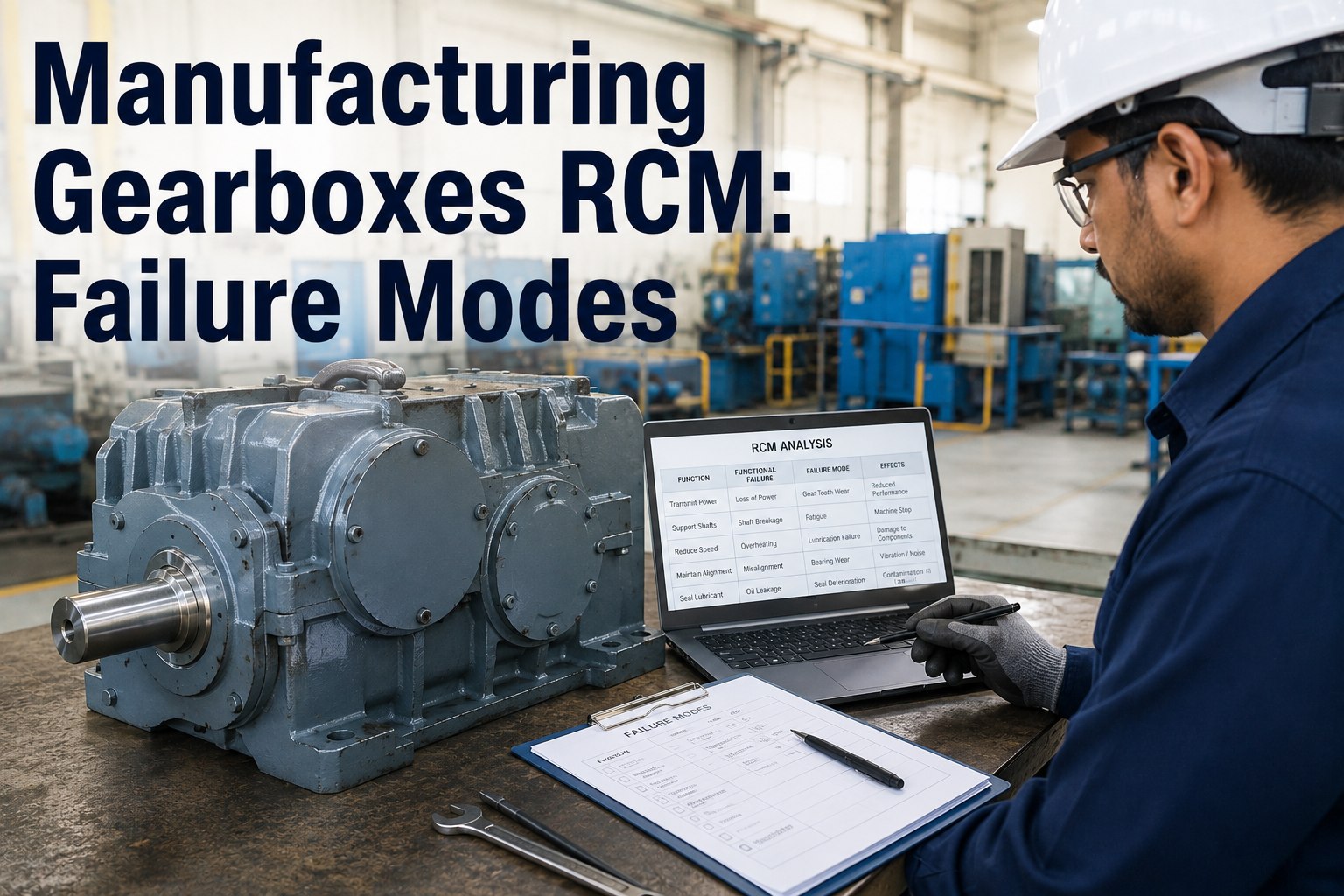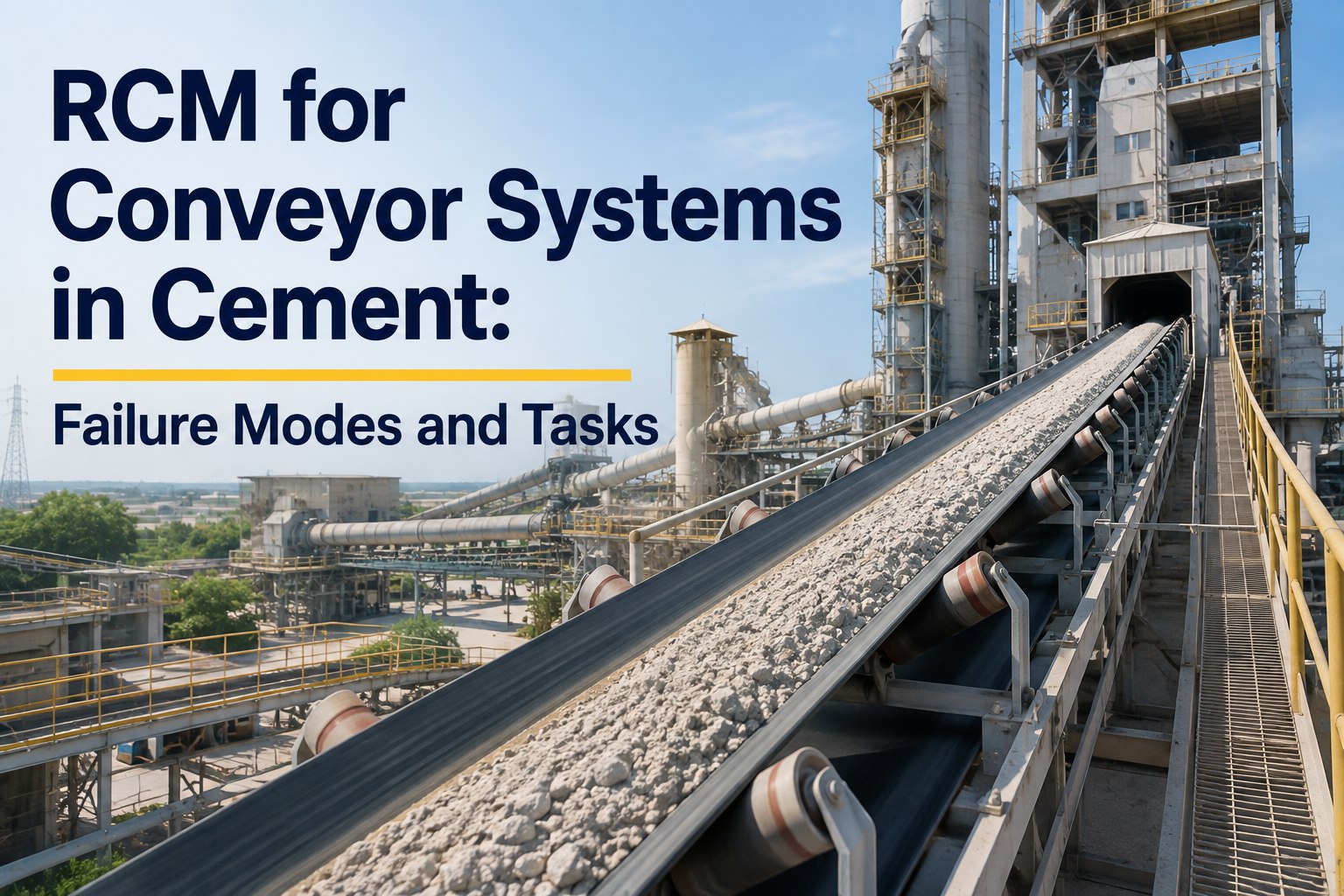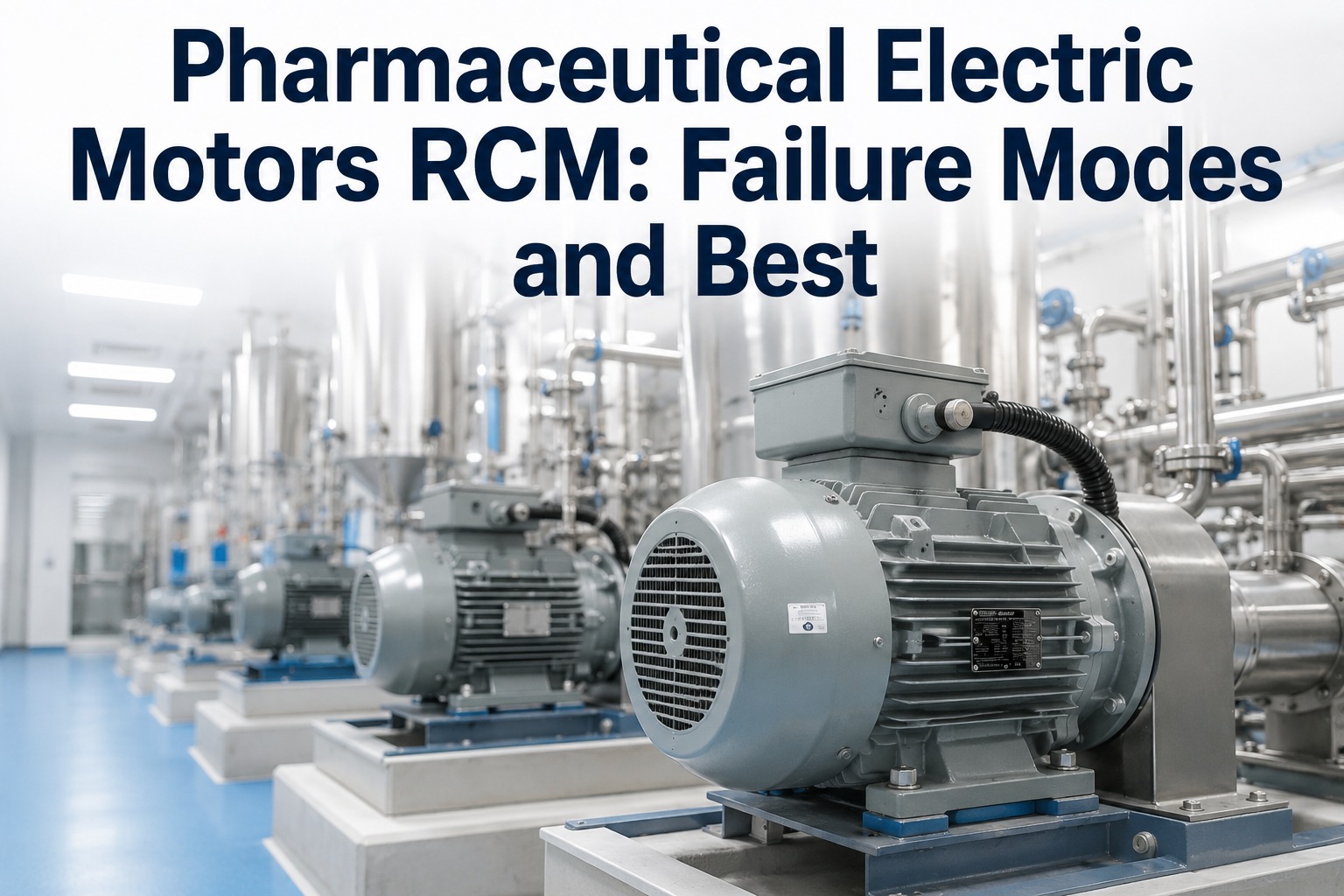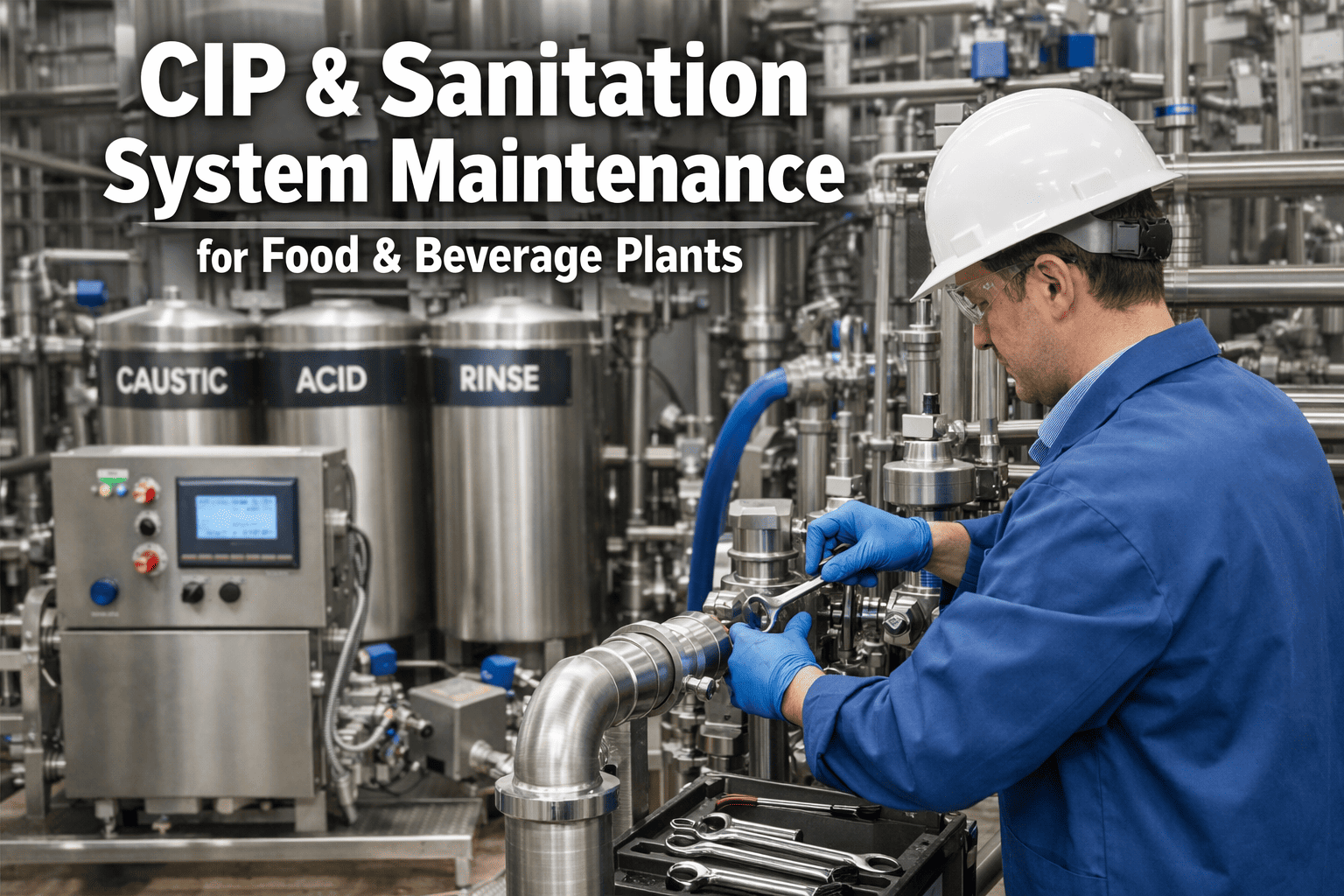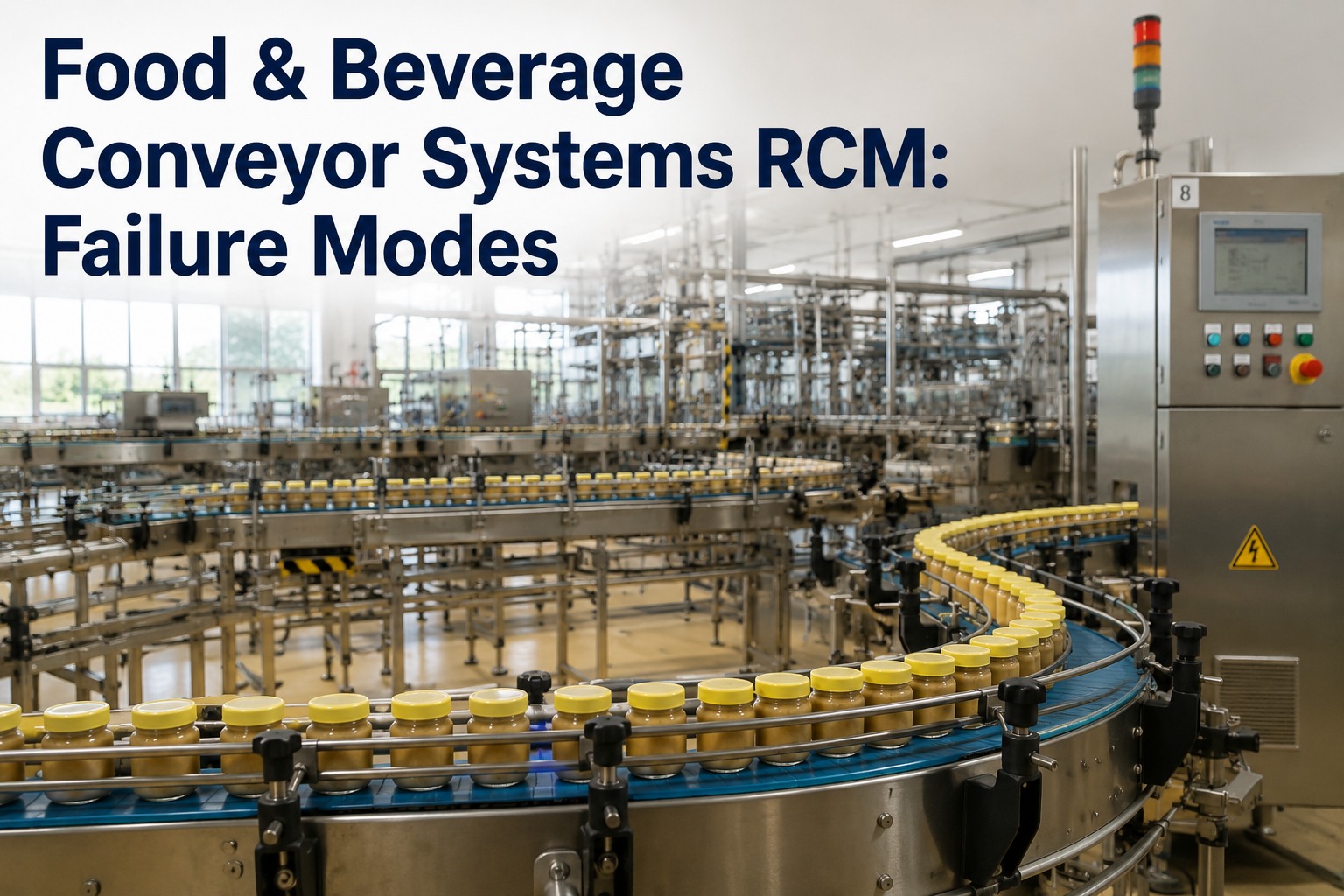
Reliability-Centered Maintenance (RCM) for conveyor systems in the Food & Beverage industry targets the specific failure modes that halt production, compromise hygiene, and trigger regulatory non-compliance. By identifying how bearings, belts, motors, and drive components fail under continuous washdown and high-throughput conditions, maintenance teams can shift from reactive firefighting to predictive, condition-based strategies. Implementing a structured RCM conveyor strategy for food and beverage operations can reduce unplanned downtime by up to 40% and extend asset life by 20-30%. OxMaint's AI-powered CMMS and EAM platform provides the asset hierarchies, condition monitoring integrations, and automated PM scheduling required to execute these strategies flawlessly. See how easily you can transform your maintenance operations when you Start Free Trial today.
RCM Strategy Guide
What if 70% of your conveyor breakdowns were preventable?
In Food & Beverage manufacturing, a single seized bearing or snapped belt on a critical conveyor line can halt production for hours, costing upwards of $20,000 per hour in lost throughput and wasted perishable inventory. RCM identifies the exact failure modes before they escalate.
$10K+
Average cost per hour of food & beverage conveyor downtime
Failure Modes
Common Food & Beverage Conveyor Systems Failure Modes
Food and beverage conveyor systems reliability hinges on understanding how aggressive sanitation protocols, 24/7 production cycles, and constant mechanical stress degrade equipment. Failing to map these specific failure modes leads to blind spots in your PM schedule and catastrophic unplanned downtime.
Washdown-Induced Corrosion
High-pressure, high-temperature chemical washdowns degrade seals, flush out lubricants, and accelerate bearing oxidation. Without condition monitoring and frequent re-lubrication PMs, bearing seizures account for over 40% of conveyor motor failures in wet processing zones.
Belt Tracking & Tension Loss
Thermal expansion from temperature fluctuations between cooking and freezing zones causes belts to stretch and misalign. Unchecked tracking loss frays edges, contaminates product, and snaps belts, requiring total conveyor teardown and replacement.
Hygienic Design Gaps
Hollow tubes, exposed threads, and non-draining frames harbor Listeria and Salmonella. When product debris accumulates in unmonitored dead zones, plants face costly FDA/USDA recalls, forcing emergency teardowns for deep cleaning that disrupts production schedules.
Motor & Drive Overheating
VFDs operating in high-ambient baking or bottling environments experience thermal overload and insulation breakdown. Predictive maintenance via thermal imaging and vibration analysis is critical to prevent winding failures that halt entire packaging lines.
Best Practices
Food and Beverage Conveyor Systems Maintenance & Best Practices
A successful conveyor systems RCM strategy for food and beverage facilities requires moving beyond run-to-failure. By categorizing assets by criticality and applying targeted maintenance tactics, teams can achieve 85%+ schedule compliance. Consider a 180-asset processing plant spending $42K annually on reactive conveyor repairs; by shifting to an RCM-driven PM schedule and condition-based monitoring, they reduced emergency work orders by 35% in just six months.
Criticality & FMEA Analysis
Rank every conveyor segment by its impact on food safety, production throughput, and regulatory compliance. Apply Failure Mode and Effects Analysis (FMEA) to prioritize resources where the risk of failure is highest, ensuring your maintenance hours deliver maximum ROI.
Condition-Based Monitoring
Install IoT vibration and temperature sensors on critical drive motors and head/tail pulleys. Continuous food and beverage conveyor systems condition monitoring detects early bearing wear and misalignment, triggering work orders automatically before a failure cascades.
Sanitation-Ready PMs
Align your conveyor systems inspection food and beverage routines with daily sanitation cycles. Ensure lubricants are food-grade (H1) and applied immediately post-washdown to displace moisture and prevent the washout that leads to premature wear.
Spare Parts Kitting
Pre-stage belts, bearings, and sprockets in dedicated kits for critical conveyor nodes. Unplanned downtime is often extended by 2-3 hours simply waiting on parts; kitting ensures technicians can execute rapid changeovers during planned maintenance windows.
Monitoring Techniques
Conveyor Systems Monitoring: Food and Beverage Failure Prevention
Effective food and beverage conveyor systems failure prevention relies on deploying the right diagnostic tools at the right intervals. The table below outlines the most effective monitoring techniques for high-speed F&B conveying systems, mapping the method to the specific failure mode it mitigates.
| Monitoring Technique | Target Failure Mode | Frequency / Trigger | Impact on OEE |
|---|---|---|---|
| Vibration Analysis | Bearing wear, misalignment, imbalance | Continuous (IoT) / Monthly (Route) | +5% Availability |
| Thermography | Motor overheating, electrical faults | Quarterly scans | +3% Performance |
| Acoustic Ultrasonics | Lubrication starvation, bearing friction | Monthly route-based | +2% Availability |
| Visual Belt Inspection | Fraying, tension loss, product buildup | Shiftly / Pre-op checklist | Reduces Quality Rejects |
| Oil & Grease Analysis | Gearbox wear, contamination, washout | Quarterly sampling | +4% Asset Lifespan |
How OxMaint Helps
How OxMaint Powers Your RCM Conveyor Strategy
Executing a robust conveyor systems RCM strategy for food and beverage operations requires more than spreadsheets and clipboards. OxMaint translates your reliability frameworks into automated, daily execution—ensuring the right maintenance happens at the right time, with full audit readiness.
Automated PM Scheduling
Replace whiteboards with dynamic PM triggers based on runtime, calendar dates, or condition-monitoring thresholds. OxMaint ensures sanitation-aligned lubrication and inspections are never missed, cutting emergency downtime by 30-50%.
Predictive AI Analytics
Connect vibration and temperature sensors directly into OxMaint. Our AI engine analyzes trends to predict bearing and motor failures weeks before they occur, ending reactive firefighting on your critical F&B lines.
Mobile Work Orders
Technicians receive real-time work orders, hygiene protocols, and digital OEM manuals on their mobile devices. Complete inspections with photo evidence, ensuring 100% FDA and audit compliance directly from the plant floor.
Spare Parts Kitting
Maintain optimal stock levels of food-grade belts and H1 lubricants. OxMaint automatically adjusts spare-parts inventory as work orders close, preventing stockouts and eliminating 2-3 hour delays during conveyor changeovers.
Stop reacting to conveyor failures. Start preventing them.
See how OxMaint digitizes your RCM strategy, automates condition-based work orders, and protects your Food & Beverage production lines from costly unplanned downtime.
Frequently Asked Questions
Food & Beverage Conveyor RCM FAQs
What is RCM for conveyor systems in Food & Beverage?
RCM (Reliability-Centered Maintenance) for conveyor systems in Food & Beverage is a structured methodology used to identify the specific physical functions, failure modes, and consequences of conveyor equipment under hygienic and high-throughput conditions. It ensures that preventive and predictive maintenance tasks are applied only where they effectively mitigate operational, food safety, or regulatory risks.
How often should conveyor systems be inspected in food facilities?
Conveyor systems should undergo visual and physical inspections shiftly or daily as part of pre-operational checks, focusing on belt tracking, debris accumulation, and sanitation. More in-depth predictive maintenance tasks, such as vibration analysis and motor thermography, should be performed monthly or quarterly based on the asset's criticality. Using a CMMS like OxMaint automates these varying frequencies.
What are the best maintenance practices for food and beverage conveyor systems?
Best practices include implementing a strict lubrication program using food-grade (H1) lubricants, utilizing condition monitoring sensors for early bearing detection, aligning PM schedules with daily washdown cycles to prevent moisture ingress, and pre-staging spare parts. Centralizing these tasks in a digital platform ensures consistency; you can Start Free Trial to instantly deploy these templates.
How does condition monitoring prevent conveyor failures in F&B?
Condition monitoring uses IoT sensors (vibration, temperature, acoustic) to detect microscopic changes in conveyor drive components long before a mechanical failure occurs. By integrating this data into a CMMS, maintenance teams can automatically generate work orders to replace a degrading bearing during planned downtime, avoiding catastrophic breakdowns and product contamination.
Why use a CMMS for conveyor systems maintenance in food and beverage?
A CMMS like OxMaint provides full asset hierarchy tracking, automated PM scheduling, and mobile work order execution tailored to the rigorous compliance demands of the Food & Beverage industry. It eliminates paper records, ensures audit readiness for FDA/USDA inspections, and provides analytics that prove maintenance ROI. To see it tailored to your plant, Book a Demo with our team.
Ready to achieve 99% conveyor uptime?
Join the Food & Beverage manufacturers using OxMaint to digitize RCM, predict failures, and eliminate costly production halts.
Free 14-day trial · No credit card