A flare stack inspection used to mean a shutdown, scaffolding, and a crew climbing into heat and toxic gas exposure just to look at a pipe. A storage tank survey meant rope access and days of schedule disruption. Drones removed the access problem years ago — what most oil and gas sites still haven't solved is the data problem: thousands of thermal frames and high-resolution images land in a folder, and a findings report reaches the maintenance team weeks later, if it reaches them at all. A real inspection data pipeline closes that gap the same day the drone lands. Connect your drone program to Oxmaint free and stop losing findings between the flight and the work order.
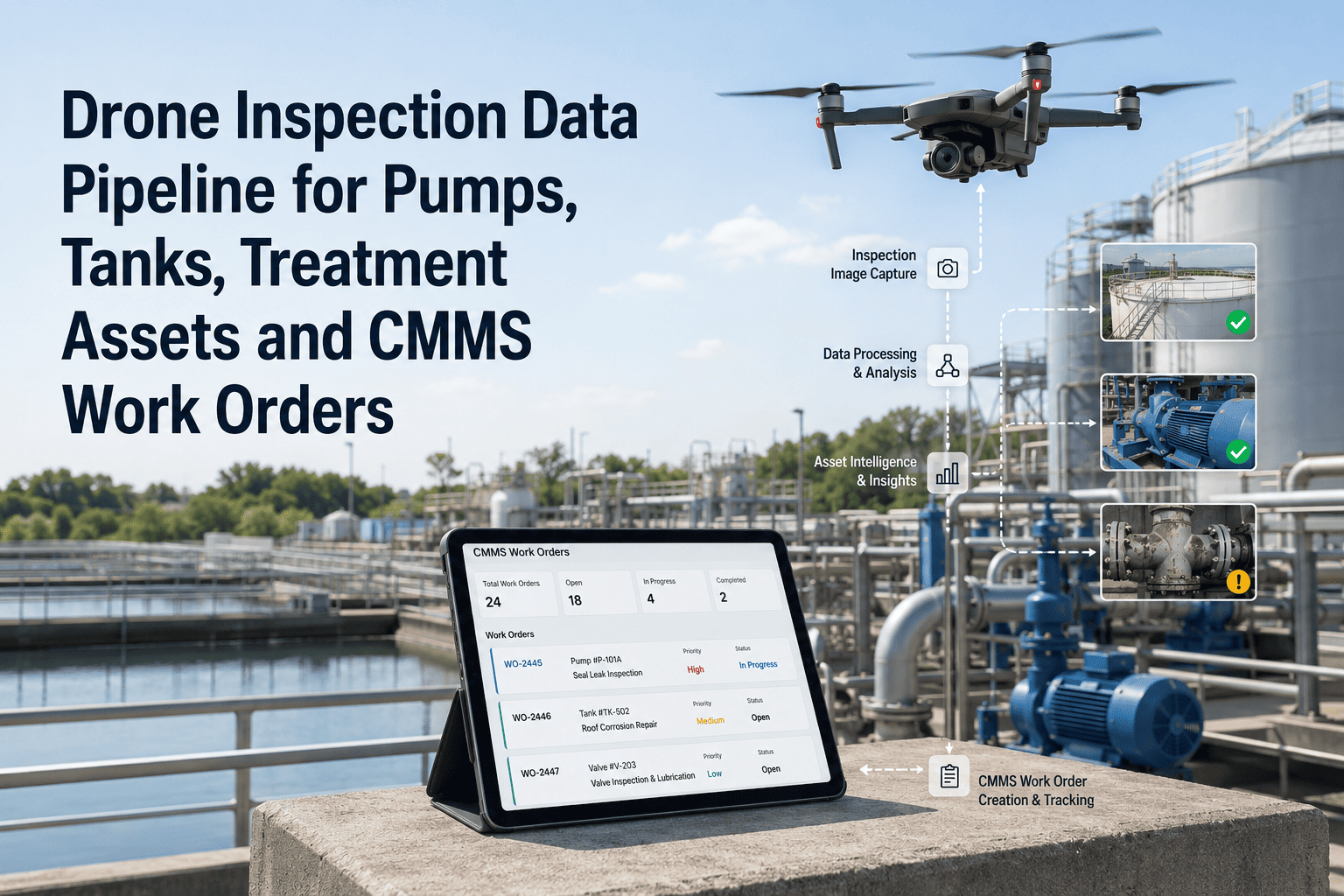
Drone Inspection Data Pipeline for Pumps, Tanks, and Treatment Assets
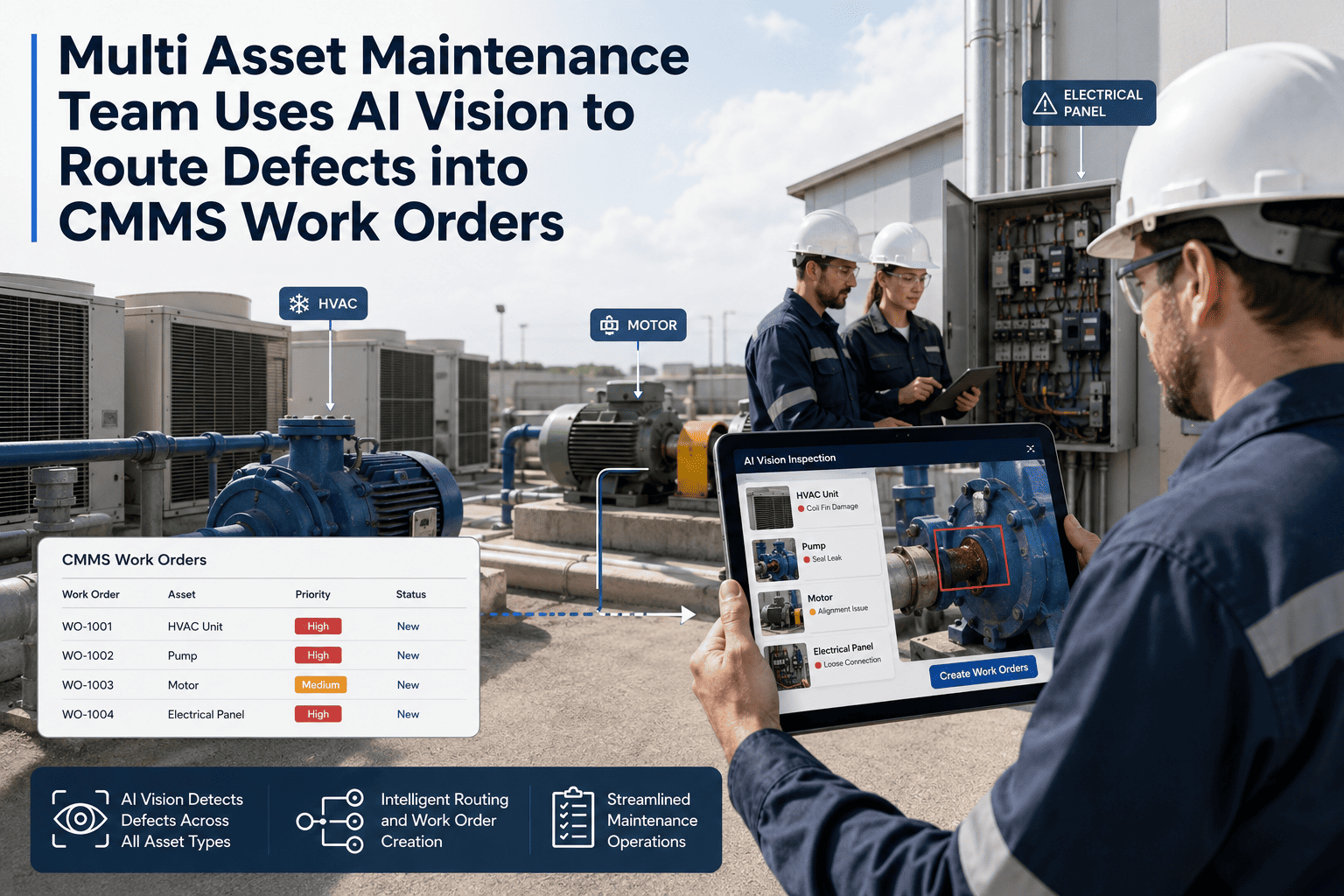
How thermal and visual drone data from tank farms, flare stacks, and pump skids becomes a routed, prioritized CMMS work order instead of a folder of images.
The Pipeline
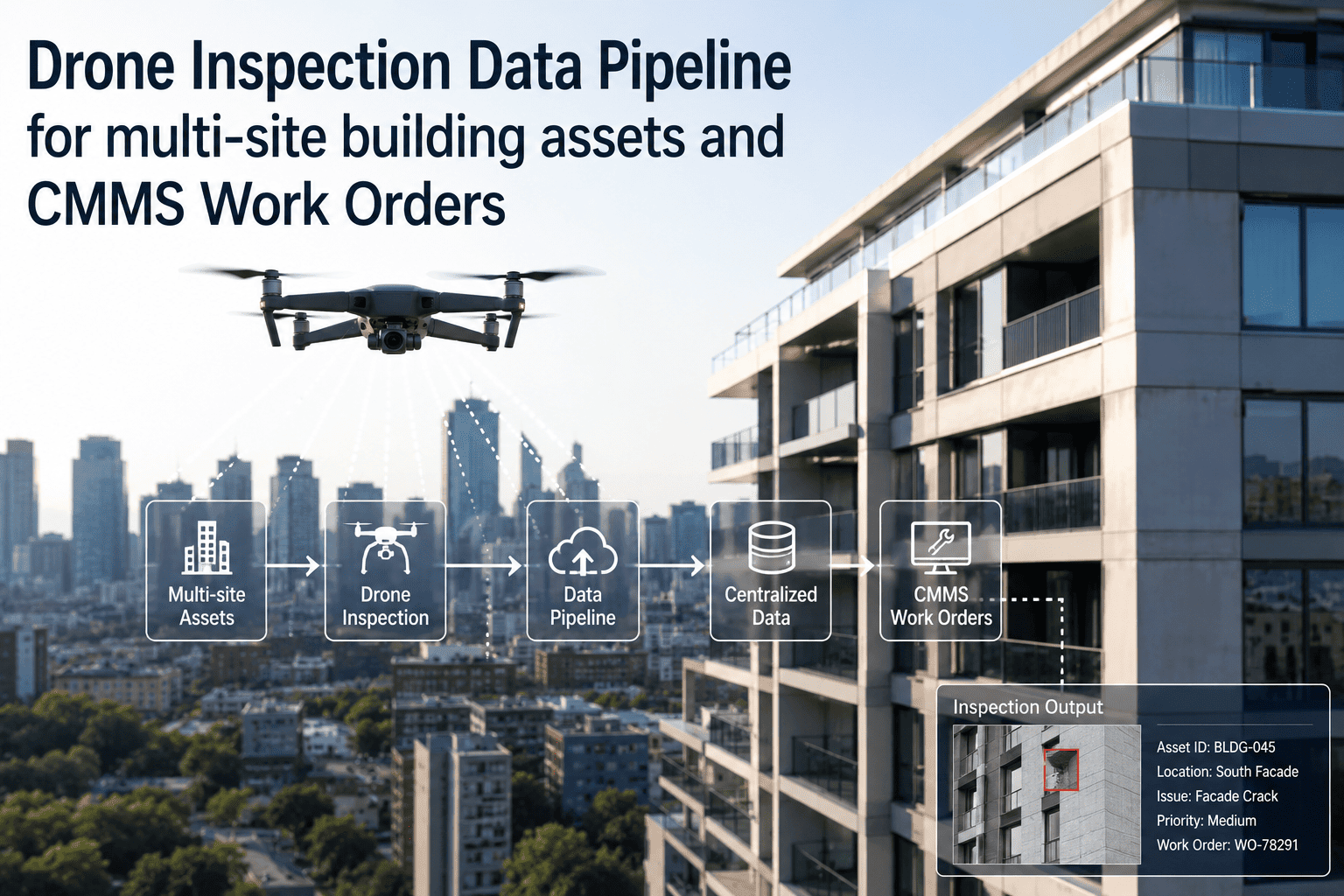
From Flight Data to Closed Work Order
1
Capture
RGB, thermal, and LiDAR data collected across tank farms, flare stacks, and pump skids during a single flight
2
Classify
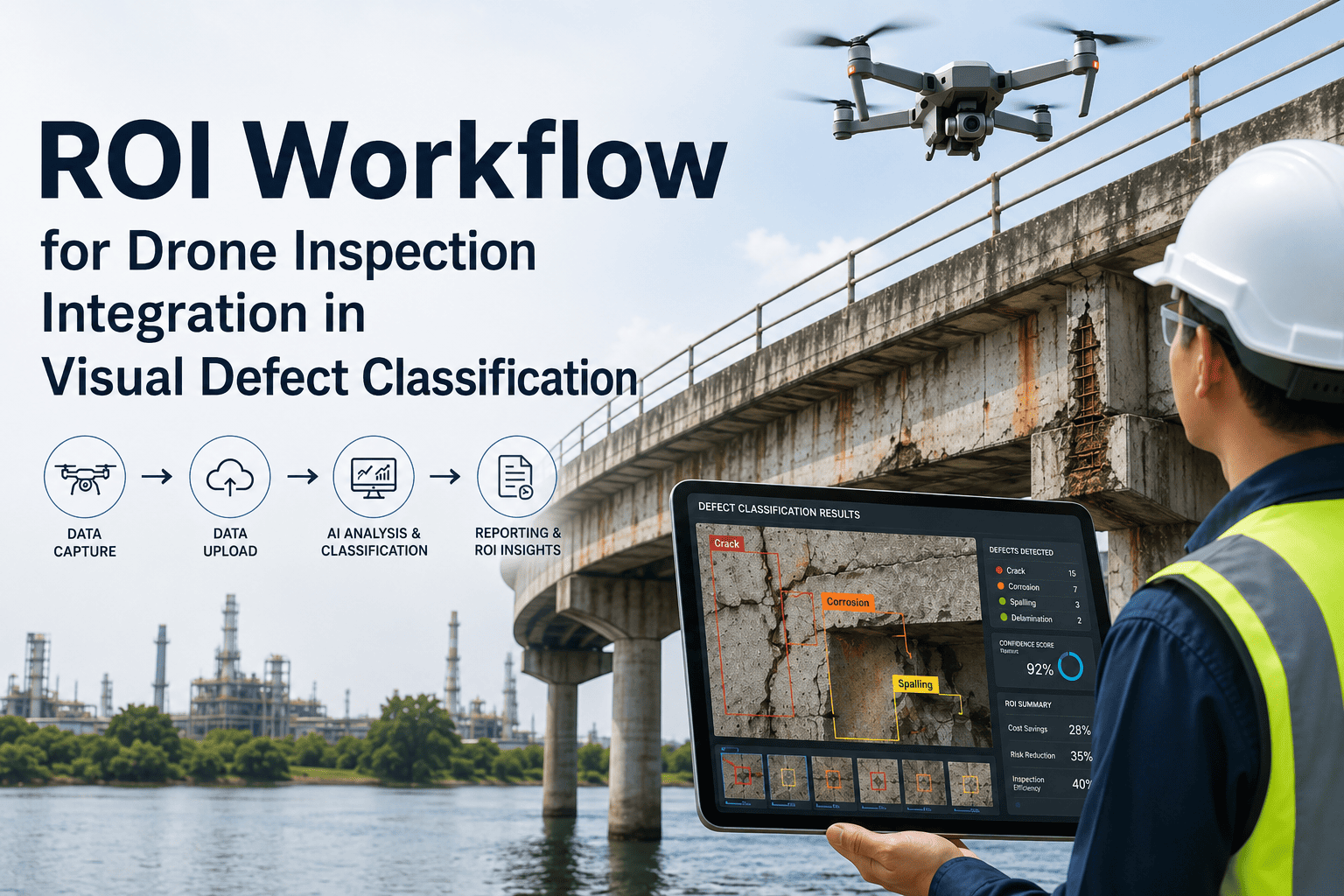
AI models scan thousands of frames for corrosion, hot spots, coating failure, and leak signatures
3
Map to Asset
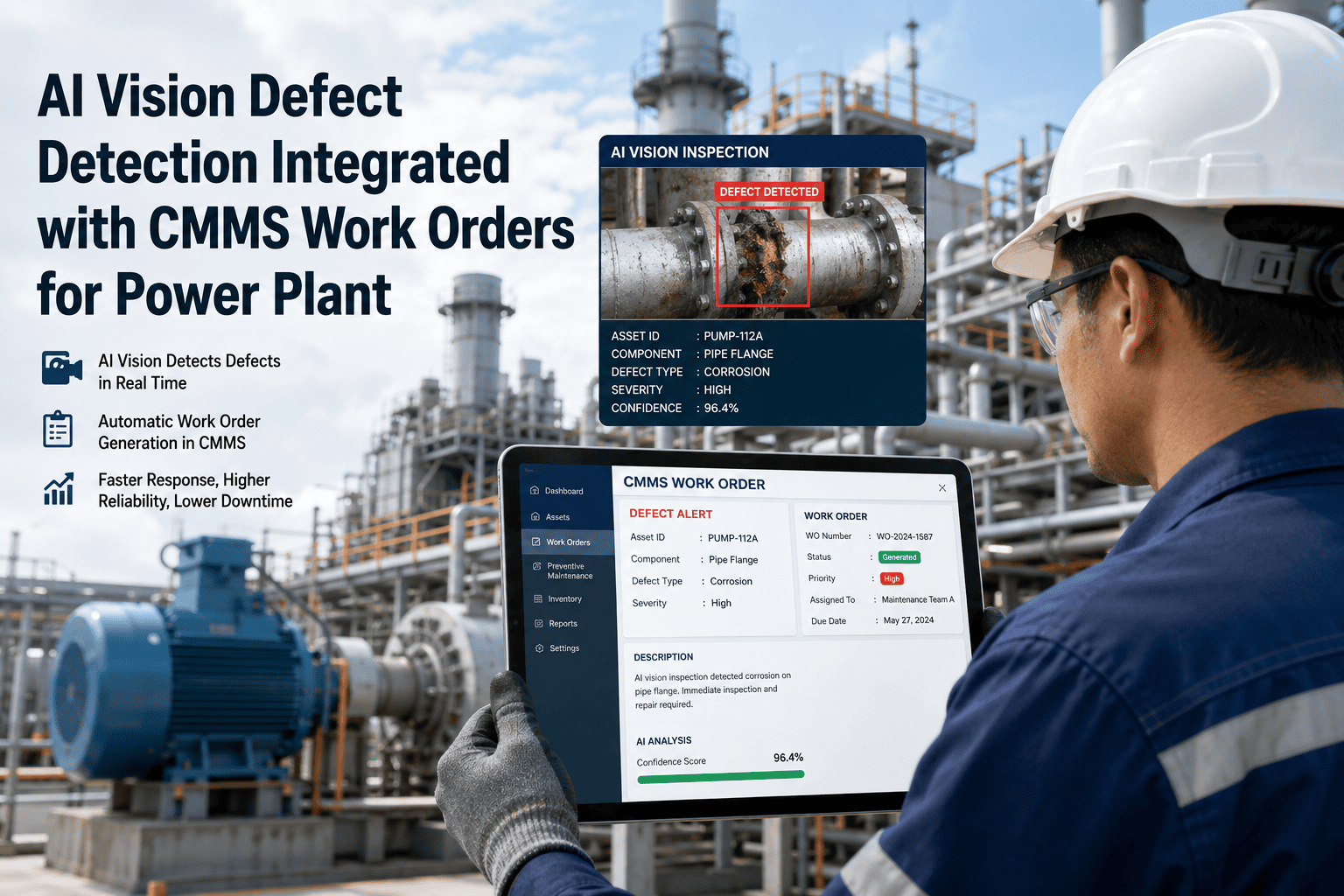
Each flagged defect is tied to a specific tank, pump, or pipe segment in the asset register
4
Route
Severity-ranked work order opens automatically with annotated image and location attached
95%+
AI detection accuracy reported for corrosion and hot-spot classification with under 2% false positives
58%
of inspection findings in paper-based programs never reach a tracked work order
No shutdown
required to inspect flare stacks, tank roofs, and elevated pipe trays while assets stay live
Where Drones Replace Risk
High-Exposure Inspection Tasks Drones Take Over
Tank Farms
Roof and shell condition, coating degradation, and volumetric checks via photogrammetry
Flare Stacks & Pipe Trays
Elevated structural and thermal inspection without climbing or scaffolding access
Pump Skids & Compressors
Thermal scans surfacing overheating connections and leak signatures before failure
Pipeline Corridors
Long-distance thermal survey identifying leak points across miles of route in a single mission
Stop letting findings sit in a folder
Oxmaint takes drone inspection output from DJI, Skydio, Flyability, and custom platforms and routes every flagged defect into a prioritized work order automatically.
Before / After
Manual Reporting vs a Connected Inspection Pipeline
| Step | Manual Report Workflow | Connected Pipeline in Oxmaint |
|---|
| Image review | Manual review of thousands of frames | AI flags defects automatically overnight |
| Asset matching | Analyst cross-checks against drawings | Defect auto-mapped to asset ID |
| Work order creation | Separate manual entry, often delayed | Generated instantly with severity rank |
| Audit trail | Scattered across reports and emails | Full evidence trail on the work order itself |
Expert Review
Drones solved the access problem in oil and gas inspection years ago. What separates programs that actually reduce downtime from ones that just collect footage is the pipeline behind the flight — whether a flagged defect becomes a dated, owned work order the same day, or sits in a PDF until the next planned outage. That pipeline, not the drone itself, is where the ROI lives.
Reviewed by Oxmaint's Maintenance Reliability Advisory Team
Results
What Connected Drone Programs Report
22 days
to complete inspections that previously took 94 days with scaffolding and manual crews
$973K
annual inspection cost eliminated at one facility after switching to drone-fed work orders
8%
production loss recapturable industry-wide through optimized reliability protocols
FAQ
Frequently Asked Questions
Which drone platforms does Oxmaint accept data from?
Oxmaint integrates with DJI, Skydio, Flyability, and most custom drone platforms via REST API.
Book a demo to confirm your current platform's compatibility.
Can flare stacks and tanks be inspected without a shutdown?
Yes. Drone inspections of elevated and live assets are routinely completed while equipment stays in service, removing the need to schedule inspection around a planned outage.
How does a flagged defect get matched to the right asset?
Flight coordinates and asset tags are cross-referenced automatically, so a thermal anomaly on a pump skid attaches directly to that pump's record rather than a generic location note.
Do we need our own drone fleet to use this workflow?
No. Many sites start with a contracted inspection service provider, and the CMMS integration works the same way regardless of who operates the aircraft.
What FAA rules apply to commercial drone inspection flights?
Commercial flights in the United States operate under FAA Part 107, generally within visual line of sight and altitude limits, with waivers available for extended operations.
Start free to see how flight data flows into your CMMS once compliant flights are underway.
Turn every flight into a tracked, closed work order
Connect your drone inspection program to Oxmaint and route corrosion, hot spots, and leak signatures into prioritized work orders the same day they're found.