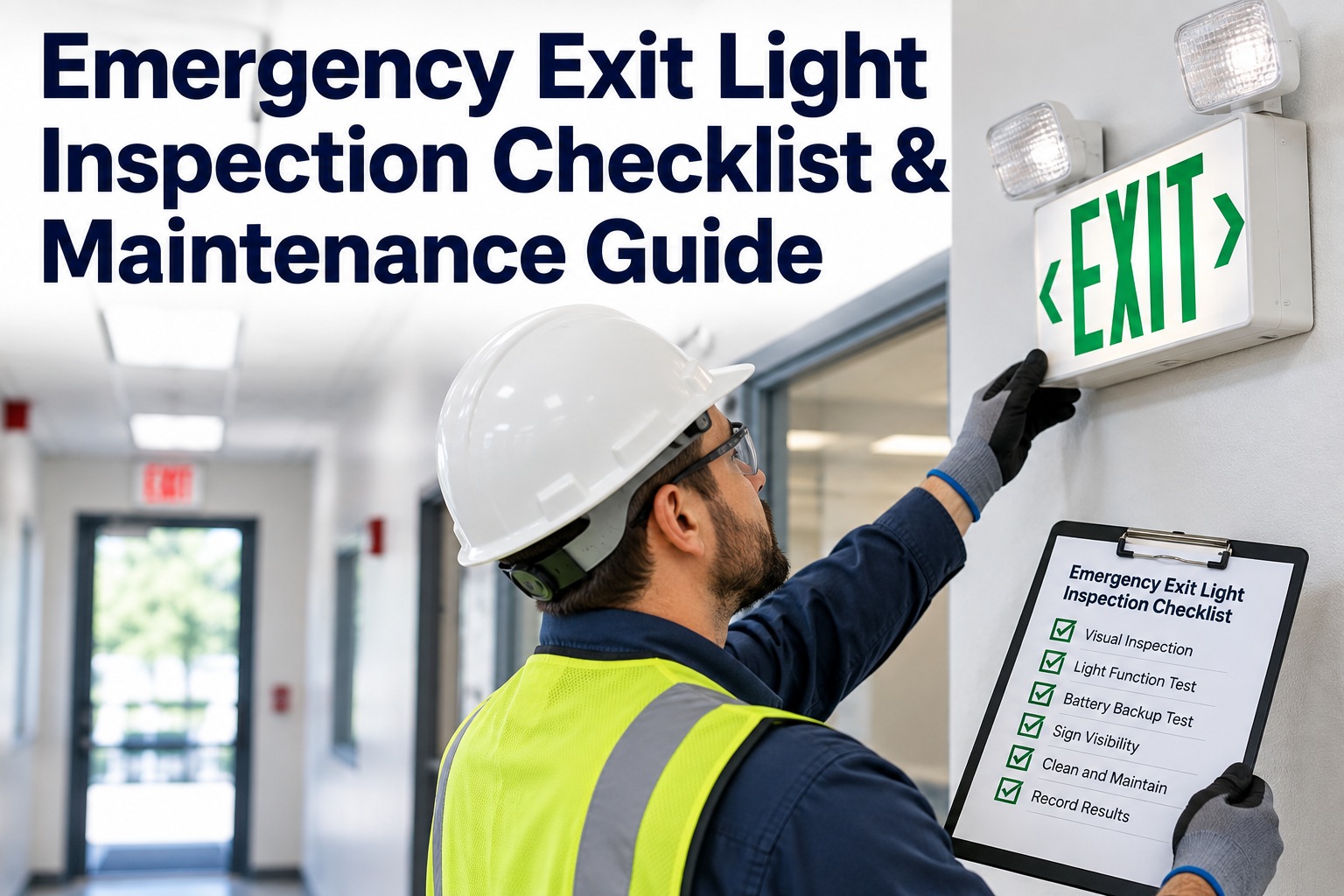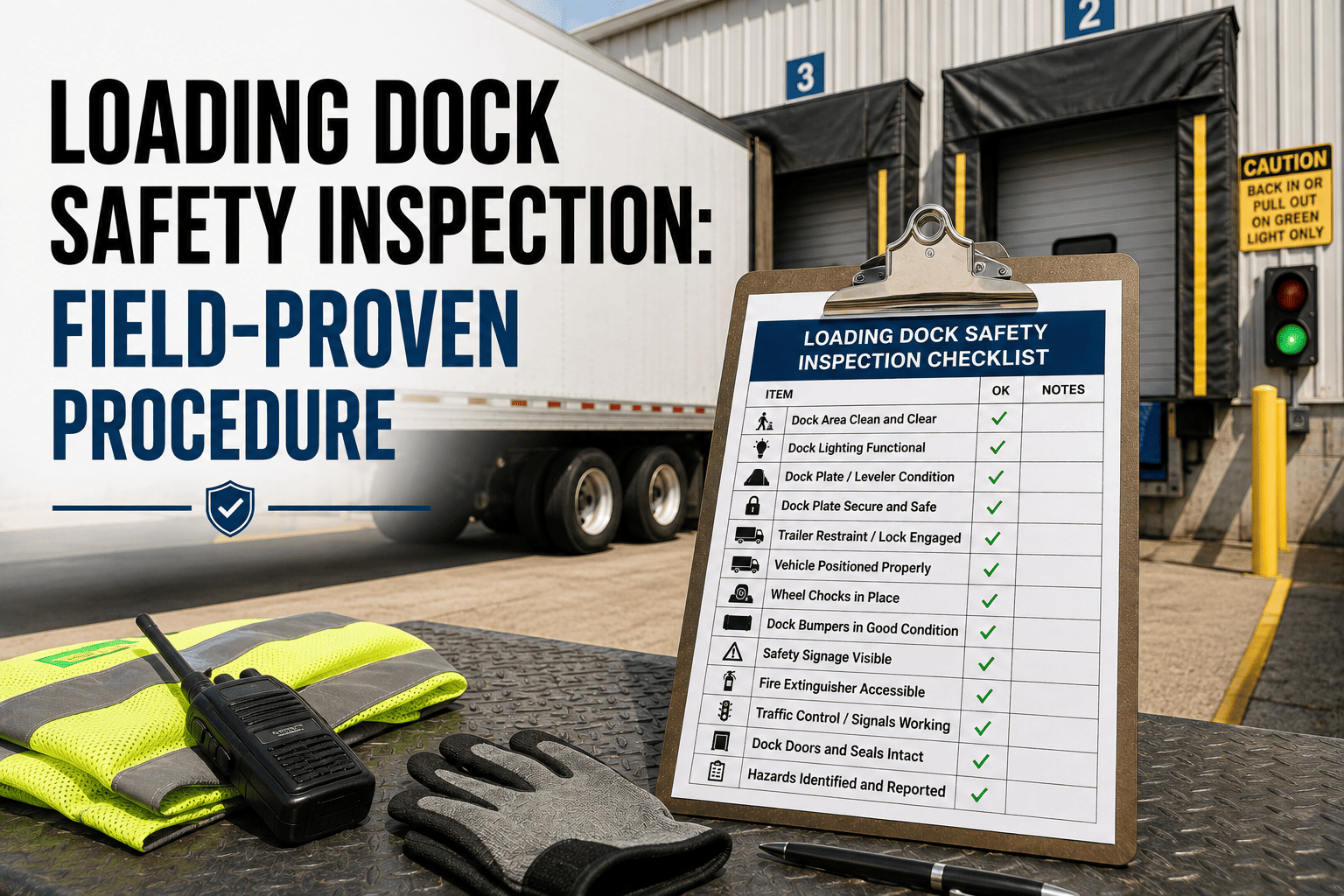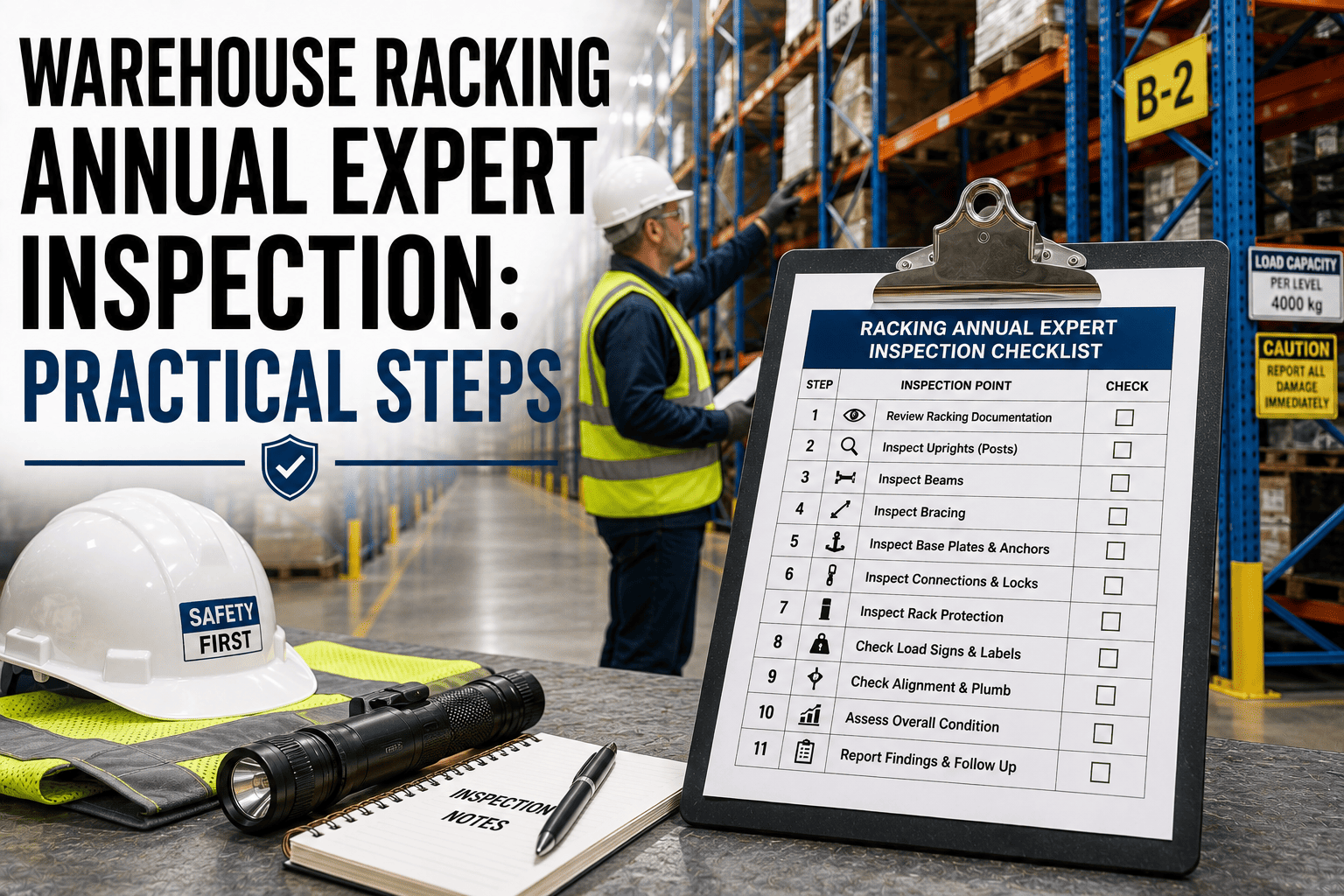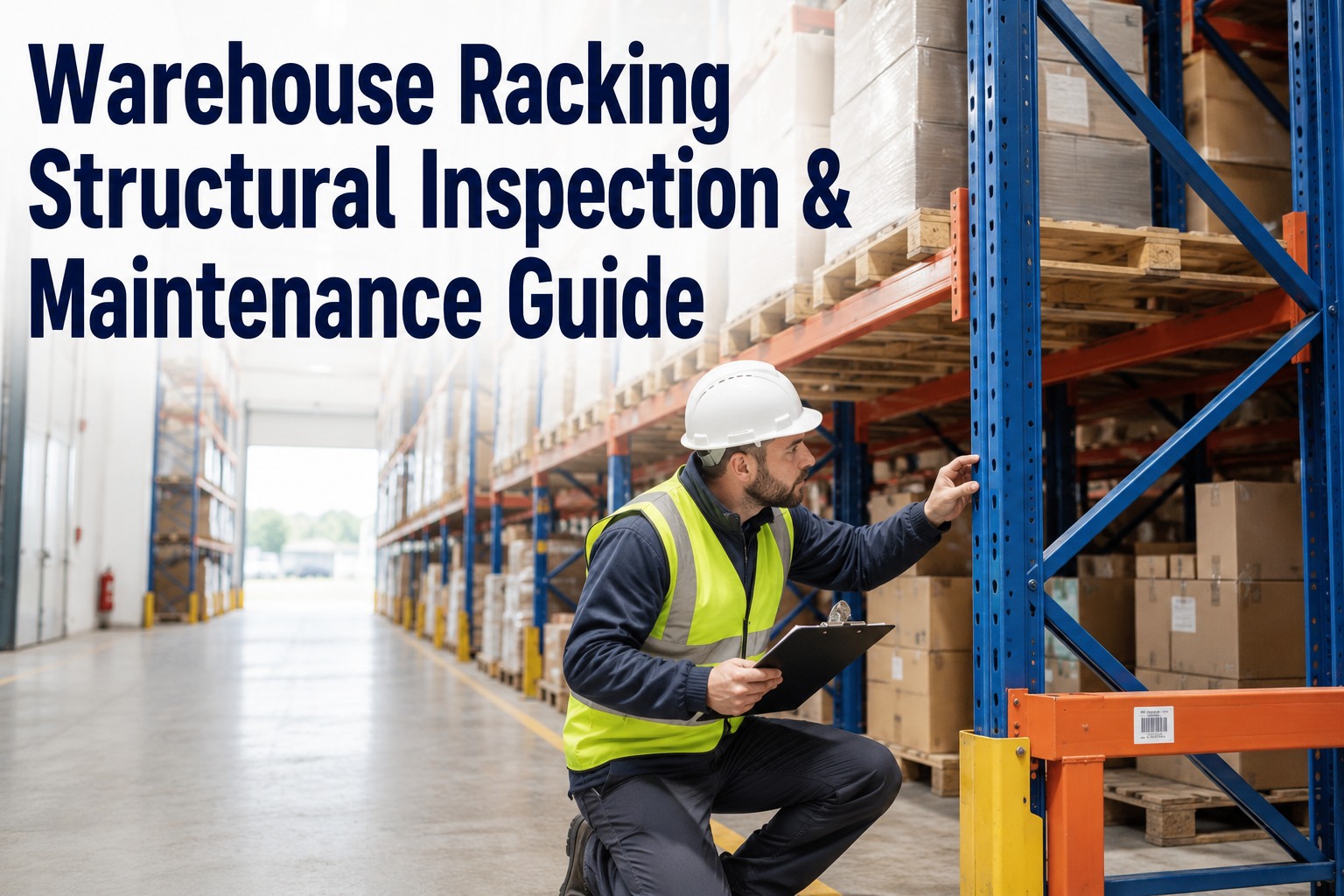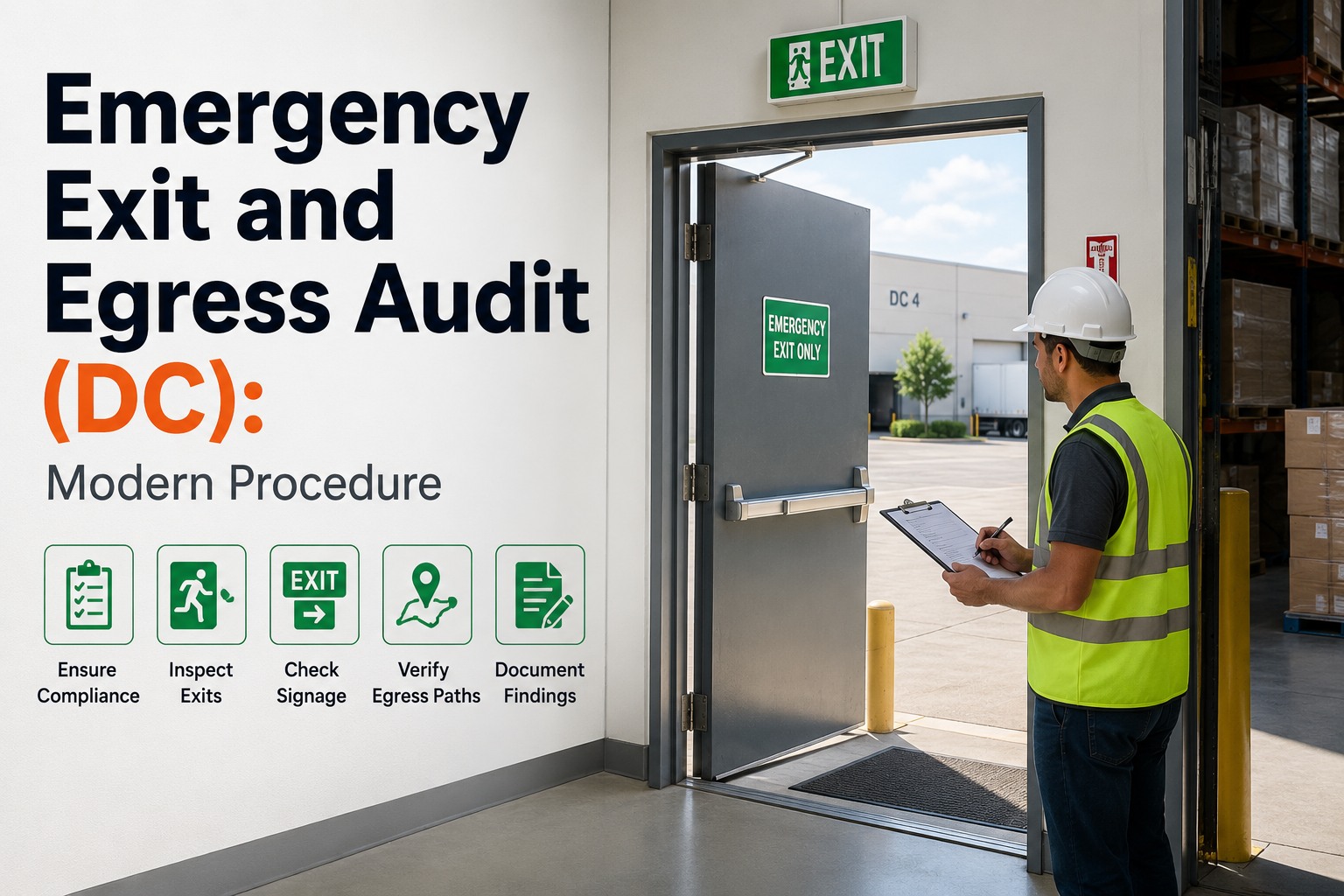
An emergency exit and egress audit is the systematic inspection of every exit route, door, sign, and lighting fixture in a distribution center to verify compliance with OSHA 1910.36 and local fire codes. The biggest reason these audits fail is inconsistency across technicians and shifts, which turns small issues like a blocked door or a burned-out emergency light into shutdown-level failures or catastrophic safety risks. This modern procedure guide covers the exact pass/fail criteria, visual checks, and documentation steps your team needs to stay audit-ready year-round. OxMaint's AI-powered CMMS digitizes this entire emergency exit and egress audit checklist, pushing scheduled work orders to mobile devices so your team captures photo evidence and escalates failures automatically. Start Free Trial to standardize your facility's compliance today.
OSHA 1910.36 Audit-Ready Procedure
Are your emergency exit routes truly audit-ready, or just assumed safe?
A single blocked egress path or failed emergency light can trigger OSHA fines exceeding $15,000 per violation and endanger lives. Digitize your emergency exit and egress audit SOP to catch defects before inspectors do.
The Real Cost of Failed Compliance
Why distribution centers fail emergency exit and egress audits
Over 60% of warehouse fire safety violations cited by OSHA last year involved blocked or improperly marked exit routes — not structural failures, but routine maintenance and housekeeping gaps that a digital audit would have caught instantly.
Digital Procedure & SOP
Emergency exit and egress audit checklist: Visual, operational, and compliance checks
This audit-ready emergency exit and egress audit form is organized into four critical tiers. Deliver these exact inspection points to your technician's phone via OxMaint so every reading, photo, and defect is traceable to the asset.
- Egress path is completely free of pallets, debris, and equipment (min 28-inch width).
- No temporary storage or staging blocks the designated exit discharge area.
- Floor marking lines indicating the exit path are visible and un-worn.
- Racking inspection confirms no overhang or structural encroachment into the exit route.
- Exit doors open easily from the inside without keys, tools, or special knowledge.
- Panic hardware and push bars function smoothly and latch properly upon testing.
- Door closers pull the door fully shut and latched without manual assistance.
- No chains, padlocks, or unauthorized security devices are present on exit doors.
- Exit signs are illuminated and visible from any point in the egress path.
- Emergency lighting provides at least 1 foot-candle for 90 minutes during power loss.
- No burned-out bulbs or damaged sign housings are present.
- Battery backup units pass the monthly 30-second and annual 90-minute discharge test.
- Loading dock safety barriers are engaged and operational at unused doors.
- Dock levelers and vehicle restraints do not obstruct the designated emergency path.
- Fire extinguishers along the egress route are fully charged and unobstructed.
- DOT warehouse regulations and HazMat segregation lines do not overlap exit paths.
Scannable Pass/Fail Matrix
Emergency exit and egress audit example: Pass/fail criteria matrix
Use this matrix as the backend logic for your digital emergency exit and egress audit SOP. When a technician inputs a failing reading, OxMaint automatically escalates a high-priority corrective work order.
| Inspection Point | Standard / Code | Pass Criteria | Fail & Auto-Escalation Trigger |
|---|---|---|---|
| Egress Width | OSHA 1910.36(k)(2) | Greater than 28 inches clear | Less than 28 inches — generates safety work order |
| Exit Door Operation | OSHA 1910.36(d)(1) | Opens from inside without a key | Requires tool/key — locks tagged out immediately |
| Emergency Lighting | OSHA 1910.37(b) | Min 1.0 foot-candle for 90 minutes | Fails 90-min test — battery unit replaced within 24h |
| Exit Sign Visibility | NFPA 101 / OSHA 1910.37(a) | Visible from any approach angle | Obstructed/burned out — sign replaced same shift |
| Panic Hardware | OSHA 1910.36(d)(2) | Releases door with single motion | Sticks or requires two motions — hardware repaired |
OxMaint CMMS Solution
How OxMaint digitizes your emergency exit and egress audit procedure
Moving from clipboard checklists to OxMaint's AI-powered CMMS eliminates the paper trail, guarantees audit readiness, and ensures no corrective action falls through the cracks. Here is how maintenance teams apply OxMaint to achieve OSHA 1910.36 compliance.
Mobile Digital Checklists
Deliver the exact emergency exit and egress audit form directly to a technician's smartphone or tablet as a scheduled work order. Capture photo evidence and readings against each item for ironclad compliance history.
Automated Fail Escalation
When an inspection item fails its pass/fail criteria, OxMaint automatically generates a high-priority corrective work order, assigns it to the right technician, and tracks it to completion — cutting response time by up to 70%.
Predictive Maintenance Analytics
Track asset history to predict which emergency lights or door closers fail most often. OxMaint's AI flags degrading assets before they fail their monthly audit, reducing unplanned egress failures by 30 to 50 percent.
Instant Audit Readiness
Every photo, reading, and signature is stored against the specific asset. When an OSHA inspector asks for proof of your warehouse compliance, export a full digital trail in seconds instead of digging through paper binders.
See OxMaint on your assets — book a 30-min demo
Discover how easy it is to standardize your warehouse fire safety and OSHA 1910.36 audit procedures with a digital CMMS. Walk through a live emergency exit and egress audit on your mobile device.
Implementation Timeline
How to deploy a digital emergency exit and egress audit SOP in 30 days
A 180-asset distribution center spending $42K annually on manual compliance can fully transition to a digital, audit-ready OxMaint procedure in under a month, achieving ROI by the second inspection cycle.
Asset Mapping & Checklist Build
Import all exit doors, emergency lights, and fire extinguishers into OxMaint. Translate your existing emergency exit and egress audit SOP into digital mobile forms with pass/fail logic.
Schedule & Dispatch
Set up recurring preventive maintenance work orders for monthly 30-second light tests and annual 90-minute battery tests. Assign routes to specific technicians based on warehouse zones.
Mobile Execution & Capture
Technicians execute the first round of digital audits. Photos of blocked paths or broken signs are captured in real-time, triggering automatic corrective work orders for instant resolution.
Analytics & Audit Readiness
Review compliance dashboards. Identify repeat failure points (like a specific dock door) and adjust PM frequencies. Generate a mock OSHA report to verify 100% traceability.
Frequently Asked Questions
Emergency exit and egress audit procedure questions, answered
How often should an emergency exit and egress audit be performed?
OSHA 1910.36 requires that exit routes be maintained continuously, meaning egress paths must be kept clear daily. However, a formal, documented emergency exit and egress audit should be performed monthly, with emergency lighting tested for 30 seconds monthly and for 90 minutes annually to meet strict warehouse compliance standards.
What is included in an OSHA 1910.36 compliance audit?
An OSHA 1910.36 audit verifies that exit routes are permanently unobstructed, that doors unlock from the inside without keys, that exit signs are illuminated, and that emergency lighting meets minimum foot-candle requirements. It also checks that the exit discharge leads directly outside to a safe public area.
Can a digital emergency exit and egress audit form replace paper logs?
Yes. A digital emergency exit and egress audit form not only replaces paper logs but improves them by attaching time-stamped photo evidence, enforcing pass/fail criteria, and automatically generating corrective work orders. You can Start Free Trial on OxMaint to convert your paper checklists into a fully traceable digital SOP.
What is the minimum clear width for an exit route in a warehouse?
The minimum clear width for an exit route is 28 inches at all points. This width must be maintained from the occupied space all the way to the exit discharge. Any racking inspection or loading dock safety audit must verify that pallets, equipment, or stored goods do not encroach on this 28-inch boundary.
How does OxMaint handle failed egress inspections automatically?
When a technician marks an inspection item as failed in the OxMaint mobile app, the system instantly generates and assigns a high-priority corrective work order. To see this automated workflow in action with your specific assets, Book a Demo with our maintenance engineering team.
Standardize your egress audits and pass every inspection
Stop relying on clipboards and memory. Deploy OxMaint's AI-powered CMMS to make your emergency exit and egress audit repeatable, traceable, and fully compliant with OSHA 1910.36.
Free 14-day trial · No credit card