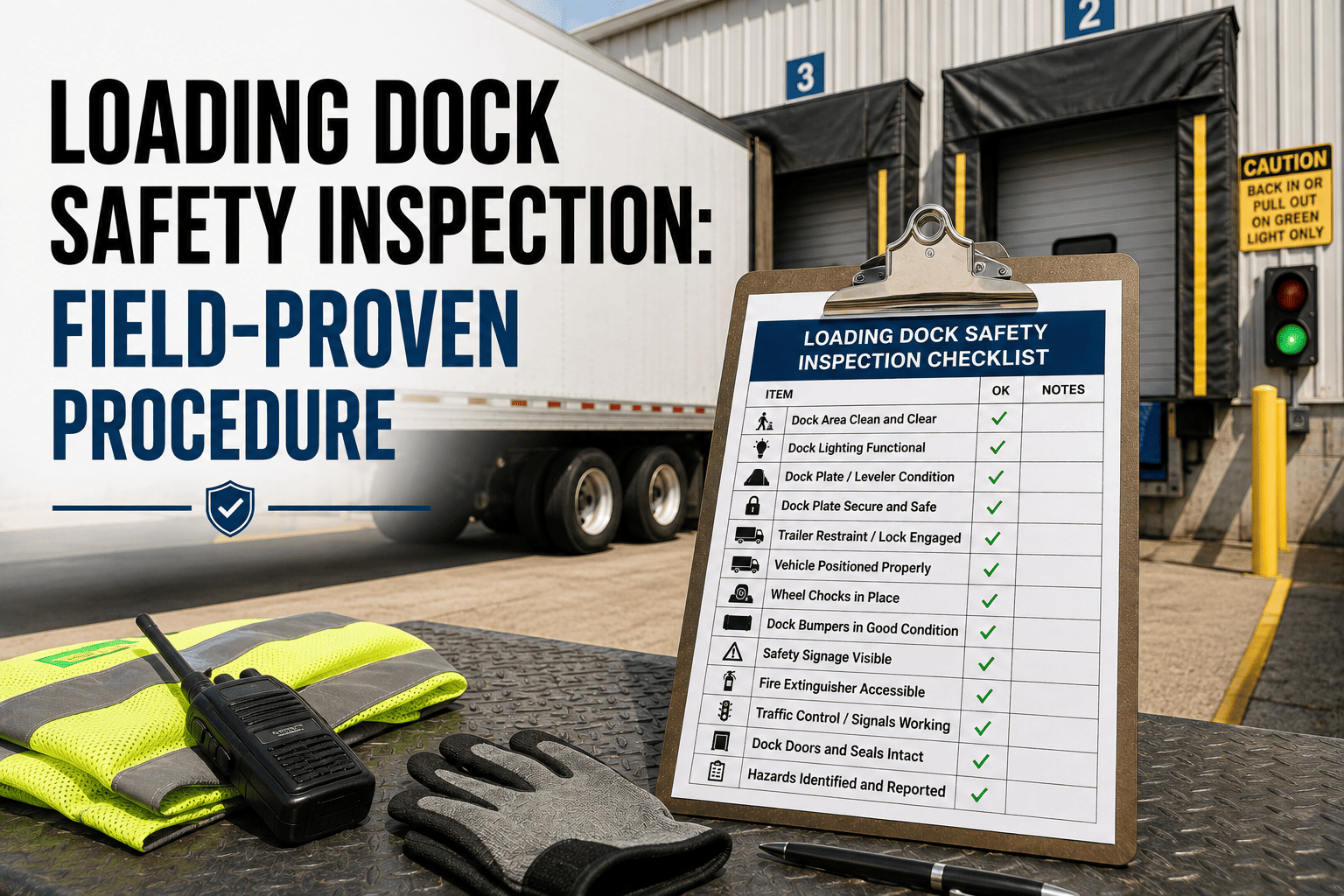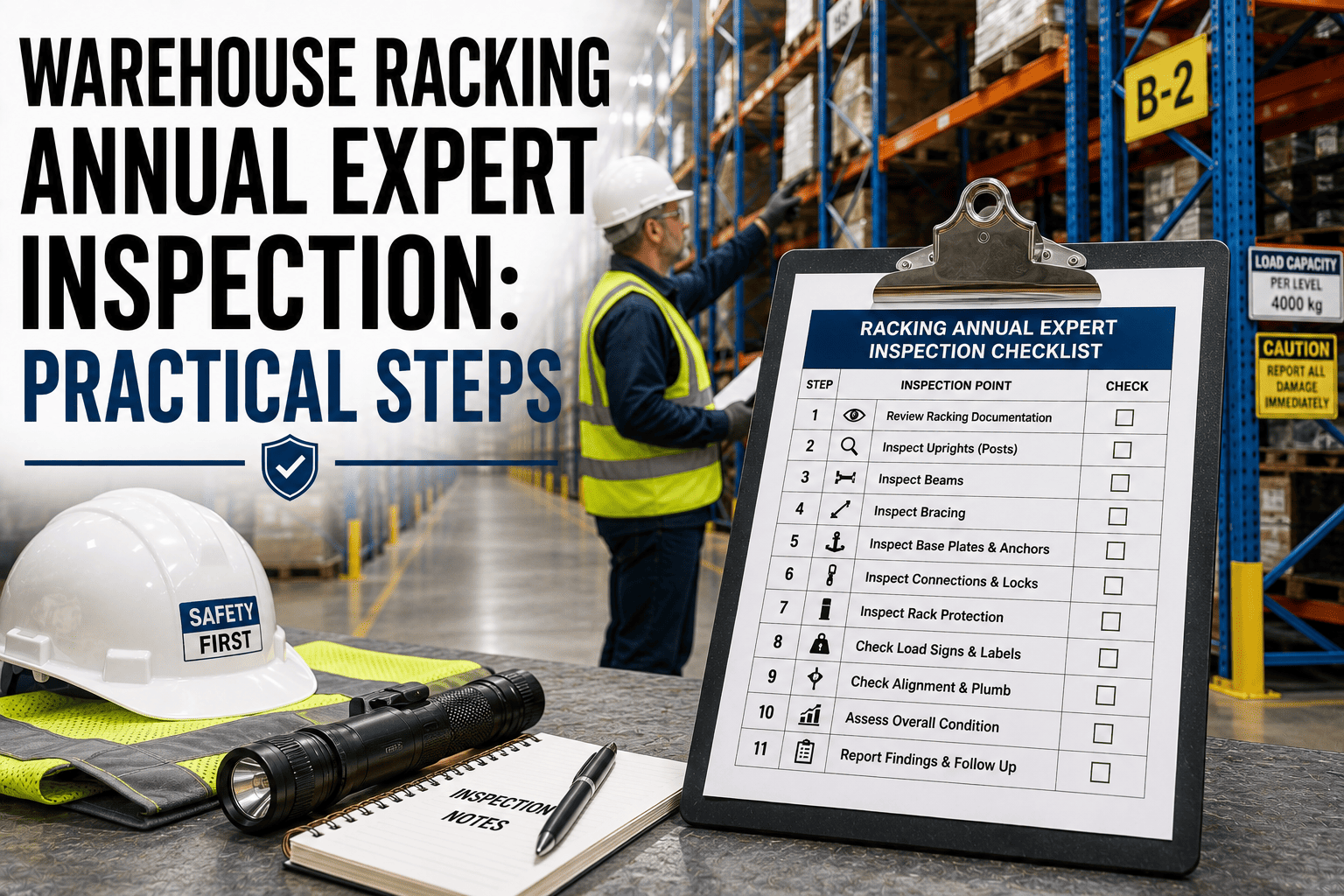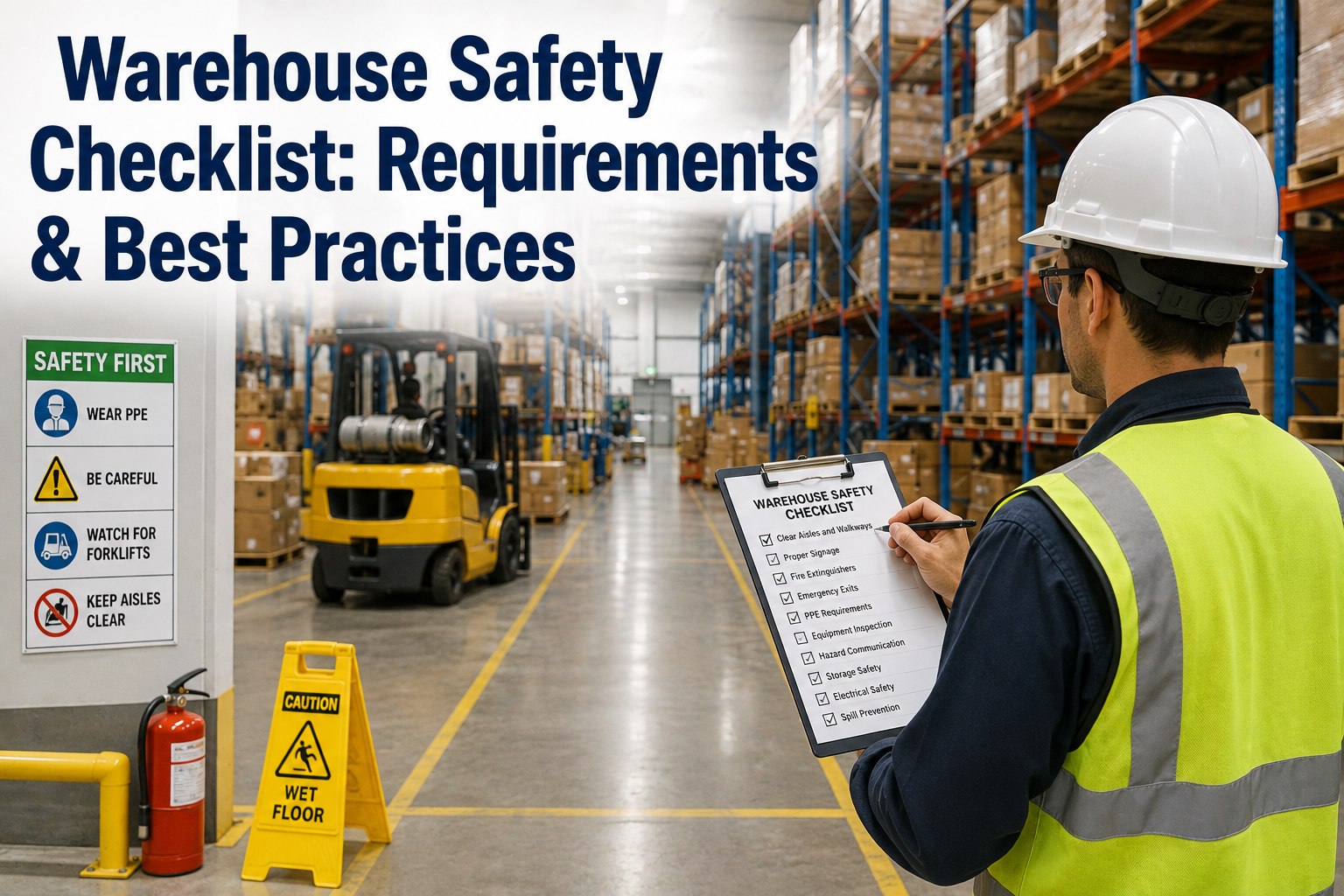
A warehouse safety checklist is a structured inspection tool used to verify that every piece of equipment, racking system, and operational zone meets OSHA 1910 compliance standards before a hazard can cause an injury or shutdown. Maintenance and reliability teams across more than 21,000 US facilities rely on these procedures to catch small defects—like a hairline crack in a pallet rack or a worn loading dock restraint—before they escalate into catastrophic failures. The biggest reason these inspections fail isn't a lack of effort; it's inconsistency across technicians, shifts, and sites. By digitizing your warehouse safety checklist form with OxMaint, you can deliver standardized procedures directly to your team's phones, automatically escalate failures into corrective work orders, and maintain an audit-ready history. Ready to standardize your facility's compliance? You can Start Free Trial today.
Your Warehouse Safety Checklist Should Catch Defects, Not Paperwork
Inconsistent inspections across shifts are the leading cause of compliance failures and unplanned downtime. Standardize your warehouse safety checklist procedure, capture photo evidence on every asset, and auto-escalate failures into corrective work orders.
What a Warehouse Safety Checklist Must Cover for OSHA 1910 Compliance
A defensible warehouse safety checklist requirements framework goes far beyond a quick visual sweep. It must document specific wear limits, test safety devices, and record operating readings. Use these tiered inspection grids to standardize what your technicians check, how they check it, and the exact pass/fail criteria they must defend to an OSHA 1910 audit.
Equipment & Asset Safety
Forklifts, conveyors, and powered equipment
- Forkift seatbelt, horn, and backup alarm functional
- Conveyor e-stop cords tested along full line length
- Battery charging area ventilation verified
- Hydraulic hose wear within acceptable limits
- Operating readings logged (voltage, PSI, temp)
Facility & Fire Safety
Aisles, extinguishers, and suppression systems
- Aisle markings clear and unobstructed (min 4ft width)
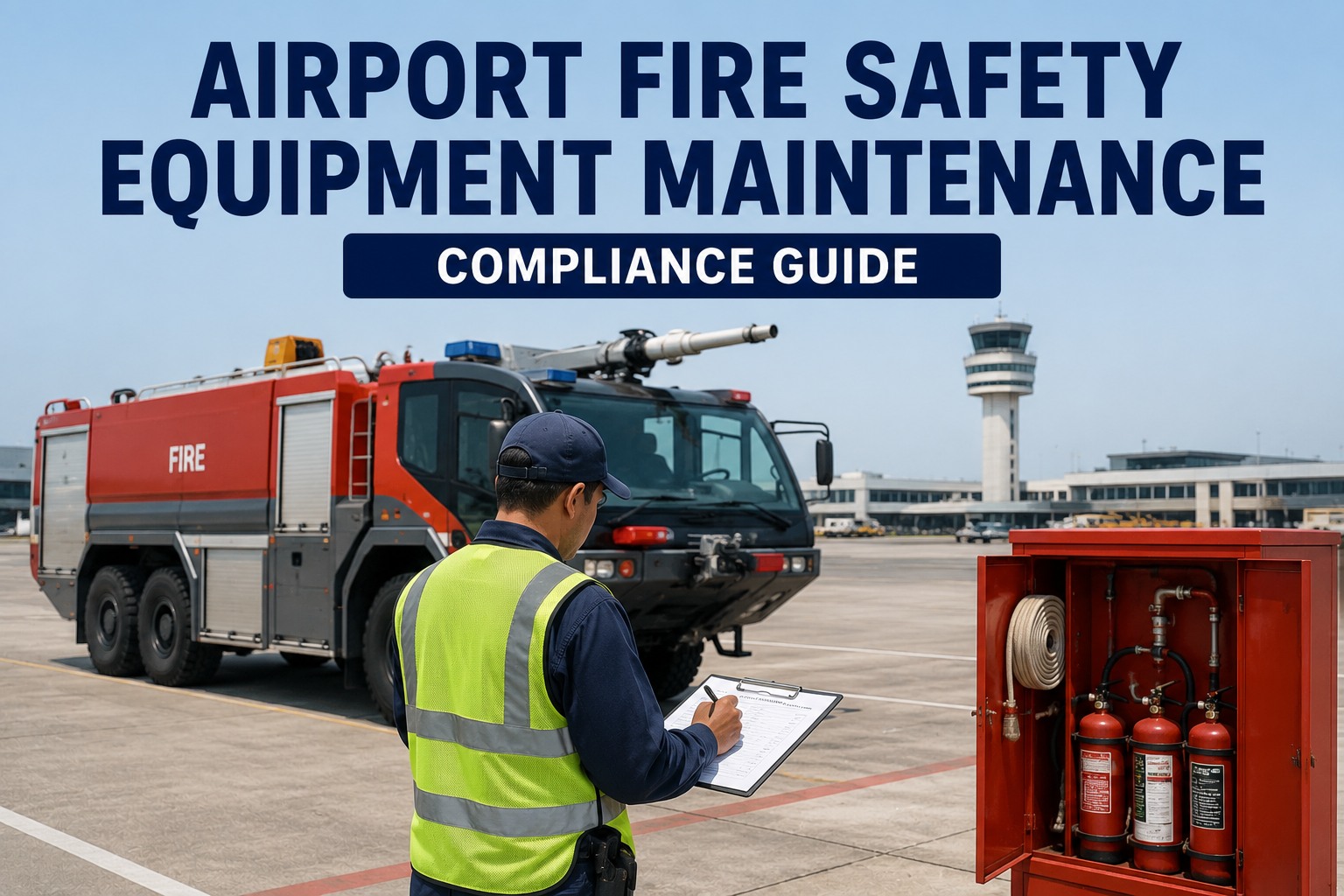
- Fire extinguishers tagged, charged, and accessible
- Sprinkler heads have 18-inch clearance below
- Electrical panels have 36-inch clearance zone
- Emergency exit routes and lighting tested
Racking & Loading Dock
Pallet racks, docks, and vehicle restraints
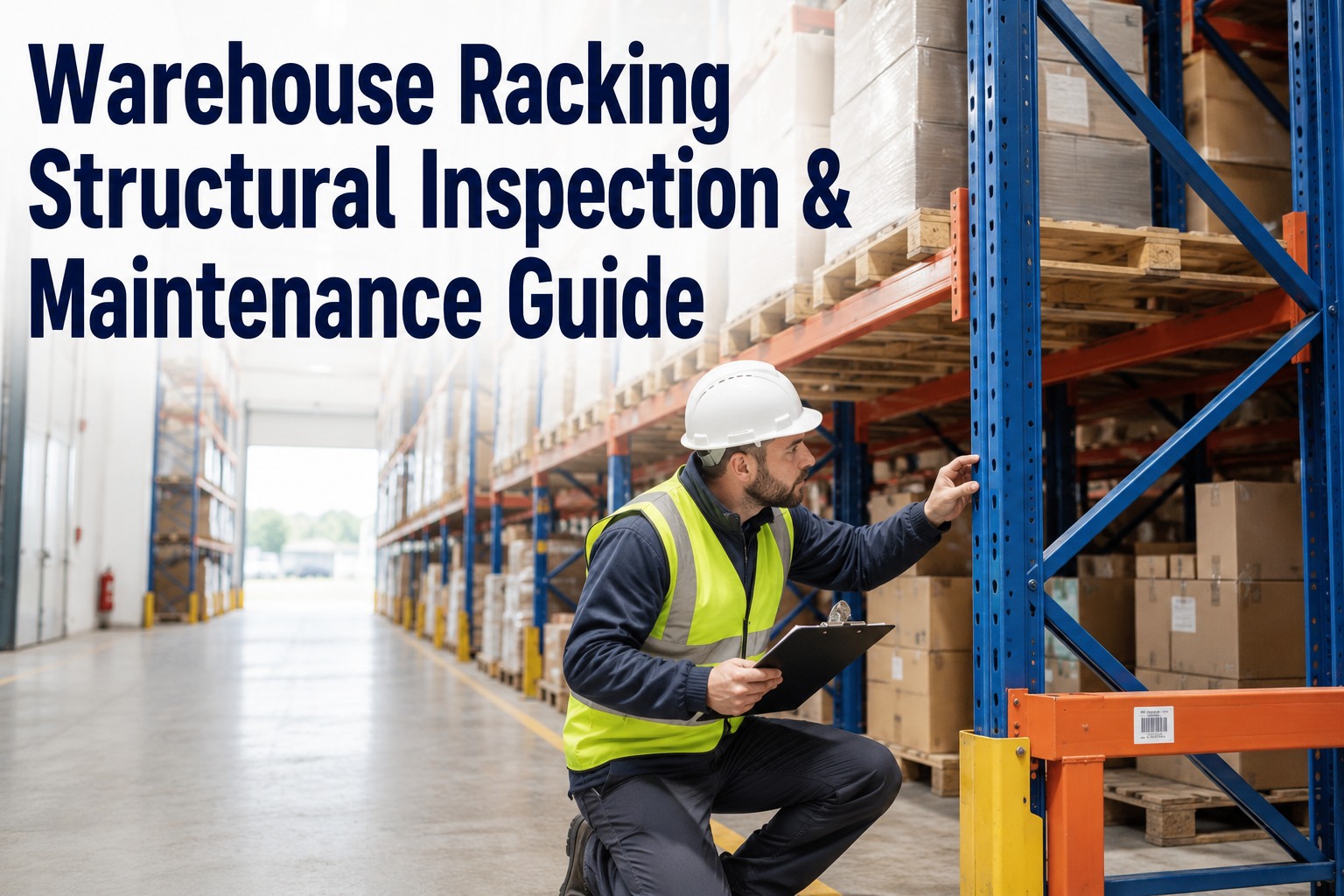
- Racking uprights checked for impact damage/deflection
- Load capacities clearly posted on rack beams
- Dock plate condition and securing chains intact
- Vehicle restraint lights and interlocks tested
- Wheel chocks available and utilized
Warehouse Safety Checklist Requirements & Limits
Inspectors don't just want to know if something was checked; they want to know the measurable criteria it was checked against. A digital warehouse safety checklist enforces these limits by requiring technicians to input specific readings before a work order can be closed.
| Inspection Point | Required Check | Pass Criteria | Fail Action (Auto-Escalated) |
|---|---|---|---|
| Racking Upright | Visual + Measured Deflection | < 5mm deviation from plumb | Tag out bay, generate repair WO |
| Loading Dock Restraint | Interlock & Light Test | Green light locks dock door open | Lock door, dispatch mechanic |
| Forklift Brakes | Stopping Distance Test | Stops within mfr spec at full load | Remove from service immediately |
| Fire Extinguisher | Pressure Gauge & Tag | Needle in green, tag current | Replace unit, log deficiency |
| Conveyor E-Stop | Full Line Activation Test | Line halts < 2 seconds | Lockout/Tagout, urgent repair |
Why Paper & Spreadsheet Checklists Fail Your Facility
When a 180-asset warehouse relies on clipboard checklists, compliance gaps are inevitable. Paper forms get lost, readings are faked at the end of the shift, and corrective actions disappear into a black hole. The cost of doing nothing is measurable.
How OxMaint Digitizes Your Warehouse Safety Procedure
OxMaint replaces clipboard chaos with an AI-powered CMMS that makes warehouse safety inspections repeatable, traceable, and impossible to fake. By turning your warehouse safety checklist form into scheduled digital work orders, you guarantee that every inspection is done right, documented, and acted upon.
Scheduled Mobile Work Orders
Deliver the exact checklist to the technician's phone based on asset, shift, or frequency. No more wondering if the Friday dock inspection was completed.
Photo & Reading Capture
Technicians must snap photos and input actual gauge readings against each checklist item. Pass/fail criteria are enforced by the system, not left to judgment.
Automated Corrective Escalation
When an item fails, OxMaint instantly generates a high-priority corrective work order, assigns it to the right technician, and tracks it to completion against the asset.
Audit-Ready Asset History
Every photo, reading, e-signature, and corrective action is permanently stored against the equipment record. Generate an OSHA 1910 audit trail in seconds, not days.
See OxMaint on Your Assets
Stop relying on paper checklists that fail under pressure. Book a 30-minute demo and see how OxMaint standardizes your warehouse safety checklist, automates corrective work orders, and keeps you OSHA 1910 compliant.
Warehouse Safety Checklist Questions & Answers
What is a warehouse safety checklist?
A warehouse safety checklist is a structured inspection document used to verify that equipment, racking, loading docks, and facility environments meet OSHA 1910 compliance standards. It guides technicians through visual checks, operating readings, and safety device tests, ensuring hazards are caught before they cause injuries or operational shutdowns.
How often should a warehouse safety checklist be completed?
High-traffic areas like loading docks and forklift paths should be inspected daily or per shift, while racking inspections, fire safety systems, and heavy equipment preventive checks are typically required weekly or monthly. OxMaint automates this by scheduling the exact warehouse safety checklist procedure as recurring work orders based on asset criticality.
What are the OSHA 1910 compliance requirements for warehouse inspections?
OSHA 1910 requires employers to maintain a safe workplace, which includes regular inspections of walking surfaces (1910.22), fire protection (1910.157), and powered industrial trucks (1910.178). You must document these inspections and maintain records of corrective actions. You can Book a Demo to see how OxMaint automatically builds these compliance records.
How do I move from a paper checklist to a digital warehouse safety checklist?
Transitioning is simple with a CMMS. You upload your existing warehouse safety checklist template into OxMaint, assign it to specific assets and schedules, and technicians receive it on their mobile devices. The system enforces photo capture and readings, eliminating clipboard fraud and lost paperwork instantly.
What happens when an item fails the warehouse safety inspection?
When an item fails, OxMaint automatically escalates the failure by generating a corrective work order, assigning it to the appropriate technician, and flagging the asset for follow-up. If the failure poses an immediate risk, the system supports Lockout/Tagout (LOTO) procedures to ensure the equipment cannot be used until repairs are verified.
Standardize Your Inspections Today
Make every inspection repeatable, every defect traceable, and every asset audit-ready. Join thousands of maintenance teams using OxMaint to eliminate paperwork and enforce compliance.
Free 14-day trial · No credit card