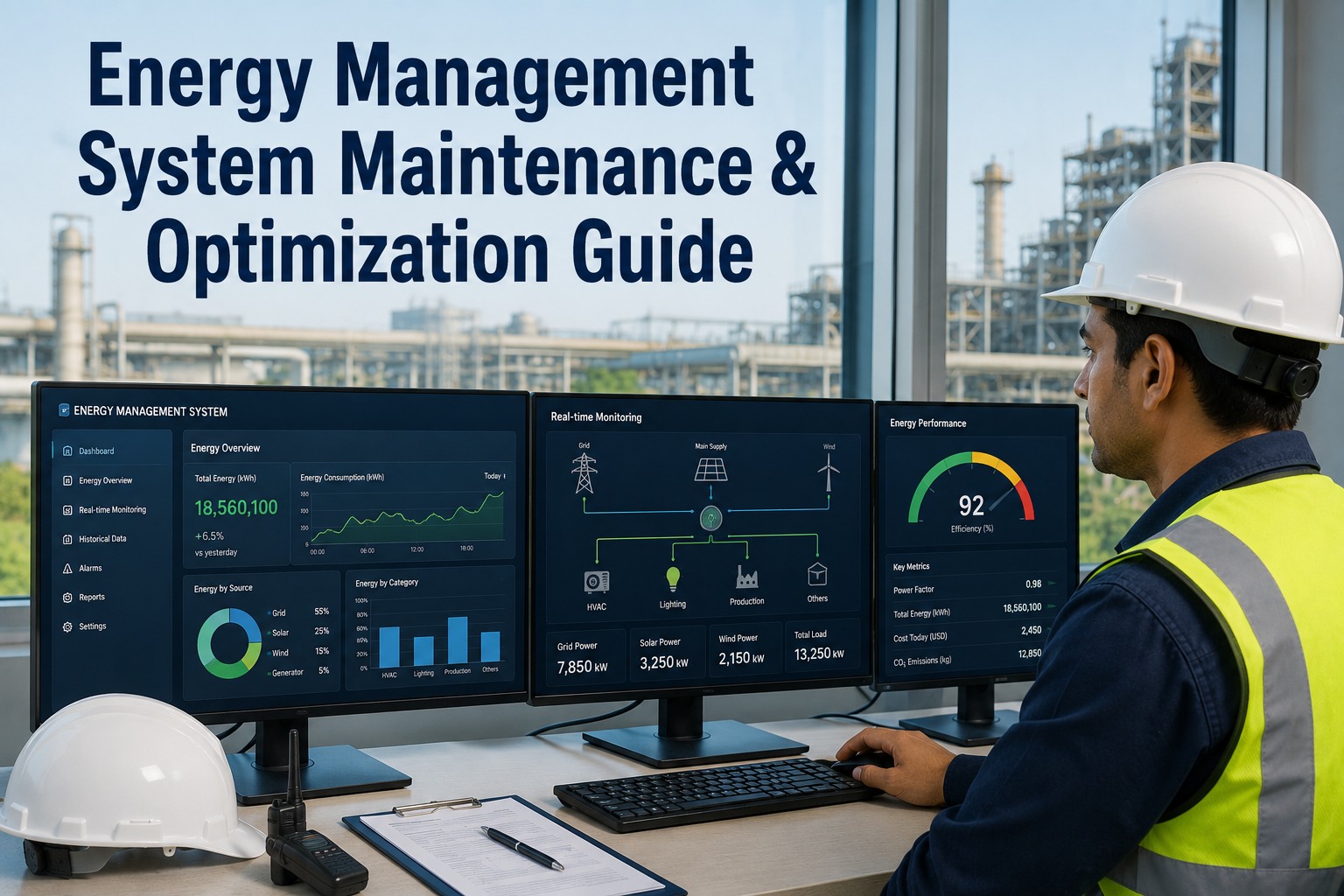
Energy management system maintenance is the disciplined practice of keeping sub-meters, sensors, controllers and analytics dashboards calibrated, connected and reliable so that building energy performance data stays accurate and actionable. Without routine EMS calibration and submetering maintenance, drift can cause monitoring errors of 5–15 percent within 12 months, undermining demand response programs and energy optimization initiatives. Facility teams that pair EMS maintenance with a CMMS like OxMaint catch sensor faults early, automate energy-triggered work orders, and sustain documented savings across their portfolio. Start a Start Free Trial to see how OxMaint turns raw energy data into prioritized maintenance action.
Is your energy management system silently drifting toward unreliable data?
Most building energy monitoring platforms lose 5–15% measurement accuracy in the first year without scheduled EMS calibration and submetering maintenance. OxMaint gives facility teams the CMMS backbone to keep every sensor, controller and sub-meter performing — so energy savings stay real, documented and repeatable.
The hidden cost of neglected energy monitoring maintenance
A 2023 study of commercial buildings found that 40% of energy management dashboards display data from at least one failed or drifted sensor — and facility teams only discover the gap during quarterly billing reconciliation, weeks after savings opportunities evaporate.
A 280,000 sq ft office campus with 42 sub-meters and a BACnet-based EMS was losing $38,000 per year in undetected HVAC scheduling overrides and drifted temperature sensors. After implementing OxMaint for energy system PM — with quarterly calibration work orders and automated sub-meter health checks — the team recovered full visibility within 60 days and sustained a 14% energy cost reduction year-over-year. The payback period for the CMMS investment was under 4 months.
Energy management system maintenance checklist for facility teams
A structured energy system PM program covers four asset layers: sub-meters, sensors and transducers, controllers/gateways, and the analytics platform itself. Use this tiered checklist to build recurring work orders in OxMaint.
Sub-Meter Maintenance
- Verify CT and PT connections quarterly for loose wiring and phase rotation errors
- Compare sub-meter readings against main meter revenue data — flag drift above 3%
- Inspect meter enclosures for moisture, dust ingress and environmental damage
- Confirm Modbus/BACnet communication stability and log dropped-packet counts
Sensor & Transducer Calibration
- Calibrate temperature, humidity and CO2 sensors against a NIST-traceable reference annually
- Validate pressure and flow transducers at minimum three setpoints across operating range
- Log calibration offsets and create trend charts to predict replacement timing
- Replace battery-powered wireless sensors before the 5-year service life expires
Controller & Gateway Health
- Back up controller programs and scheduling databases every 90 days
- Verify firmware versions and apply manufacturer security patches within 30 days
- Test failover behaviour for redundant controllers and network gateways
- Audit override logs to detect unauthorized manual setpoint changes
Analytics & Integration Layer
- Validate data pipeline from field devices to the EMS dashboard monthly
- Test demand response event triggers and curtailment signal acknowledgments
- Review alarm thresholds and escalation rules for accuracy and relevance
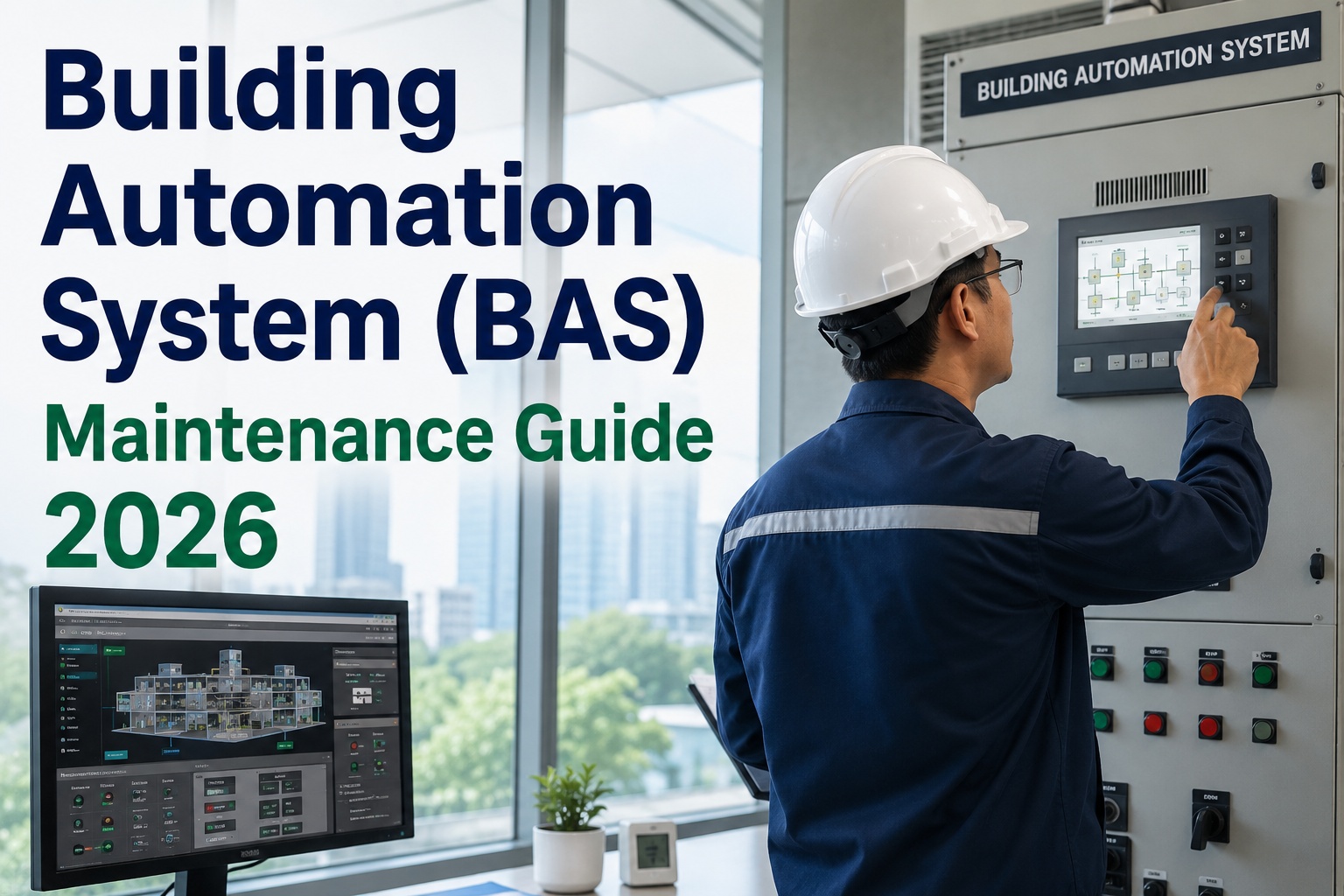
- Confirm EMS-to-CMMS integration is generating and closing work orders correctly
How OxMaint powers EMS-driven energy performance
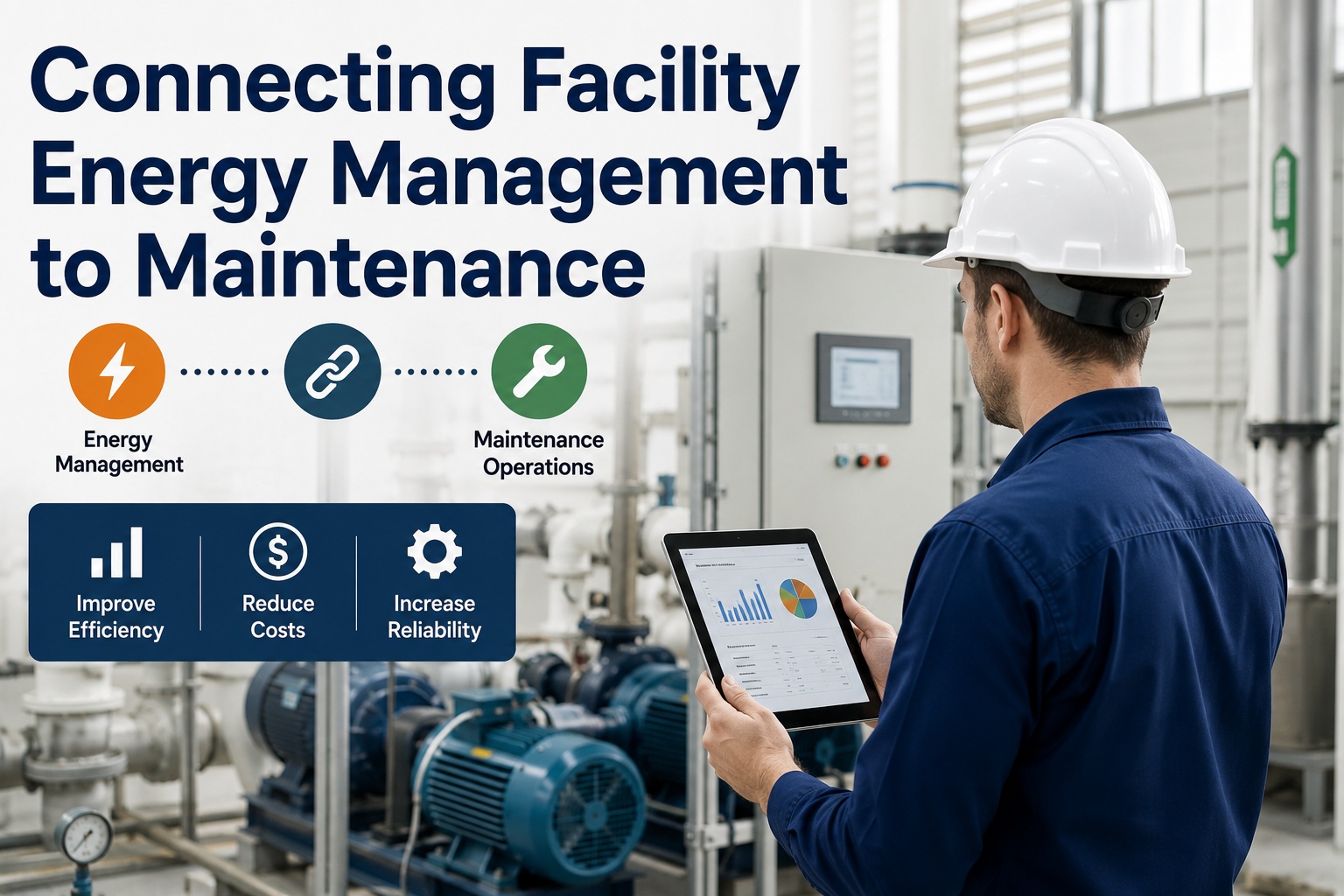
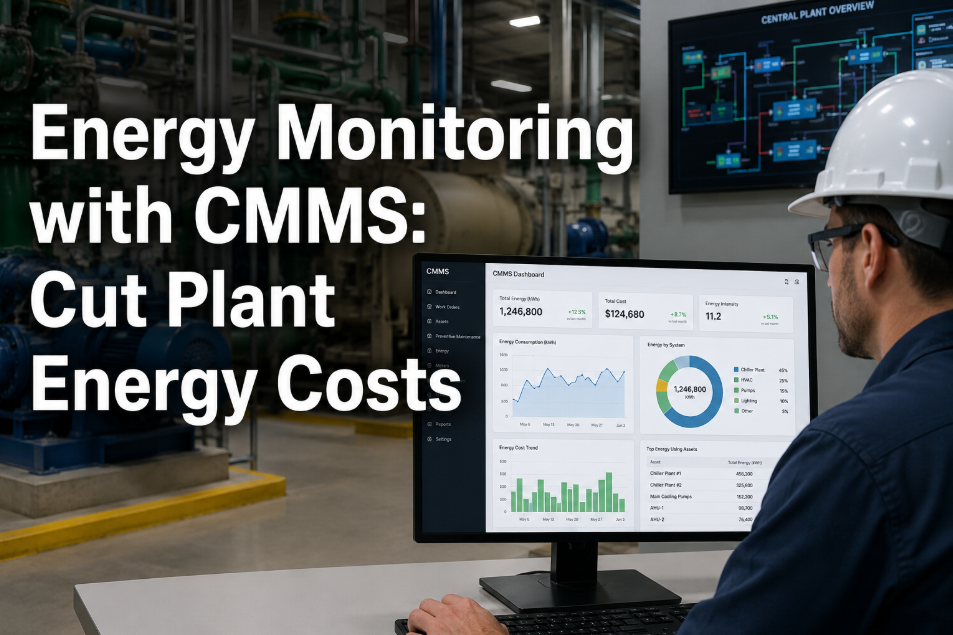
OxMaint connects your energy management system directly to maintenance execution — so sensor drift, sub-meter faults and demand response events automatically trigger structured, trackable work orders instead of fading into alarm fatigue.
Energy-Triggered Work Orders
OxMaint ingests EMS alarms, sub-meter deviations and demand response signals to auto-generate prioritized work orders with asset context, troubleshooting checklists and parts pre-attached — cutting alarm-to-action time by up to 70%.
Automated PM Scheduling
Build recurring EMS calibration, sub-meter verification and sensor replacement schedules based on runtime cycles, calendar intervals or condition triggers — ensuring ISO 50001 audit readiness and eliminating spreadsheet-based planning.
Asset Hierarchy & Meter Tracking
Map every sub-meter, sensor, controller and gateway to its parent asset in a full equipment hierarchy. Track calibration history, firmware versions, warranty status and replacement costs in one centralized EAM record.
Maintenance Analytics & KPIs
Track EMS asset MTBF, calibration drift rates, work order completion rates and cost-per-meter trends. Dashboards reveal which buildings are losing measurement accuracy fastest — so you prioritize intervention before savings leak away.
EMS CMMS integration: from sensor fault to closed work order
The value of linking building energy monitoring to your CMMS is the closed loop — every energy anomaly becomes a tracked, costed maintenance event. Here is the typical data-to-action flow OxMaint supports.
EMS detects an anomaly
A sub-meter reports a 12% deviation from expected load profile, or a temperature sensor drifts beyond its 2-degree tolerance band. The EMS pushes an event to OxMaint via API or scheduled data import.
OxMaint auto-generates a work order
OxMaint evaluates the event against asset criticality, service-level rules and technician availability. A priority-tagged work order is created with the asset hierarchy, recent calibration history and relevant spare parts pre-loaded.
Technician receives and executes
The assigned technician gets a mobile notification with step-by-step diagnostic procedures, safety procedures and the exact meter location. Calibration data and photos are captured in the field — no paper, no re-entry.
Closed loop with verification
On work order completion, OxMaint confirms the EMS reading has returned to expected range, logs labor and parts cost, and updates the asset's calibration record — creating a full audit trail for ISO 50001 or utility incentive reporting.
What is the ROI of CMMS-based energy management system maintenance?
The financial case for structured EMS maintenance is built on three pillars: recovered energy savings, reduced demand response penalties, and avoided emergency repair costs. Use this framework to model your own payback.
| Cost / Savings Category | Without CMMS (Annual) | With OxMaint CMMS | Annual Impact |
|---|---|---|---|
| Undetected EMS sensor drift (lost savings) | $42,000 | $6,500 | +$35,500 |
| Demand response penalty exposure | $12,000 | $1,200 | +$10,800 |
| Emergency sensor/controller replacement | $9,500 | $2,800 | +$6,700 |
| Manual data collection & reporting labor | $18,000 | $4,500 | +$13,500 |
| OxMaint CMMS subscription | $0 | −$8,400 | −$8,400 |
| Net Annual Benefit | — | — | +$58,100 |
Model based on a 280,000 sq ft commercial facility with 42 sub-meters, 120 sensors and 18 controllers. Actual results vary by building size, EMS maturity and energy intensity.
See OxMaint manage your energy assets in a 30-minute walkthrough
We will map your sub-meter hierarchy, import your EMS asset list and show how a calibration drift alert becomes a closed, costed work order — live on your data.
Energy management system maintenance — what teams ask most
How often should energy management systems be calibrated?
Temperature, humidity and CO2 sensors should be calibrated annually against a NIST-traceable reference, while sub-meter current transformers and power meters typically require verification every 6–12 months depending on load profile and environmental conditions. High-criticality assets like demand response metering points may warrant quarterly checks. OxMaint lets you schedule these intervals automatically and escalate missed calibrations before accuracy drifts past actionable thresholds.
What is the difference between EMS maintenance and energy optimization maintenance?
EMS maintenance focuses on keeping monitoring and control hardware functional and accurate — calibration, communication stability, firmware updates and sensor replacement. Energy optimization maintenance goes further: it uses the data from a healthy EMS to tune control sequences, correct scheduling overrides and restore equipment performance. A CMMS like OxMaint supports both by linking EMS data directly to preventive and corrective work orders. You can Start Free Trial to see how both work streams coexist in one platform.
Can a CMMS integrate directly with building energy management systems?
Yes — OxMaint supports API-based and scheduled-import integration with most BACnet, Modbus and cloud-based EMS platforms. EMS alarms, sub-meter deviation flags and demand response events can automatically generate work orders with full asset context, eliminating manual ticket creation and ensuring every energy anomaly is tracked to resolution with a documented audit trail.
How much does EMS maintenance cost versus the savings it protects?
A typical commercial facility spends $3,000–$8,000 annually on EMS maintenance labor and calibration services, while protecting $30,000–$60,000 in energy savings that would otherwise erode from sensor drift and undetected control faults. The CMMS layer that structures and automates this work typically costs $5,000–$10,000 per year and pays for itself within 3–6 months through recovered savings and avoided emergency repairs.
What happens if submetering maintenance is skipped for a year?
Within 12 months, 5–15% measurement drift is common, meaning a facility that believes it is saving 10% on energy may actually be saving 2–5% — or nothing at all. More critically, demand response programs may withhold payments for non-compliant curtailment events, and utility billing reconciliations can surface costly surprises. OxMaint prevents this by enforcing PM schedules and alerting teams the moment a sub-meter stops reporting or drifts beyond tolerance. Book a Demo to see the alert-to-work-order flow in action.
Stop letting EMS drift erase your energy savings
OxMaint gives you the CMMS structure to keep every sub-meter, sensor and controller calibrated, connected and audit-ready — with energy-triggered work orders that turn monitoring data into maintenance action.
Free 14-day trial · No credit card



.png)
