
Facility management software represents one of the most transformative investments for modern organizations, with comprehensive CMMS systems delivering an average of $45 lakhs in annual operational savings per facility. Industry research reveals that 68% of facility managers still rely on reactive maintenance approaches and manual processes that create inefficiencies, missed maintenance schedules, and excessive operational costs. Strategic facility management software implementation can reduce maintenance costs by 80%, improve equipment uptime by 65% and decrease energy consumption by 35% while ensuring compliance, occupant comfort and maximum asset performance across diverse building portfolios.
Modern facility management demands sophisticated software solutions that integrate building systems, maintenance operations, and occupant services into unified platforms that optimize performance, reduce costs, and enhance operational efficiency. Facility management software selection directly impacts organizational productivity, operational costs, and strategic competitive advantages in today's technology-driven business environment.
The Critical Need: Facility Management Software in 2025
Contemporary facility management operations require integrated software platforms that address complex building systems, regulatory compliance, energy management, and occupant satisfaction across diverse property portfolios. Software-driven facility management transforms reactive operations into proactive strategic advantages that enhance building performance and organizational efficiency.
Building System Integration
85% of building systems operate in isolation without integrated management, creating energy waste, maintenance inefficiencies, and operational blind spots that cost $25+ lakhs annually per facility.
Maintenance Workflow Automation
Manual maintenance scheduling and tracking creates 70% more downtime and doubles repair costs compared to automated CMMS workflows that optimize resource allocation and prevent failures.
Energy Management Optimization
Smart facility management software reduces energy consumption by 30-40% through automated system control, usage optimization, and performance monitoring that eliminates waste and inefficiencies.
Compliance and Documentation
Regulatory compliance requirements demand systematic documentation and reporting that manual processes cannot provide, with automated systems ensuring 100% compliance achievement and audit readiness.
Space and Asset Utilization
Space management analytics identify underutilized areas and optimize occupancy patterns, creating 25-35% space efficiency improvements and significant cost reduction opportunities.
Occupant Experience Enhancement
Integrated service request systems and environmental controls improve occupant satisfaction by 60% while reducing facility-related complaints and operational disruptions significantly.
The Financial Impact of Inadequate Facility Management Systems
Before implementing comprehensive facility management software, building operations experience significant inefficiencies that impact both operational performance and financial results:
- Reactive maintenance premiums consuming 65% of facility budgets while providing minimal preventive value and creating system failures
- Energy waste averaging 35-40% of total consumption due to unoptimized systems and manual control inefficiencies
- Compliance documentation gaps creating regulatory violation risks and audit failure exposures costing $15+ lakhs per incident
- Space utilization inefficiencies with 30% of commercial space underutilized due to inadequate monitoring and optimization
- Occupant service delays averaging 3-5 days response time impacting productivity and satisfaction scores significantly
Essential Features: Comprehensive Facility Management Software Framework
Professional facility management software provides the operational framework necessary for systematic building management, incorporating maintenance automation, energy optimization, and occupant services into unified platforms that maximize efficiency and minimize operational costs.
Core Software Components and Architecture
Effective facility management platforms integrate multiple operational systems and management functions to create comprehensive building control solutions that balance performance optimization with cost efficiency.
Computerized Maintenance Management
Advanced CMMS capabilities including preventive maintenance scheduling, work order management, inventory control, and performance analytics that optimize maintenance operations and reduce costs.
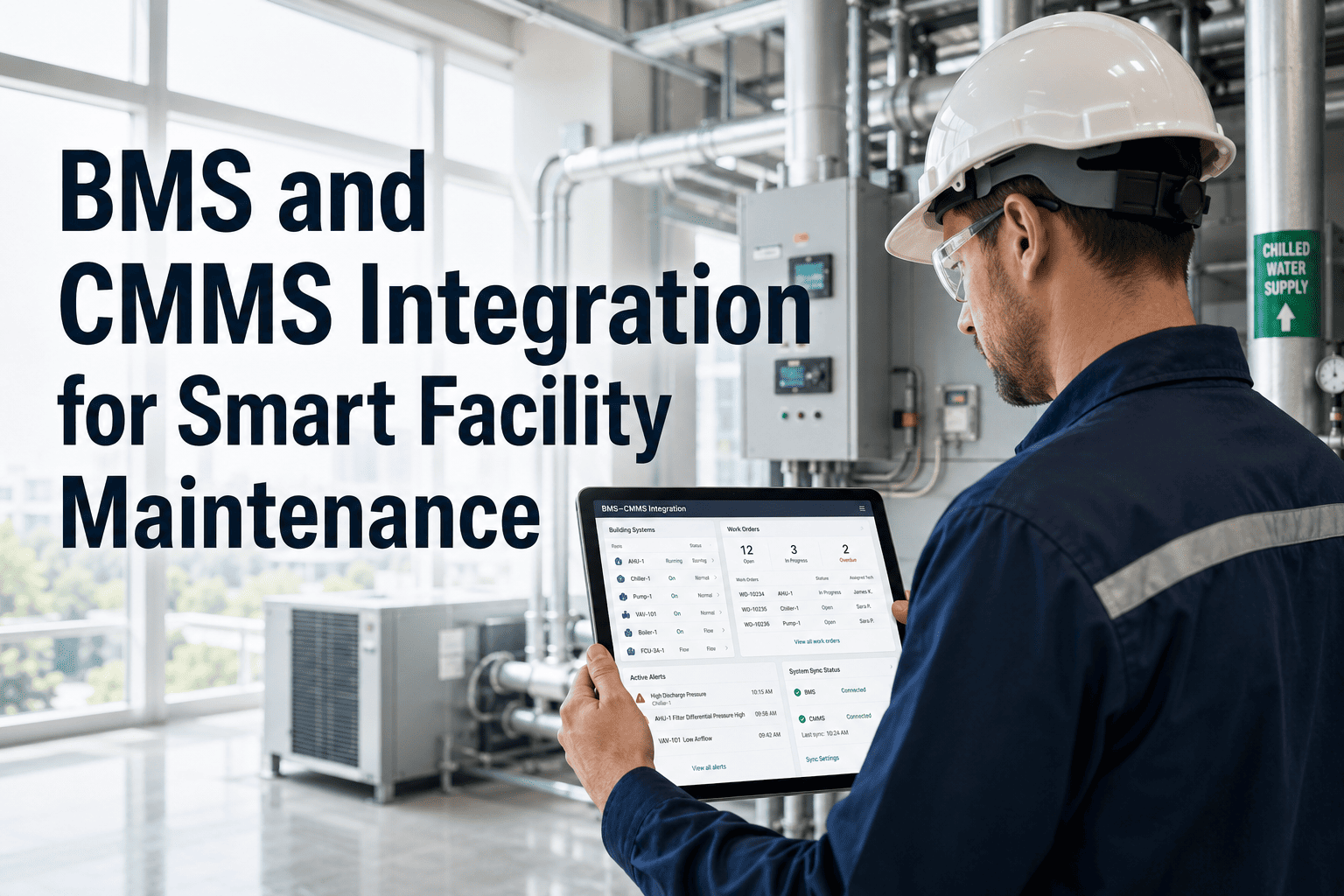
Building Automation Integration
Seamless integration with HVAC, lighting, security, and fire safety systems enabling centralized control, automated optimization, and comprehensive performance monitoring.
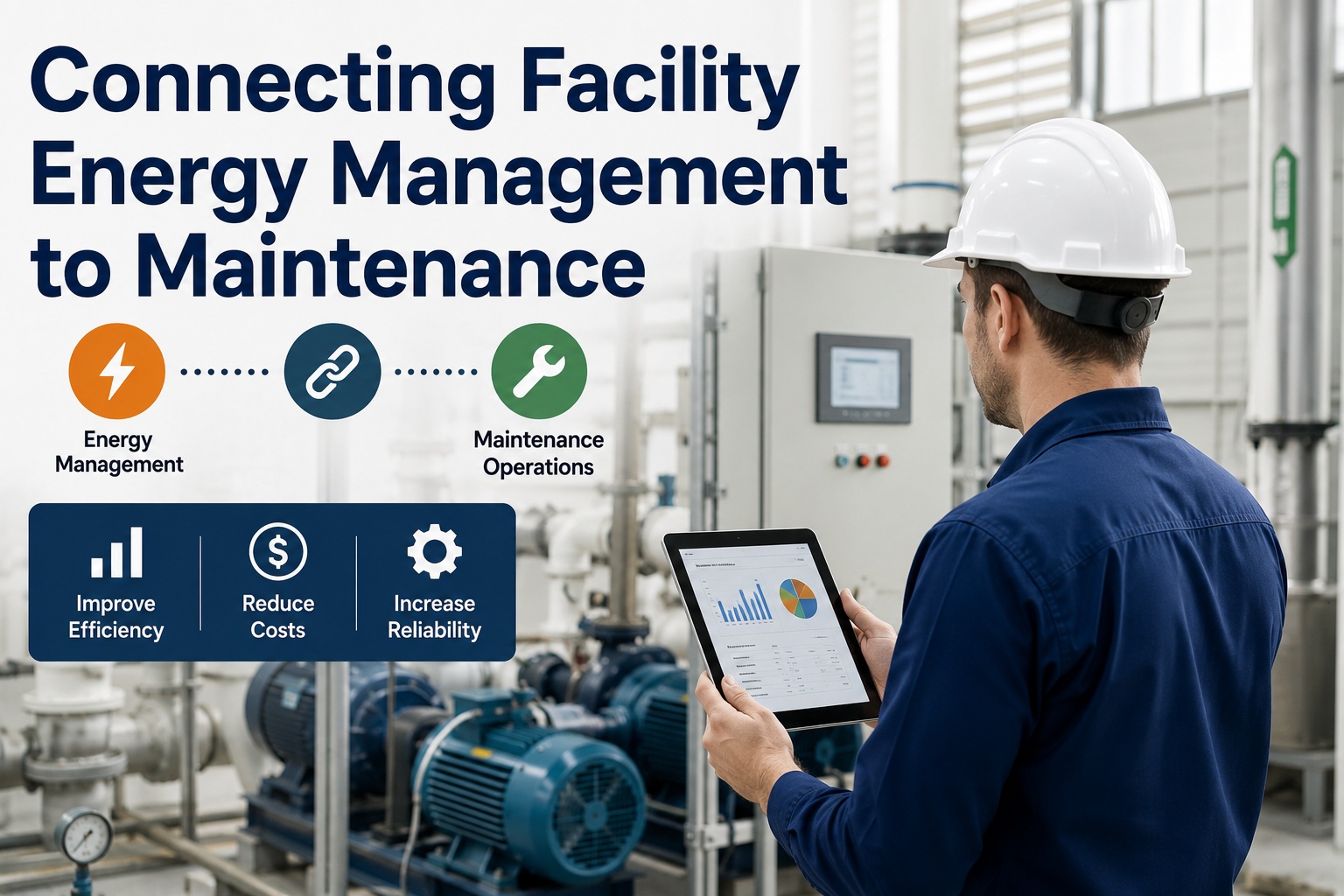
Energy Management Systems
Real-time energy monitoring, consumption analytics, demand optimization, and automated control systems that reduce energy costs by 30-45% through intelligent management.
Space and Asset Management
Comprehensive space utilization tracking, occupancy analytics, asset lifecycle management, and move management capabilities that optimize facility utilization and reduce overhead costs.
Advanced Technology Integration and Smart Building Capabilities
IoT and Predictive Analytics Integration
Modern facility management software leverages Internet of Things sensors, machine learning analytics, and predictive algorithms to transform building operations from reactive to proactive management approaches that prevent problems and optimize performance.
Smart Sensor Networks
Comprehensive IoT sensor deployment monitoring temperature, humidity, occupancy, air quality, and equipment performance with real-time data collection and analysis capabilities.
Predictive Maintenance Algorithms
Machine learning systems that analyze equipment performance patterns to predict maintenance needs 4-8 weeks in advance, preventing failures and optimizing service schedules.
Automated Control Systems
Intelligent building automation that adjusts HVAC, lighting, and security systems based on occupancy patterns, weather conditions, and energy optimization algorithms.
Mobile and Cloud Integration
Cloud-based platforms with mobile applications enabling remote monitoring, instant notifications, and field service management from anywhere with internet connectivity.
Software Selection Methodology and Evaluation Criteria
Comprehensive Evaluation Framework for Facility Management Software
Successful software selection requires systematic evaluation approaches that assess functional capabilities, integration requirements, scalability needs, and total cost of ownership across diverse organizational requirements and operational environments.
| Software Category | Key Features | Implementation Time | Cost Range | Best For |
|---|---|---|---|---|
| Basic CMMS | Work orders, preventive maintenance, inventory | 2-4 weeks | $2-8 lakhs annually | Small facilities, basic maintenance |
| Integrated CAFM | Space management, asset tracking, workflow automation | 6-12 weeks | $8-25 lakhs annually | Medium facilities, comprehensive management |
| Enterprise IWMS | Full integration, analytics, portfolio management | 3-6 months | $25-75 lakhs annually | Large portfolios, complex operations |
| Smart Building Platform | IoT integration, AI analytics, automation | 4-8 months | $50-150 lakhs annually | High-tech facilities, smart buildings |
Phase 1: Requirements Assessment
Comprehensive evaluation of current operations, system requirements, integration needs, and performance objectives to establish software selection criteria and implementation priorities.
Phase 2: Vendor Evaluation
Detailed vendor assessment including functionality testing, reference checks, implementation support evaluation, and total cost of ownership analysis across multiple platforms.
Phase 3: Pilot Testing
Limited deployment with selected systems, user training, performance validation, and operational effectiveness testing to confirm software capabilities and user adoption.
Phase 4: Full Implementation
Organization-wide deployment, comprehensive training programs, change management support, and ongoing optimization based on performance data and user feedback.
Change Management and User Adoption Strategies
Software implementation success depends heavily on user adoption and organizational transformation, requiring comprehensive training programs and change management strategies that encourage proactive facility management practices.
Staff Training Program Development
Role-specific training for facility managers, maintenance technicians, and administrative staff covering software functionality, workflow optimization, and best practice implementation.
Performance Incentive Alignment
KPI structures and recognition programs that reward software utilization, process improvement, and operational efficiency achievements through systematic facility management.
Communication and Support Systems
Regular communication channels for software updates, feature enhancements, and user feedback integration to ensure continuous optimization and user satisfaction.
Champion Network Development
Identification and development of software champions who support system adoption and provide peer-to-peer training and technical assistance across departments.
Analytics and Performance Monitoring Capabilities
Advanced Facility Analytics and KPI Tracking
Facility management analytics transform operational data into actionable insights that enable continuous improvement, cost optimization, and performance enhancement across building portfolios and operational environments.
Real-Time Operations Dashboards
Executive and operational dashboards providing immediate visibility into facility performance, energy consumption, maintenance status, and occupant satisfaction across all properties.
Predictive Performance Analysis
Advanced analytics identifying optimization opportunities, cost reduction potential, and performance improvement trends based on historical and real-time facility data.
Cost Optimization Analytics
Comprehensive analysis covering energy usage, maintenance costs, space utilization, and operational efficiency that quantify software value and ROI measurement capabilities.
Compliance Monitoring Systems
Automated compliance tracking ensuring facility operations meet safety requirements, environmental standards, and regulatory obligations with exception reporting and audit support.
ROI and Operational Excellence Outcomes
Quantifiable Financial Benefits and Cost Optimization
Comprehensive facility management software delivers measurable financial returns through multiple value streams that extend beyond direct cost savings to encompass operational efficiency, sustainability improvements, and organizational productivity benefits.
Operational Efficiency and Competitive Advantages
Comprehensive facility management software creates operational advantages that enhance organizational effectiveness through improved building performance, predictable operational costs, and enhanced occupant satisfaction capabilities.
- Improved operational predictability with systematic maintenance scheduling and automated workflows that eliminate emergency disruptions
- Enhanced energy efficiency averaging 35-45% reduction in utility costs through intelligent system control and optimization algorithms
- Increased space utilization through data-driven space management and occupancy optimization that reduces real estate requirements
- Better occupant satisfaction with 60% improvement in service response times and environmental comfort control systems
- Improved compliance assurance through automated documentation and reporting that eliminates regulatory violation risks and audit failures
Compliance and Regulatory Alignment
Regulatory compliance requirements make comprehensive facility management software essential for modern building operations, with safety standards, environmental regulations, and industry certifications demanding systematic documentation and automated compliance management programs.
Safety and Building Codes
Automated compliance tracking for fire safety, emergency systems, and building code requirements ensuring systematic maintenance and documentation that prevents violations costing $15+ lakhs per incident.
Environmental Regulations
Energy efficiency reporting, emission monitoring, and environmental compliance management ensuring adherence to sustainability standards and green building certifications.
Industry Certifications
LEED, BOMA, and industry standard compliance support with automated reporting and documentation systems that maintain certifications and enhance property values.
Insurance and Risk Management
Comprehensive risk documentation and preventive maintenance records that reduce insurance premiums and liability exposures while supporting claims management and risk mitigation.
Future Outlook and Technology Innovation
The facility management software landscape continues evolving with emerging technologies that promise enhanced automation, artificial intelligence integration, and sustainable operations capabilities that will further transform building management and operational efficiency.
Artificial Intelligence Integration
Advanced AI algorithms providing enhanced pattern recognition, predictive analytics, and automated decision-making based on comprehensive facility data and performance optimization.
Digital Twin Technology
Virtual building models enabling advanced simulation, performance optimization, and predictive maintenance through real-time digital representation of physical facility systems.
Sustainability Integration
Carbon footprint tracking, renewable energy optimization, and sustainability reporting capabilities that support environmental goals and regulatory compliance requirements.
Augmented Reality Applications
AR-enabled maintenance guidance, equipment visualization, and training systems providing technicians with real-time information and expert assistance for complex procedures.
Frequently Asked Questions
Ready to transform your facility management with comprehensive software solutions?
Getting Started Book a Demo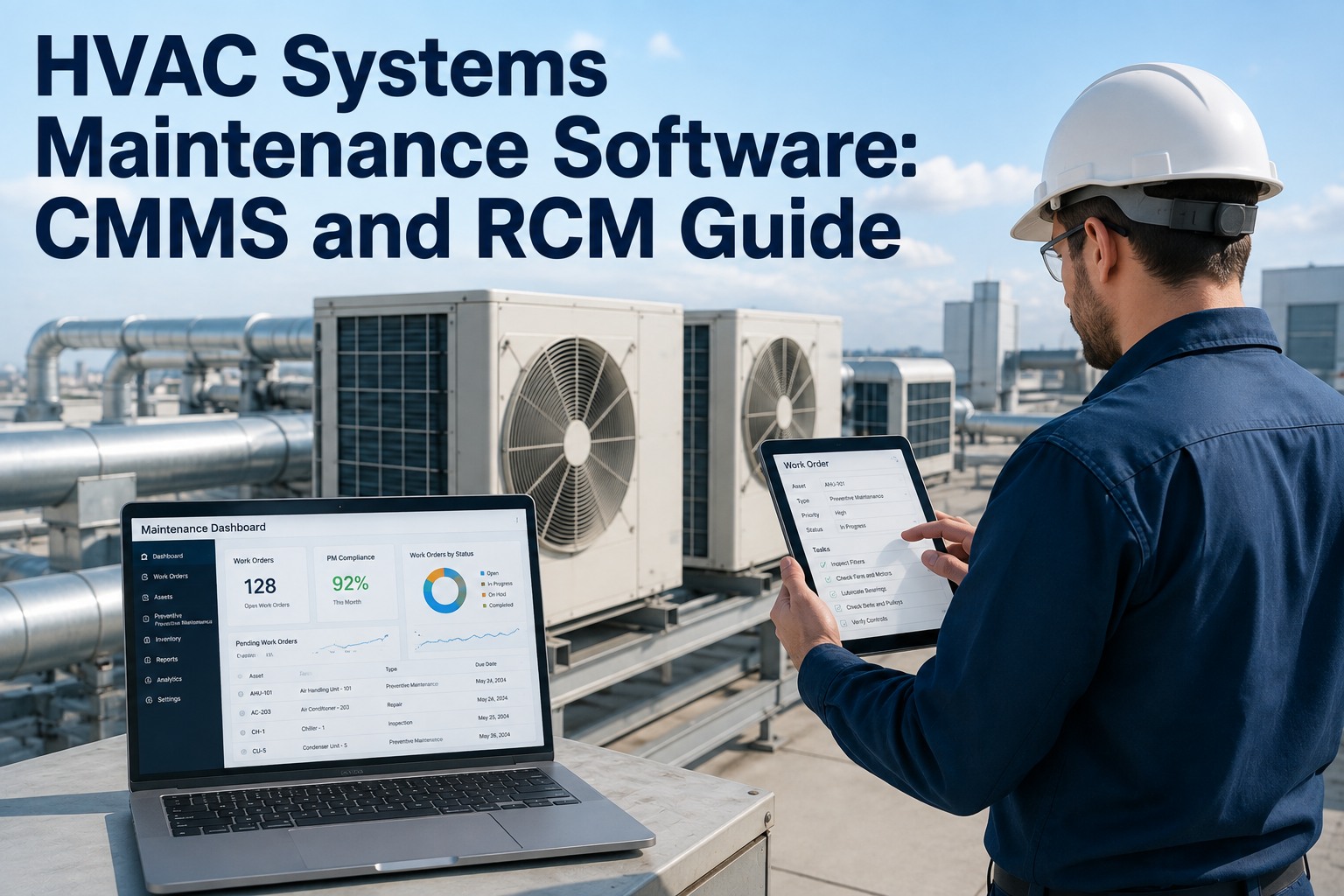

.png)
